


Primary sourceArtifact1860s
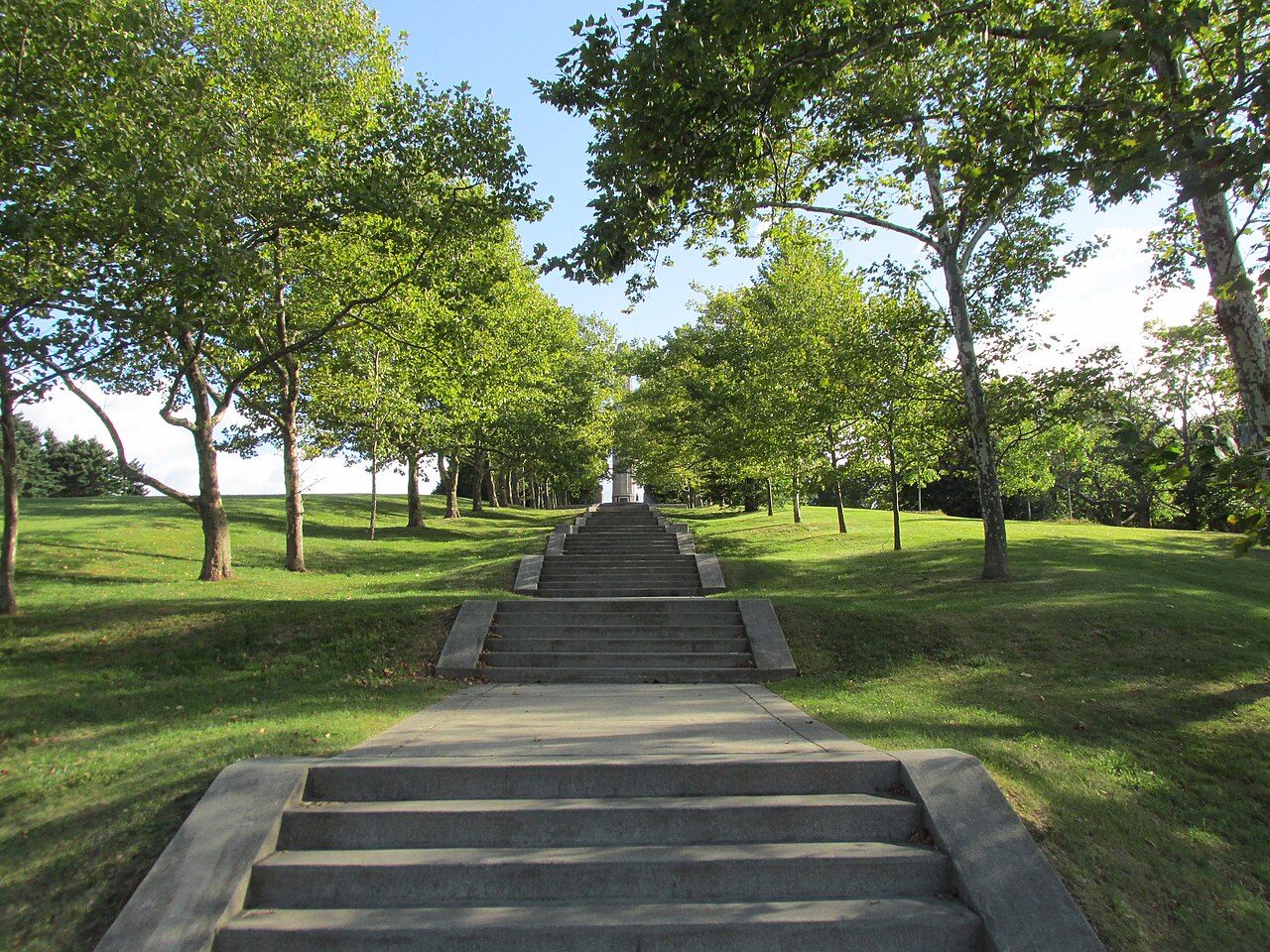
Walnut Hill Park
Frederick Law Olmsted · 1860s
A public park in New Britain, Connecticut, an early Olmsted design that brought his park ideas to a small industrial city.
Olmsted designed this small-city park in his home state, showing his ideas spreading beyond major cities.
About this source
What it is
Walnut Hill Park is a large public park west of downtown New Britain, Connecticut, developed from the 1860s. It is an early work by Frederick Law Olmsted, built around a former reservoir site with winding lanes and a band shell, and it was listed on the National Register of Historic Places in 1982.
Why it matters
New Britain hired Olmsted, a native of nearby Hartford, in the early years of his partnership with Calvert Vaux, to landscape a barren hillside purchased by local citizens. Construction was interrupted by an economic panic, and the park later became the site of the city's World War I memorial, placed where Olmsted had originally planned a tower. The park shows how Olmsted's design ideas spread beyond major cities into smaller industrial towns.
Look closer
- Why might local citizens have wanted to turn a barren hillside into a landscaped park?
- How did the later addition of a war memorial change the purpose of the space Olmsted designed?
- What does the delay caused by the financial panic suggest about how parks depend on money and politics?
This artifact is part of the curated material that grounds the AI version of Frederick Law Olmsted on Humy.ai — when students ask about related events, the AI can quote it and cite it.
More Frederick Law Olmsted sources
Meet the AI Frederick Law Olmsted → Artifact
Primary source
Central Park
Frederick Law Olmsted and Calvert Vaux · 1856
 Book
Primary source
Journeys and Explorations in the Cotton Kingdom
Frederick Law Olmsted · 1861
 Painting
Primary source
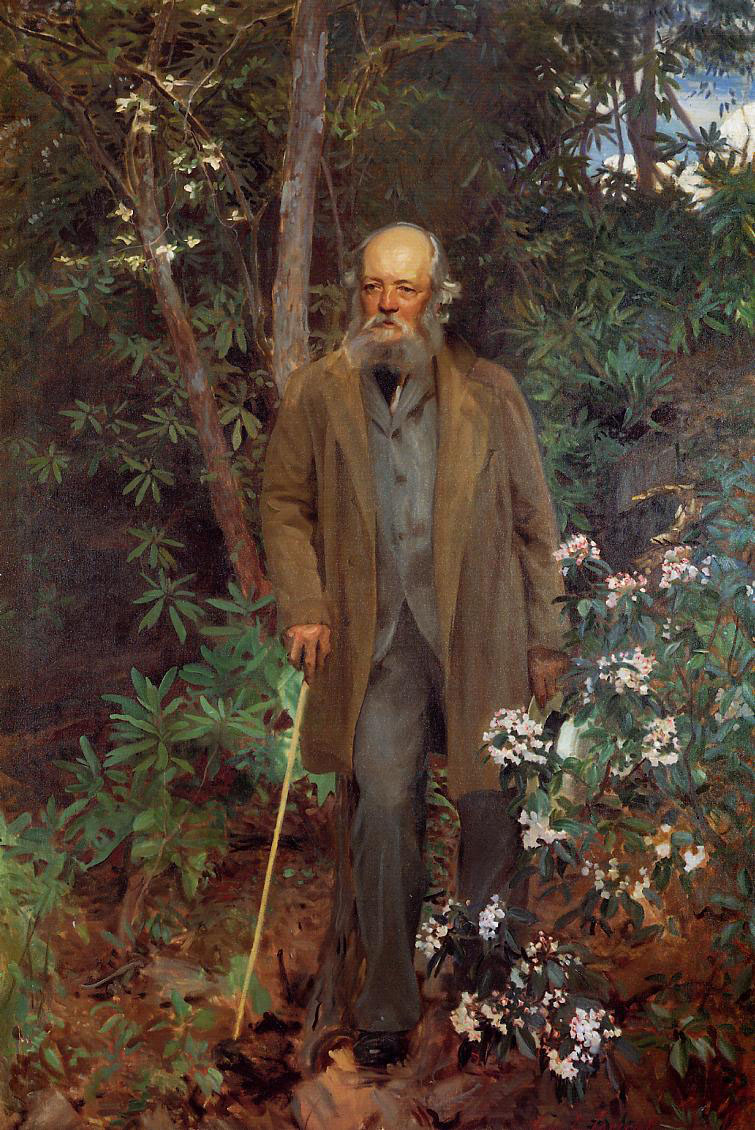
Frederick Law Olmsted
John Singer Sargent · 1895
 Artifact
Primary source
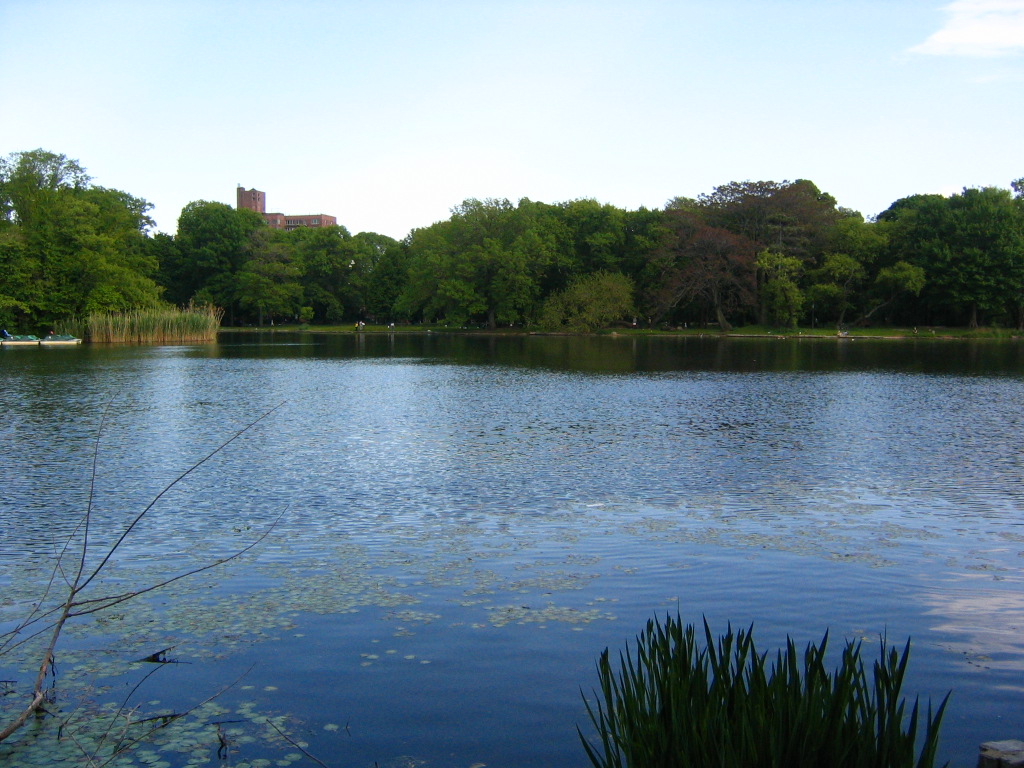
Prospect Park
Frederick Law Olmsted and Calvert Vaux · 1867
 Artifact
Primary source
Biltmore Estate
1895
Ready when you are
Start chatting with Frederick Law Olmsted now.
20 messages free · No credit card · Available in 50+ languages.