


Secondary sourceBook1490
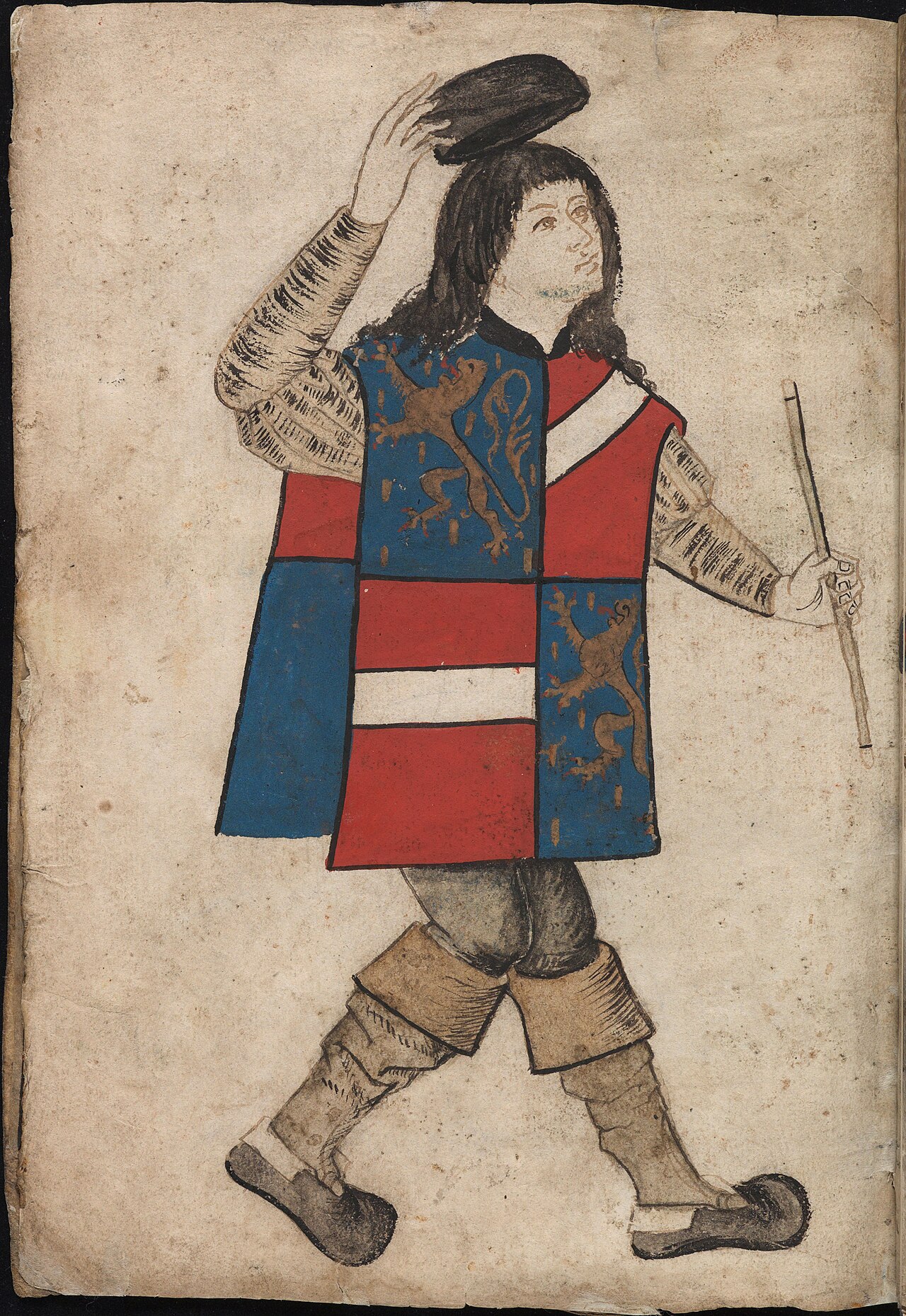
Wapenboek Nassau-Vianden
1490
A 1490 armorial manuscript recording the Nassau family's heraldry, documenting the dynastic inheritance that made William a great lord.
This Nassau family armorial records the dynastic inheritance that made William a major Netherlandish lord.
About this source
What it is
This illuminated manuscript, made around 1490, is an armorial or 'wapenboek' compiled by a herald of the Nassau-Vianden family, showing the coats of arms linked to the lordship of Engelbrecht II of Nassau. It is held today by the Royal Library of the Netherlands.
Why it matters
Heralds used manuscripts like this to record and identify noble families through their coats of arms, knowledge that mattered both on the battlefield and at tournaments. For William of Orange, born into the Nassau family generations later, this document is part of the long record of dynastic inheritance that gave him his lands, titles and standing among the nobility of the Low Countries.
Look closer
- Why was it important for heralds to be able to 'read' coats of arms?
- What does this manuscript suggest about how noble identity was recorded and passed down?
- How does a document made decades before William's birth still help us understand his position in society?
This book is part of the curated material that grounds the AI version of William the Silent on Humy.ai — when students ask about related events, the AI can quote it and cite it.
More William the Silent sources
Browse all 93 →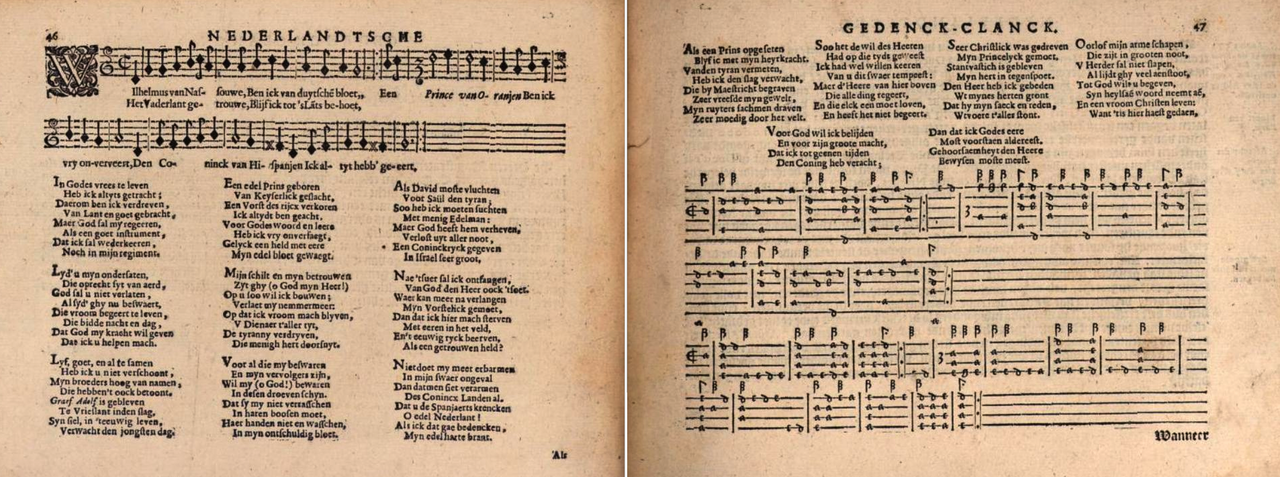 Document
Secondary source
Wilhelmus
Adrianus Valerius · 1572 (text); printed with music 1626
 Document
Primary source
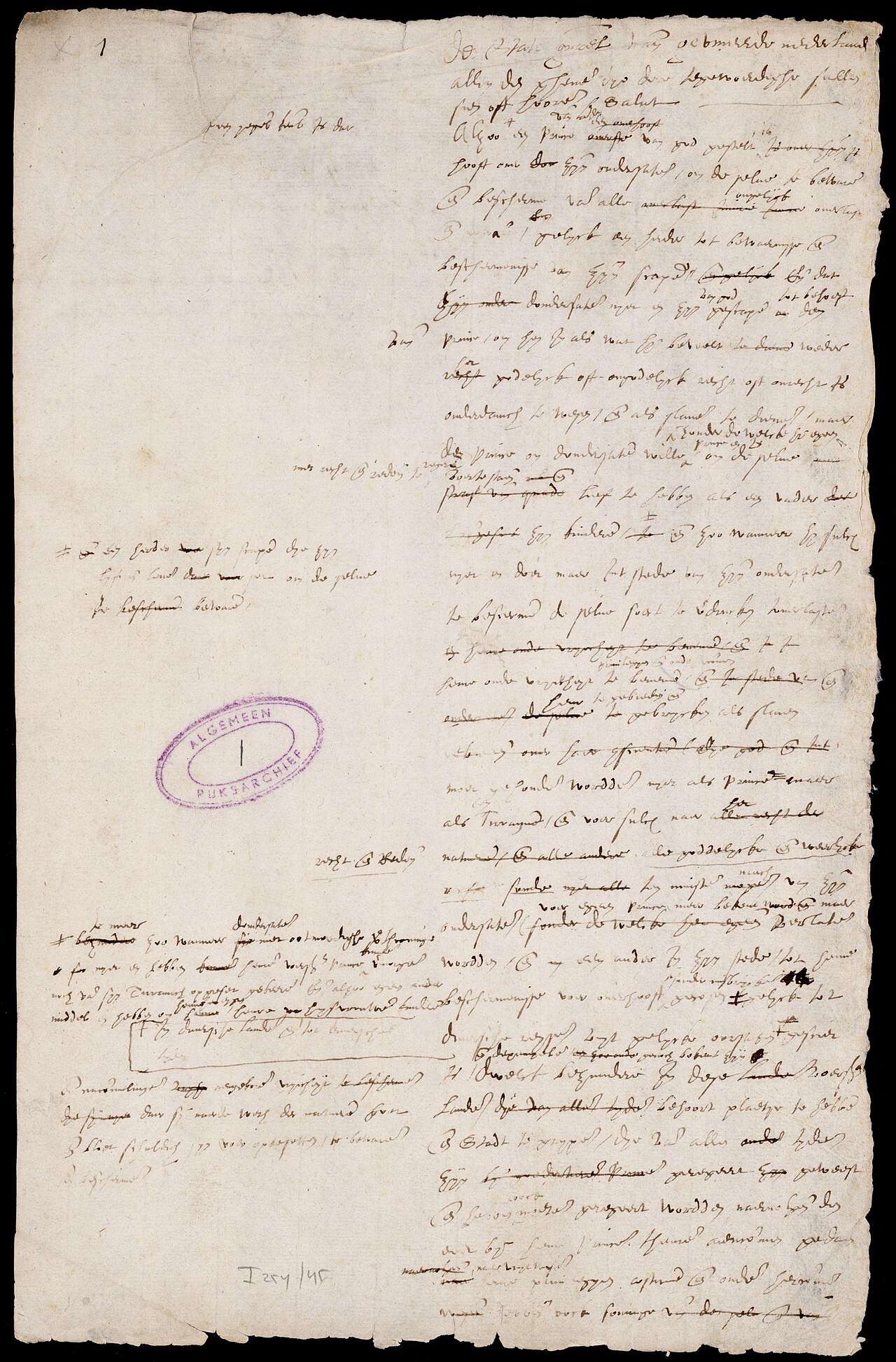
Act of Abjuration
Jan van Asseliers · 26 July 1581
 Artifact
Primary source
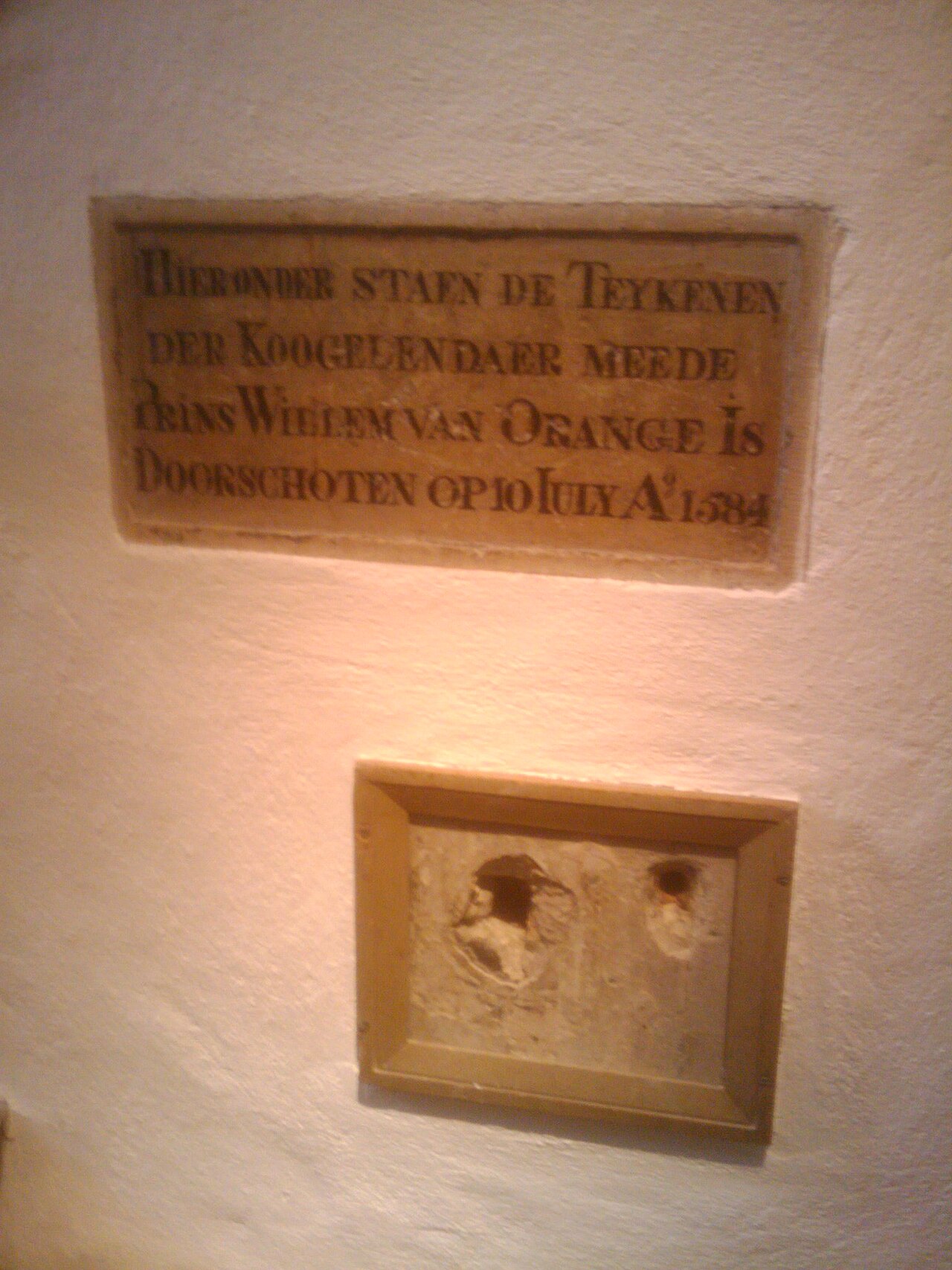
Prinsenhof, Delft
15th century (building); residence 1572–1584
 Painting
Primary source
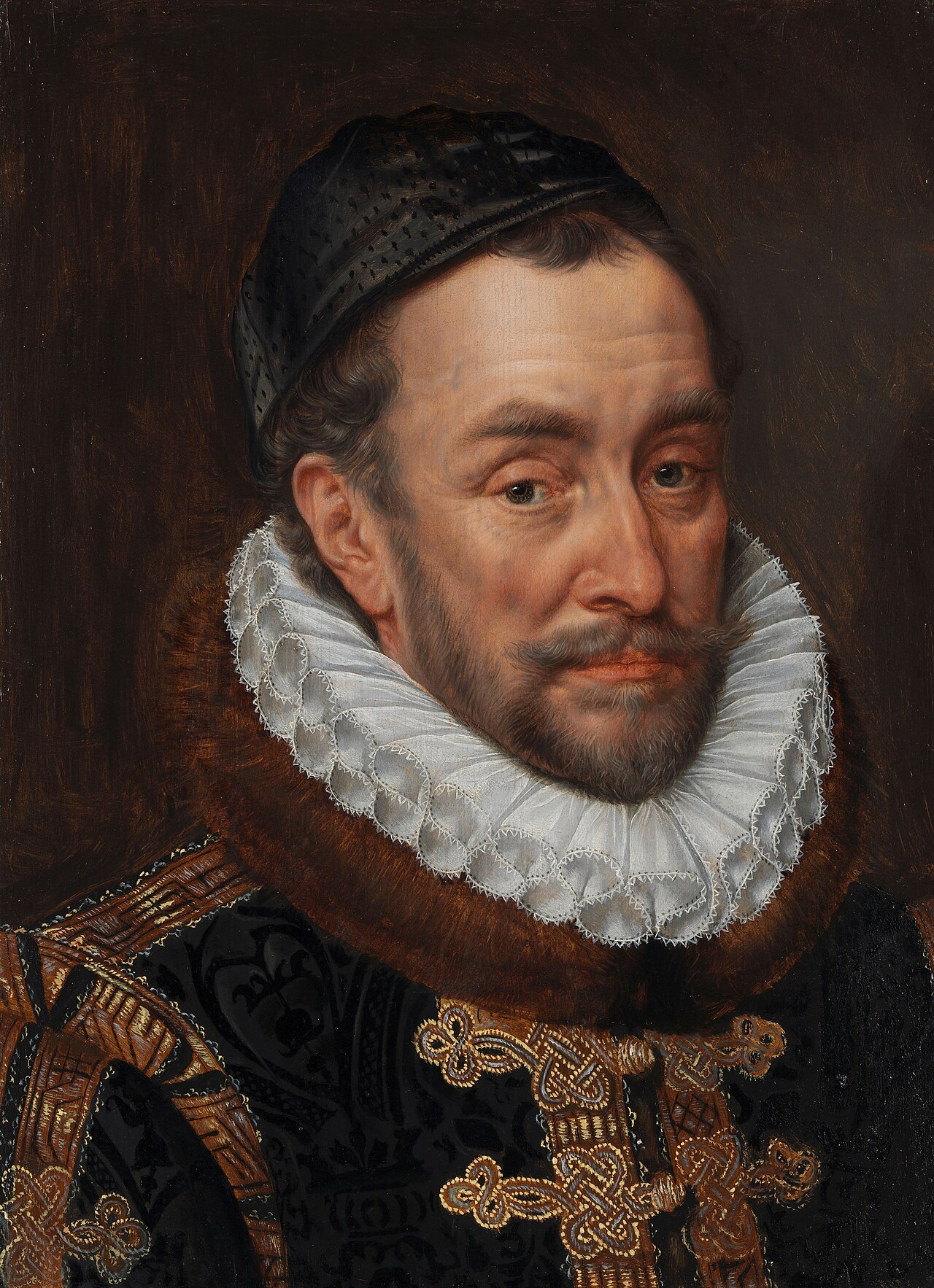
William I, Prince of Orange
Adriaen Thomasz. Key · 1579
Free account
Read every William the Silent source
Sign up free →
Ready when you are
Start chatting with William the Silent now.
20 messages free · No credit card · Available in 50+ languages.