


Secondary sourcePhotograph2024-03-02
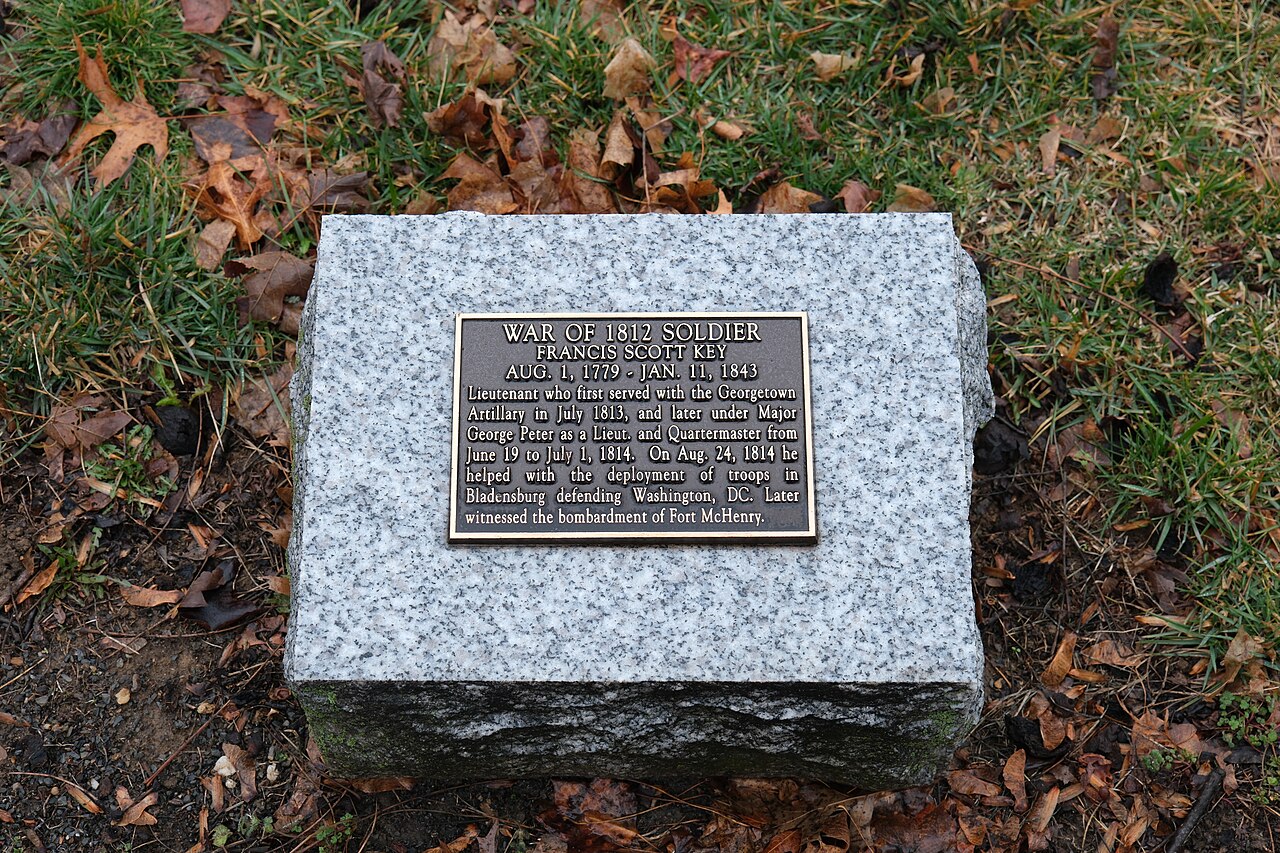
War of 1812 soldier marker at Key's grave
Engineerchange · 2024-03-02
A grey granite stone at Key's grave in Frederick, photographed in 2024, with a bronze plaque naming him a War of 1812 soldier with his life dates.
Shows how Key is commemorated at his grave as a War of 1812 figure, a modern label for his wartime role.
About this source
What it is
This is a photograph by Engineerchange, taken on March 2, 2024, of a grey granite stone block on grass with fallen autumn leaves at Mount Olivet Cemetery in Frederick, Maryland. A dark bronze plaque on its front reads 'WAR OF 1812 SOLDIER, FRANCIS SCOTT KEY' with his dates, Aug. 1, 1779 to Jan. 11, 1843, and a biography below it.
Why it matters
The marker presents Key as a War of 1812 soldier, a label that points to the war in which he wrote the poem that became The Star-Spangled Banner. The stone is a later memorial, so the title reflects how people in later years chose to describe his role. It is useful for showing how memory of the war has been shaped.
Look closer
- Why does this marker describe Key as a soldier, and what does that choice emphasize?
- What kinds of information does the biography on the bronze plaque likely include, and what might it leave out?
- How does a grave marker differ from a document Key wrote himself?
This photograph is part of the curated material that grounds the AI version of Francis Scott Key on Humy.ai — when students ask about related events, the AI can quote it and cite it.
More Francis Scott Key sources
Meet the AI Francis Scott Key →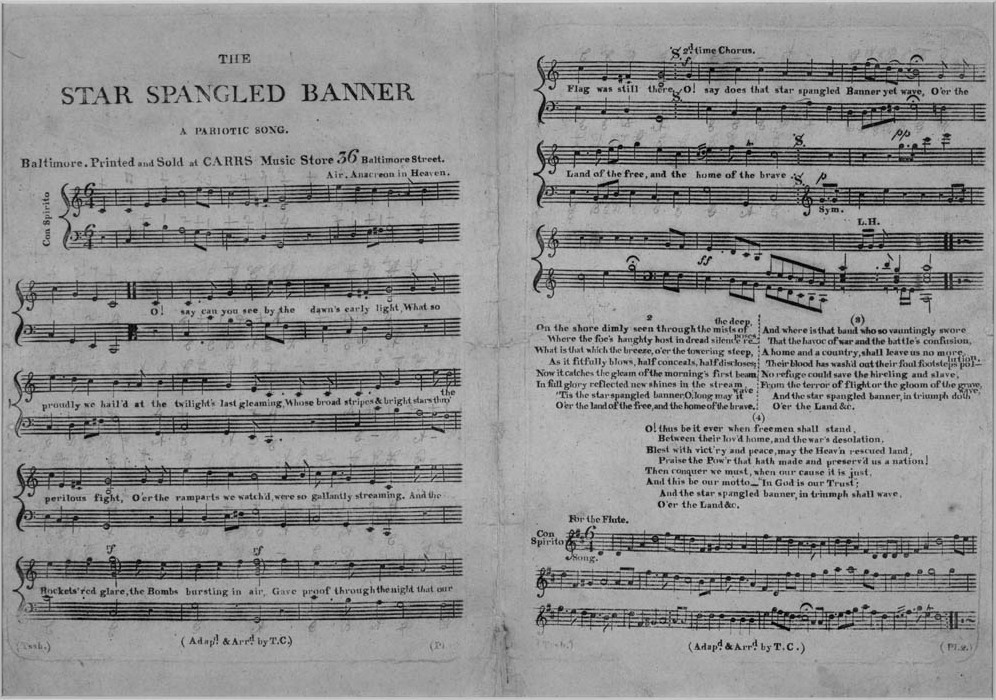 Document
Primary source
The Star-Spangled Banner
Francis Scott Key · 1814
 Artifact
Primary source
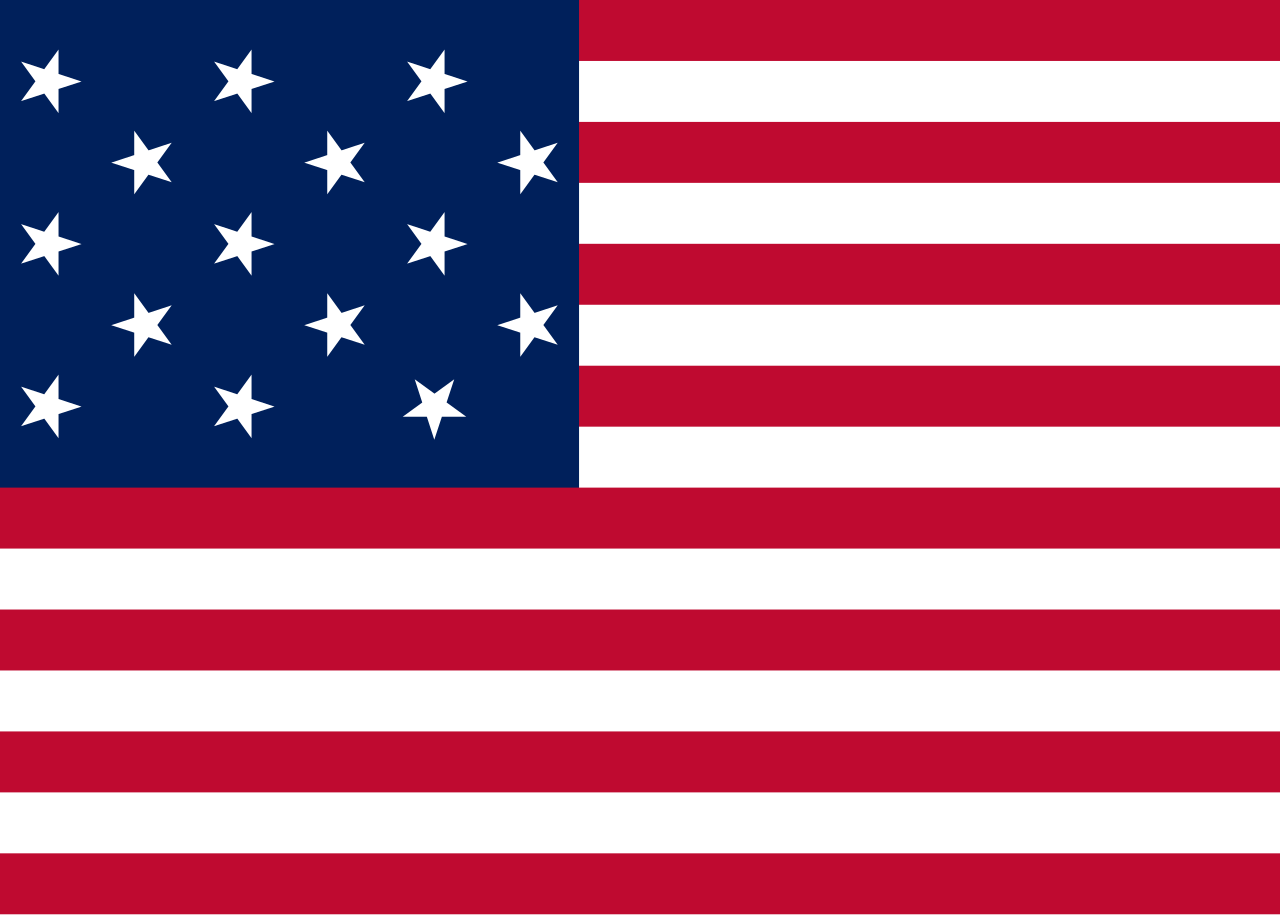
Star Spangled Banner Flag
Mary Young Pickersgill · 1813
 Painting
Primary source
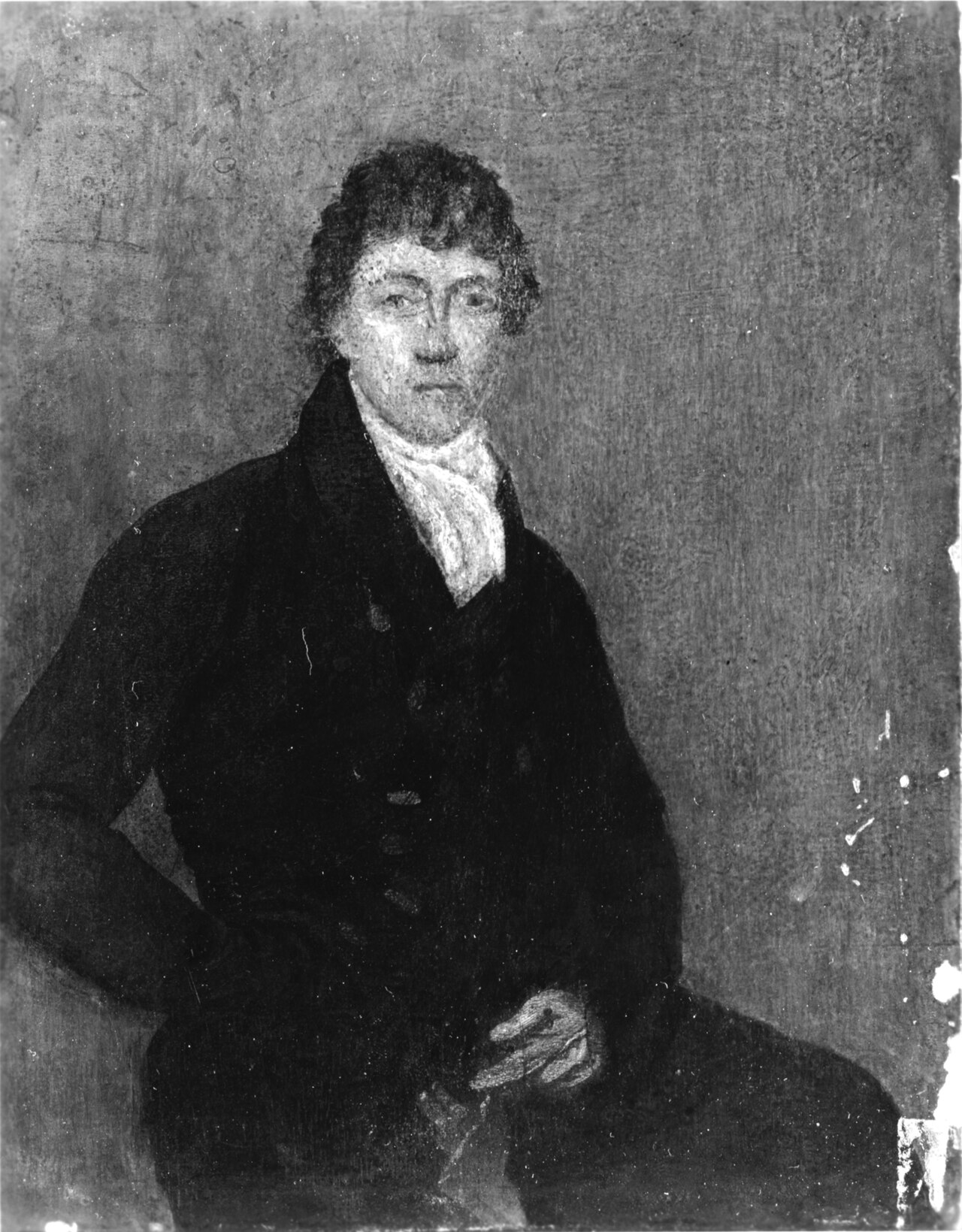
Francis Scott Key
Joseph Wood · 1850
 Document
Primary source
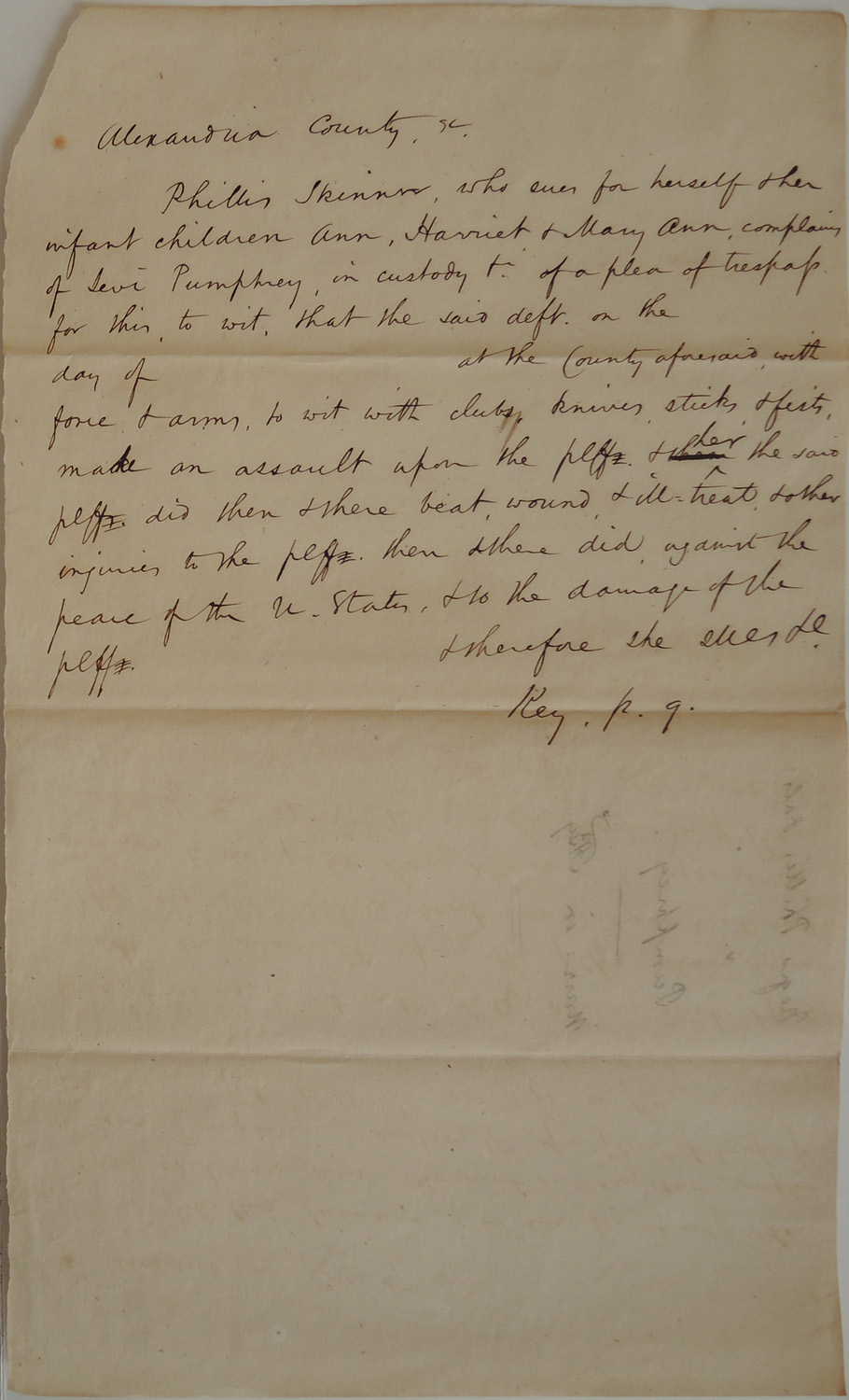
Phillis Shiner Freedom Petition
Francis Scott Key · 1 May 1833
 Document
Primary source
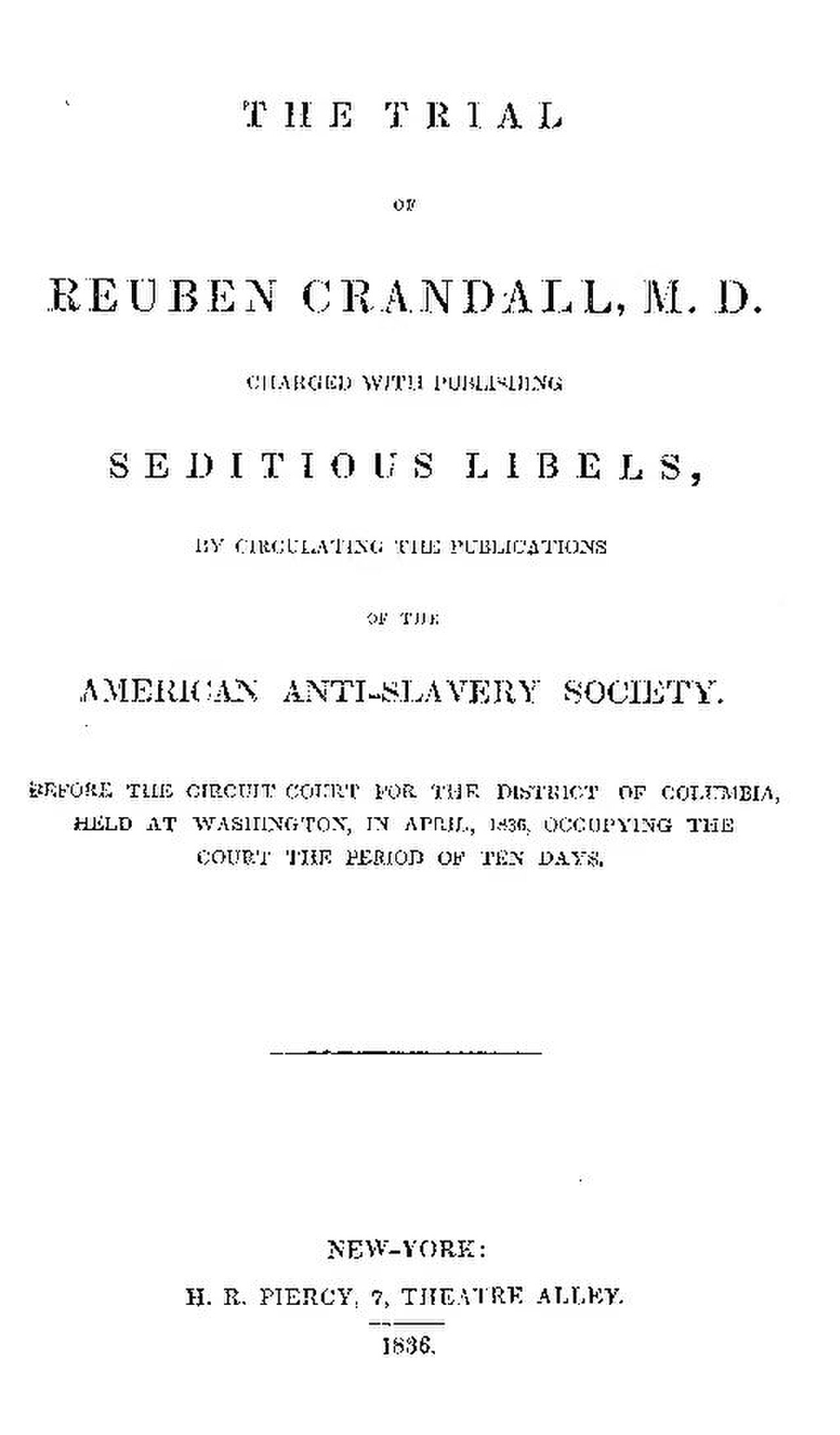
The Trial of Reuben Crandall, M.D., Charged with Publishing Seditious Libels
Court record (published Washington, 1836–37) · 1836-1837
Ready when you are
Start chatting with Francis Scott Key now.
20 messages free · No credit card · Available in 50+ languages.