


Primary sourceDocument1842
Wedding March
Felix Mendelssohn · 1842
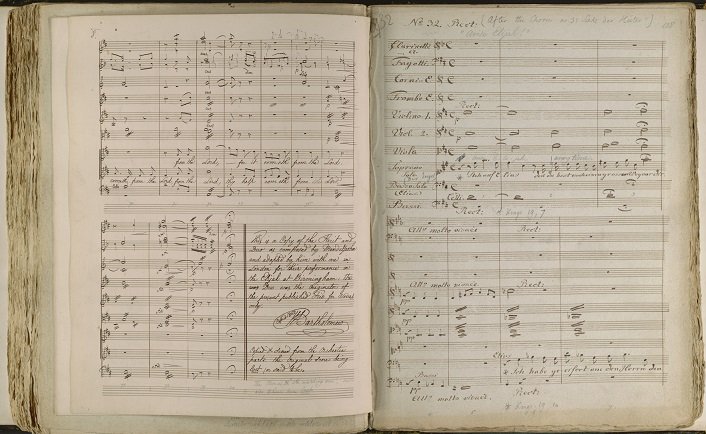
A piece from Mendelssohn's incidental music to A Midsummer Night's Dream, which became the world's best-known wedding recessional.
Composed by Mendelssohn as part of his incidental music, this piece became one of his most famous works worldwide.
About this source
What it is
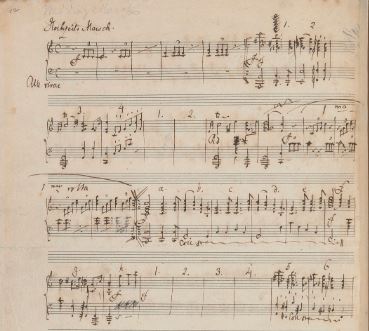
The "Wedding March" in C major was written by Felix Mendelssohn in 1842 as part of his incidental music, Op. 61, to Shakespeare's A Midsummer Night's Dream. This autograph arrangement is for piano.
Why it matters
Though written for a play, the march became hugely popular as a real wedding recessional after Princess Victoria, daughter of Queen Victoria, chose it for her wedding in 1858. Its lasting fame shows how Mendelssohn's music moved beyond the concert hall into everyday life, and how closely tied he became to British royal and public taste.
Look closer
- What does the piece's original purpose, as theatre music, tell us about how music can change meaning over time?
- Why might a royal wedding have made this piece so widely known?
- What do the handwritten fingerings and annotations suggest about how this arrangement was used?
This document is part of the curated material that grounds the AI version of Felix Mendelssohn on Humy.ai — when students ask about related events, the AI can quote it and cite it.
More Felix Mendelssohn sources
Browse all 94 →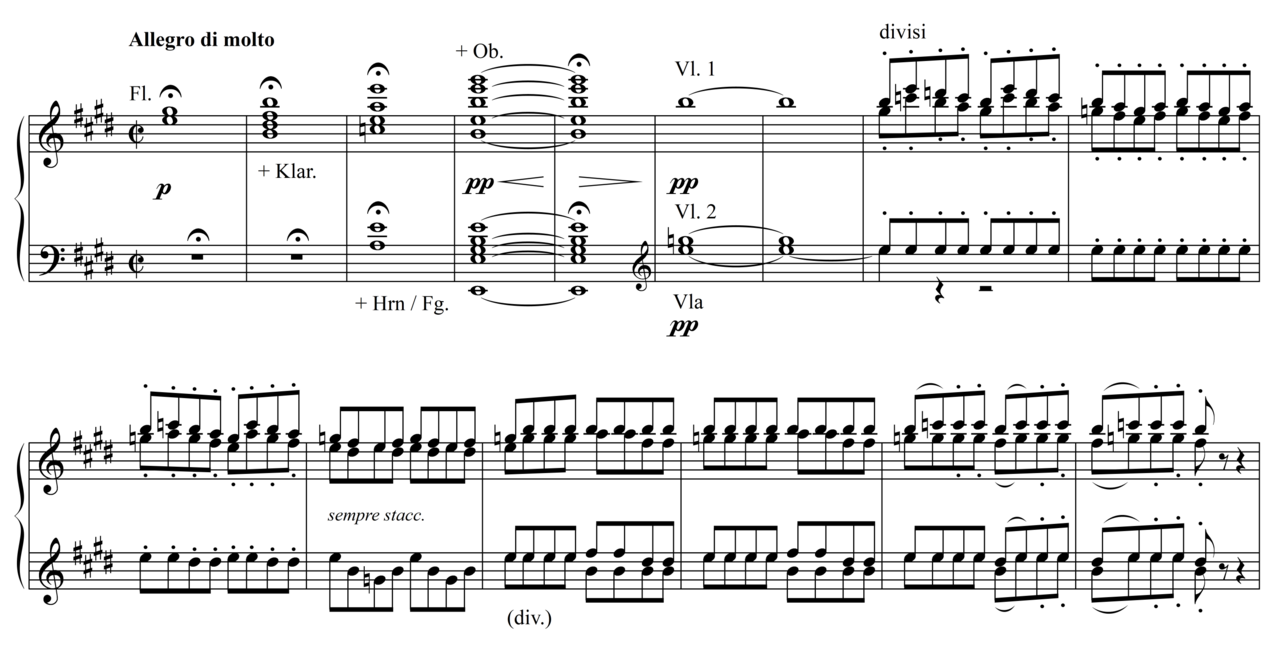 Document
Primary source
A Midsummer Night's Dream Overture
Felix Mendelssohn · 1826
 Document
Primary source
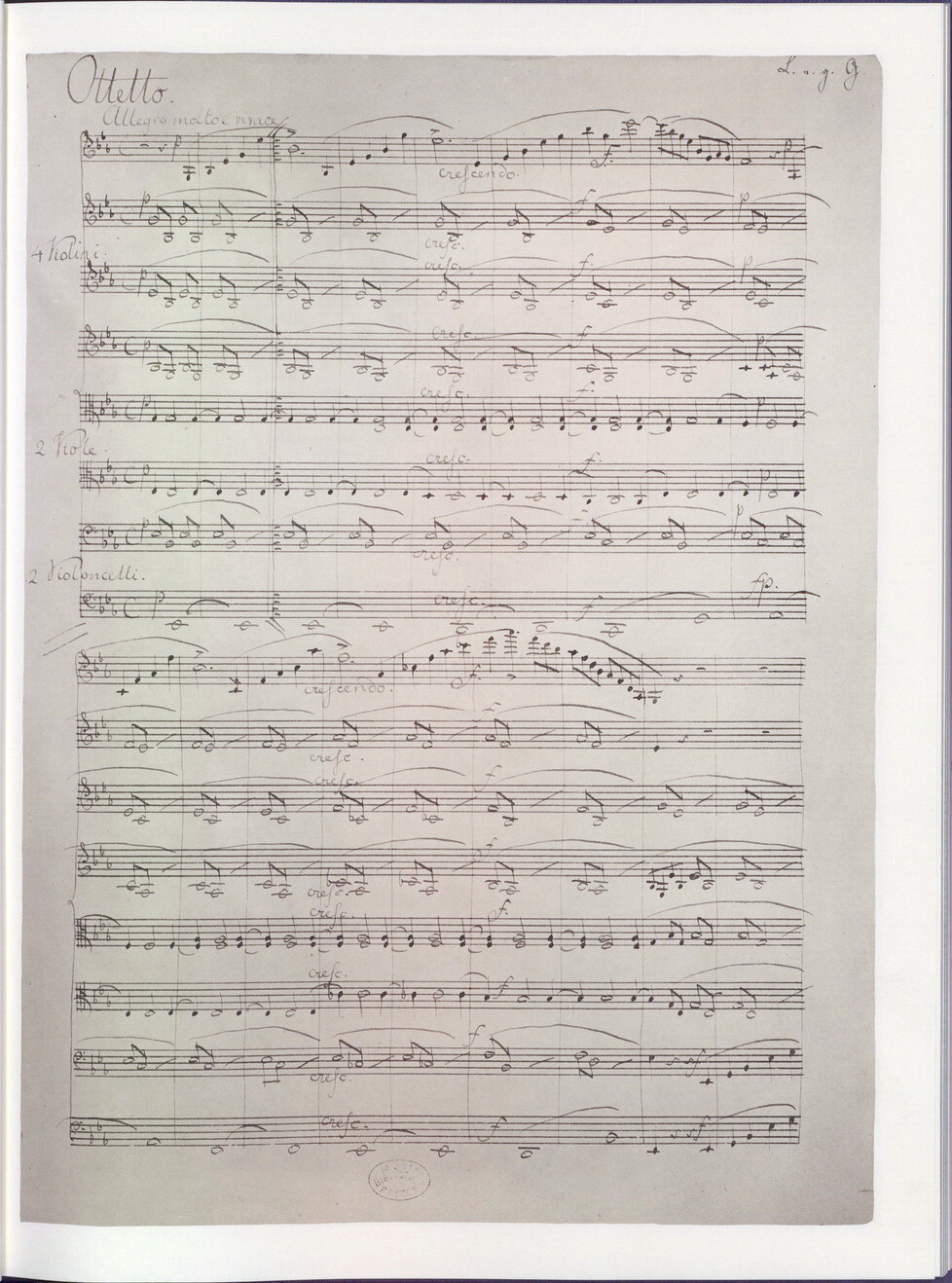
Octet in E-flat Major
Felix Mendelssohn · 1825
 Document
Primary source
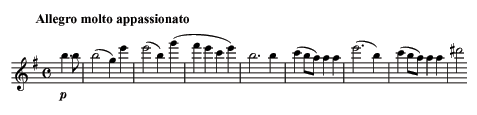
Violin Concerto in E minor
Felix Mendelssohn · 1844
 Document
Primary source
The Hebrides
Felix Mendelssohn · 1830, revised 1832
Free account
Read every Felix Mendelssohn source
Sign up free →
Ready when you are
Start chatting with Felix Mendelssohn now.
20 messages free · No credit card · Available in 50+ languages.