


Primary sourcePainting1673
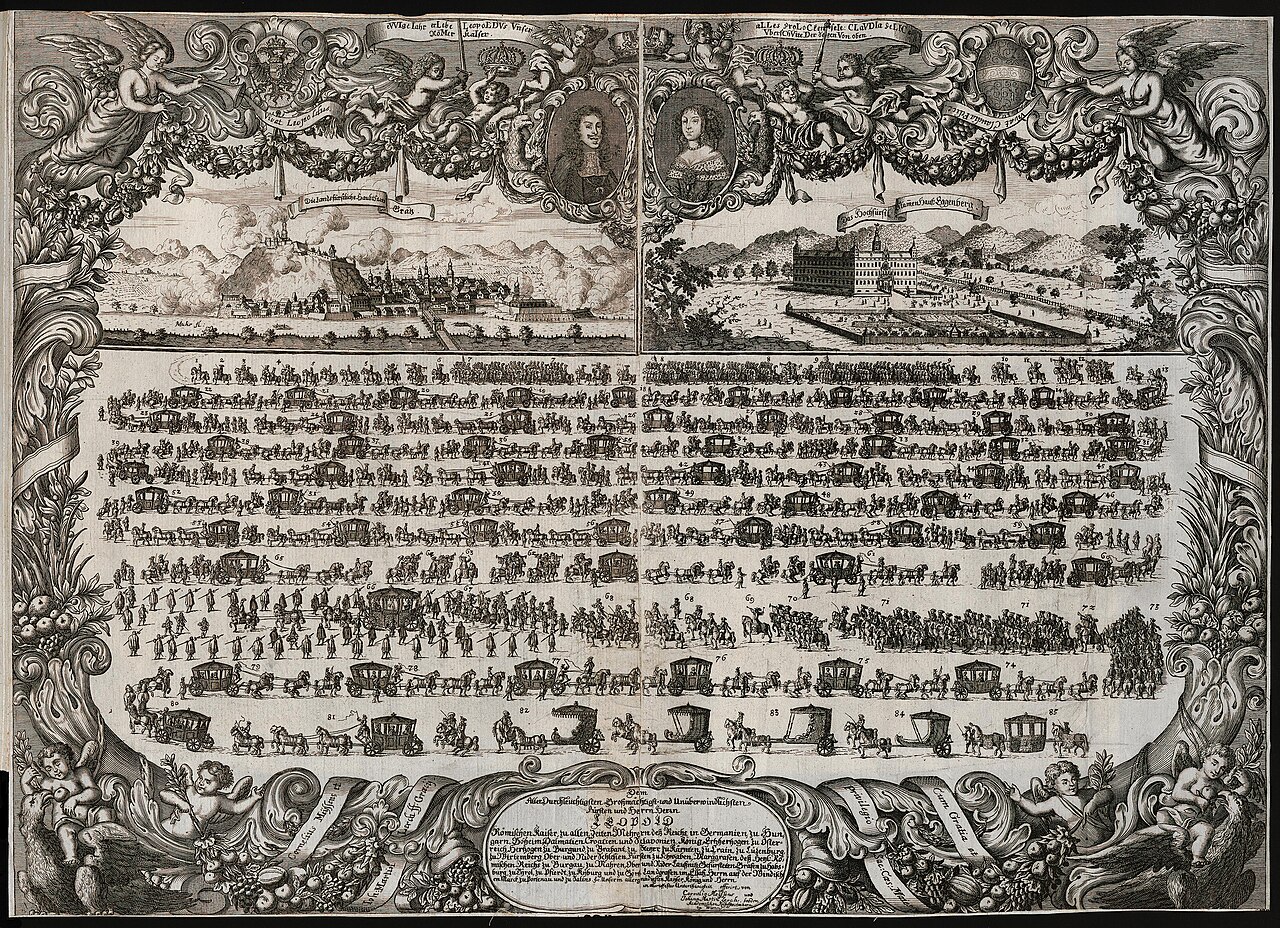
Wedding procession of Leopold I and Claudia Felicitas, Graz 1673
Cornelis Meyssens / Johann Martin Lerch · 1673
A contemporary engraved print of the festive procession held in Graz in 1673 for the wedding of Leopold I and Claudia Felicitas. It has portrait medallions of the couple.
Shows Leopold as the groom in a procession for his wedding to Claudia Felicitas, marked in print for the court.
About this source
What it is
This is a printed engraving of a wedding procession held for the marriage of Emperor Leopold I and Claudia Felicitas of Austria-Tyrol. The Commons record gives the event as taking place in Graz on 15 October 1673. Its top corners show portrait medallions of the bride and groom, with a view of Graz at upper left and the Schloss Eggenberg at upper right. The print is taken from a scrapbook volume in the Fürstlich Waldeckschen Hofbibliothek in Arolsen. The creators are listed as Cornelis Meyssens and Johann Martin Lerch.
Why it matters
Processions like this one were a visible way for a dynasty to display rank and to link a marriage with a city. Printed images let people who were far away see the event. The print also records how two places, the city and a palace, were used as settings for the royal celebration.
Look closer
- Who is shown in the portrait medallions, and why might they be placed above the procession?
- What does the long line of riders and carriages suggest about the order and status of the people taking part?
- What does the print leave out, such as the crowds or the experiences of those who watched from the street?
This painting is part of the curated material that grounds the AI version of Leopold I, Holy Roman Emperor on Humy.ai — when students ask about related events, the AI can quote it and cite it.
More Leopold I, Holy Roman Emperor sources
Browse all 92 →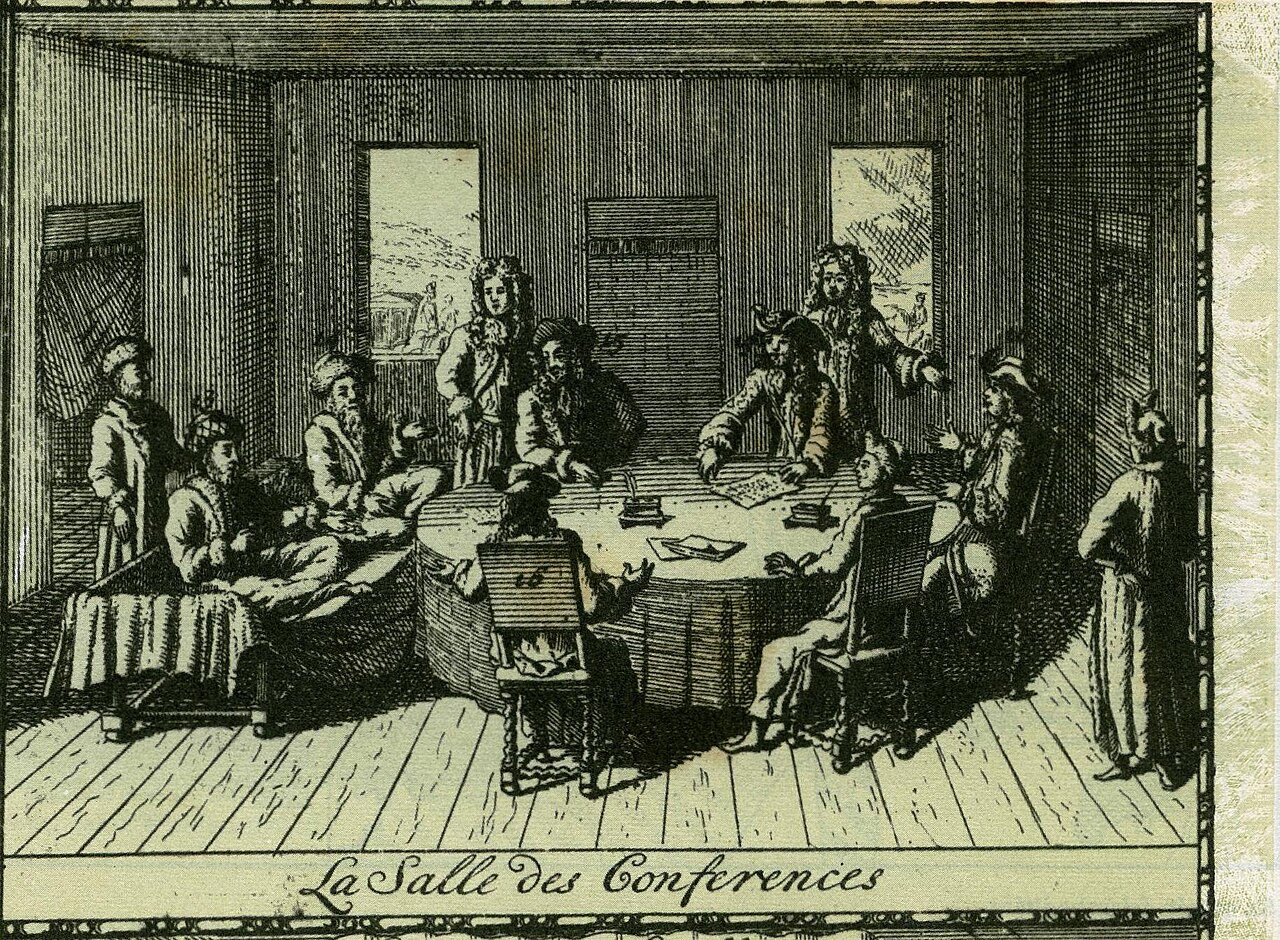 Document
Primary source
Treaty of Karlowitz
26 January 1699
 Sculpture
Primary source
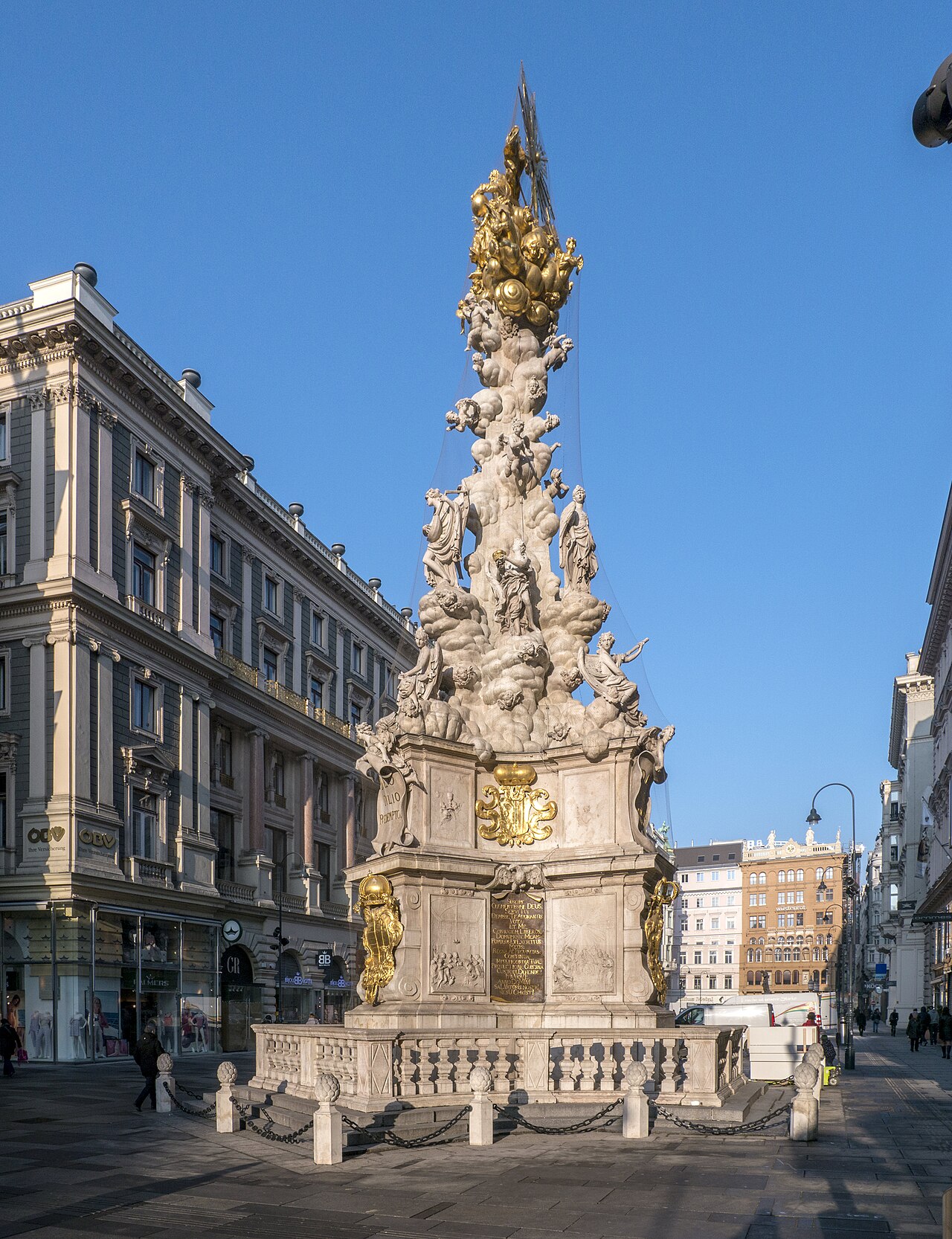
Pestsäule
Johann Bernhard Fischer von Erlach · 1679-1694
 Document
Primary source
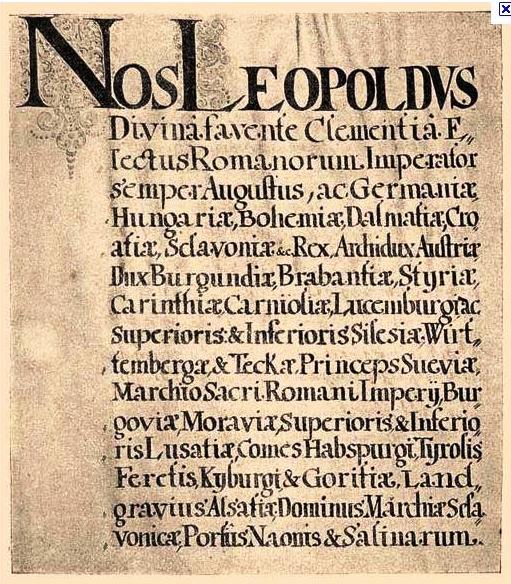
Diploma Leopoldinum
Leopold I, Holy Roman Emperor · 1690
 Painting
Primary source
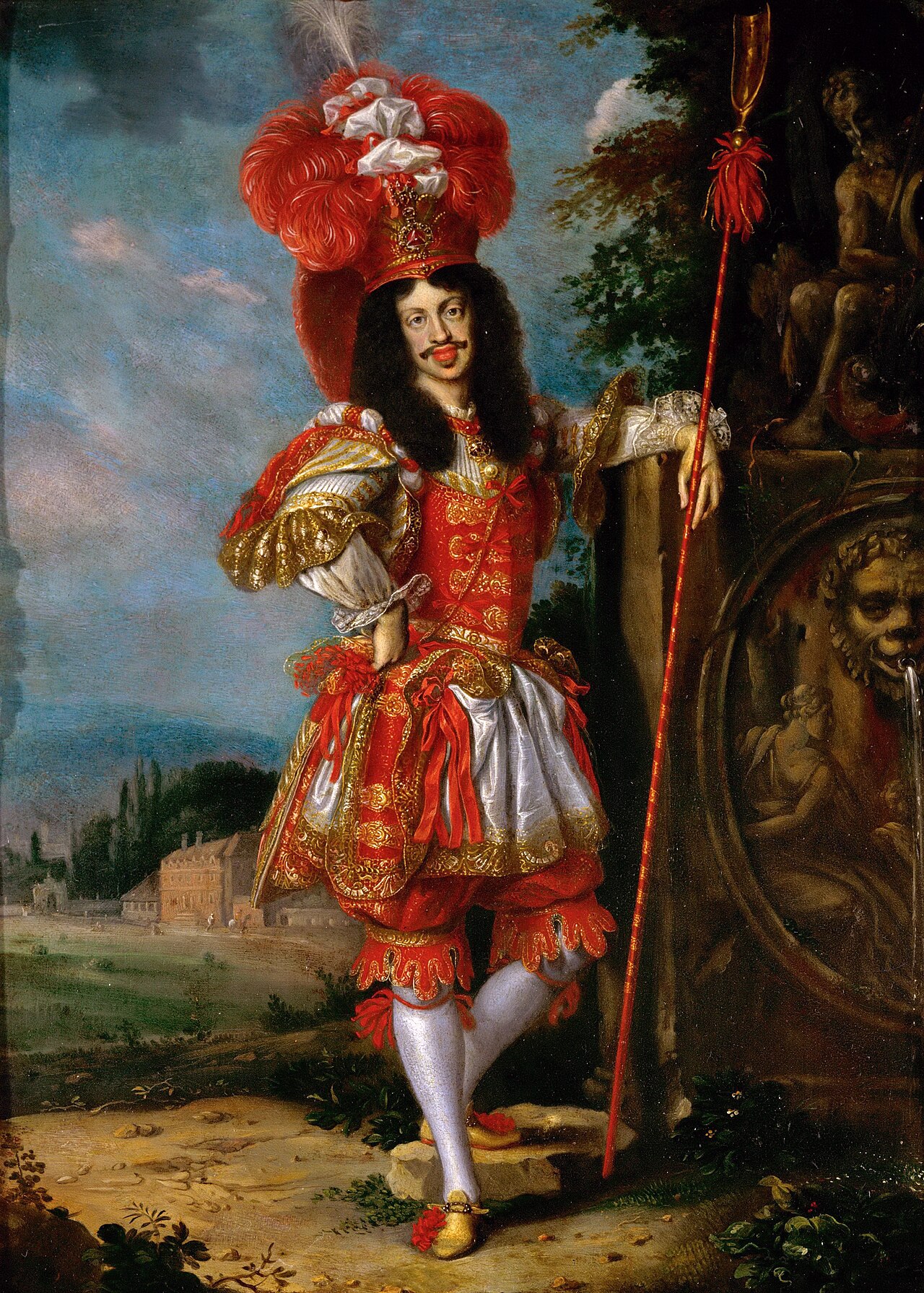
Leopold I as Acis in La Galatea
Jan Thomas van Ieperen · 1667
Free account
Read every Leopold I, Holy Roman Emperor source
Sign up free →
Ready when you are
Start chatting with Leopold I, Holy Roman Emperor now.
20 messages free · No credit card · Available in 50+ languages.