


Primary sourcePainting1918
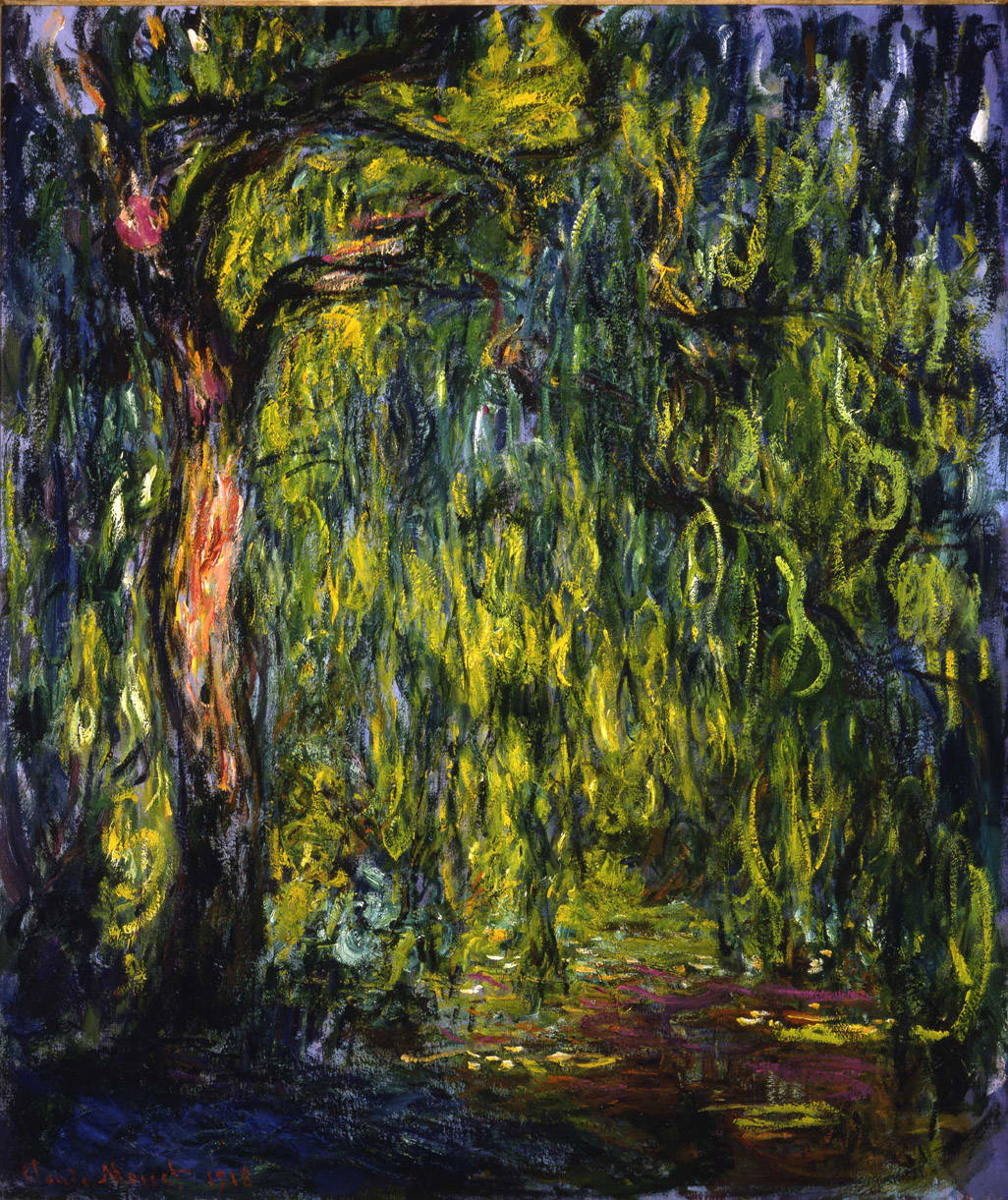
Weeping Willow
Claude Monet · 1918
A 1918 Monet painting of a weeping willow tree from his water garden at Giverny, made during the First World War.
Monet painted this willow at Giverny late in life, during the war and amid his declining eyesight.
About this source
What it is
An oil painting made in 1918 by Claude Monet, depicting a weeping willow growing beside his water garden pond at Giverny. It is now held by the Columbus Museum of Art.
Why it matters
This painting is part of a series Monet made of this same willow tree. Made during the First World War, these willow paintings are often read as expressions of mourning for the war, while their loose, free brushwork is also connected to Monet's failing eyesight in his later years. Together they show how an artist's personal circumstances and historical events can shape even a quiet garden scene.
Look closer
- How does the loose, blurred brushwork affect the mood of the painting?
- Why might people connect a painting of a willow tree to the sadness of wartime?
- What might Monet's changing eyesight have to do with how this picture looks?
This painting is part of the curated material that grounds the AI version of Claude Monet on Humy.ai — when students ask about related events, the AI can quote it and cite it.
More Claude Monet sources
Meet the AI Claude Monet →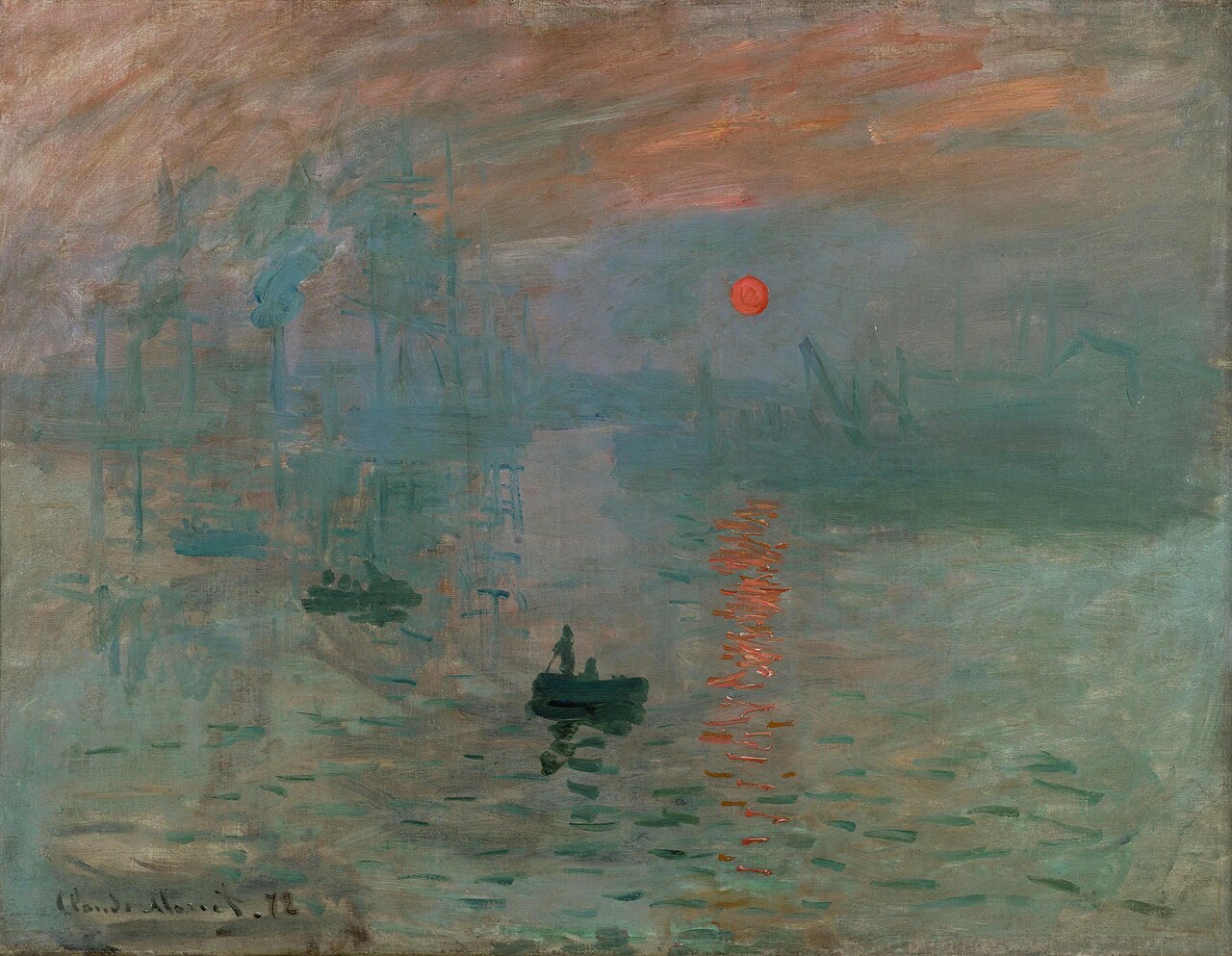 Painting
Primary source
Impression, Sunrise
Claude Monet · 1872
 Painting
Primary source
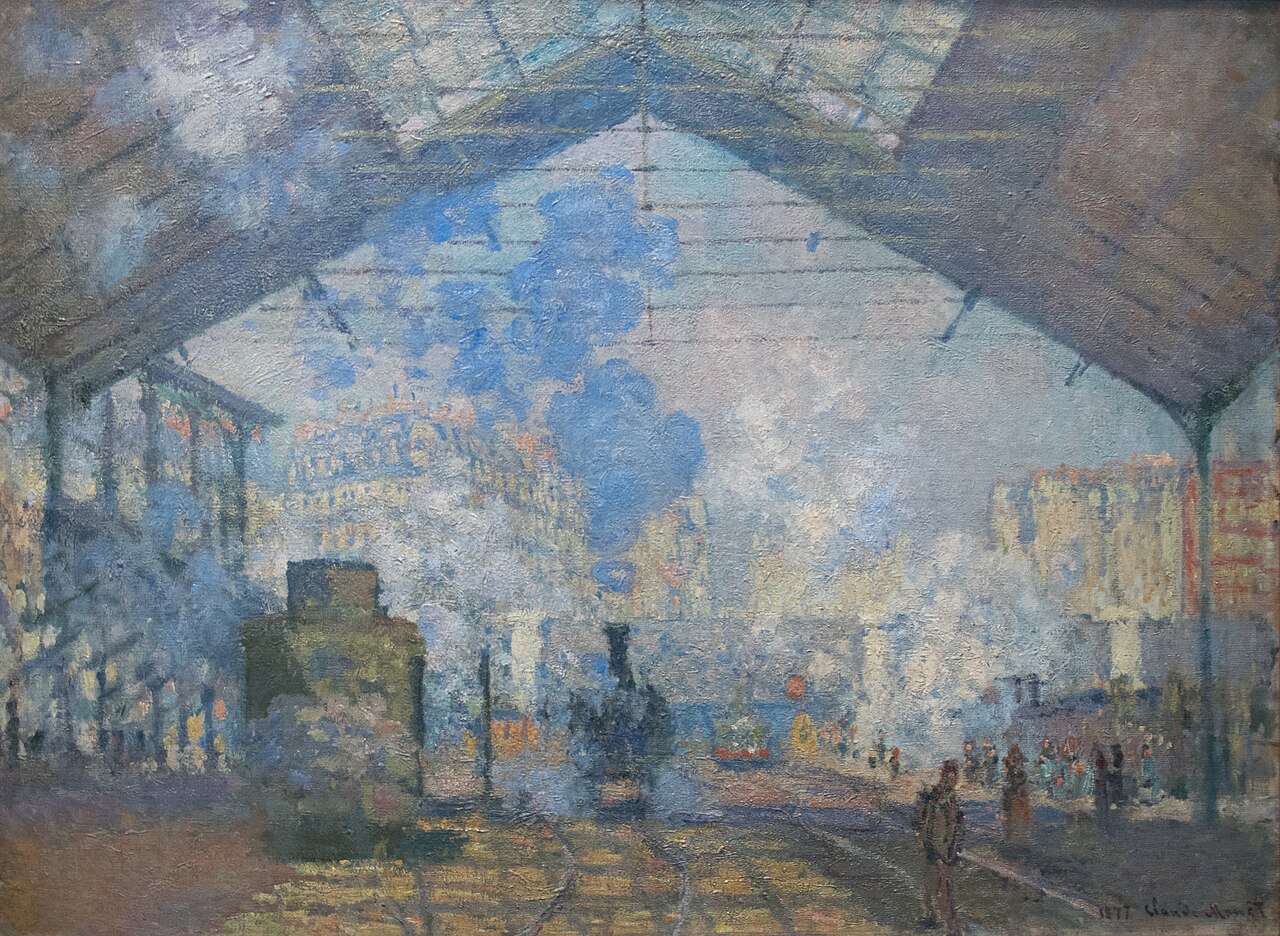
La Gare Saint-Lazare
Claude Monet · 1877
 Painting
Primary source
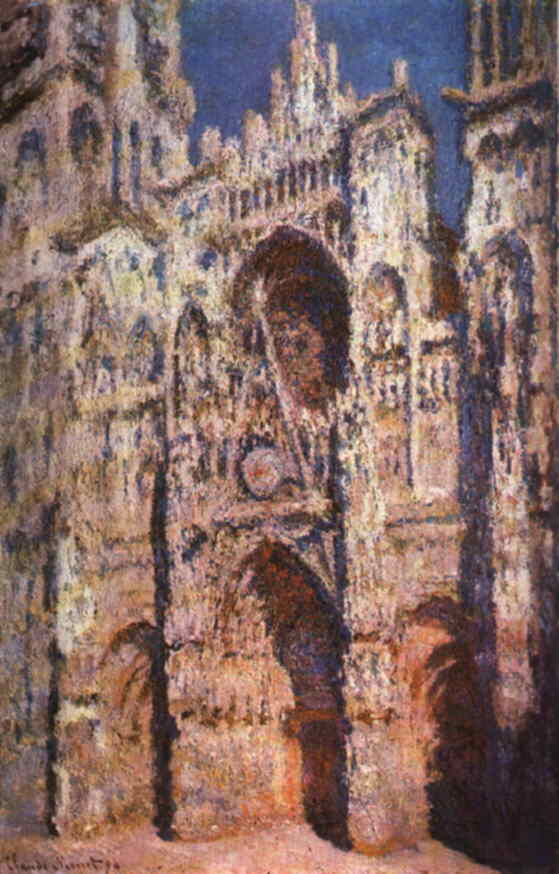
Rouen Cathedral Series
Claude Monet · 1892-1894
 Painting
Primary source
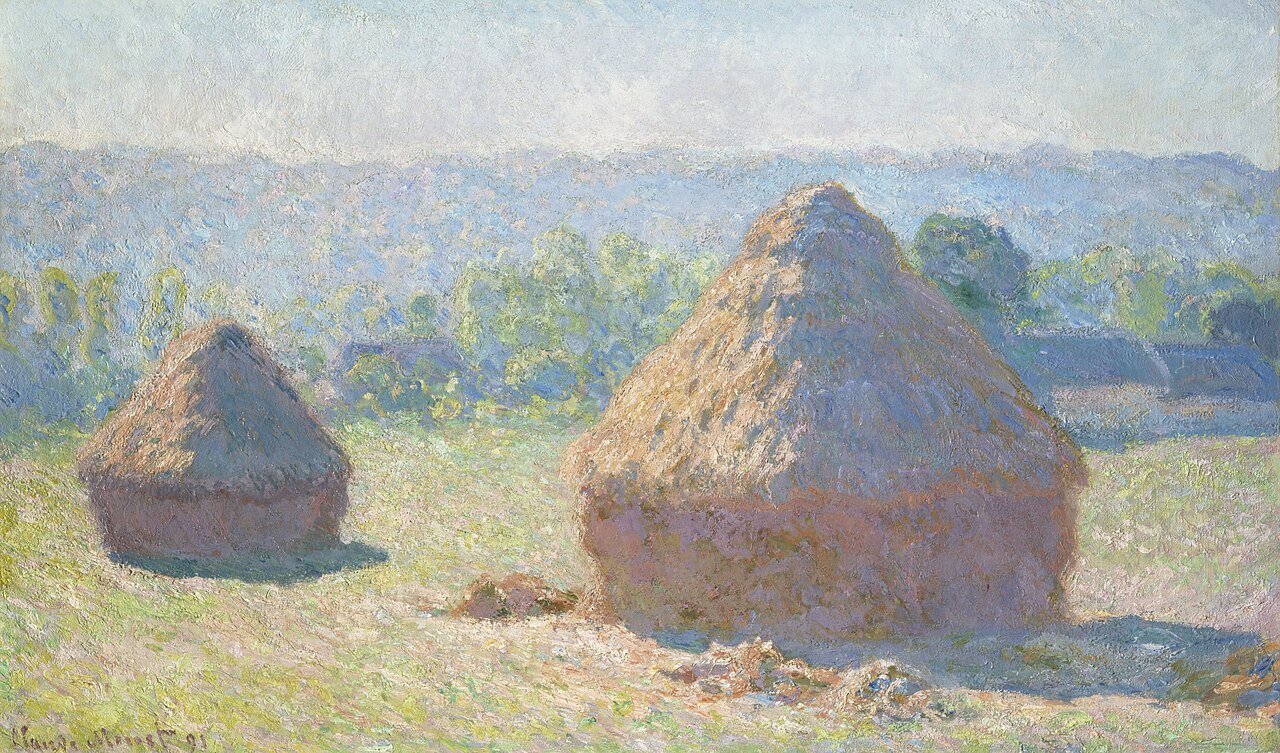
Haystacks
Claude Monet · 1890-1891
 Painting
Primary source
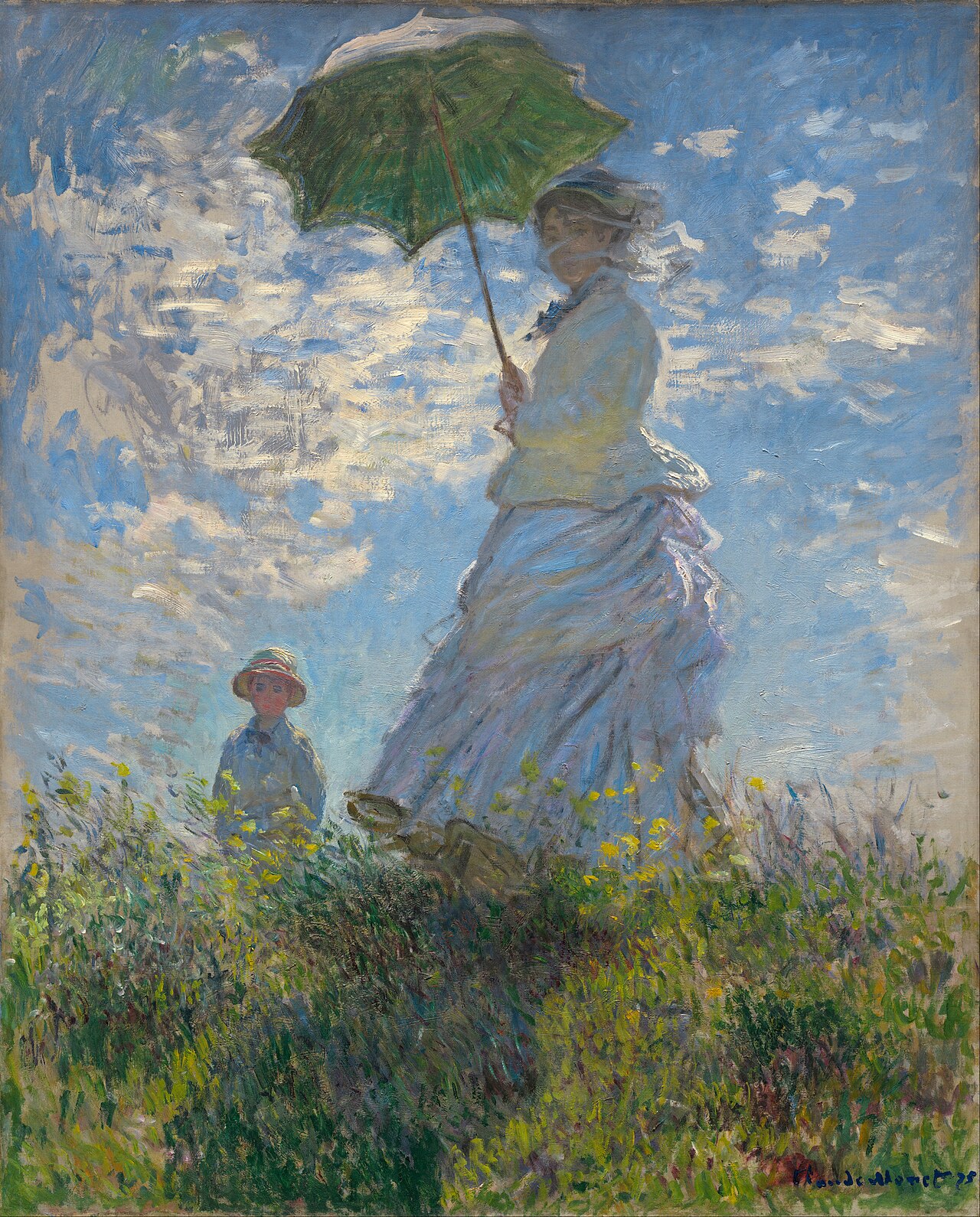
Woman with a Parasol – Madame Monet and Her Son
Claude Monet · 1875
Ready when you are
Start chatting with Claude Monet now.
20 messages free · No credit card · Available in 50+ languages.