


Primary sourceSpeech2 April 1829
Wellington's House of Lords Speech on Catholic Emancipation
Arthur Wellesley, 1st Duke of Wellington · 2 April 1829
Wellington's 1829 speech in the House of Lords arguing for Catholic emancipation, delivered as Prime Minister.
Wellington delivered this speech himself as Prime Minister, explaining his reasoning for Catholic emancipation.
Free Humy account · No credit card · 120,912 sources to read
About this source
What it is
This is the record, preserved in Hansard, of a speech Wellington gave in the House of Lords on 2 April 1829, moving the second reading of the Catholic emancipation bill. In it, Wellington explains his reasons for supporting a measure that removed many restrictions on Catholics in Britain and Ireland, even though it put him at odds with many of his own political allies.
Why it matters
The speech reveals how Wellington, famous as a soldier, approached politics with the same practical reasoning he used in war: he feared that refusing emancipation risked civil war in Ireland. It shows a dramatic change of position by a leading Prime Minister, and how personal duty could override party loyalty and the opinions of friends and colleagues in Parliament.
Look closer
- Why does Wellington spend so much time explaining his own conduct rather than just the bill itself?
- What does his choice of words suggest about the risks he believed Britain faced?
- How might someone opposed to emancipation have responded to this speech?
This speech is part of the curated material that grounds the AI version of Duke of Wellington (Arthur Wellesley) on Humy.ai — when students ask about related events, the AI can quote it and cite it.
More Duke of Wellington (Arthur Wellesley) sources
Browse all 94 →Primary source
Duke of Wellington's Dispatch, to Earl Bathurst
Arthur Wellesley, 1st Duke of Wellington · 19 June 1815
 Document
Primary source
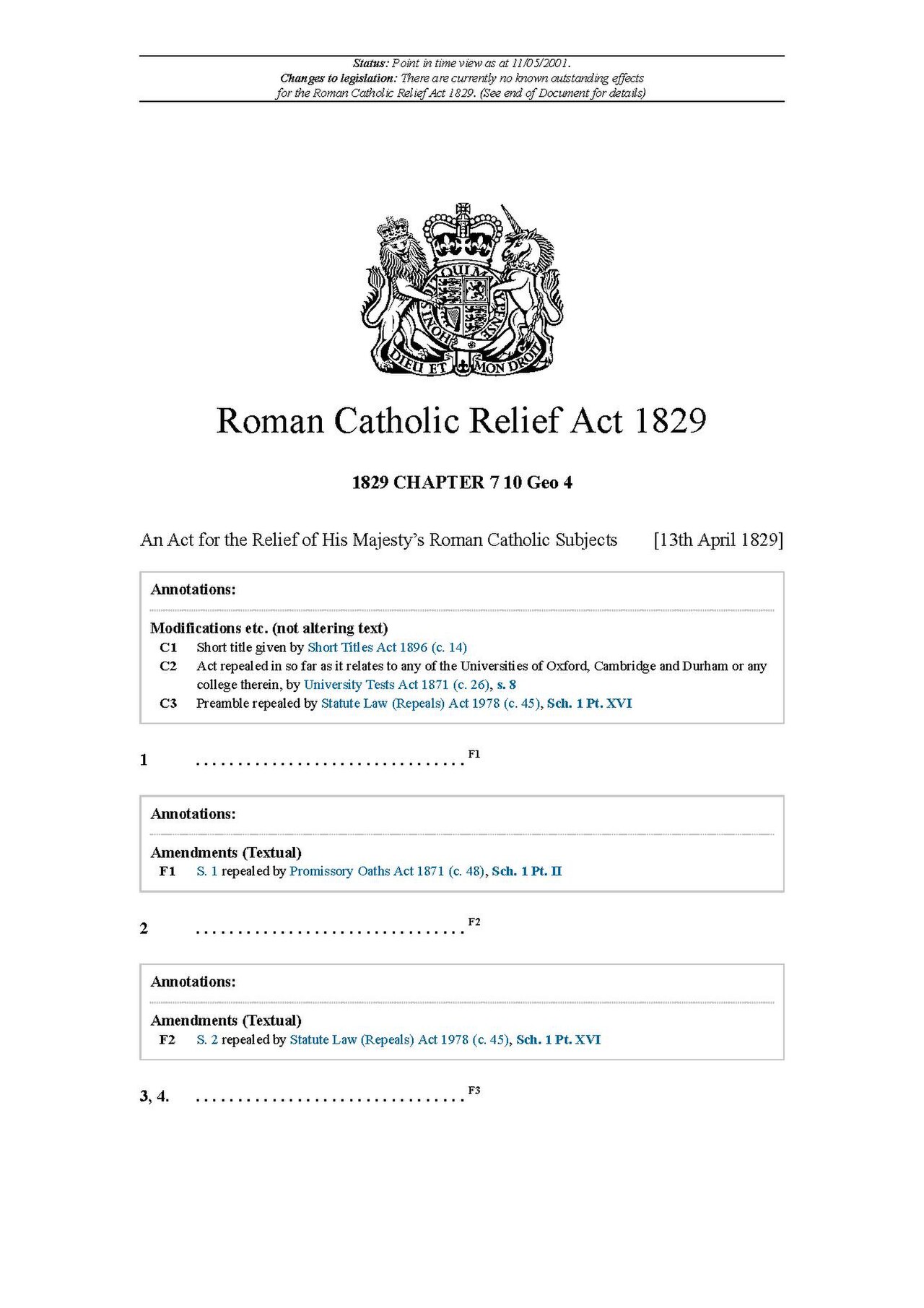
Roman Catholic Relief Act 1829
1829
 Photograph
Primary source
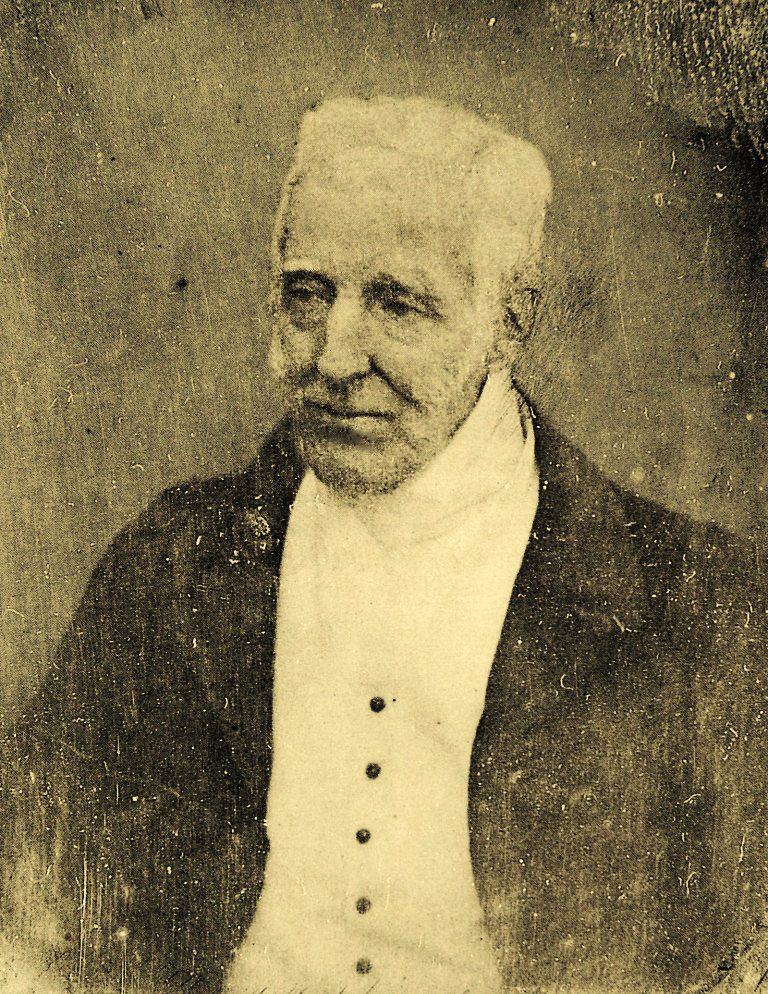
Duke of Wellington Photo cleaned
Antoine Claudet · 1844
 Book
Primary source
The Dispatches of Field Marshal the Duke of Wellington
Arthur Wellesley, 1st Duke of Wellington · 1834-1839
Free account
Read every Duke of Wellington (Arthur Wellesley) source
Sign up free →
Ready when you are
Start chatting with Duke of Wellington (Arthur Wellesley) now.
20 messages free · No credit card · Available in 50+ languages.