


Secondary sourcePhotograph2009-02-21
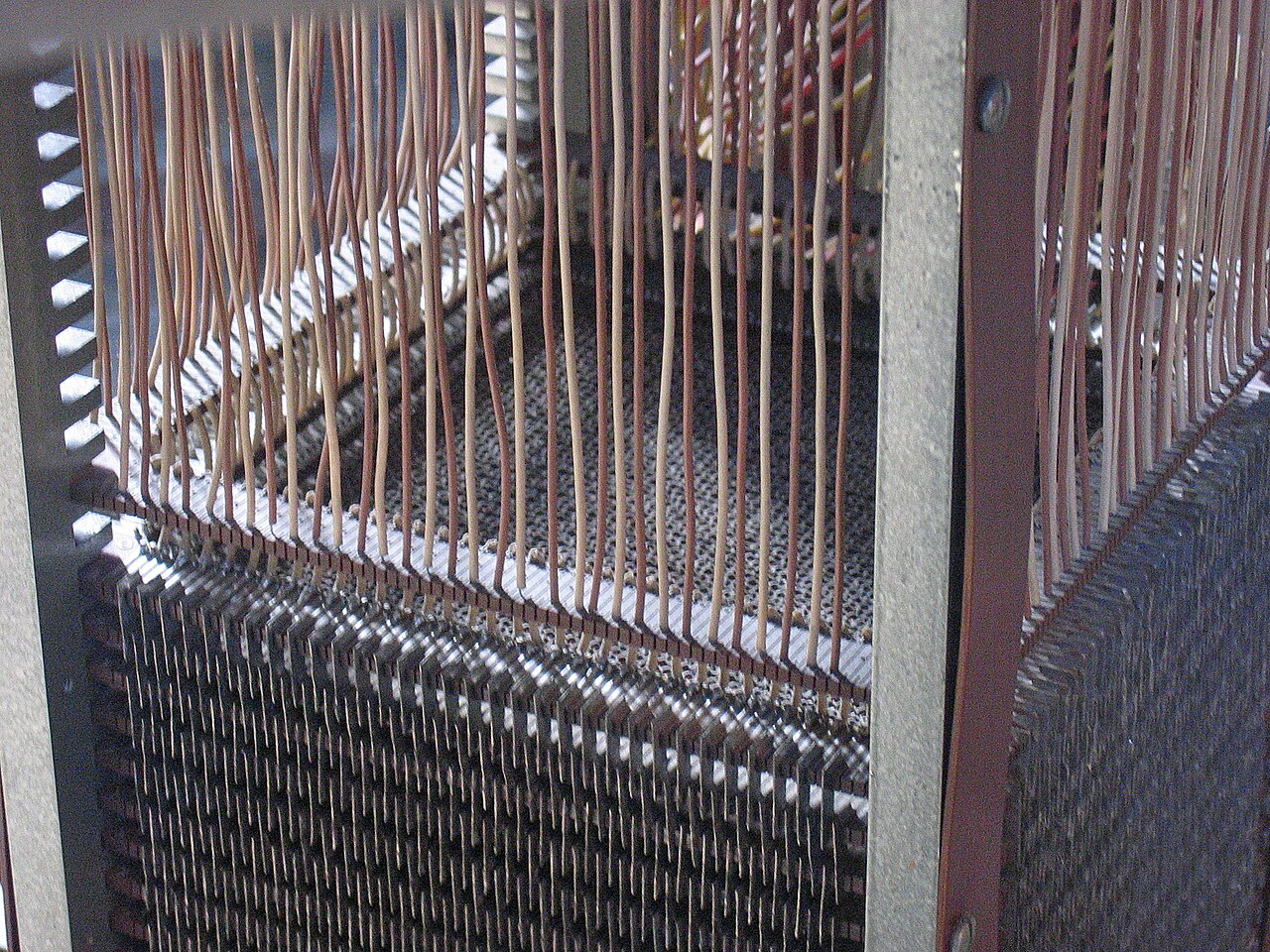
Whirlwind Core Memory Planes, Charles River Museum
Dpbsmith · 2009-02-21
A photograph of core memory planes from Project Whirlwind, the project that Rochester's engineering group contributed to.
Shows core memory from Project Whirlwind, which Rochester's engineering group helped develop.
About this source
What it is
This is a photograph, taken in 2009, of core memory planes from Project Whirlwind's core memory unit, displayed at the Charles River Museum of Industry in Waltham, Massachusetts. The rack is labeled "Bank C, Side 4" and shows fine wires threaded through a grid of small ferrite cores.
Why it matters
Core memory was an important early computer memory technology, and this unit was part of the Whirlwind project at MIT, to which Nathaniel Rochester's engineering group contributed. The image shows the painstaking, wire-by-wire construction behind early computer memory, work very different from today's memory chips.
Look closer
- What does the fine wiring suggest about how much manual labor went into building early computer memory?
- Why do you think the rack was labeled "Bank C, Side 4"? What might that tell you about the scale of the machine?
- What can't you learn about how Whirlwind's memory worked just from looking at this photo?
This photograph is part of the curated material that grounds the AI version of Nathaniel Rochester on Humy.ai — when students ask about related events, the AI can quote it and cite it.
More Nathaniel Rochester sources
Browse all 25 →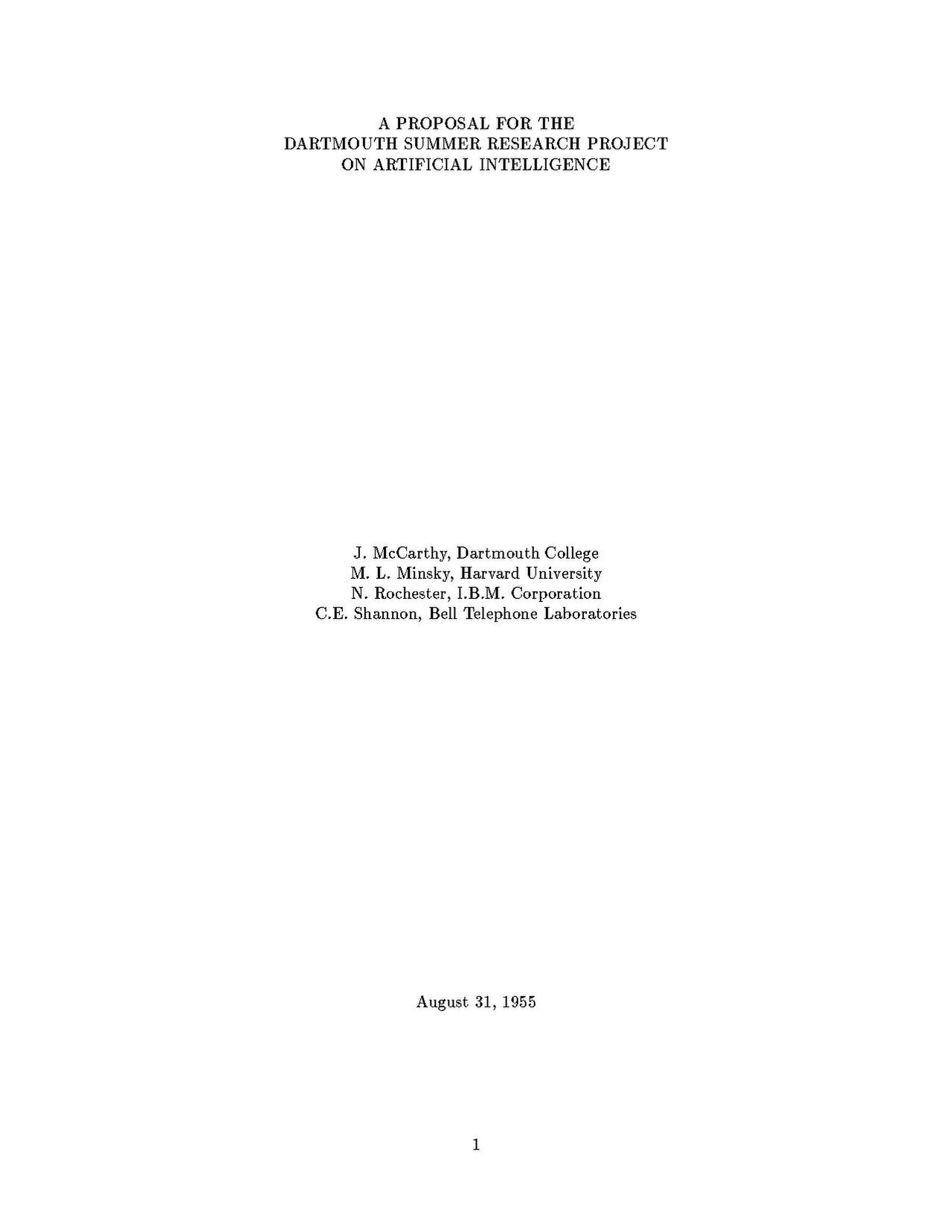 Document
Primary source
A Proposal for the Dartmouth Summer Research Project on Artificial Intelligence
John McCarthy, Marvin Minsky, Nathaniel Rochester, Claude Shannon · 31 August 1955
 Artifact
Primary source
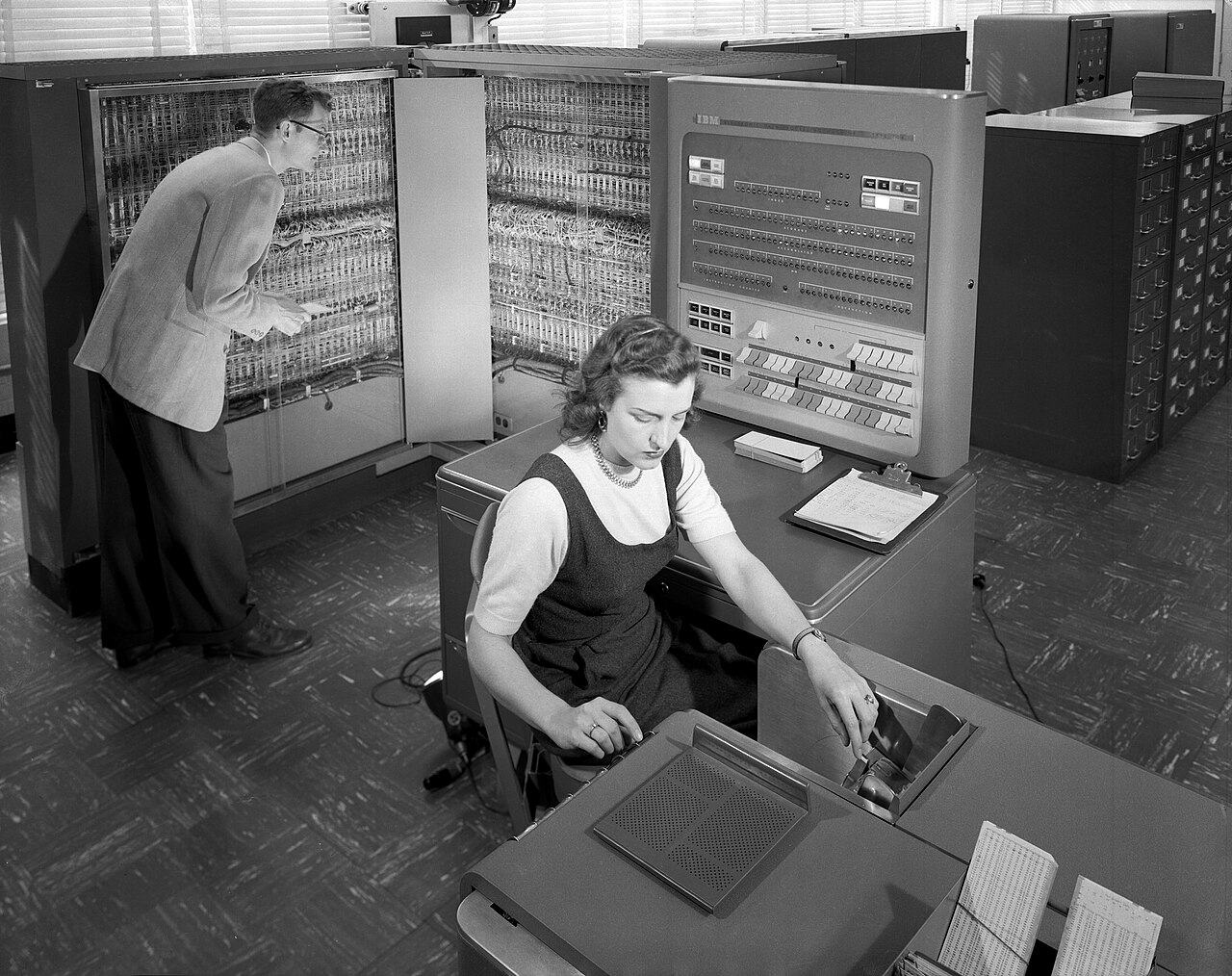
IBM 704
1954
 Photograph
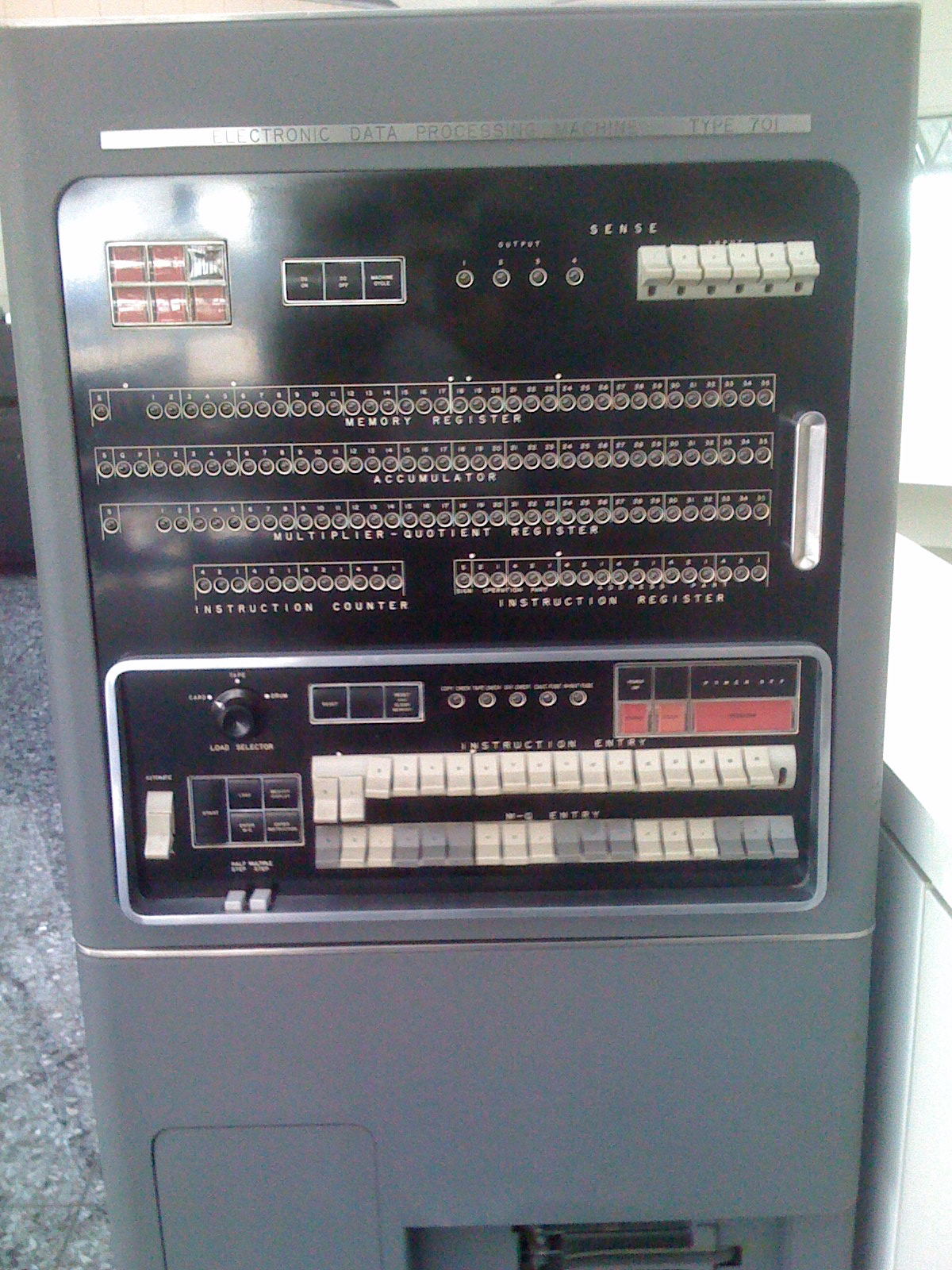
Secondary source
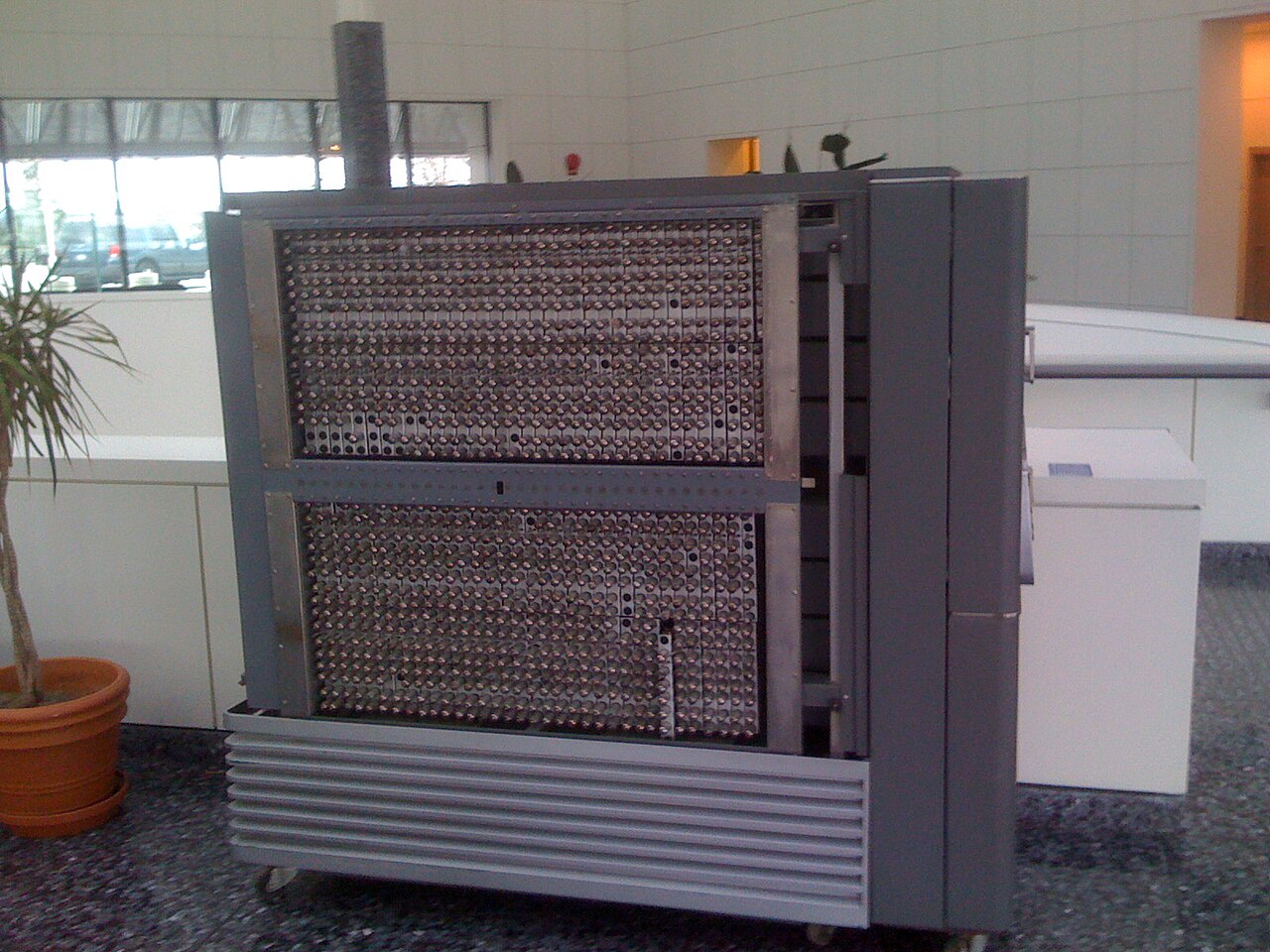
IBM 701 computer frame
Dan · c. 1952
 Photograph
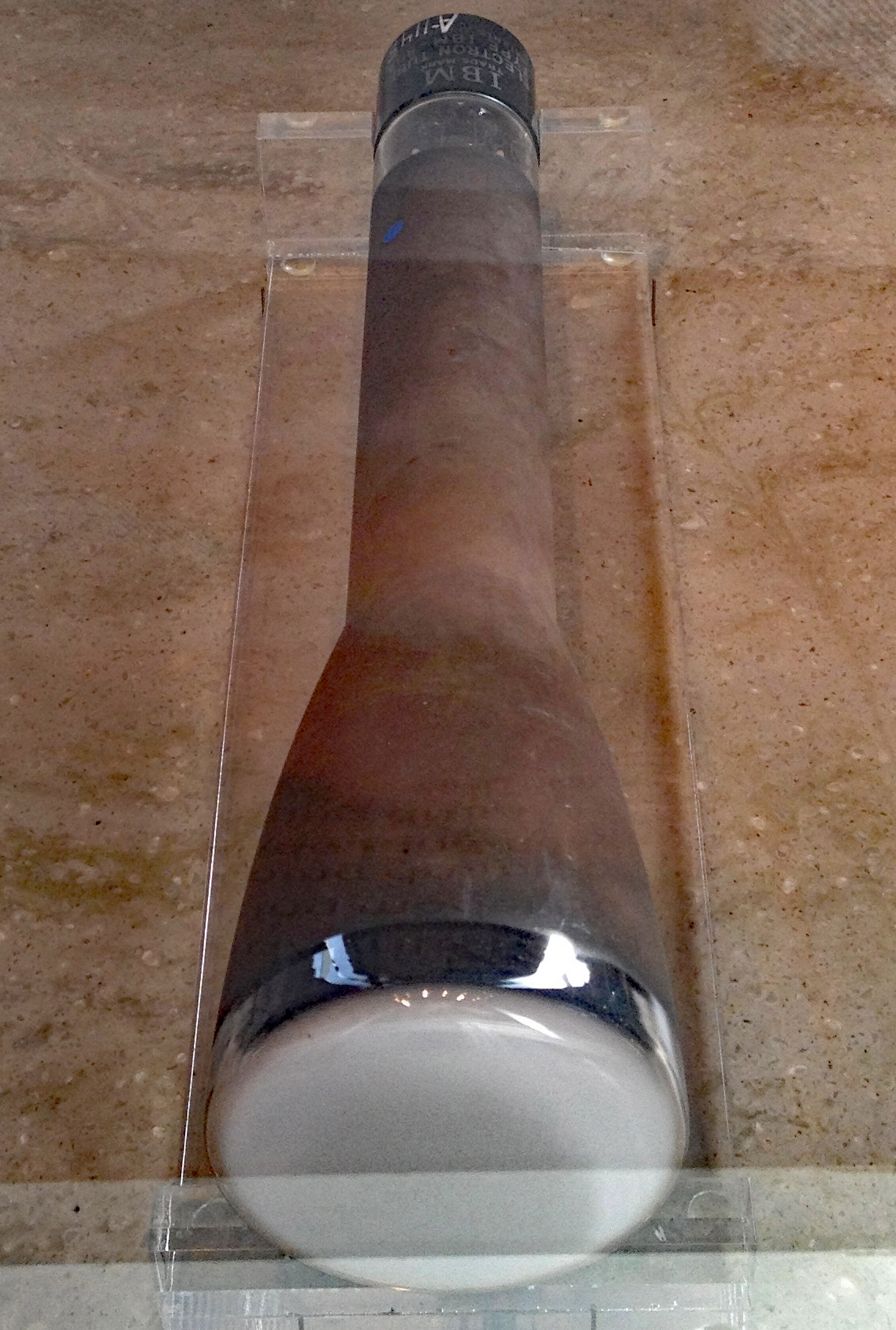
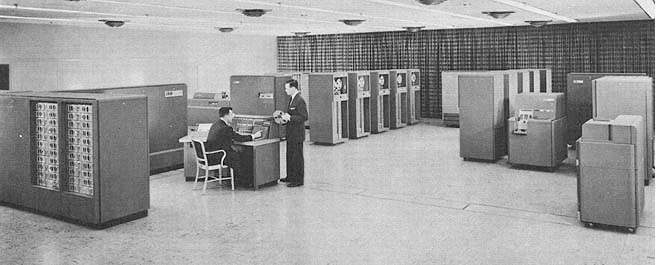
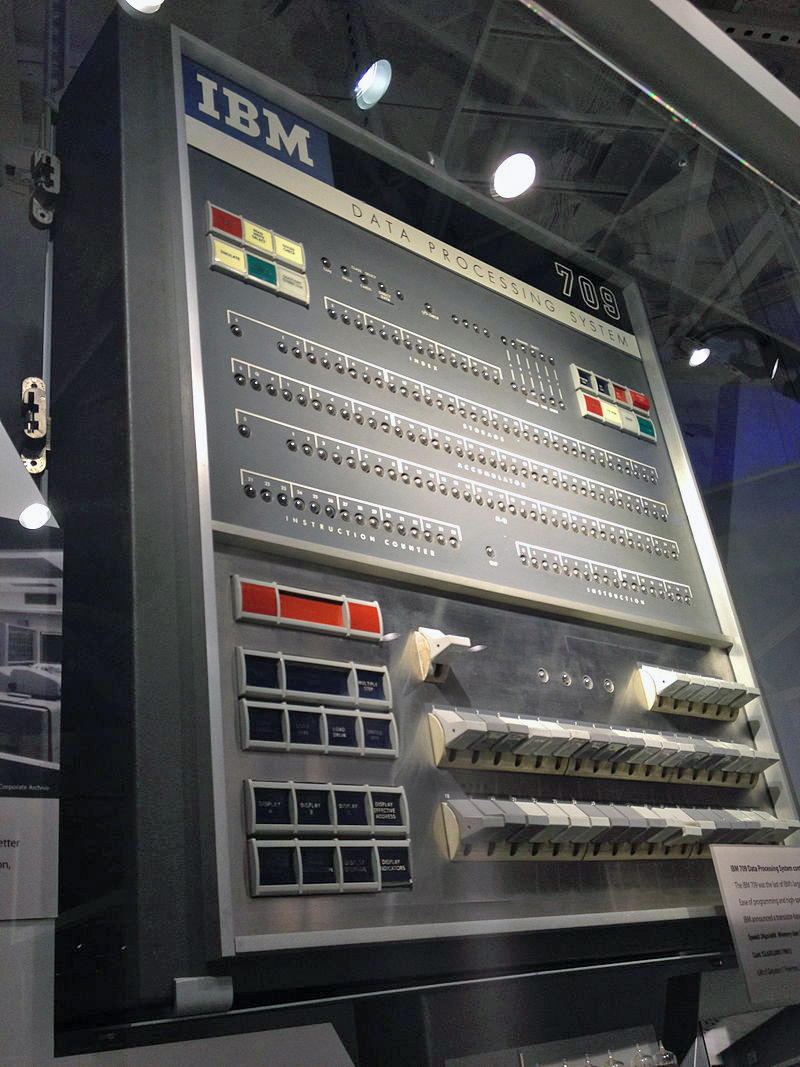
Secondary source
IBM 701 Operator's Console
Dan · introduced 1952
Free account
Read every Nathaniel Rochester source
Sign up free →
Ready when you are
Start chatting with Nathaniel Rochester now.
20 messages free · No credit card · Available in 50+ languages.