


Primary sourcePhotograph28 March 2009
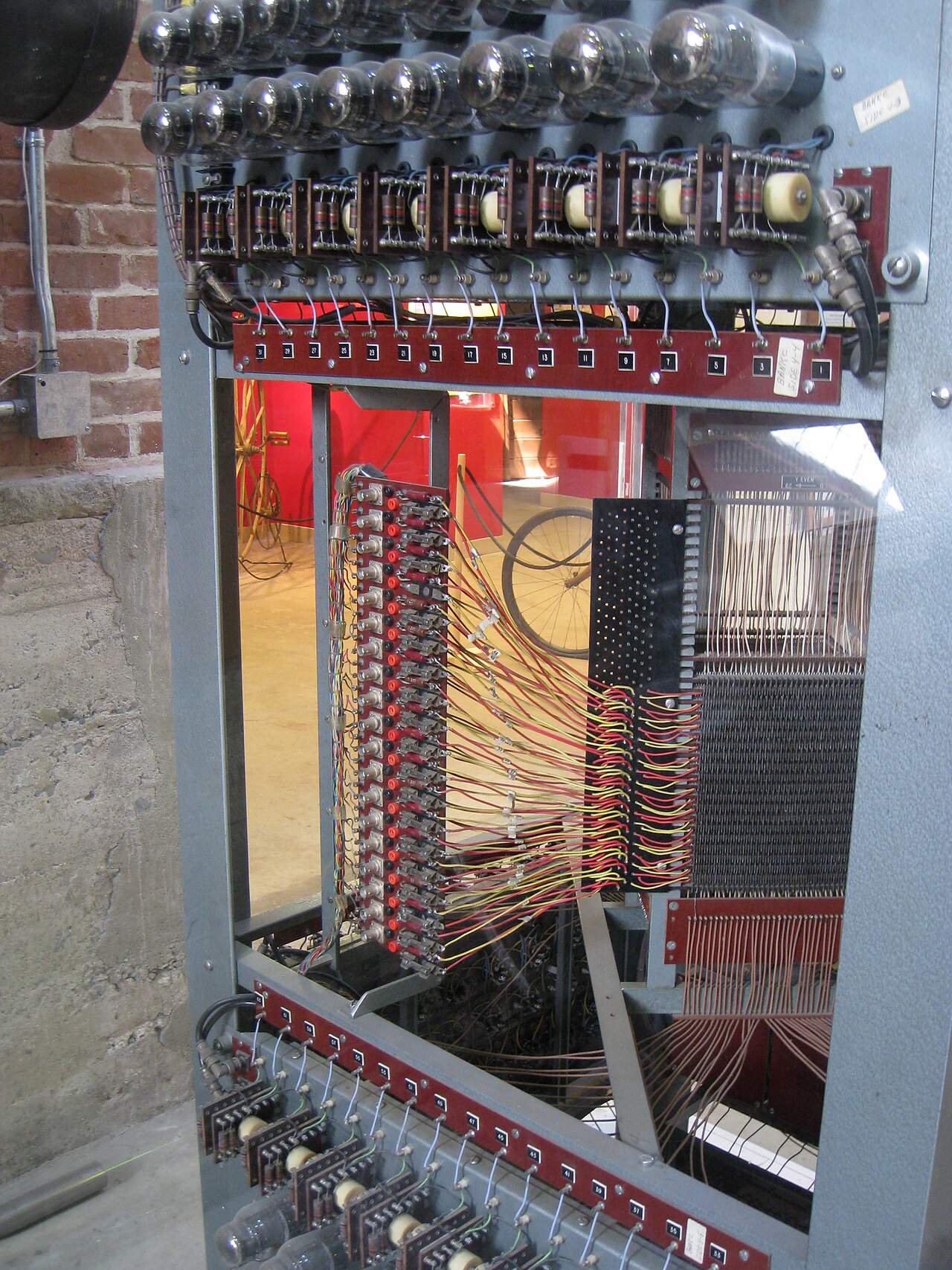
Whirlwind I Core Memory
Daderot · 28 March 2009
Core memory from the Whirlwind I computer, whose arithmetic element was built by Nathaniel Rochester's group.
Shows core memory from Whirlwind, whose arithmetic element Rochester's group built.
About this source
What it is
This photograph shows core memory from Project Whirlwind, developed around 1951 at MIT Lincoln Laboratory. It had a capacity of 2 kilobytes and a load rate of 40,000 instructions per second. The unit is now held at the Charles River Museum of Industry, on loan from the MIT Museum.
Why it matters
Whirlwind was an early real-time computer developed at MIT, and Nathaniel Rochester's group built its arithmetic element. The memory hardware shown here reveals how different early computer memory was from today's systems, relying on vacuum tubes, wiring and physical cores rather than silicon chips.
Look closer
- What do the vacuum tubes and dense wiring suggest about the size and speed of early computer memory compared with today?
- Why might this object be preserved in a museum of industry rather than a computer museum?
- What does this photo not tell you about who designed or built this machine?
This photograph is part of the curated material that grounds the AI version of Nathaniel Rochester on Humy.ai — when students ask about related events, the AI can quote it and cite it.
More Nathaniel Rochester sources
Browse all 25 →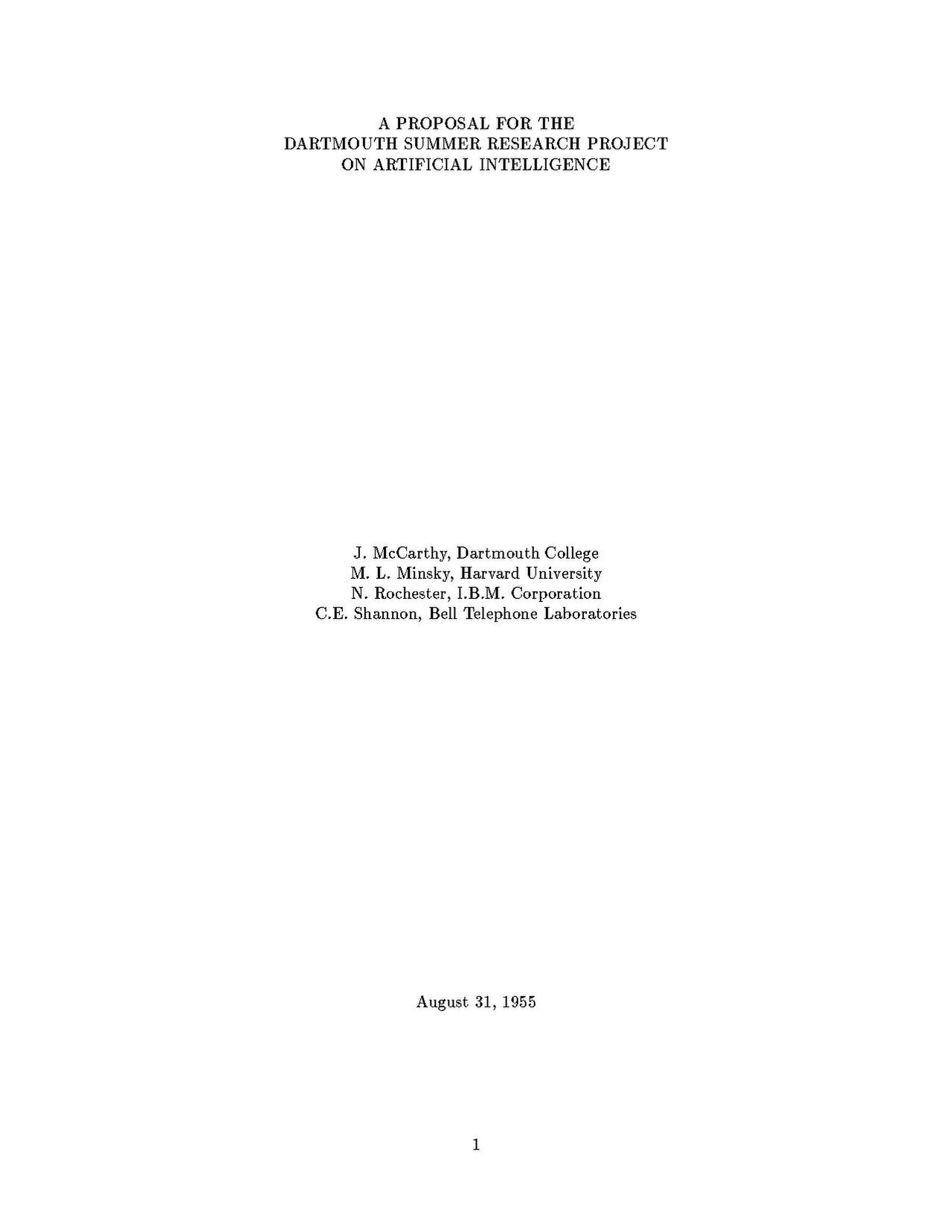 Document
Primary source
A Proposal for the Dartmouth Summer Research Project on Artificial Intelligence
John McCarthy, Marvin Minsky, Nathaniel Rochester, Claude Shannon · 31 August 1955
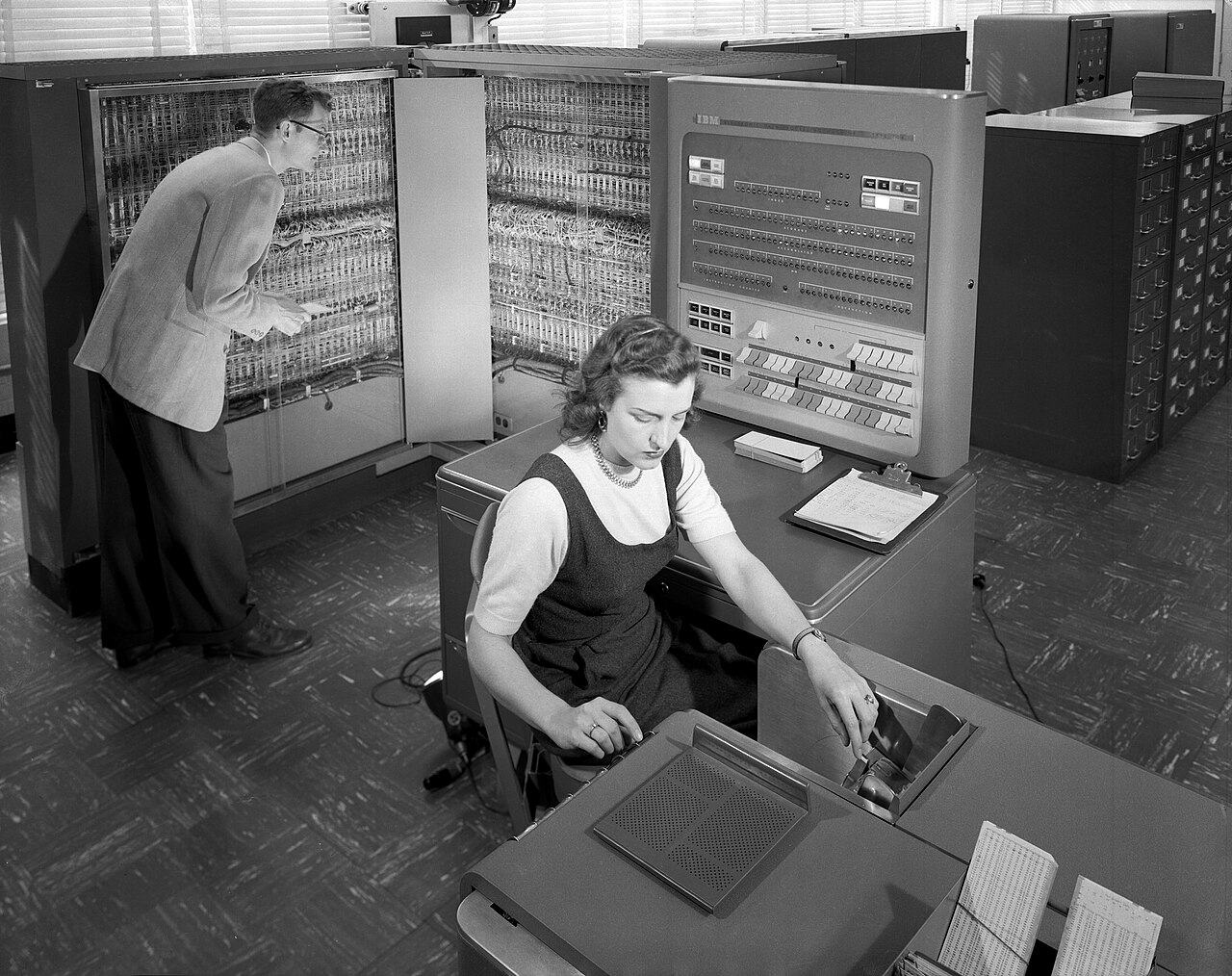 Artifact
Primary source
IBM 704
1954
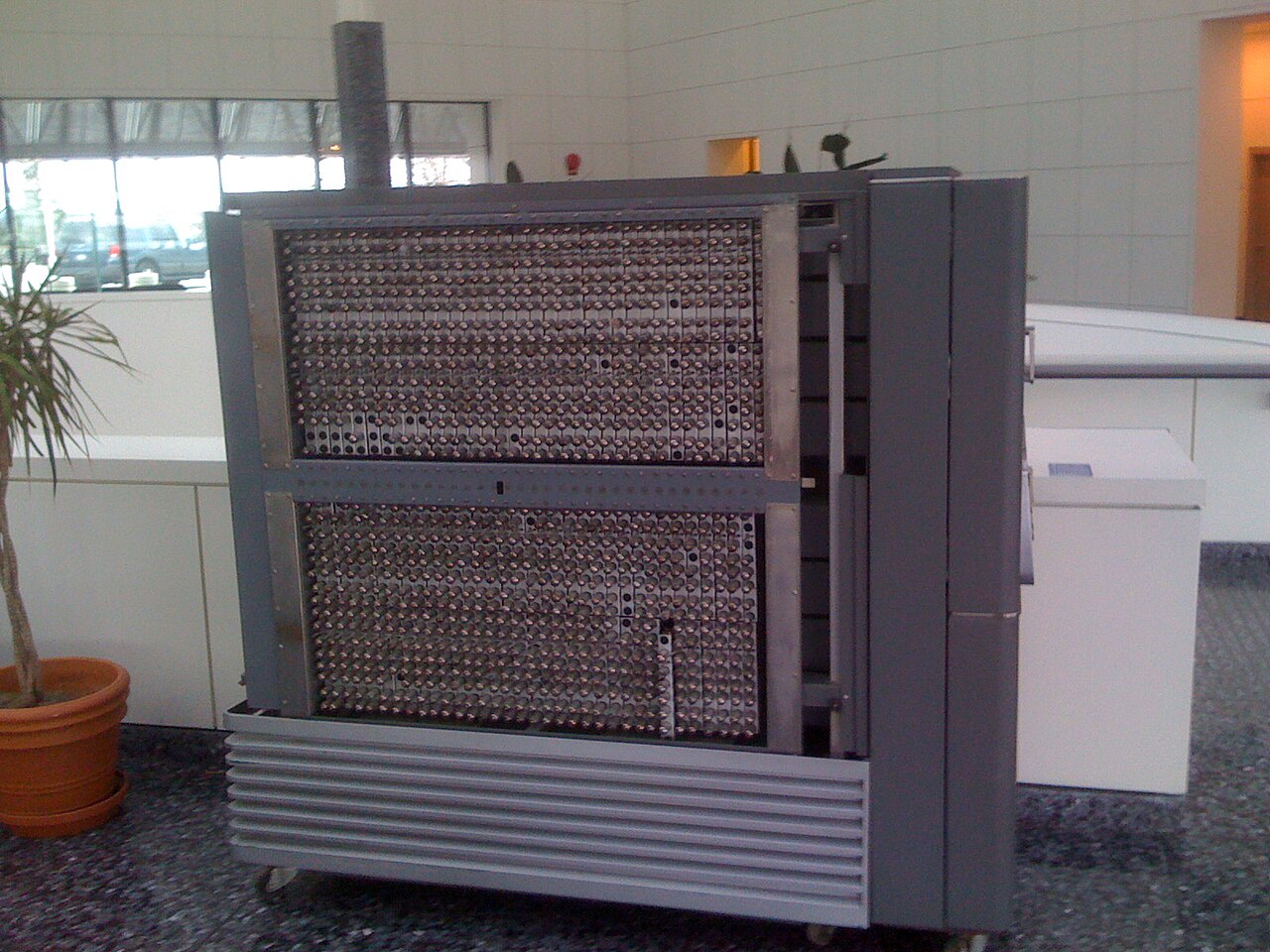 Photograph
Secondary source
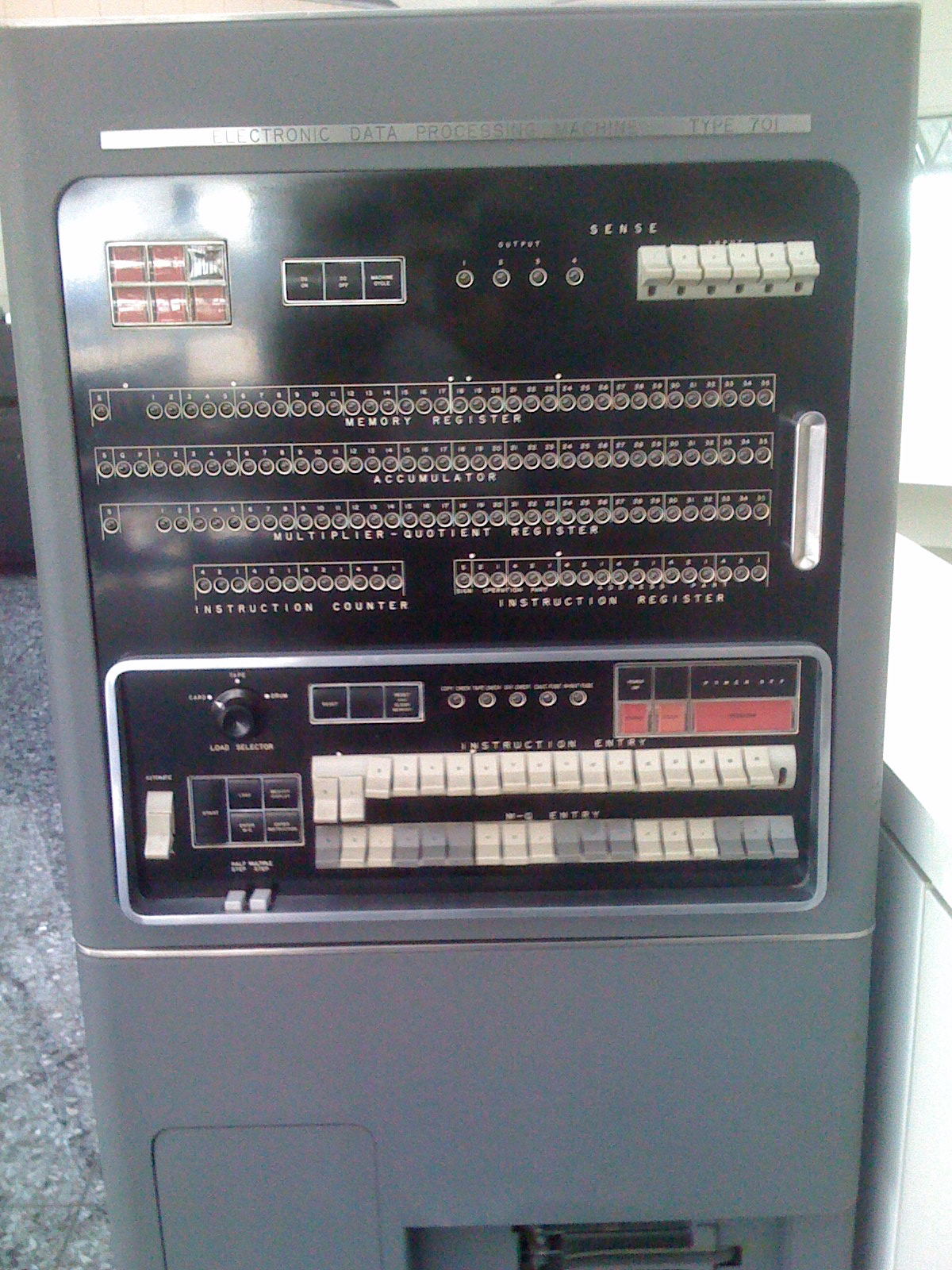
IBM 701 computer frame
Dan · c. 1952
 Photograph
Secondary source
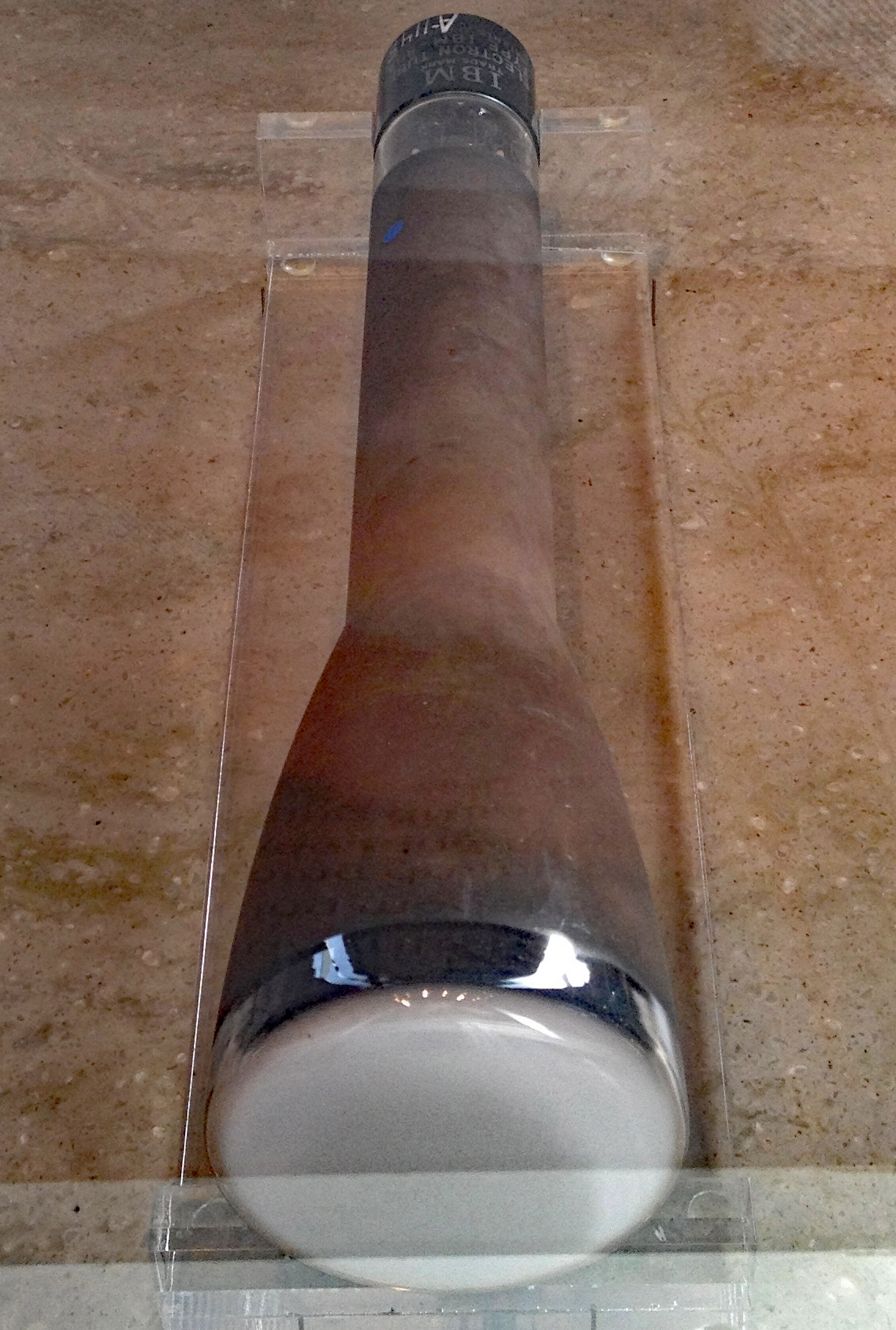
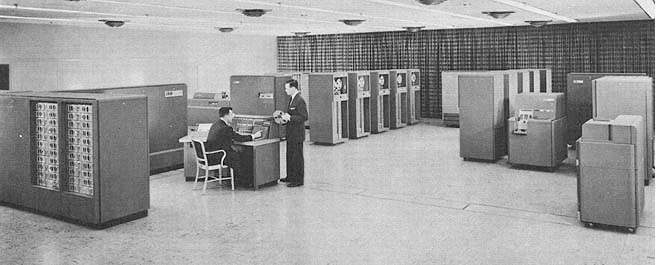
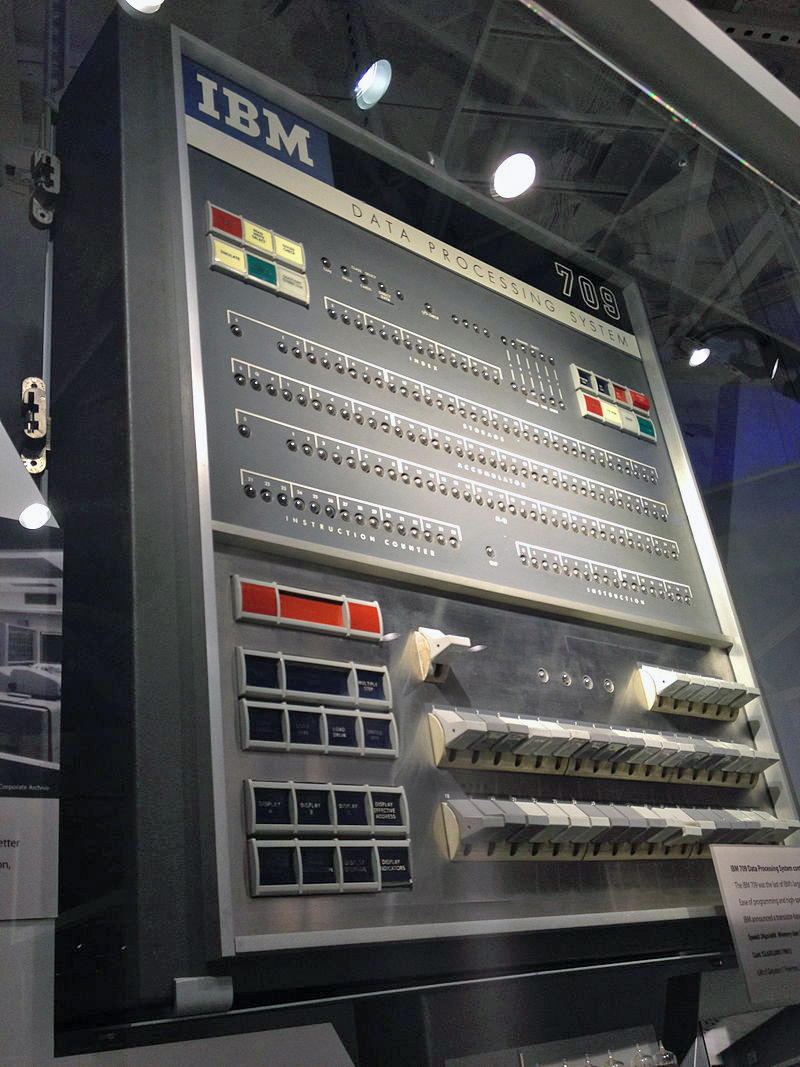
IBM 701 Operator's Console
Dan · introduced 1952
Free account
Read every Nathaniel Rochester source
Sign up free →
Ready when you are
Start chatting with Nathaniel Rochester now.
20 messages free · No credit card · Available in 50+ languages.