


Primary sourceDocument1990
Whitmore v. Arkansas
Thurgood Marshall · 1990
A 1990 Supreme Court dissent by Thurgood Marshall, joined by Justice Brennan, opposing the ruling that denied standing in a death-penalty case where no appellate court had reviewed the conviction or sentence.
Marshall wrote this dissent as a Supreme Court justice, arguing that an execution should not proceed without appellate review of the conviction.
About this source
What it is
This is a dissent written by Justice Thurgood Marshall in Whitmore v. Arkansas, decided in 1990 and reported in volume 495 of the United States Reports. Marshall wrote that Justice Brennan joined him. The text is listed on Wikisource, which holds the copy.
Why it matters
The case concerned whether Jonas Whitmore could act as the next friend of Ronald Gene Simmons, a prisoner who wanted to waive appellate review of his death sentence. The majority decided that Whitmore lacked standing, so the constitutional question was not reached. Marshall argued that if the underlying claim had merit, the execution would violate the Eighth Amendment, and that the Court should not allow it on the basis of a common-law doctrine it could amend. His dissent shows his concern with capital punishment and with the safeguards of review.
Look closer
- What constitutional claim does Marshall say was never decided, and why does that matter to him?
- What does Marshall say the Court could do about the common-law doctrine it relied on?
- What does this text leave out about Simmons's own perspective?
This document is part of the curated material that grounds the AI version of Thurgood Marshall on Humy.ai — when students ask about related events, the AI can quote it and cite it.
More Thurgood Marshall sources
Meet the AI Thurgood Marshall →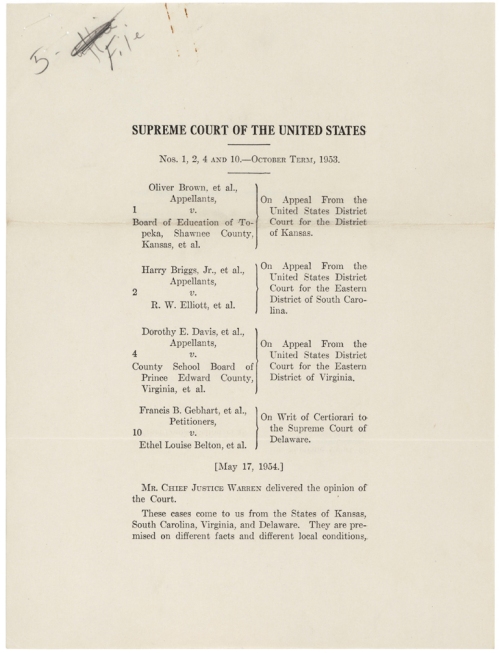 Document
Primary source
Brown v. Board of Education
Earl Warren · 17 May 1954
 Painting
Primary source
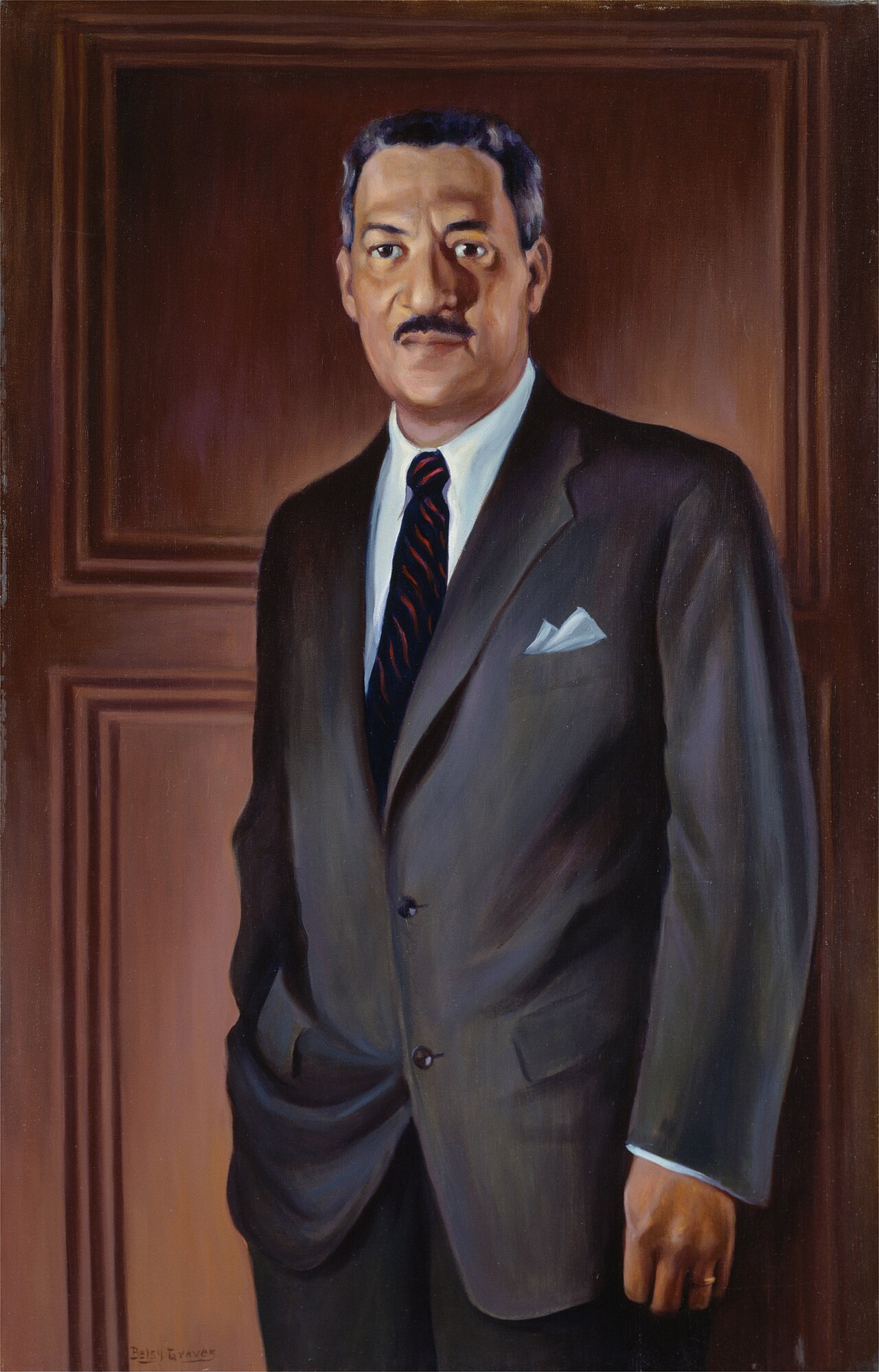
Thurgood Marshall
Betsy Graves Reyneau · 1956
 Photograph
Primary source
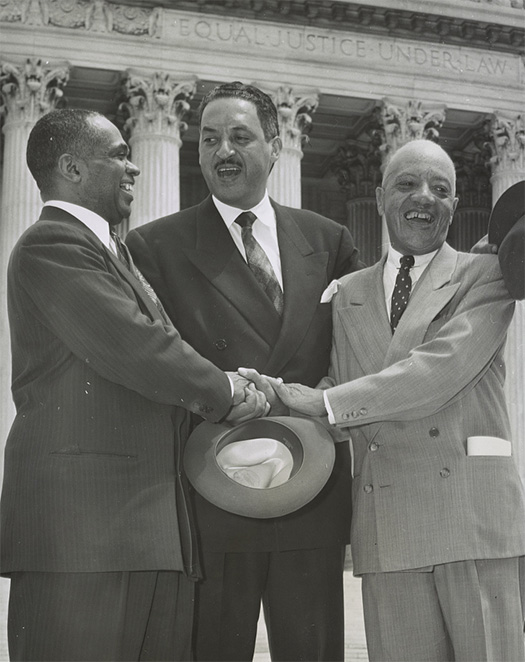
George Edward Chalmer Hayes, Thurgood Marshall, and James Nabrit in 1954 winning Brown case
1954
 Photograph
Primary source
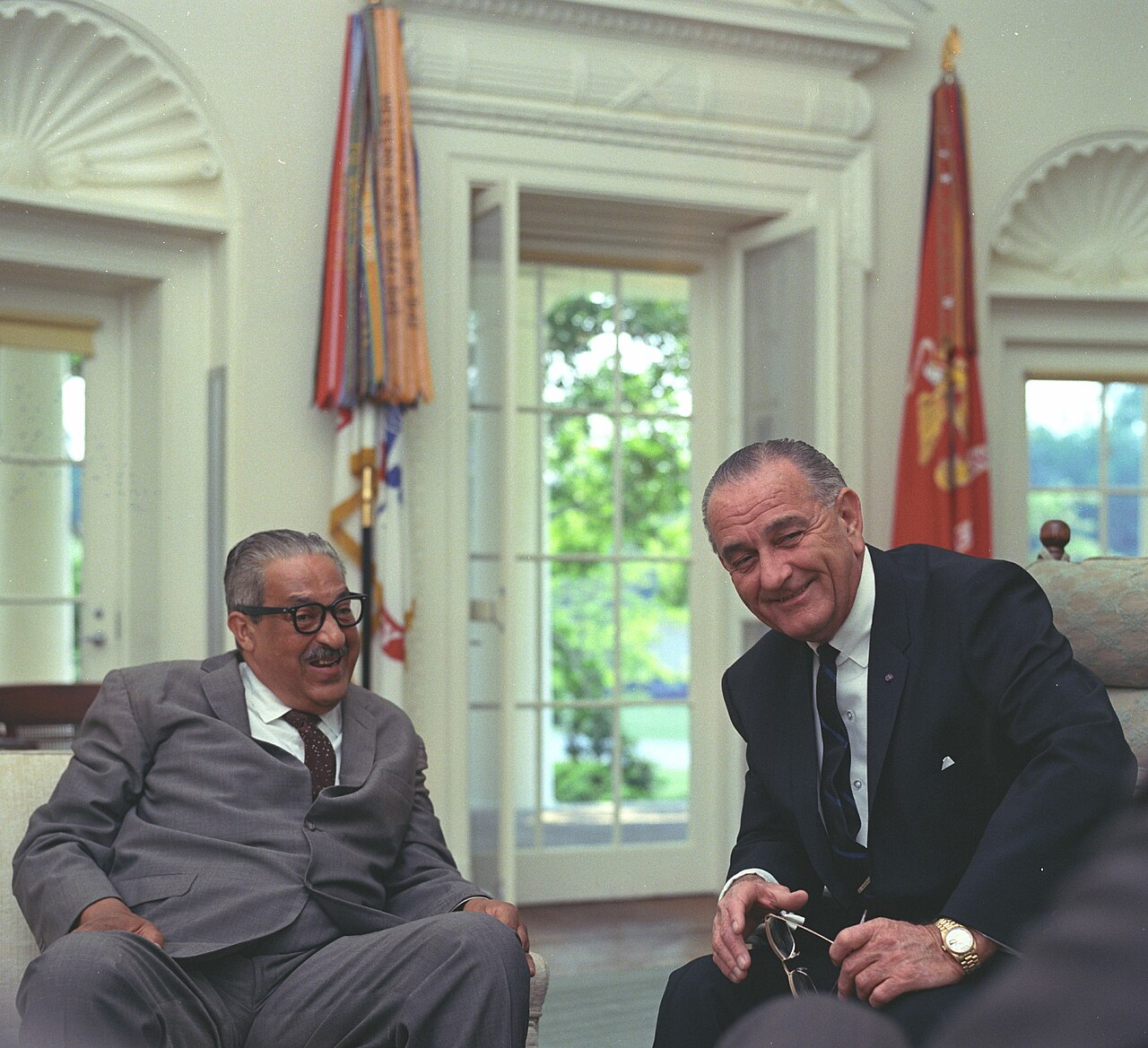
Thurgood Marshall and President Lyndon B. Johnson, June 13, 1967
Frank Wolfe · 13 June 1967
Primary source
Cooper v. Aaron
12 September 1958
Ready when you are
Start chatting with Thurgood Marshall now.
20 messages free · No credit card · Available in 50+ languages.