


Primary sourceDocument5 May 1798 (presented 12 May 1819)
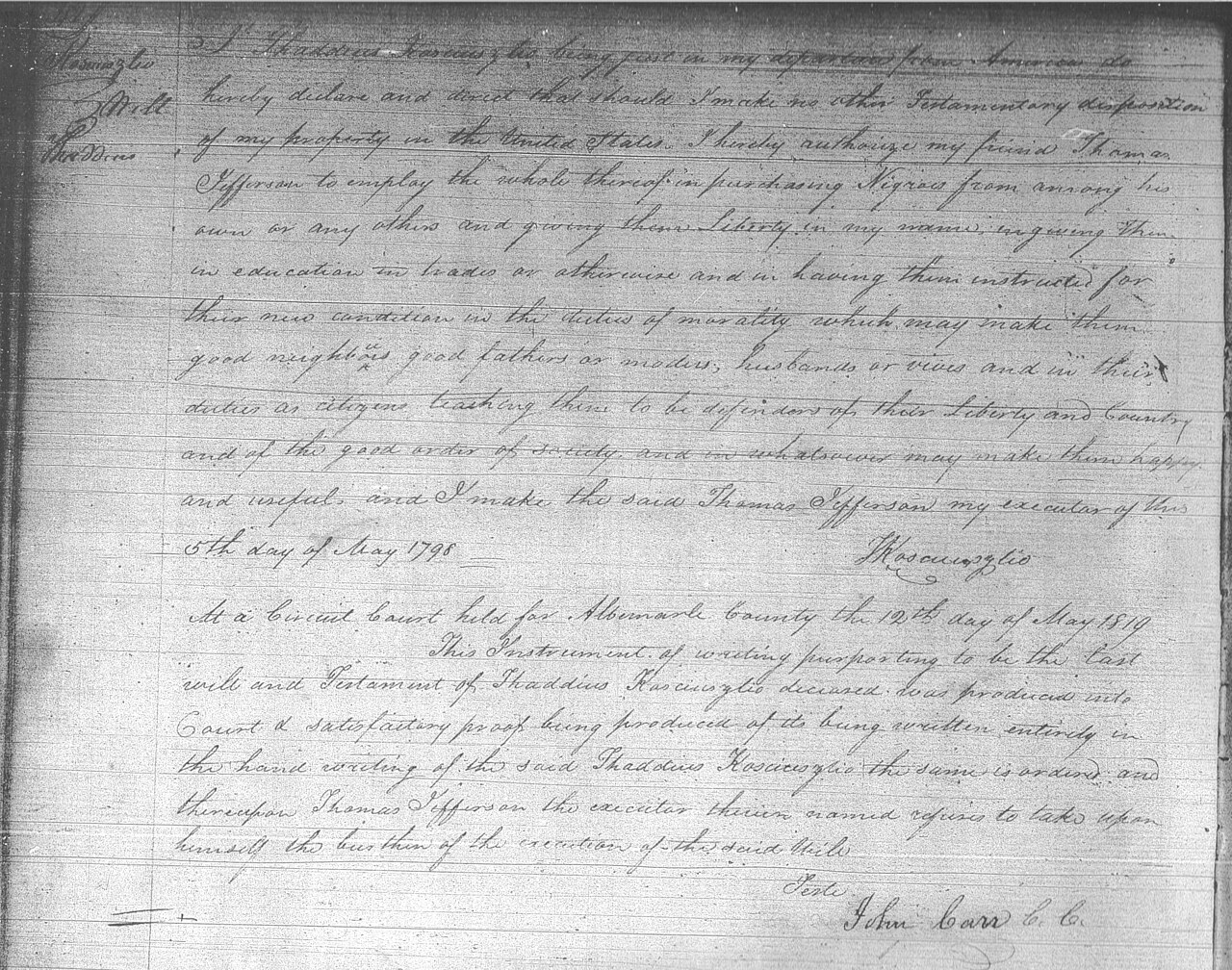
Will of Thaddeus Kosciuszko
Tadeusz Kościuszko · 5 May 1798 (presented 12 May 1819)
Kościuszko's handwritten 1798 will, probated in Virginia in 1819, directing his American estate be used to free and educate enslaved people.
This is Kościuszko's own handwritten will, revealing his personal wishes about liberty and his estate in America.
About this source
What it is
This is the handwritten last will of Thaddeus Kosciuszko, dated 5 May 1798 and presented to the Albemarle County Circuit Court in Virginia on 12 May 1819. The scanned manuscript page shows the will text and his signature, along with the later court record confirming it was written entirely in his own hand.
Why it matters
In the will, Kosciuszko asked his friend Thomas Jefferson to use his American property to purchase enslaved people and give them freedom, education and training. The document shows Kosciuszko's personal beliefs about liberty extending beyond his military career, and it also involves Jefferson, who was named executor but declined the role.
- What does Kosciuszko ask Jefferson to do with his property, and why might he have chosen him?
- Why do you think Jefferson refused to serve as executor?
- What does this will reveal about how Kosciuszko understood liberty?
This document is part of the curated material that grounds the AI version of Tadeusz Kościuszko on Humy.ai — when students ask about related events, the AI can quote it and cite it.
More Tadeusz Kościuszko sources
Meet the AI Tadeusz Kościuszko →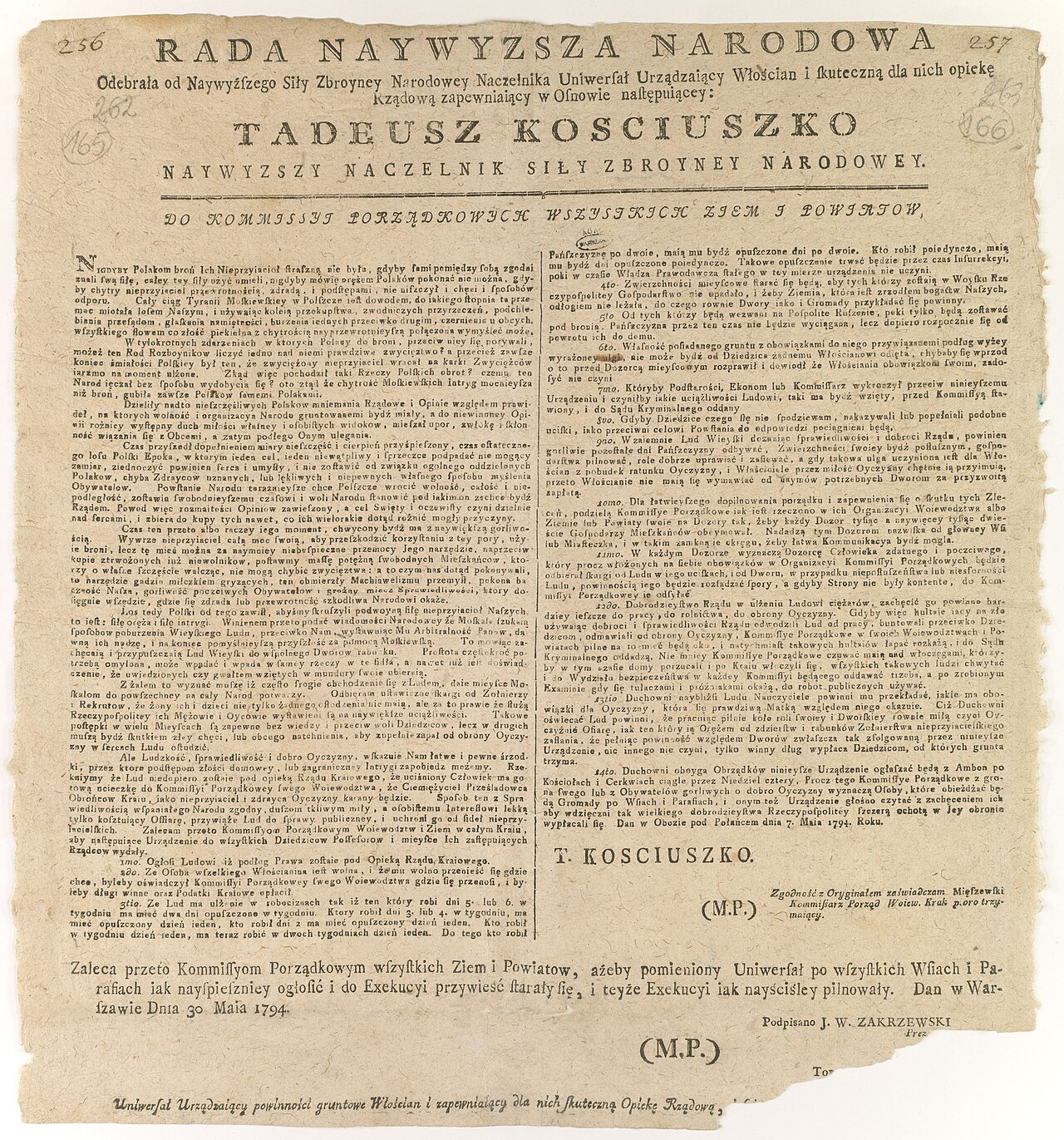 Document
Primary source
Proclamation of Połaniec
Tadeusz Kościuszko · 7 May 1794 (this printing 30 May 1794)
 Painting
Primary source
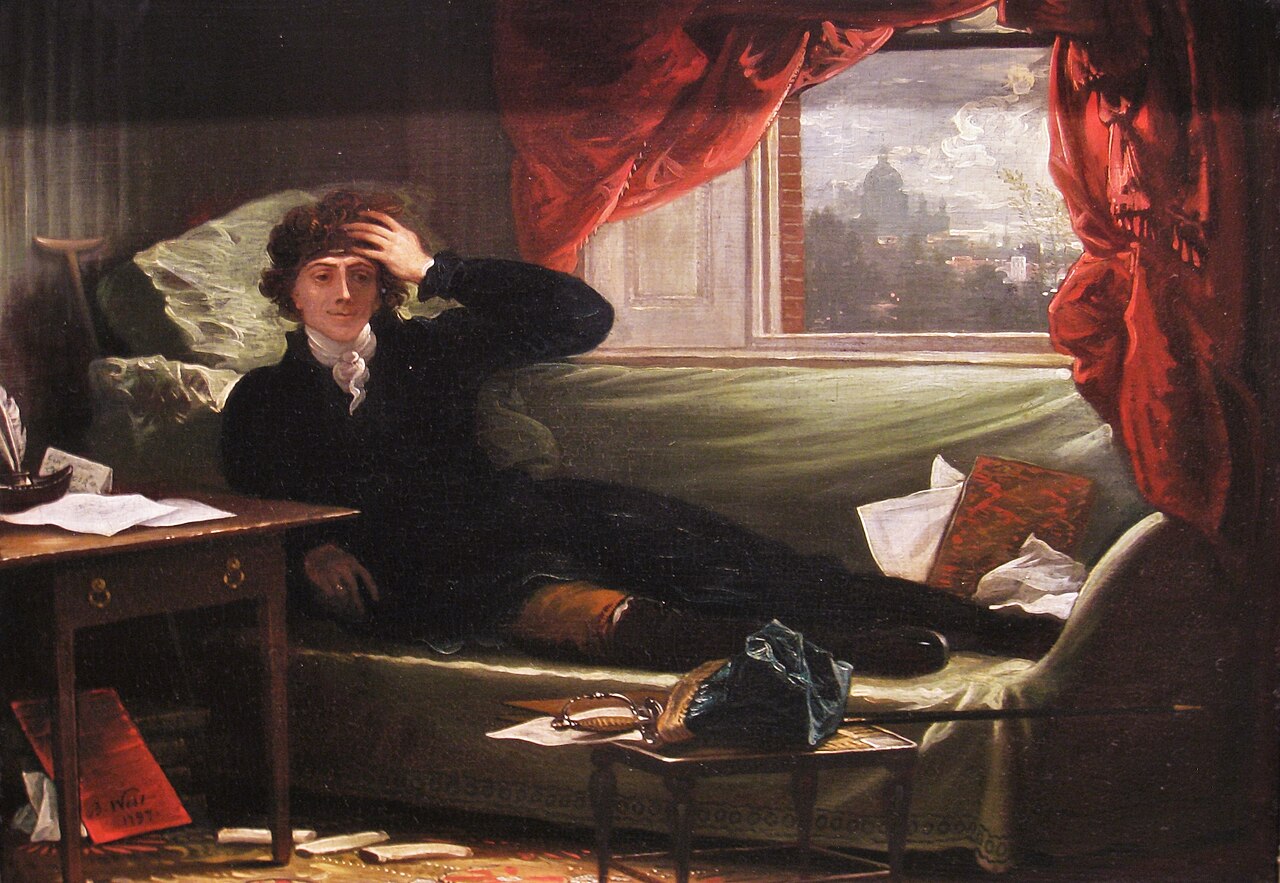
General Thaddeus Kosciusko
Benjamin West · 1797
 Painting
Primary source
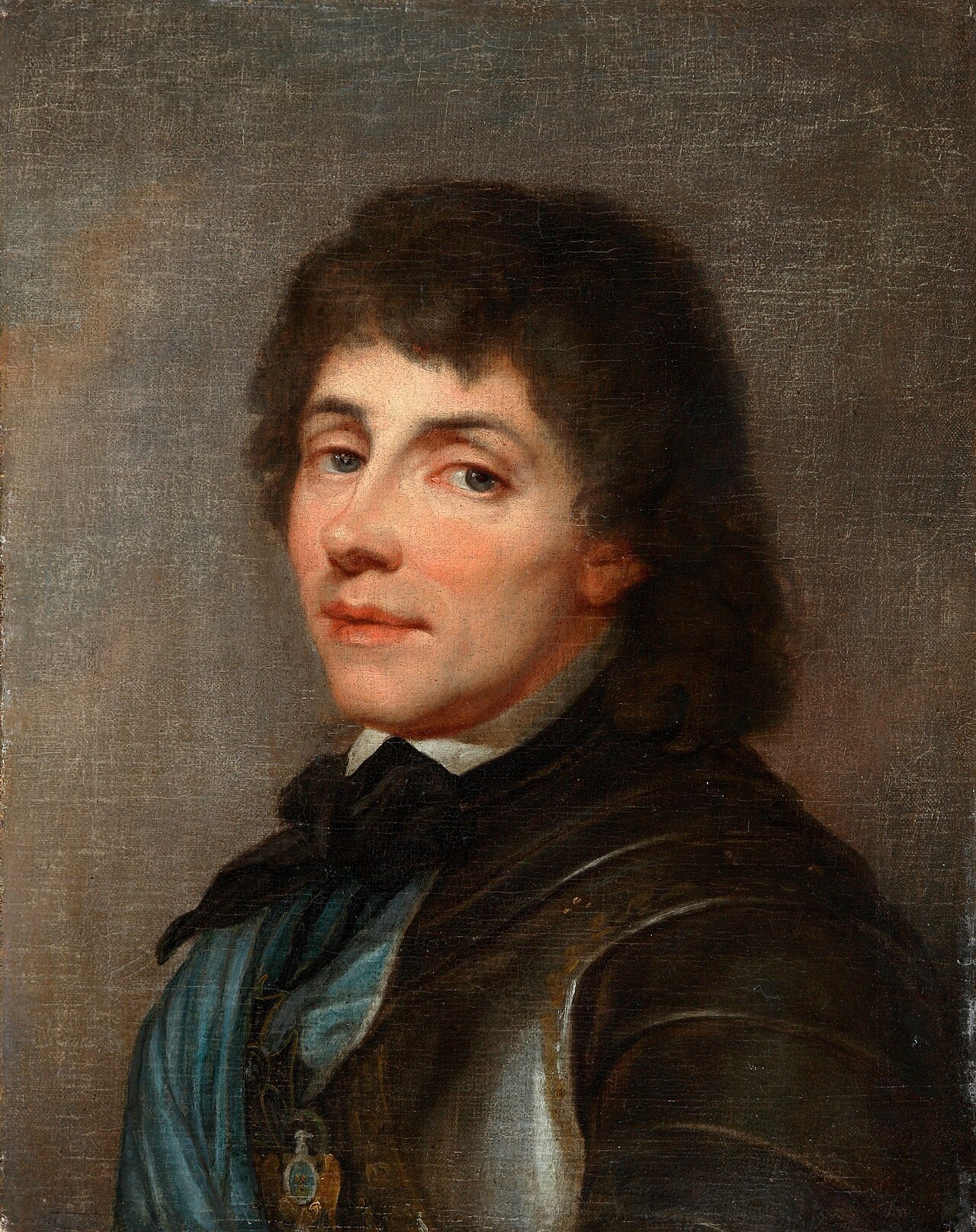
Portrait of Tadeusz Kościuszko
Józef Grassi · c. 1792
 Artifact
Primary source
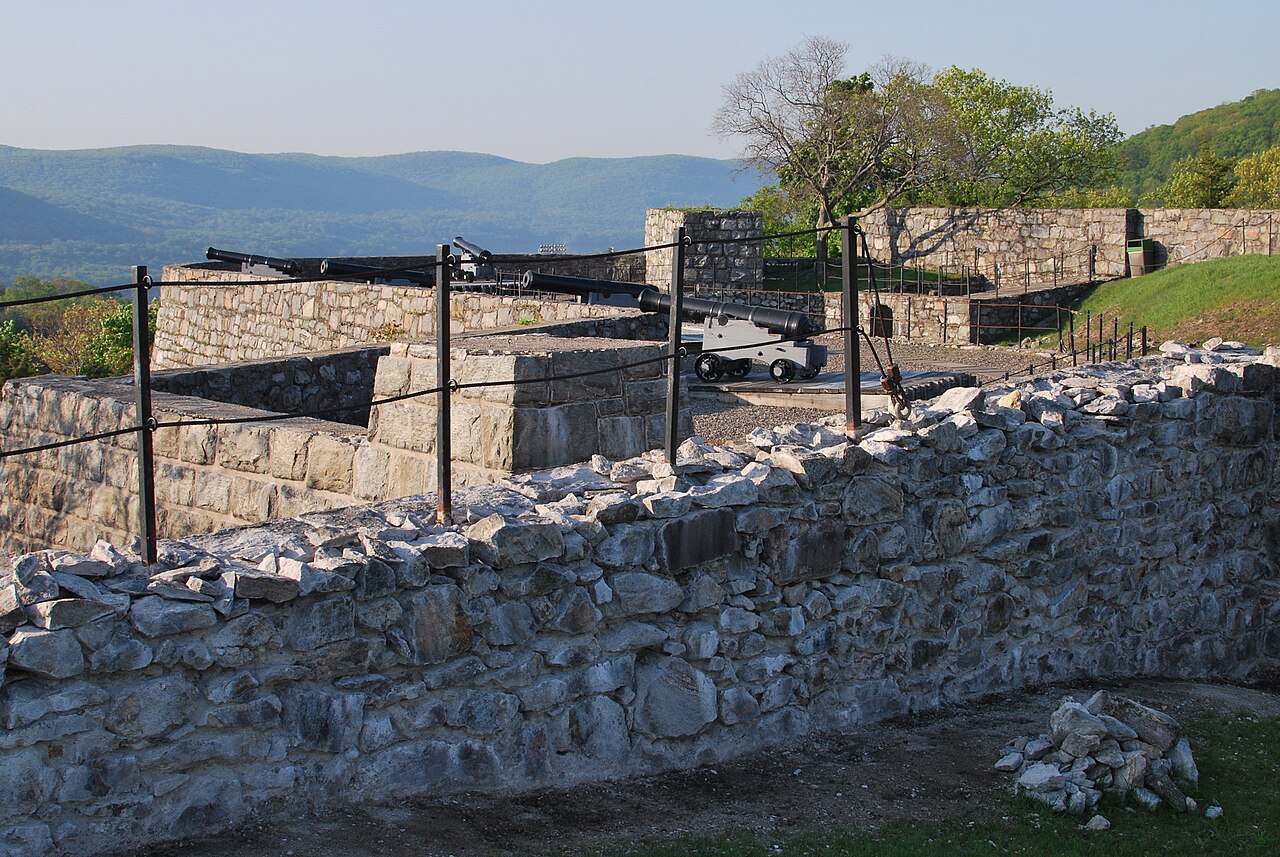
Fort Putnam
1778
 Document
Primary source
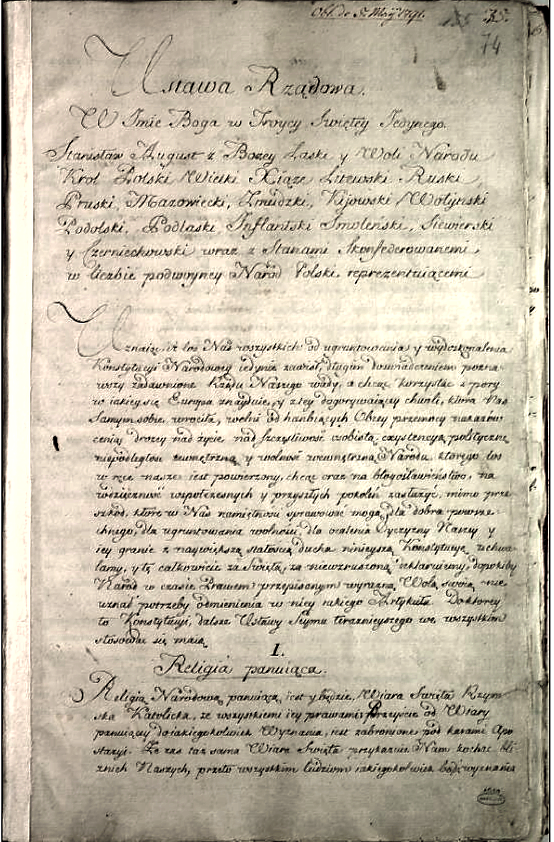
Constitution of May 3, 1791
3 May 1791
Ready when you are
Start chatting with Tadeusz Kościuszko now.
20 messages free · No credit card · Available in 50+ languages.