


Secondary sourcePainting
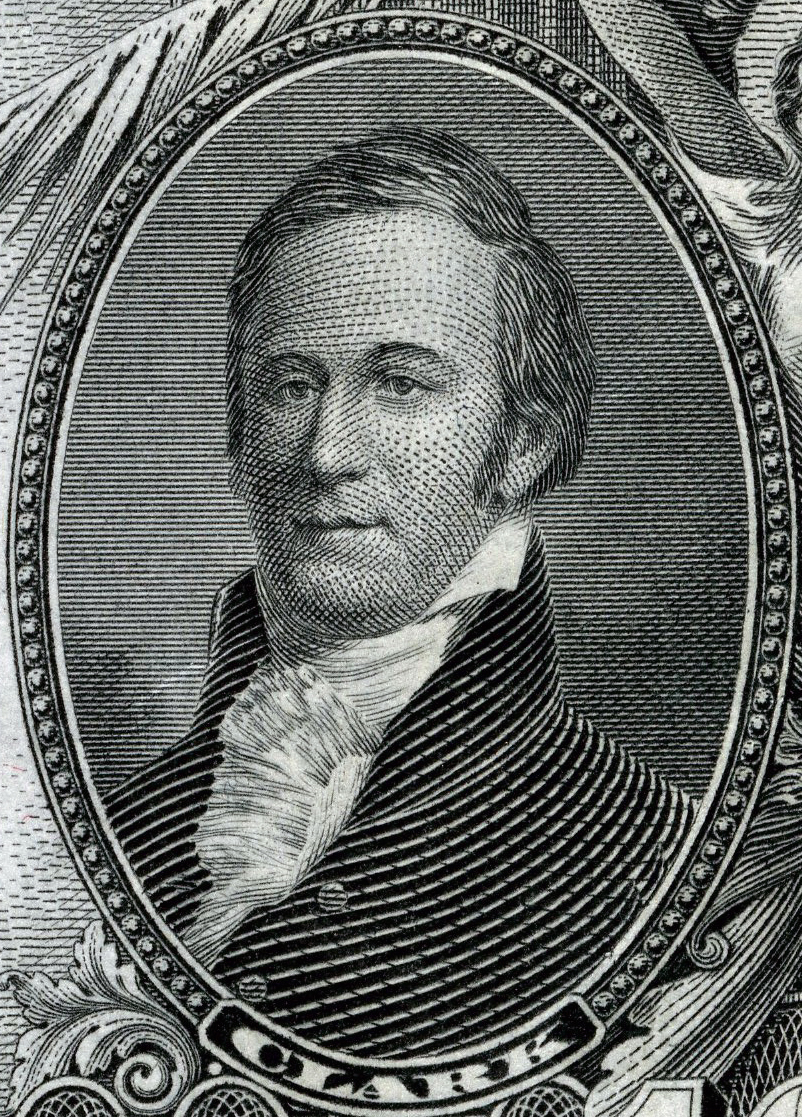
William Clark Engraved Portrait from United States Currency
An engraved portrait of William Clark, labeled with his name, taken from United States currency and shown by the National Museum of American History.
Shows how Clark's likeness was chosen to represent the nation on United States currency, long after his lifetime.
About this source
What it is
This is a black and white engraved portrait of a man with short combed-back hair, wearing a high-collared dark coat and white cravat. It sits in an oval, bead-edged frame, and a name banner at the bottom reads CLARK. The image is an engraving taken from United States currency and is shown by the National Museum of American History. The date of the original engraving is not given in the record.
Why it matters
Portraits of explorers on paper money show how the nation chose to honour particular people. Placing Clark on currency tells us that his expedition was remembered as an important national achievement. An engraving is a copy made by hand, so it reflects the choices of the engraver as much as Clark's appearance.
Look closer
- What clothing and framing does the engraver choose, and what impression do they create?
- Why would a government choose a historical figure to appear on its money?
- What can an engraving never tell us about the person it shows?
This painting is part of the curated material that grounds the AI version of William Clark on Humy.ai — when students ask about related events, the AI can quote it and cite it.
More William Clark sources
Meet the AI William Clark →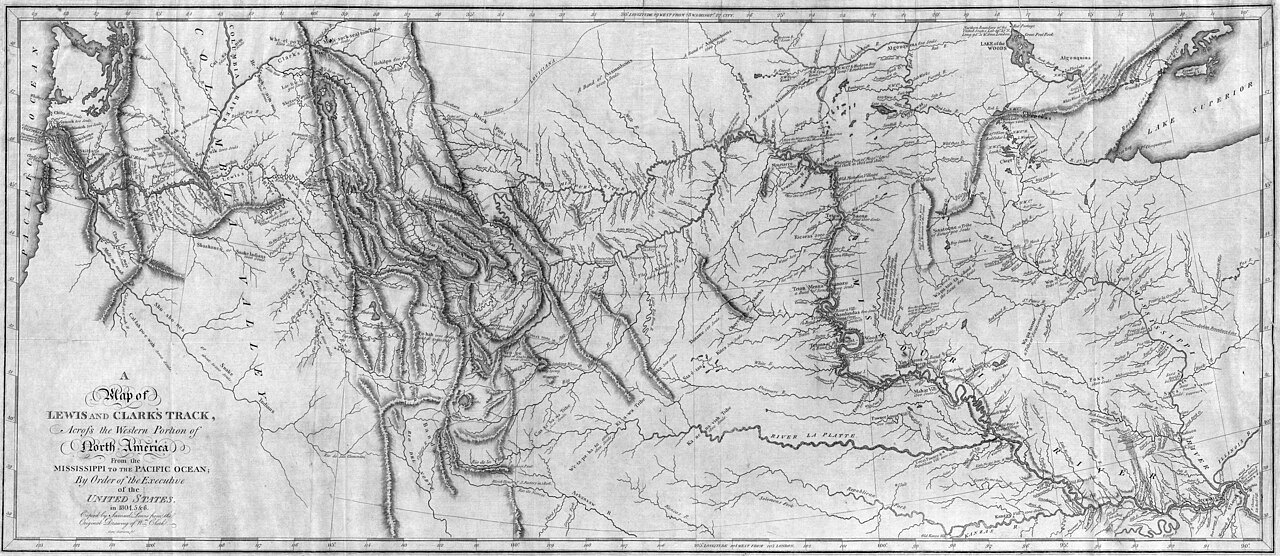 Document
Primary source
A Map of Lewis and Clark's Track Across the Western Portion of North America
William Clark · 1814
 Document
Primary source
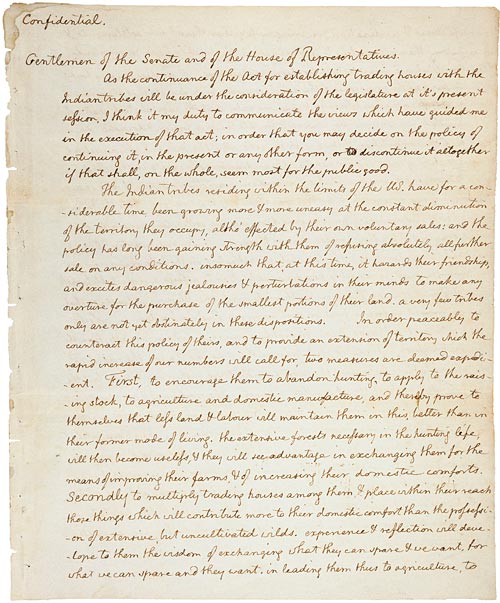
Jefferson's Secret Message to Congress Regarding the Lewis and Clark Expedition
Thomas Jefferson · 18 January 1803
Primary source
Louisiana Purchase Treaty
30 April 1803
 Painting
Primary source
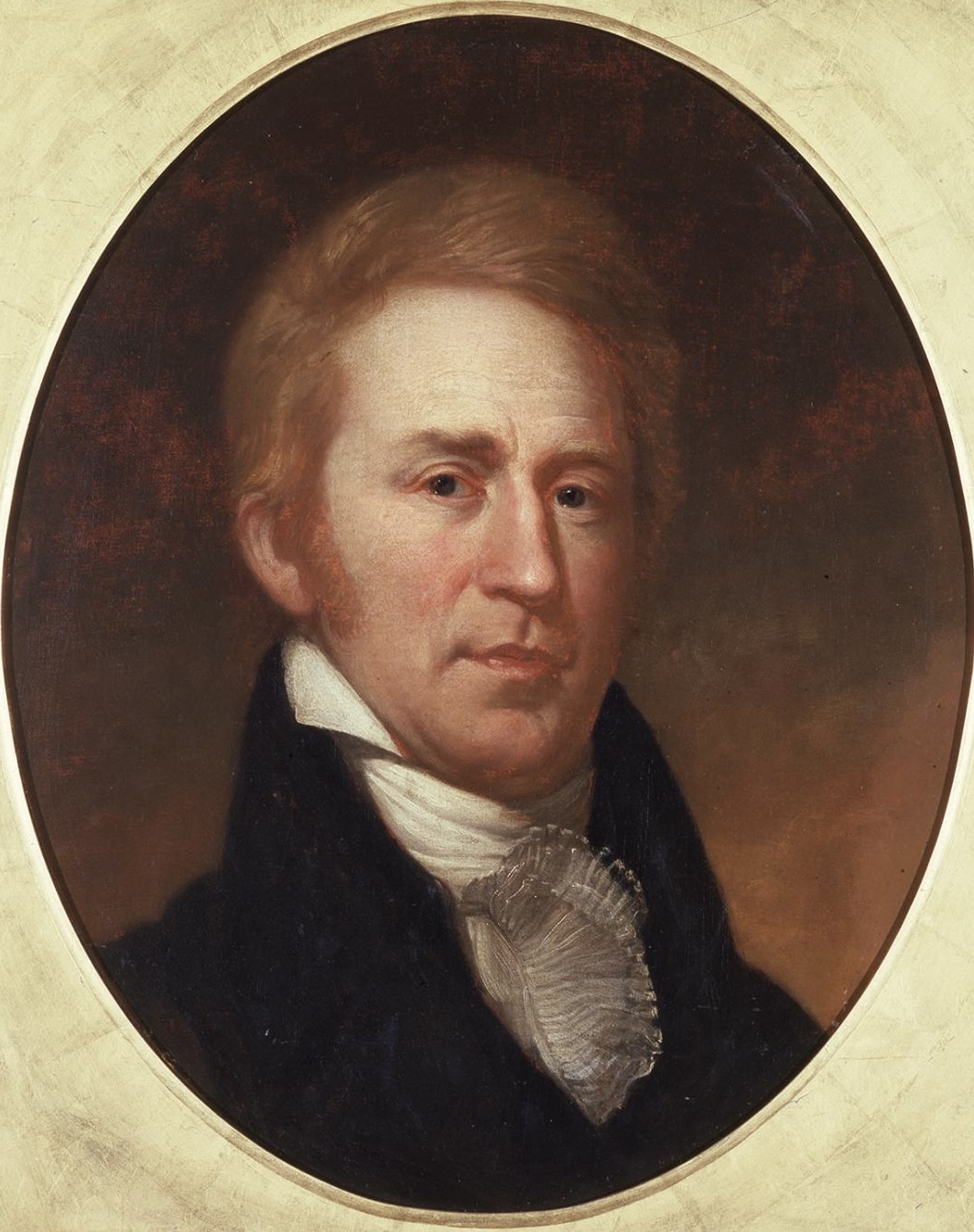
Portrait of William Clark
Charles Willson Peale
 Photograph
Primary source
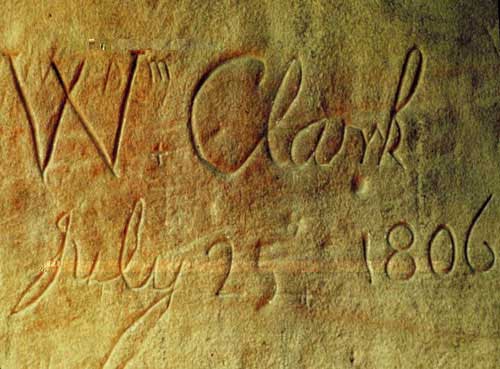
Clark's Signature at Pompeys Pillar
25 July 1806
Ready when you are
Start chatting with William Clark now.
20 messages free · No credit card · Available in 50+ languages.