


Primary sourcePainting1579
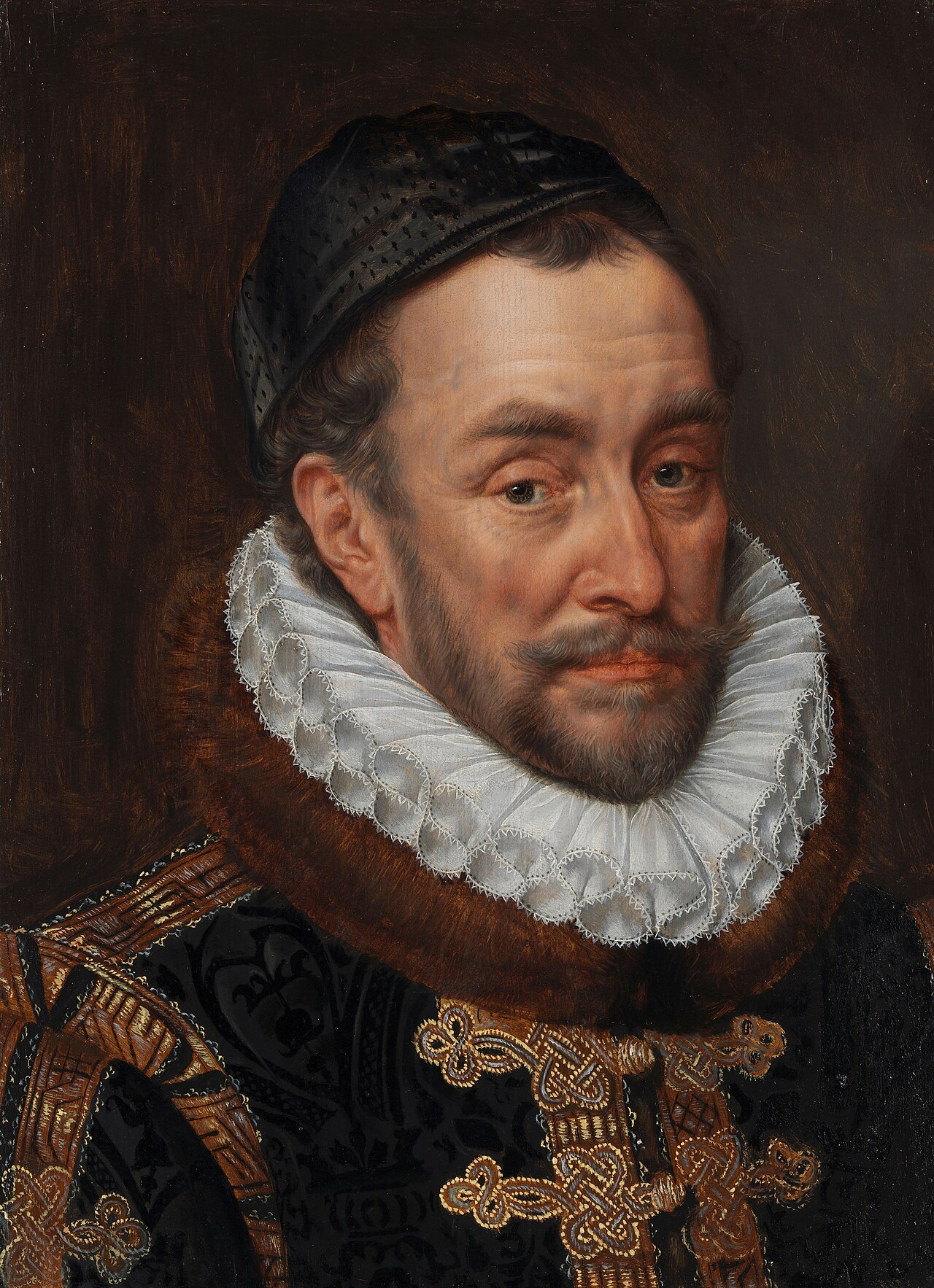
William I, Prince of Orange, known as William the Silent
Adriaen Thomasz. Key · 1579
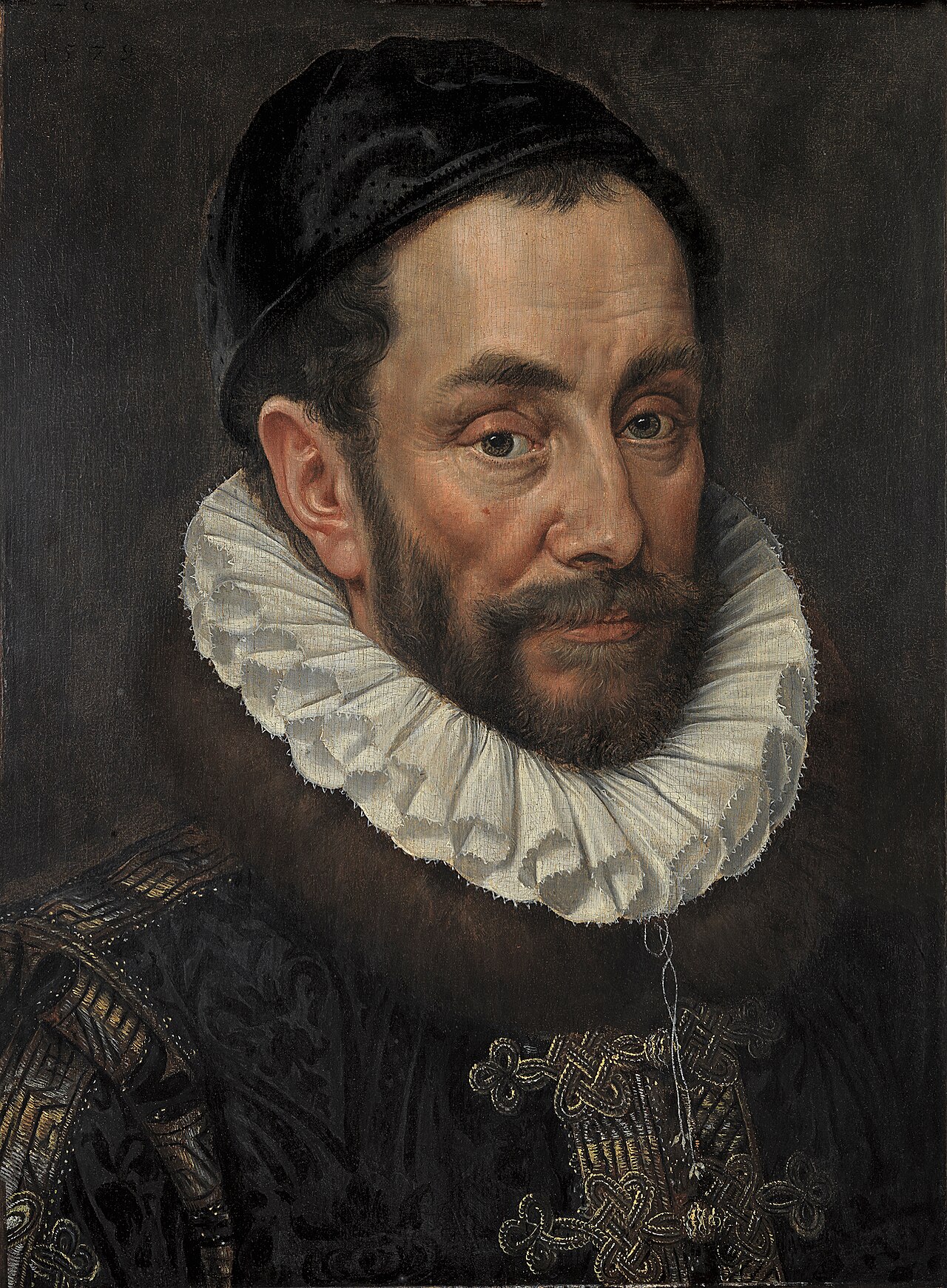
A 1579 portrait of William the Silent, part of a type of authorised likeness circulated among his supporters.
A near-contemporary authorised portrait of William, used to spread his image among supporters.
About this source
What it is
This oil portrait of William the Silent was painted in 1579 by Adriaen Thomasz. Key. It shows William wearing a black cap and a large white ruff collar, and is held in a private collection, with related versions in museums such as the Thyssen-Bornemisza.
Why it matters
Portraits like this one were produced and copied to spread an approved image of William among his supporters during the revolt against Spanish rule. The repetition of this type of image across different versions shows how political leaders used portraiture to build and maintain loyalty.
Look closer
- What does William's clothing and pose suggest about how he wanted to be seen?
- Why might several copies of the same portrait have been made?
- What is left out of a formal portrait like this that a letter or document might reveal?
This painting is part of the curated material that grounds the AI version of William the Silent on Humy.ai — when students ask about related events, the AI can quote it and cite it.
More William the Silent sources
Browse all 93 →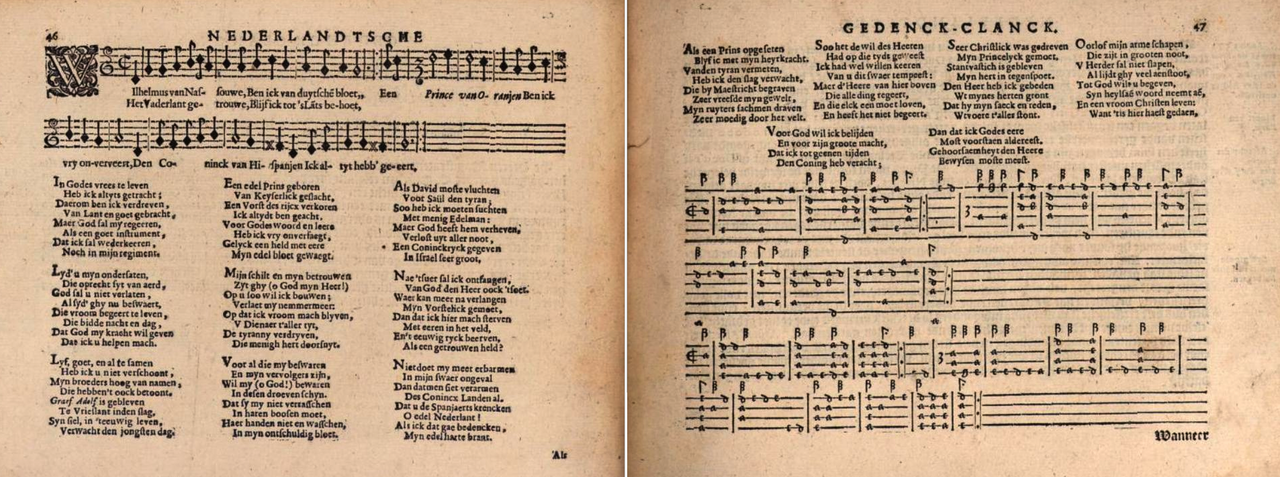 Document
Secondary source
Wilhelmus
Adrianus Valerius · 1572 (text); printed with music 1626
 Document
Primary source
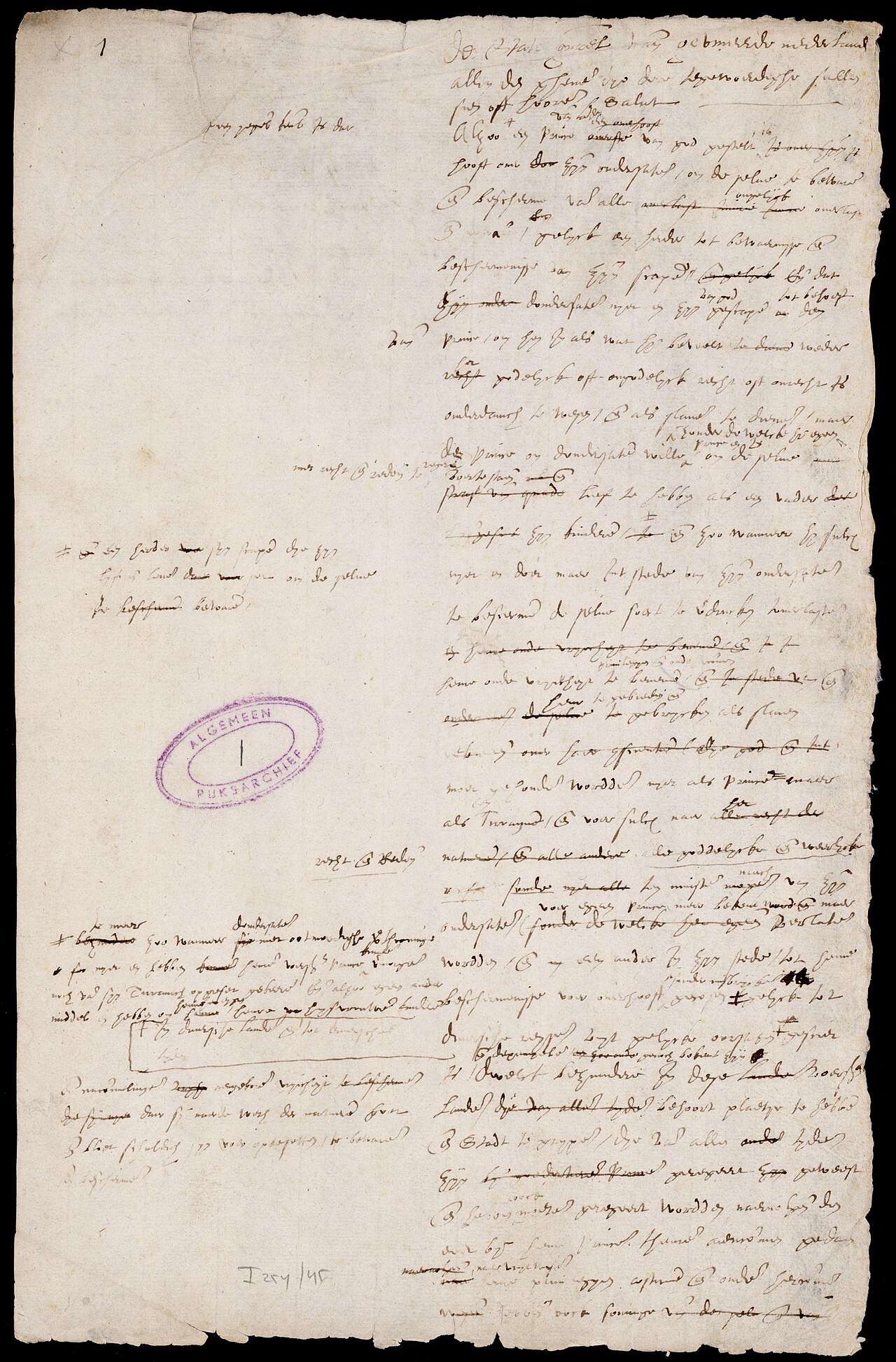
Act of Abjuration
Jan van Asseliers · 26 July 1581
 Artifact
Primary source
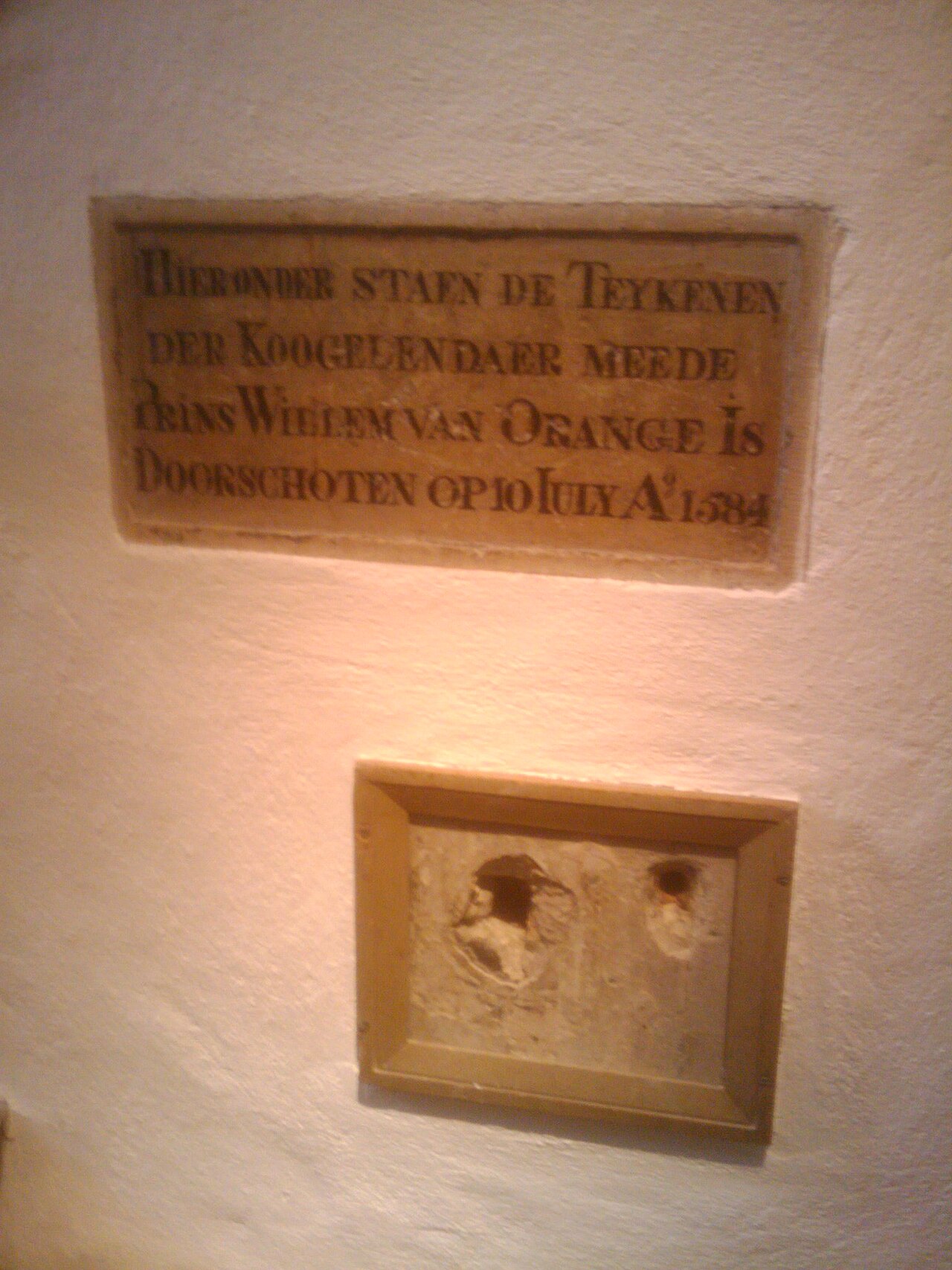
Prinsenhof, Delft
15th century (building); residence 1572–1584
 Painting
Primary source
William I, Prince of Orange
Adriaen Thomasz. Key · 1579
Free account
Read every William the Silent source
Sign up free →
Ready when you are
Start chatting with William the Silent now.
20 messages free · No credit card · Available in 50+ languages.