


Primary sourceBook1904
Wit and Wisdom of Epictetus
Epictetus · 1904
A 1904 English collection of sayings attributed to Epictetus, drawn from the notes taken by his student Arrian.
A 1904 collection presenting sayings attributed to Epictetus, based on notes taken by his student Arrian.
 PDF · 222 pages
About this source
What it is
This small book, printed in 1904 in a limited edition, gathers sayings attributed to Epictetus. The introduction explains that these words were originally recorded by his disciple Flavius Arrian at Nicopolis, since Epictetus himself did not write them down formally.
Why it matters
Because Epictetus never wrote his own teachings, almost everything we know of his thought survives only through Arrian's notes. This book shows how later editors packaged and popularised those notes for new readers, treating Epictetus as a model of plain moral wisdom, as earlier thinkers like Augustine had also done.
Look closer
- Why do we rely on a student's notes rather than Epictetus's own writing?
- What does the introduction suggest about Epictetus's style of speaking?
- How might the sayings change meaning when copied generations later into a printed book?
This book is part of the curated material that grounds the AI version of Epictetus on Humy.ai — when students ask about related events, the AI can quote it and cite it.
More Epictetus sources
Meet the AI Epictetus →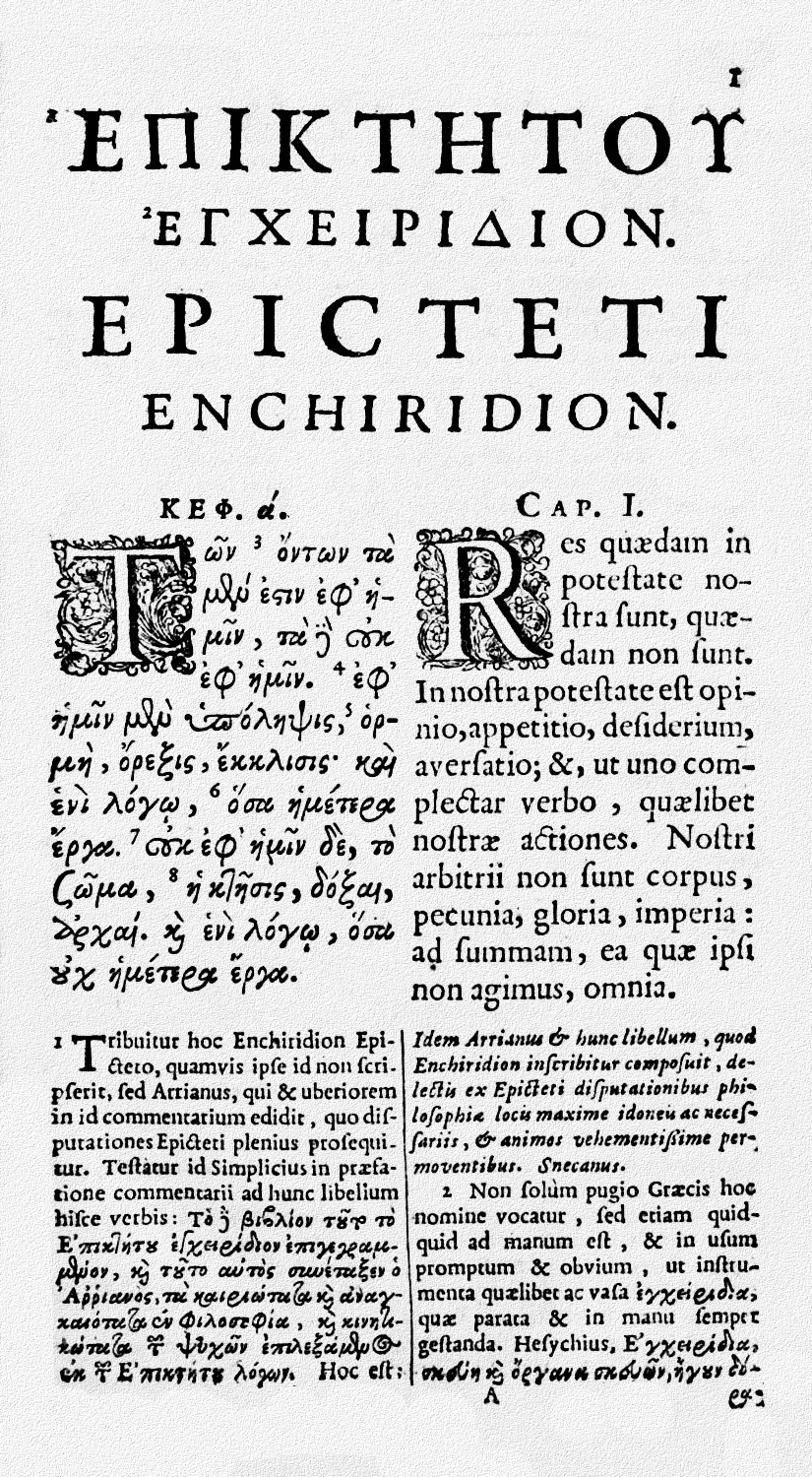 Book
Secondary source
Enchiridion of Epictetus
Arrian · early 2nd century AD (this edition 1683)
 Book
Secondary source
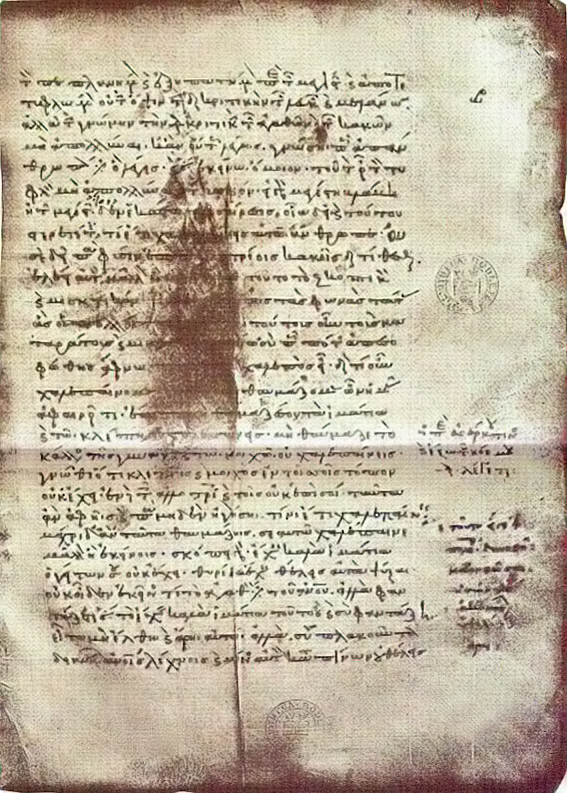
Discourses of Epictetus
Arrian · c. 108 AD
DocumentSecondary source
Codex Bodleianus
c. 11th-12th century
 Book
Primary source
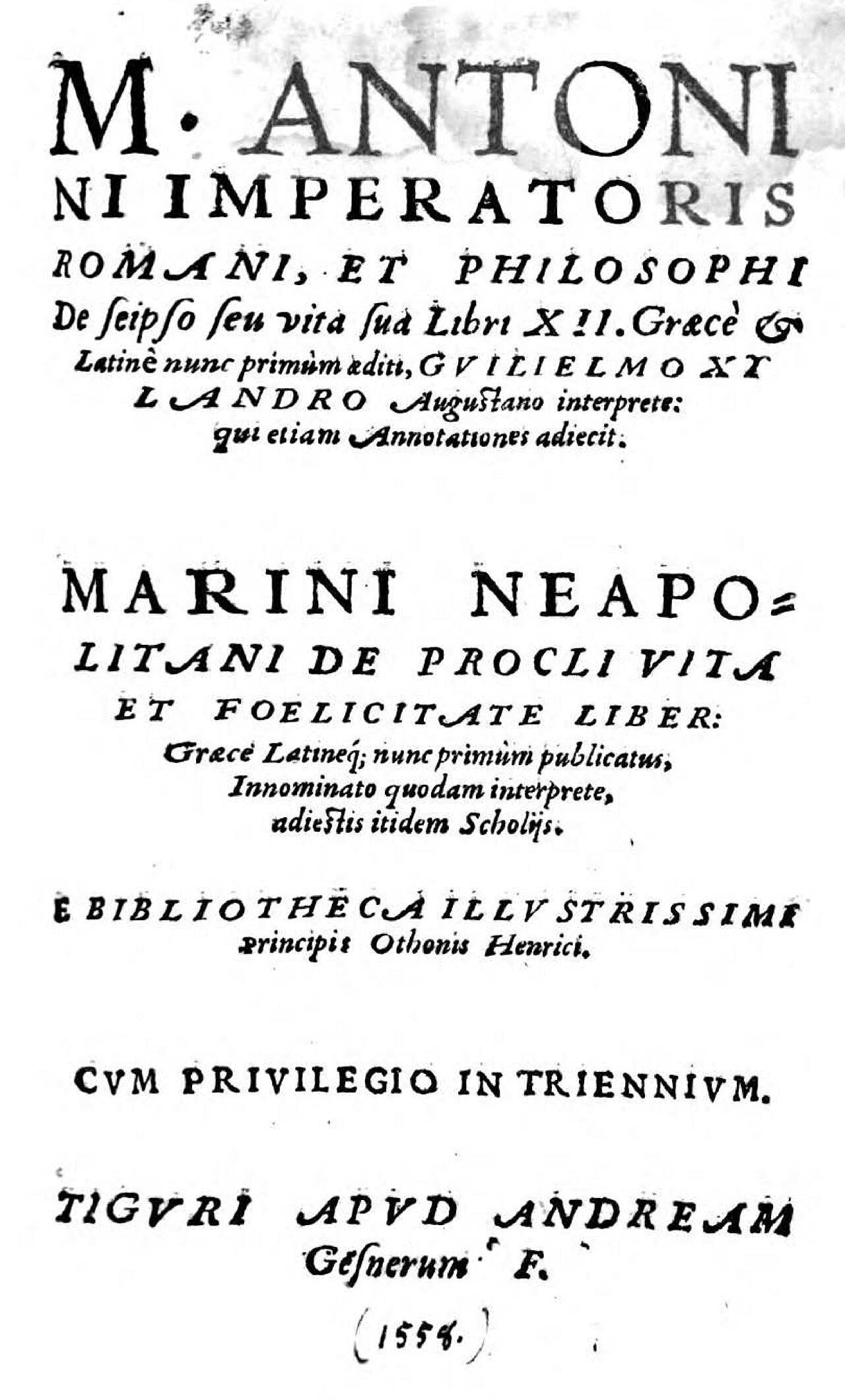
Meditations
Marcus Aurelius · c. 170-180 AD (this edition printed 1558)
 Book
Secondary source
Altercacion, dialogue de l'Empereur Adrian et du Philosophe Epictete
Jean de Coras (translator)
Ready when you are
Start chatting with Epictetus now.
20 messages free · No credit card · Available in 50+ languages.