


Primary sourcePainting1578
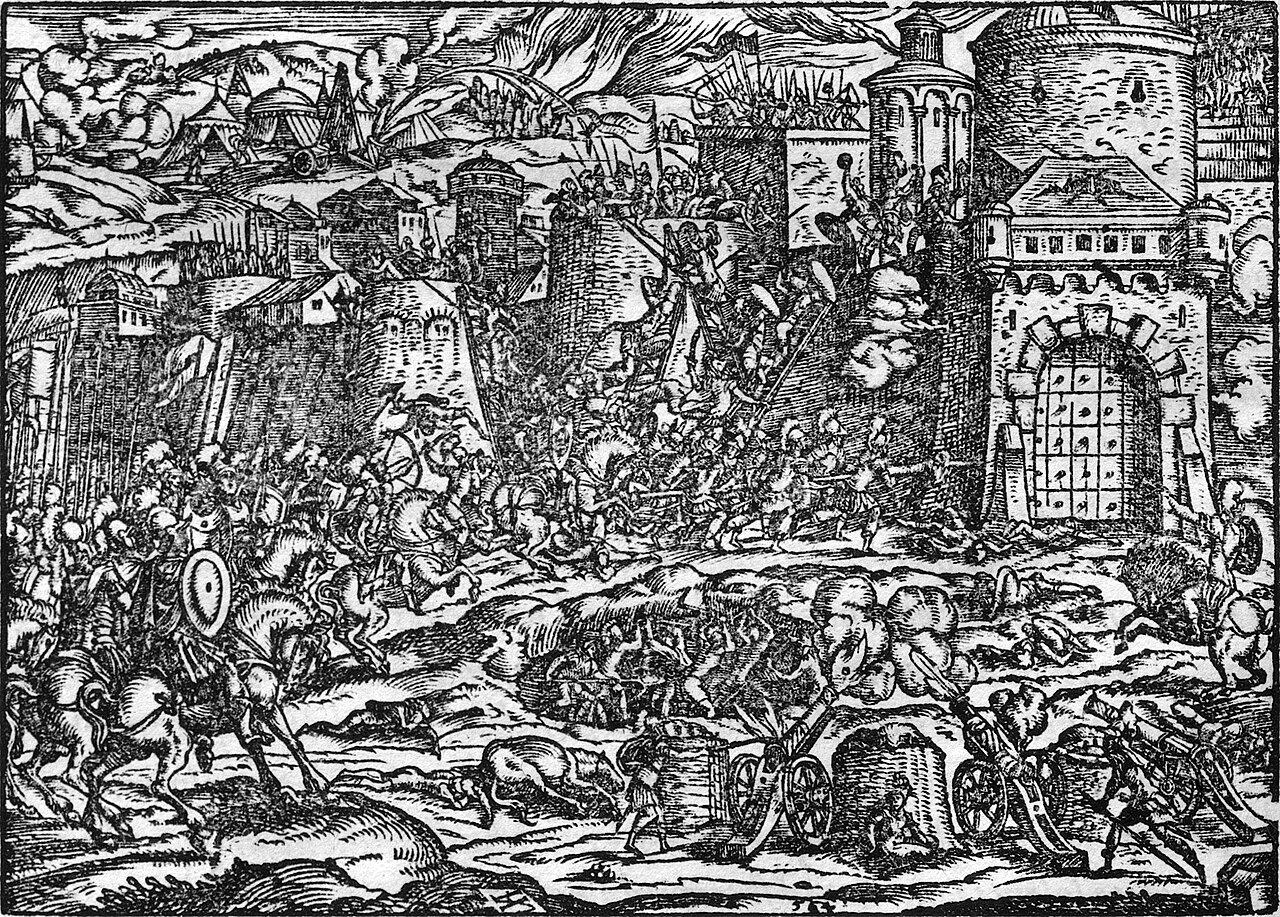
Woodcut of the second siege of Krujë, 1466
Philipp Lonicer · 1578
A 1578 woodcut by Philipp Lonicer showing the 1466 siege of Krujë, Skanderbeg's capital.
It depicts the 1466 siege of Krujë, the capital of Skanderbeg's state, as it was pictured in a sixteenth-century print.
About this source
What it is
This is a black and white woodcut from Philipp Lonicer's 1578 edition. It shows a medieval siege: soldiers with pikes and horses fight before a walled town with towers and a gate. Cannons and carts are in the foreground, and smoke rises above the scene. It depicts the second siege of Krujë in 1466.
Why it matters
Krujë was the capital of Skanderbeg's state, so its sieges were among the defining events of his later years. The woodcut was made more than a century after the siege, so it shows how sixteenth-century European readers imagined the event. It reveals the interest in war and fortified towns that shaped printed histories of the period.
Look closer
- Who appears to be attacking and who is defending the walls, based on what the woodcut shows?
- Why might a printer in 1578 include cannons and smoke in a picture of a siege from 1466?
- What does the image leave out about the people of Krujë and their daily lives during the siege?
This painting is part of the curated material that grounds the AI version of Skanderbeg on Humy.ai — when students ask about related events, the AI can quote it and cite it.
More Skanderbeg sources
Browse all 89 →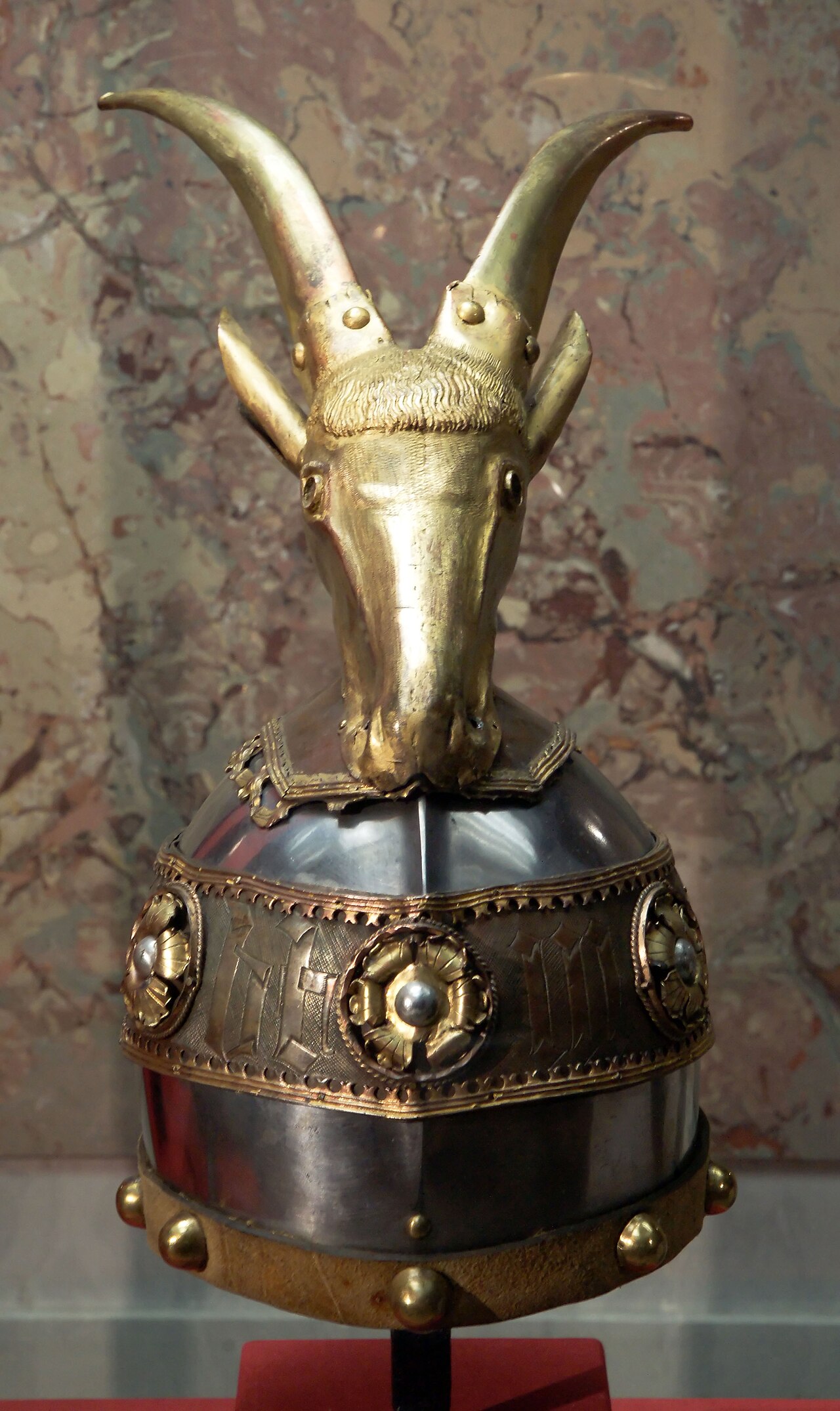 Artifact
Primary source
Helmet of Skanderbeg
c. 1460
 Document
Primary source
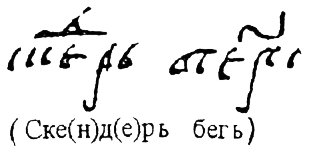
Signature of Skanderbeg
Skanderbeg · 15th century
 Artifact
Primary source
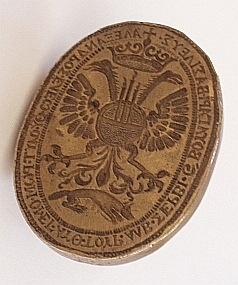
Seal of Skanderbeg
15th century
 Artifact
Primary source
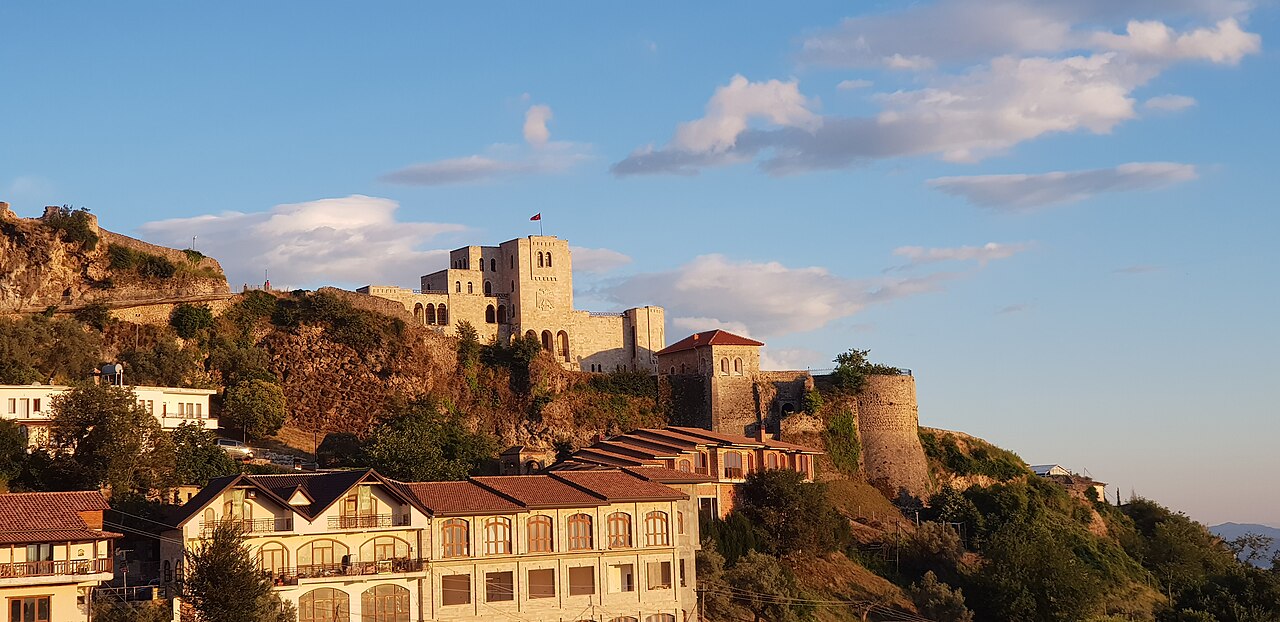
Krujë Castle
rebuilt and defended 1443–1468
Free account
Read every Skanderbeg source
Sign up free →
Ready when you are
Start chatting with Skanderbeg now.
20 messages free · No credit card · Available in 50+ languages.