


Secondary sourceSculpture1973
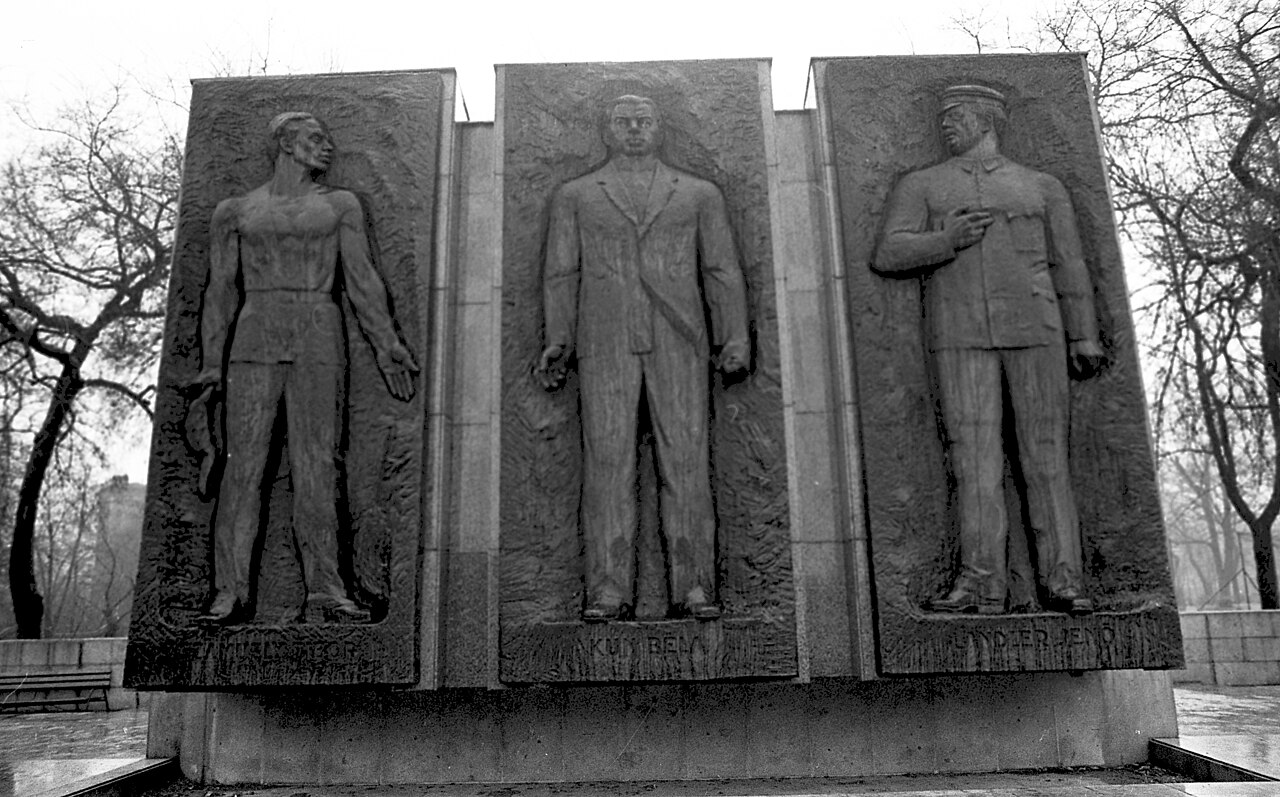
Workers' Movement Memorial, Ludovika (Kun Béla) tér
Olcsai Kiss Zoltán, Farkas Aladár, Herczeg Klára · 1973
A 1973 photograph of a 1967 memorial sculpture in a square once named after Béla Kun, honoring workers' movement fighters.
Photograph of a memorial in a square once named after Kun, showing how the communist state commemorated him.
About this source
What it is
This black-and-white photograph from 1973 shows a stone relief monument made in 1967 by sculptors Olcsai Kiss Zoltán, Farkas Aladár and Herczeg Klára. The memorial, located in Ludovika square (then named Kun Béla tér), has three tall panels showing standing male figures: one shirtless, one in a suit, and one in a long coat and cap, set in a park with bare winter trees.
Why it matters
This memorial honors fighters in the workers' movement and reflects how communist Hungary later commemorated its revolutionary history. The square's naming after Béla Kun shows how the state sought to connect the memory of the 1919 Soviet Republic's leader to later socialist ideals.
Look closer
- Why do you think the three figures are dressed differently?
- What message might this monument have been meant to send to people passing through the square?
- How does naming a public square after a historical figure shape how people remember them?
This sculpture is part of the curated material that grounds the AI version of Béla Kun on Humy.ai — when students ask about related events, the AI can quote it and cite it.
More Béla Kun sources
Meet the AI Béla Kun →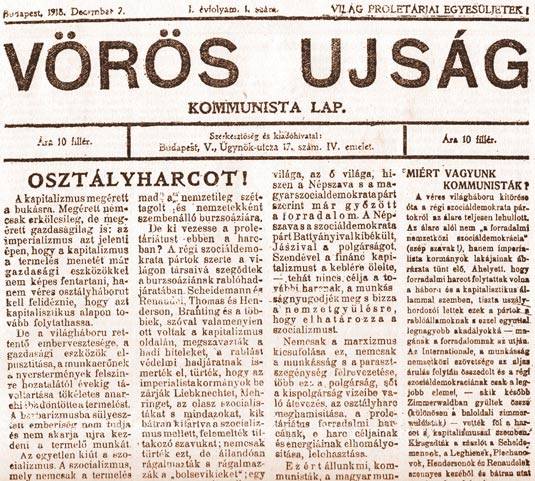 Newspaper article
Primary source
Vörös Újság: First Editorial
Béla Kun · 7 December 1918
 Document
Primary source
Treaty of Trianon
4 June 1920
 Photograph
Primary source
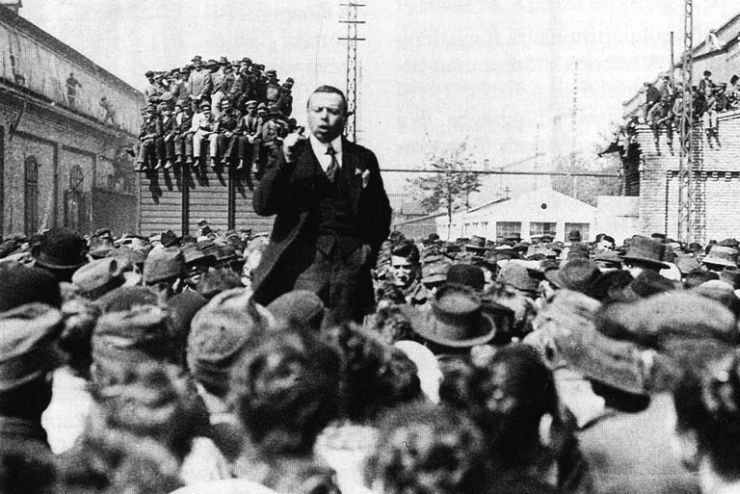
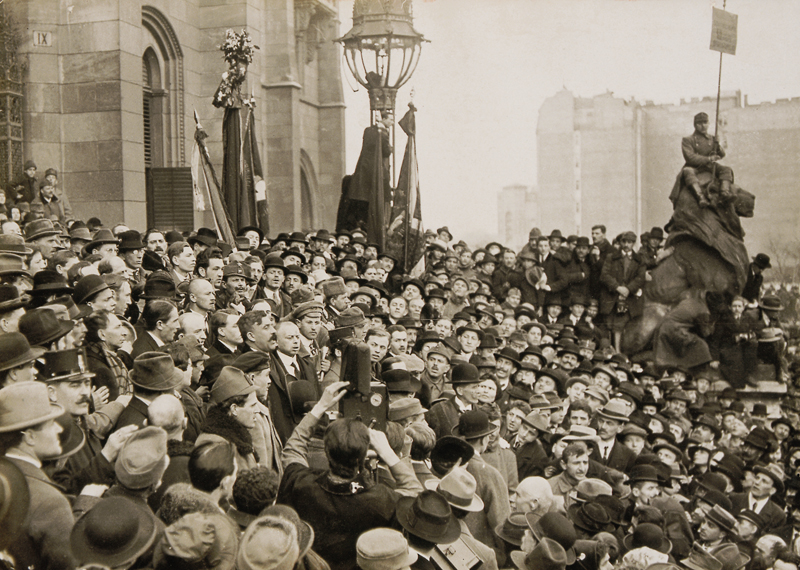
Béla Kun, Leader of the 1919 Hungarian Revolution
1919
 Photograph
Primary source
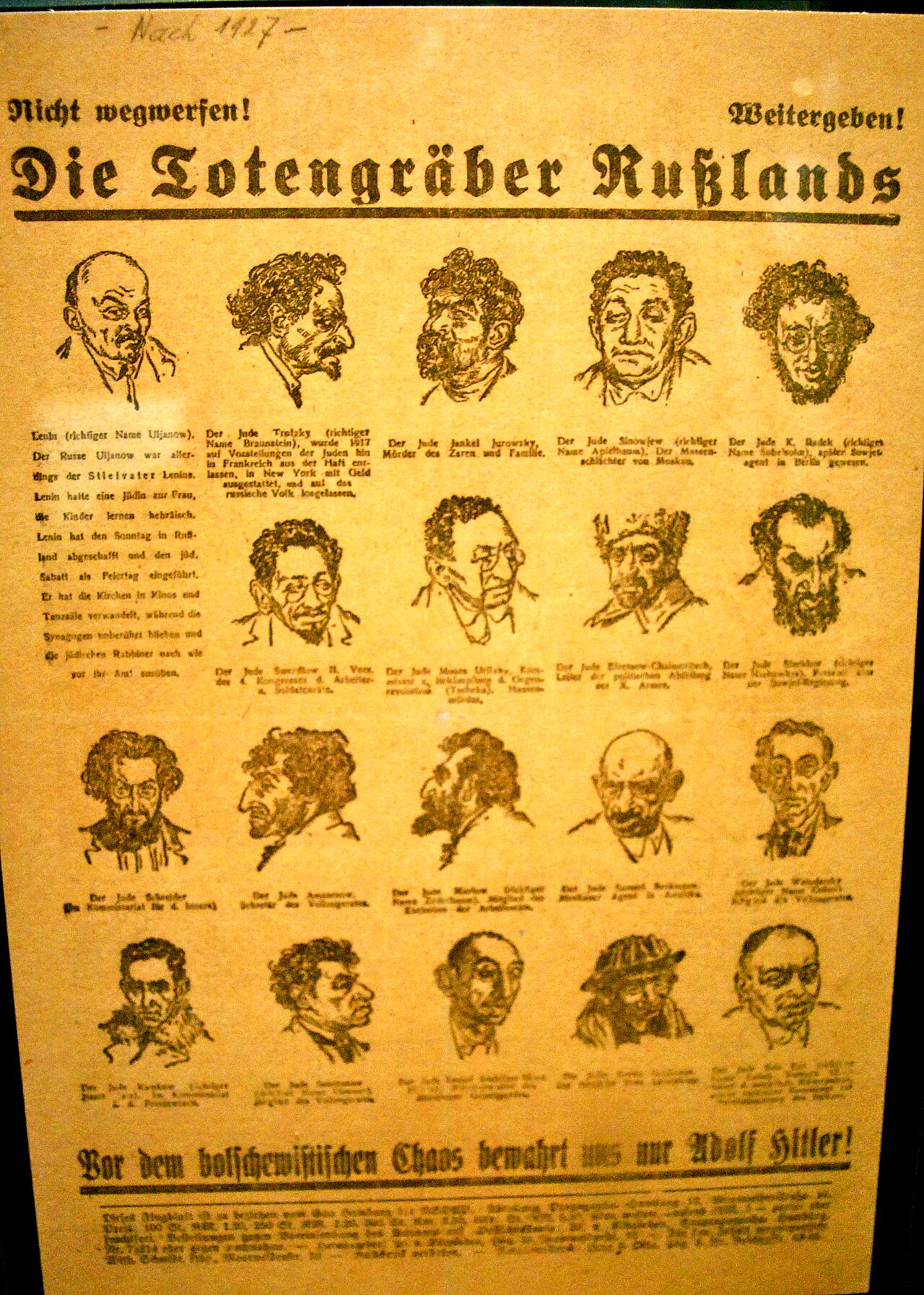
Die Totengräber Russlands
March 1937
 Photograph
Primary source
Sándor Garbai and Béla Kun, Leaders of the Hungarian Soviet Republic
1919
Ready when you are
Start chatting with Béla Kun now.
20 messages free · No credit card · Available in 50+ languages.