


Primary sourceDocument1042–1066
Writs and charters of Edward the Confessor
Royal scribes of Edward the Confessor · 1042–1066
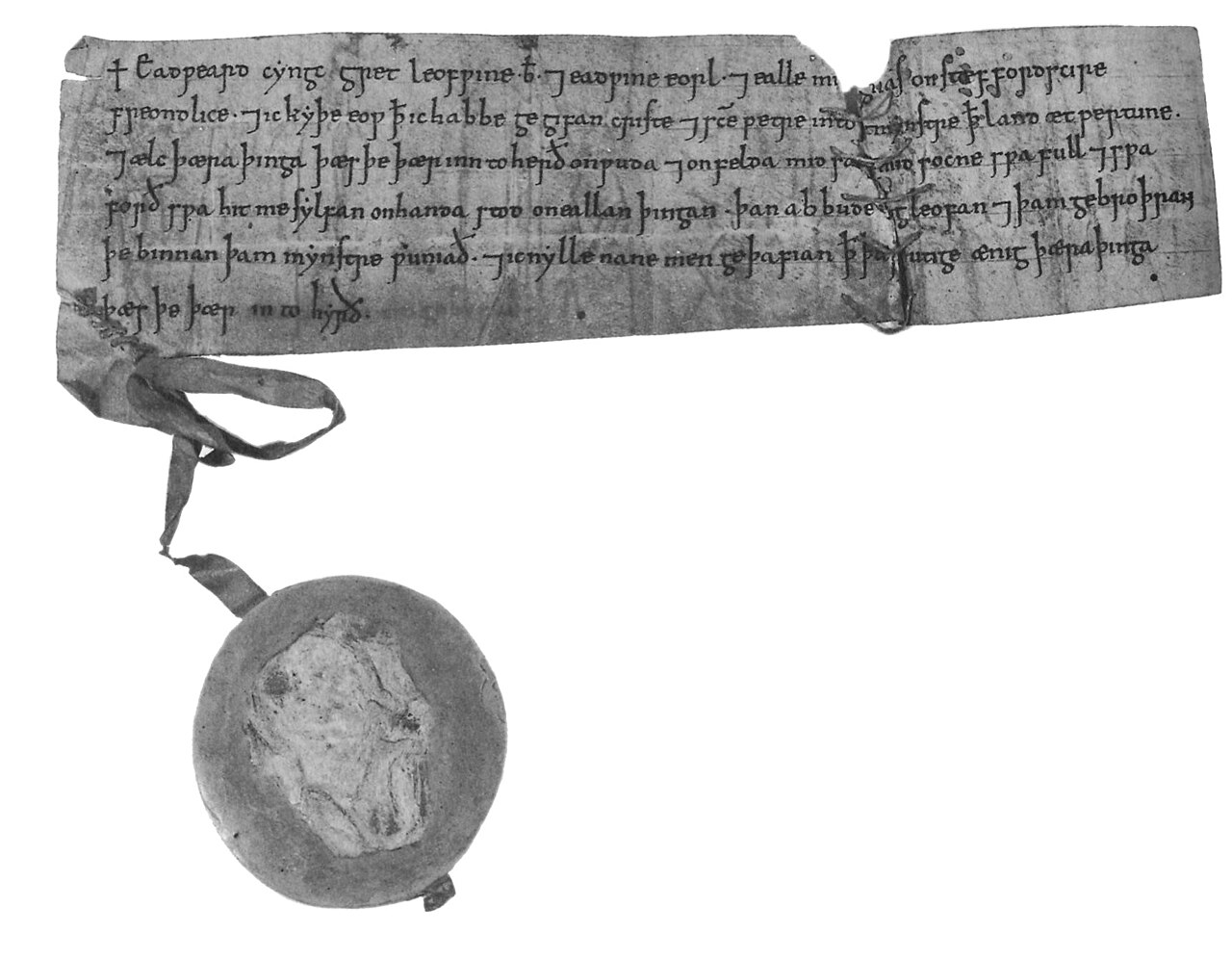
Sealed vernacular writs issued by Edward the Confessor's royal chancery, surviving as originals in cathedral and abbey archives.
These writs are Edward's own administrative documents, issued under his authority and sealed in his name.
Free Humy account · No credit card · 120,912 sources to read
About this source
What it is
These are sealed writs and charters issued by royal scribes in the name of Edward the Confessor between 1042 and 1066. Some survive as original parchment documents, with wax seals still attached, kept today in archives such as Westminster Abbey Muniments and the British Library.
Why it matters
Written in the vernacular Old English, these writs are Edward's own administrative voice, recording his instructions and grants to institutions like Westminster Abbey. They show the late Anglo-Saxon royal chancery functioning in practice, and are direct evidence of how government worked under Edward, rather than later accounts written about him.
Look closer
- What does the use of Old English, rather than Latin, tell us about this writ's purpose and audience?
- Why might a wax seal matter for proving a document's authenticity?
- What kind of decisions or grants might a king's writ typically record?
This document is part of the curated material that grounds the AI version of Edward the Confessor and Harold Godwinson on Humy.ai — when students ask about related events, the AI can quote it and cite it.
More Edward the Confessor sources
Browse all 67 → Artifact
Primary source
Bayeux Tapestry
c. 1070s-1100
 Document
Primary source
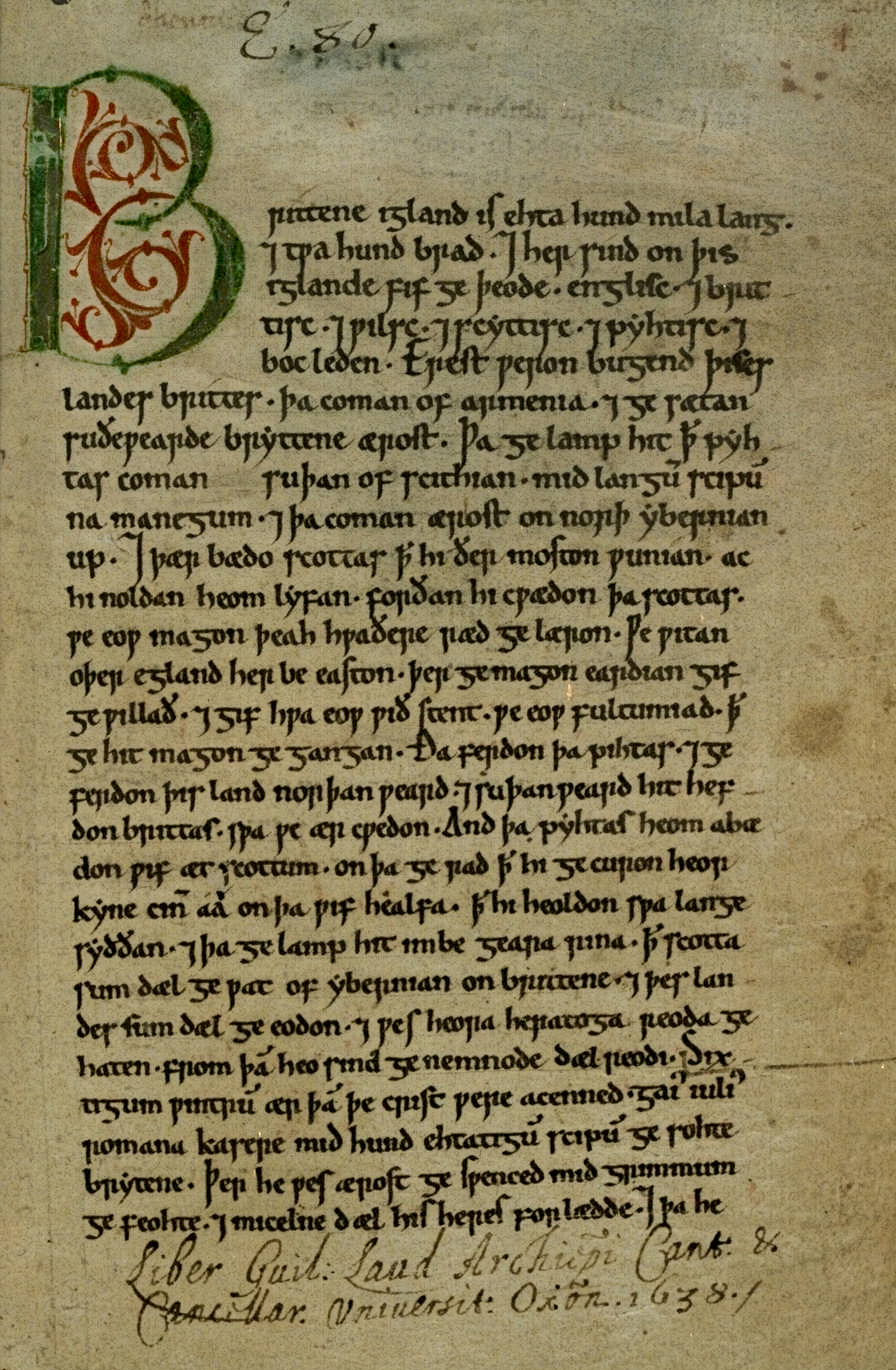
Anglo-Saxon Chronicle
c. 890 (Common Stock)
 Artifact
Primary source
Great Seal of Edward the Confessor
Unknown maker · 1042–1066
 Artifact
Primary source
Silver Pennies of Edward the Confessor
Royal moneyers of England · 1042–1066

Free account
Read every Edward the Confessor source
Sign up free →
Ready when you are
Start chatting with Edward the Confessor now.
20 messages free · No credit card · Available in 50+ languages.