


Primary sourceBookc. 1815
Written on the Day that Mr Leigh Hunt left Prison
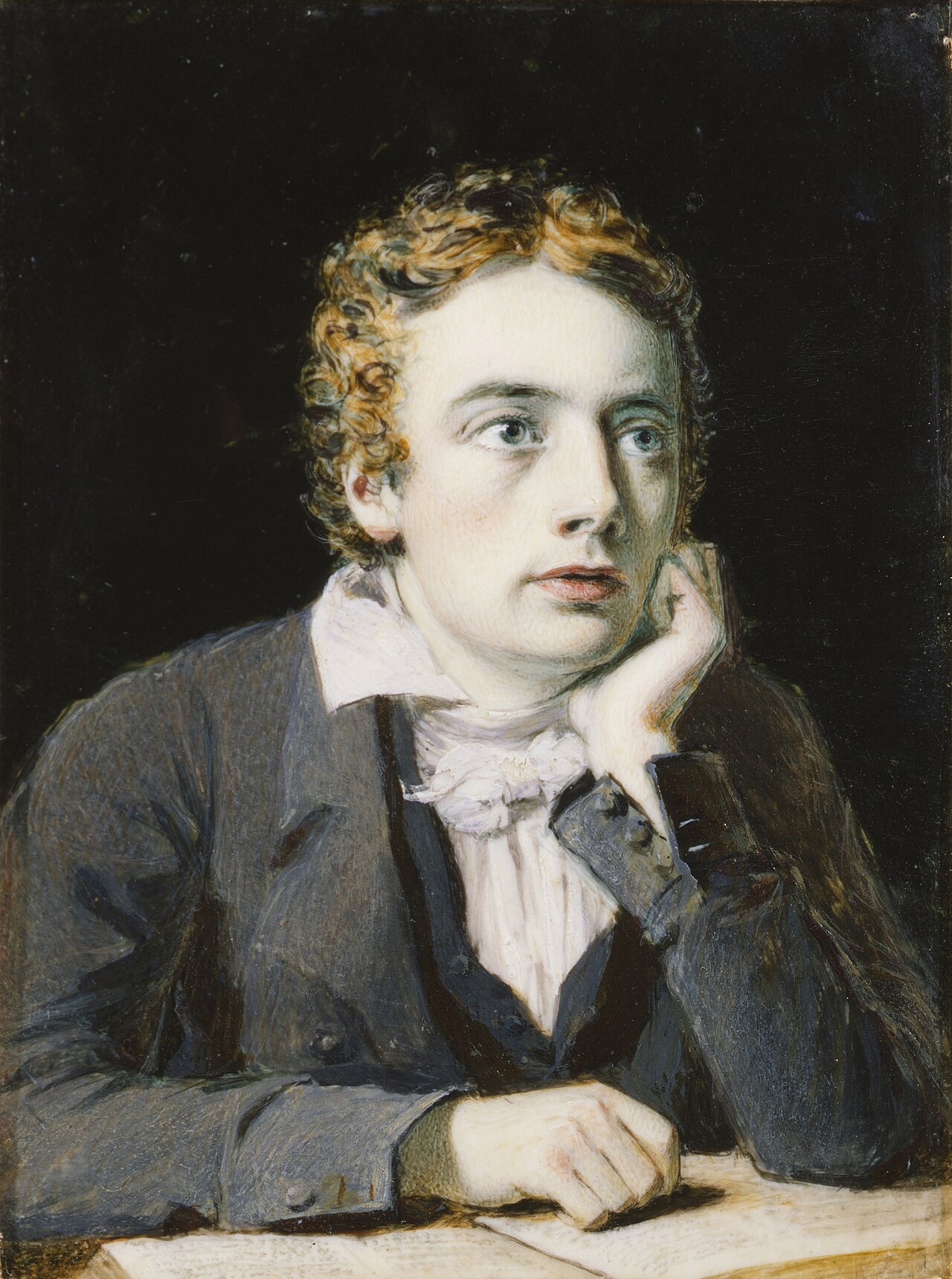
John Keats · c. 1815
An 1815 sonnet by Keats celebrating the release of editor Leigh Hunt from prison, showing the young poet's liberal sympathies.
One of Keats's earliest poems, written in admiration of Leigh Hunt, the editor who later championed his work.
Free Humy account · No credit card · 120,912 sources to read
About this source
What it is
This sonnet was written by John Keats around February 1815, on the occasion of Leigh Hunt's release from prison, where Hunt had been jailed for criticising the state in print. Keats showed the poem to his friend Charles Cowden Clarke, who later recalled Keats's nervous hesitation in offering it. It was printed in Keats's 1817 volume.
The sonnet praises Hunt's free spirit, comparing his imprisoned mind to the flights of poets like Spenser and Milton.
Why it matters
As one of Keats's earliest known poems, it reveals his admiration for Leigh Hunt, the liberal editor who would later publish and champion his work, and shows the teenage Keats's political sympathies and literary ambitions.
Look closer
- What does the poem suggest about Keats's feelings toward authority and free speech?
- Why might Keats have been nervous to show this early poem to a friend?
- How does Keats connect Hunt's imprisonment to the freedom of the imagination?
This book is part of the curated material that grounds the AI version of John Keats on Humy.ai — when students ask about related events, the AI can quote it and cite it.
More John Keats sources
Browse all 97 → Book
Primary source
Ode to a Nightingale
John Keats · 1819, published 1820
Primary source
Ode on a Grecian Urn
John Keats · May 1819, published 1820
 Book
Primary source
To Autumn
John Keats · 19 September 1819, published 1820
 Book
Primary source
On First Looking into Chapman's Homer
John Keats · October 1816

Free account
Read every John Keats source
Sign up free →
Ready when you are
Start chatting with John Keats now.
20 messages free · No credit card · Available in 50+ languages.