


Secondary sourcePhotograph8 August 2024
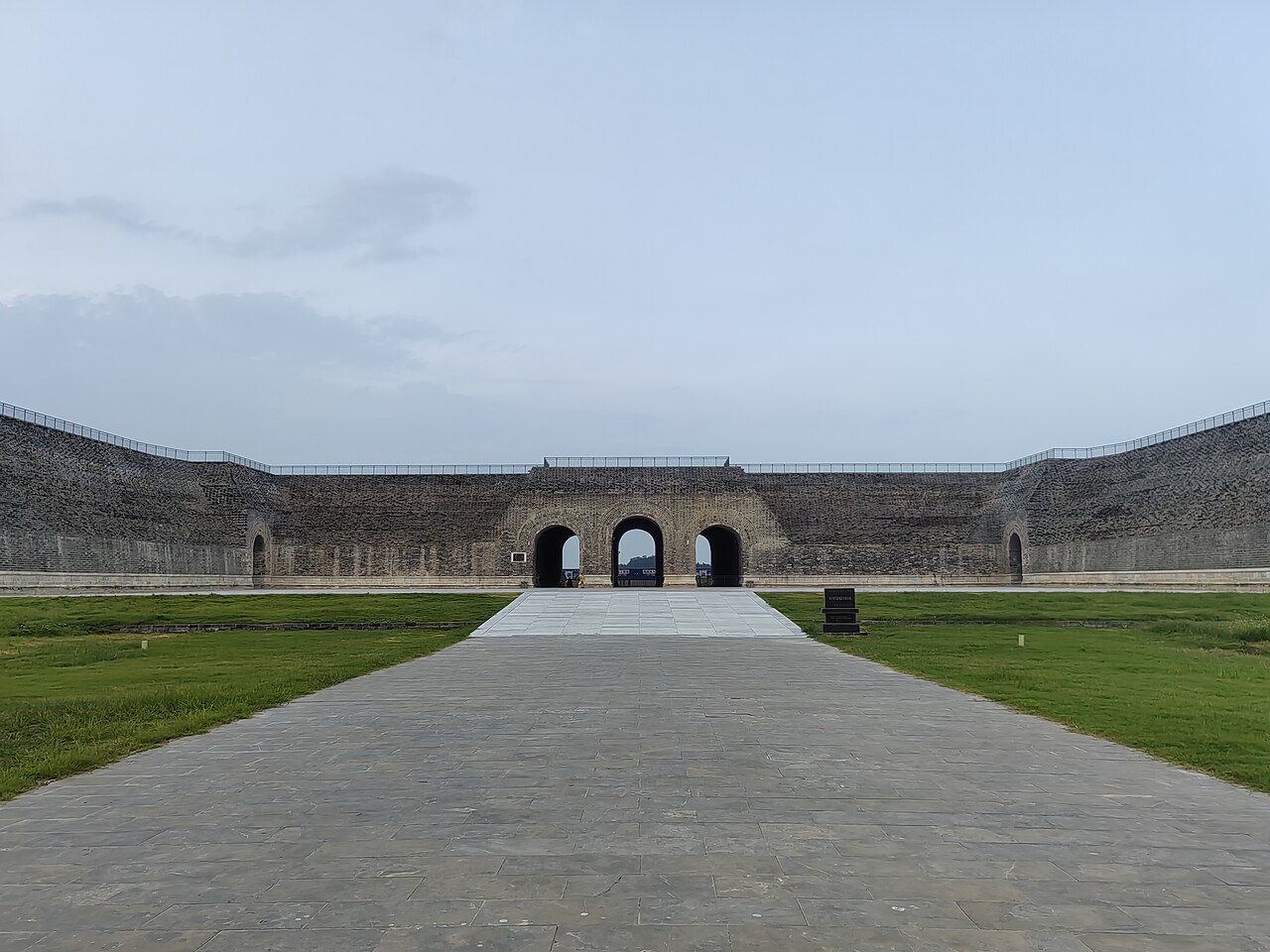
Wu Men Gate, Fengyang County
Yumeto · 8 August 2024
A recent photograph of a stone-and-brick city gate in Fengyang, the home area of the Hongwu Emperor. It shows a modern view of a Ming-era site.
A modern view of Fengyang, the founder's home area, showing a gate that connects the emperor's early life to the present landscape.
About this source
What it is
This is a photograph of Wu Men, a gate in Fengyang County, taken on 8 August 2024 by the photographer Yumeto. It shows a large stone-and-brick city wall with three arched gateways at its center, reached by a long paved path bordered by grass lawns, under a pale overcast sky. It is a modern photograph, not an image from the Ming period.
Why it matters
Fengyang was the home area of the Hongwu Emperor, who founded the Ming dynasty and ruled from 1368 to 1398. A photograph taken today cannot show how the site looked in his lifetime, but it shows what remains of the region connected to his early life. Historians compare modern images like this with older records to understand how places linked to a ruler are kept and visited now.
Look closer
- What do the three arches and the wall tell you about how the gate was built and used?
- Why might a photographer choose a wide view with an empty path, and what does that leave out?
- How would this place have looked around 1400, and what evidence would you need to know?
This photograph is part of the curated material that grounds the AI version of Zhu Yuanzhang on Humy.ai — when students ask about related events, the AI can quote it and cite it.
More Zhu Yuanzhang sources
Browse all 85 →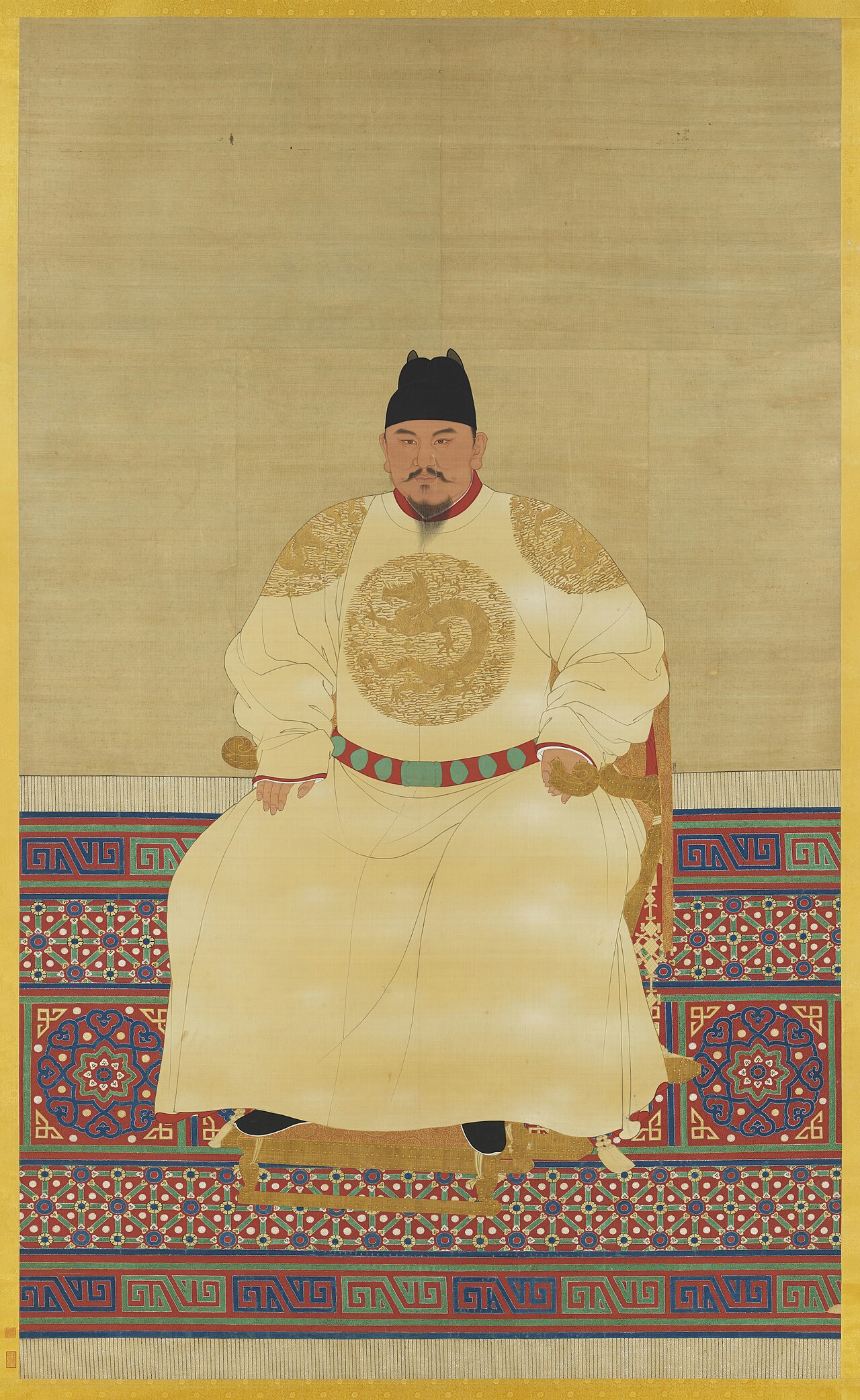 Painting
Secondary source
Emperor Tai-tsu of the Ming Dynasty
 Artifact
Primary source
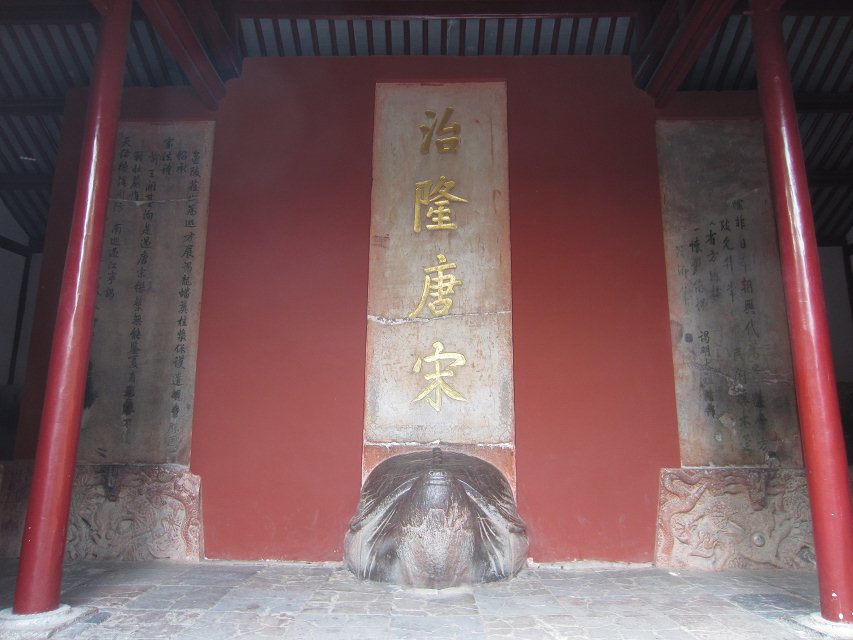
Ming Xiaoling Mausoleum
Hongwu Emperor (commissioned) · 1381–1405
 Document
Secondary source
Ming Shilu
compiled after his reign
 Artifact
Primary source
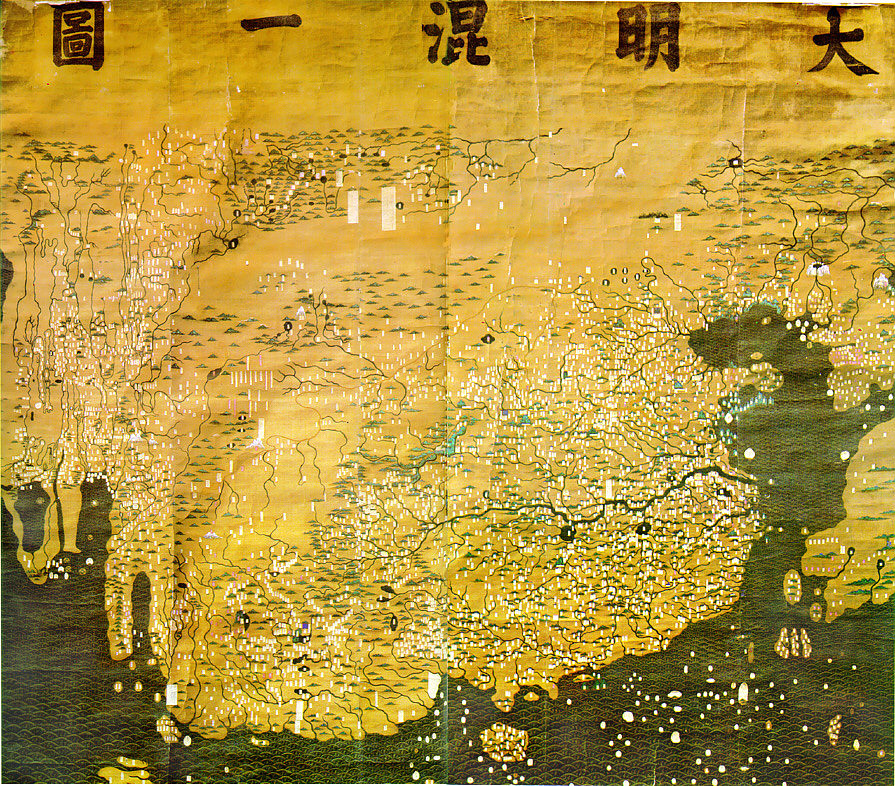
Da Ming Hun Yi Tu
1389 (surviving copy later)
Free account
Read every Zhu Yuanzhang source
Sign up free →
Ready when you are
Start chatting with Zhu Yuanzhang now.
20 messages free · No credit card · Available in 50+ languages.