


Primary sourcePainting1925
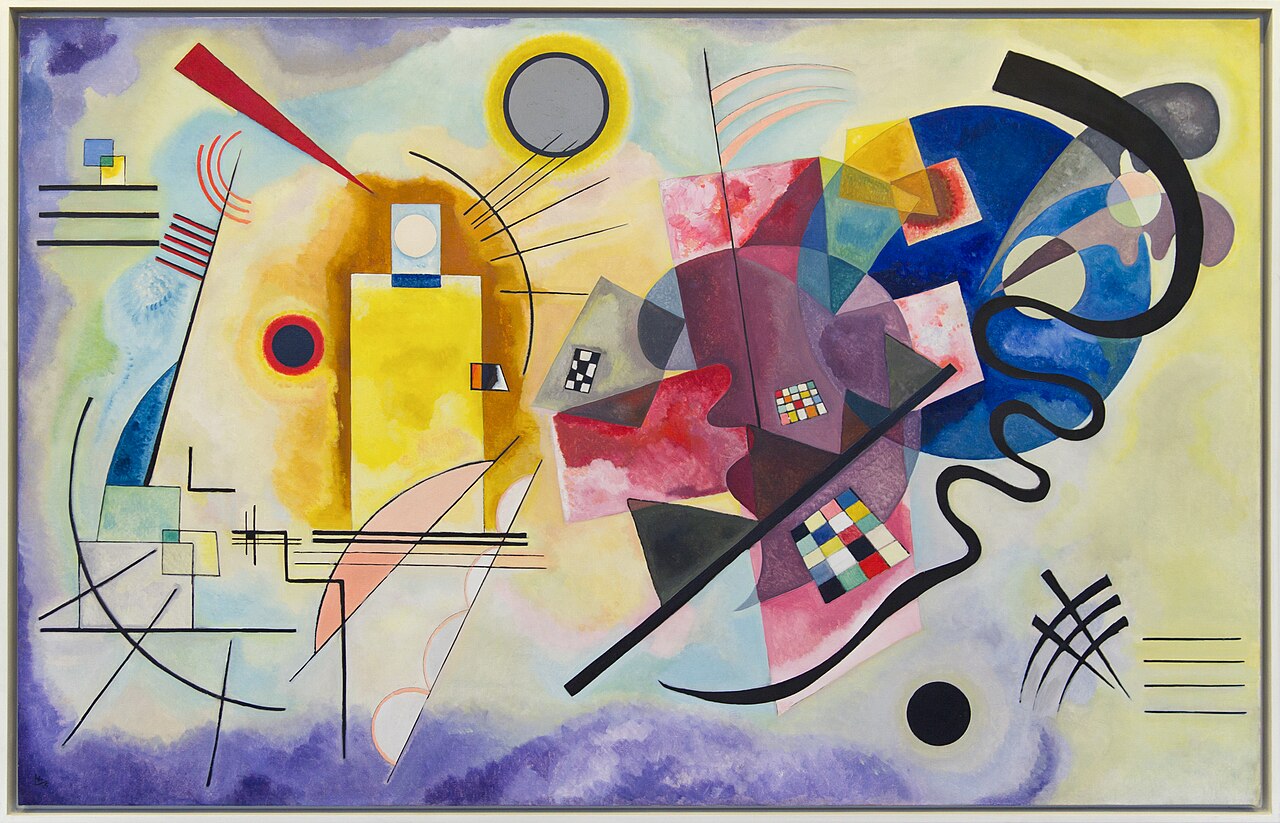
Yellow-Red-Blue
Wassily Kandinsky · 1925
A large 1925 canvas by Kandinsky exploring his theory that colors and shapes have particular relationships, like yellow with sharp forms and blue with the circle.
This painting demonstrates Kandinsky's Bauhaus-era theory linking specific colors to specific shapes.
About this source
What it is
Yellow-Red-Blue is a painting by Wassily Kandinsky, held by the Musée National d'Art Moderne. It shows a yellow arch shape, a red and pink geometric mass, and a large blue curved area, crossed by black lines, arcs and small grids.
Why it matters
Painted during his Bauhaus years, this work stages Kandinsky's ideas about correspondences between colour and form — pairing yellow with sharp angular shapes and blue with the circle. It reflects the theoretical, almost scientific approach to abstraction he developed while teaching.
Look closer
- Can you find the yellow, red and blue areas, and what shapes go with each colour?
- Why might Kandinsky have paired certain colors with certain shapes?
- What is lost by not using any recognizable people or objects?
This painting is part of the curated material that grounds the AI version of Wassily Kandinsky on Humy.ai — when students ask about related events, the AI can quote it and cite it.
More Wassily Kandinsky sources
Browse all 93 →Primary source
Concerning the Spiritual in Art
Wassily Kandinsky · 1911 (dated 1912)
 Painting
Primary source
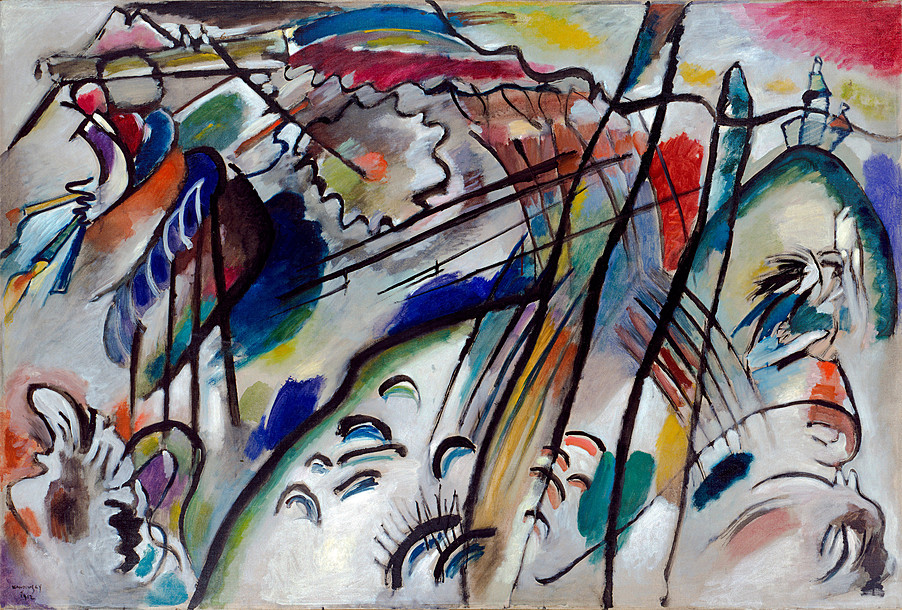
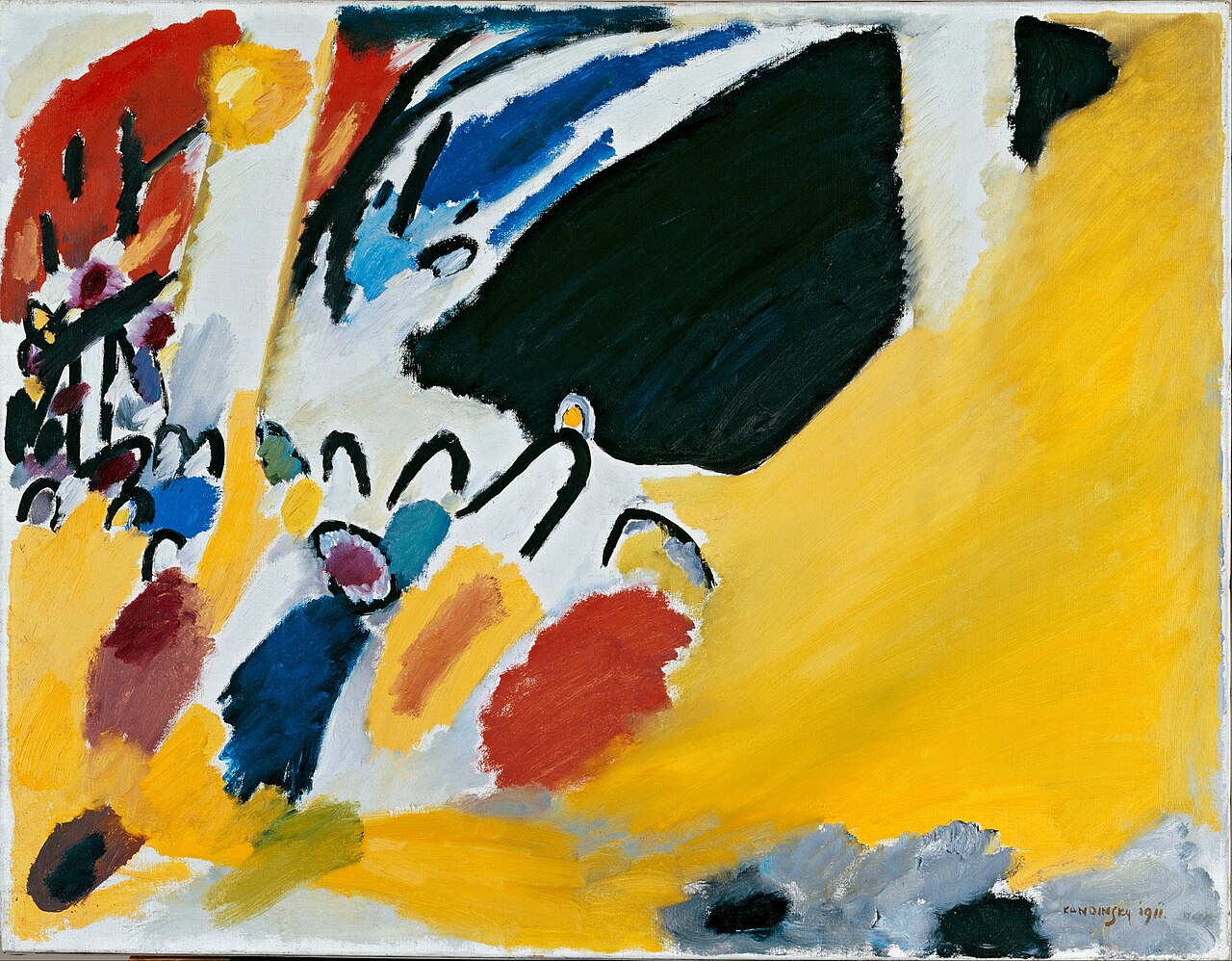
Improvisation 28 (second version)
Wassily Kandinsky · 1912
 Painting
Primary source
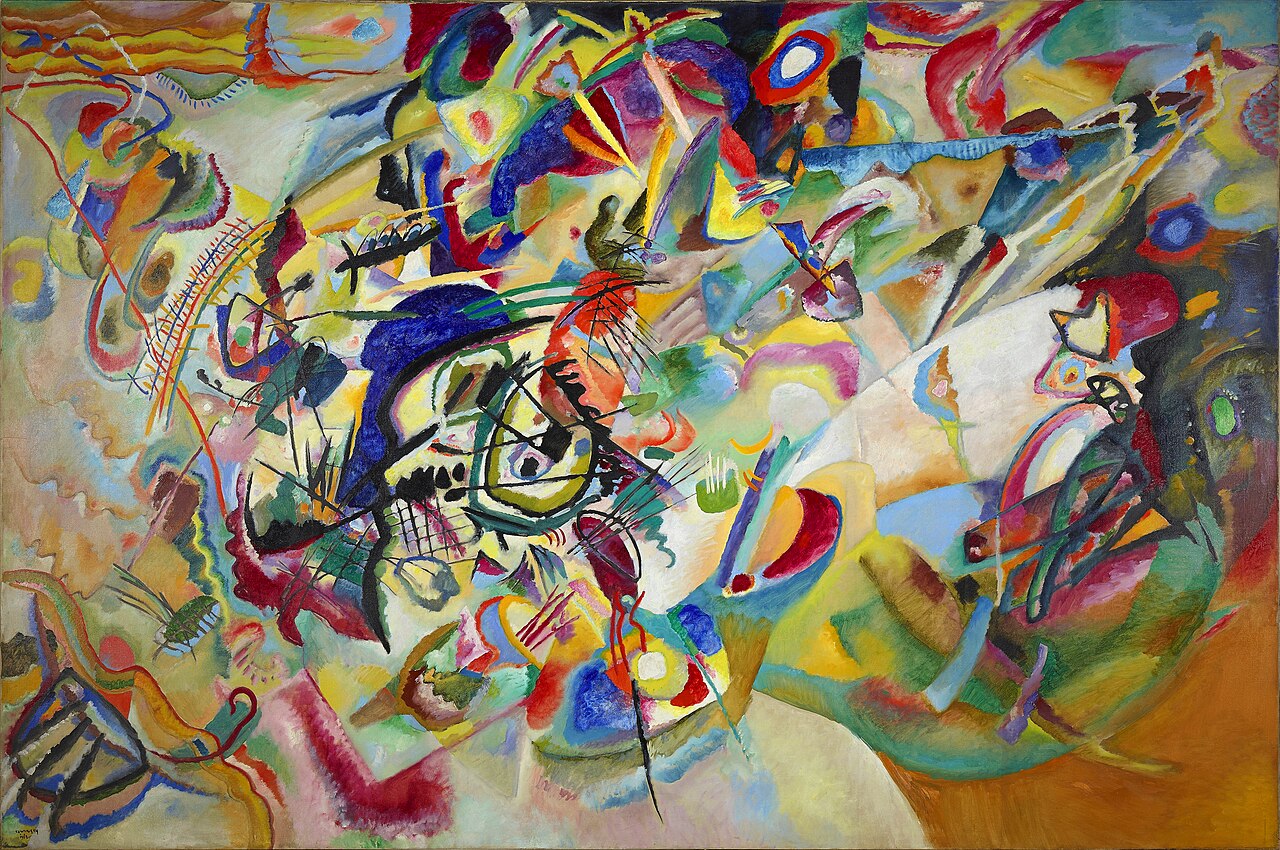
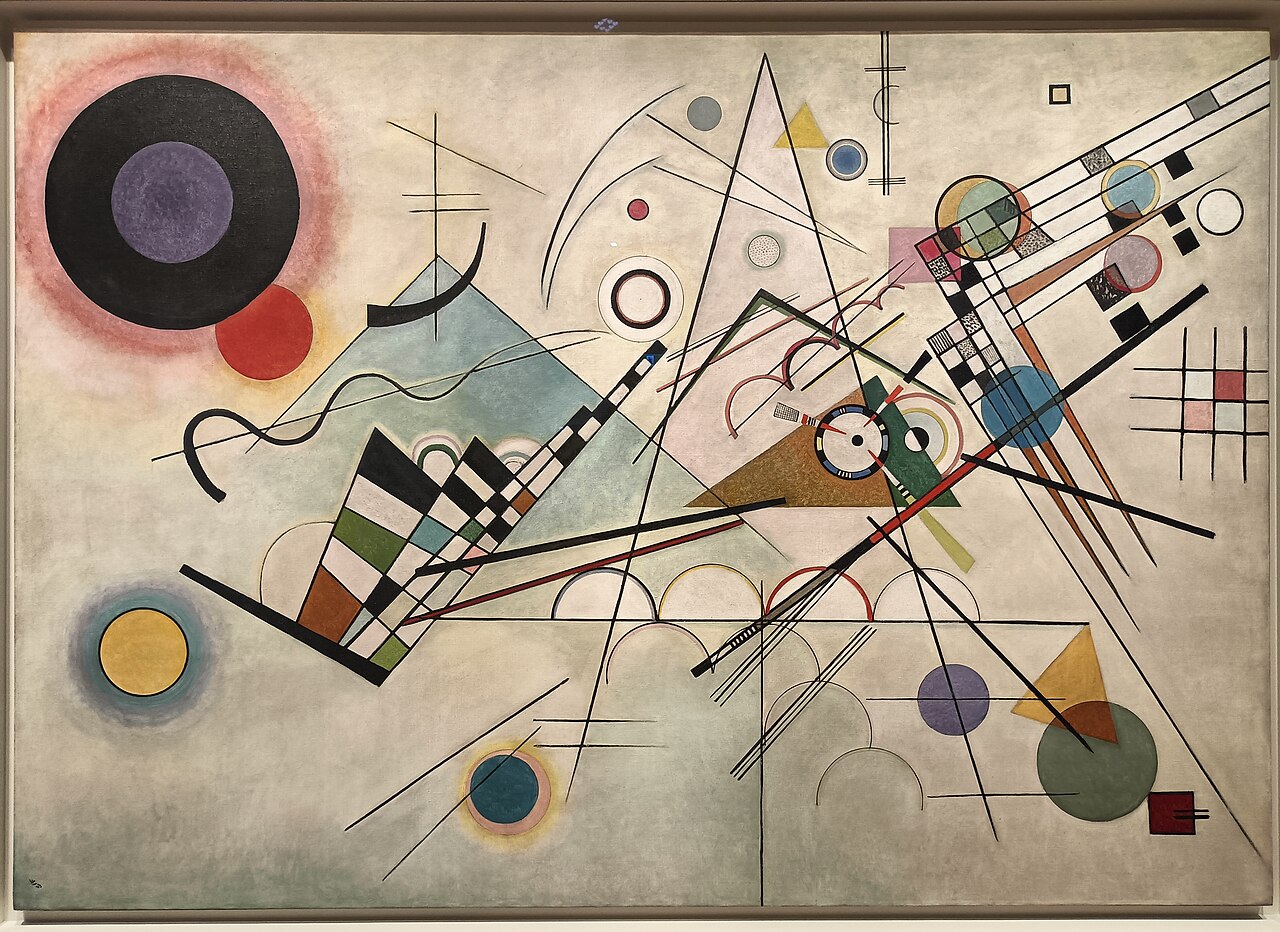
Composition VII
Wassily Kandinsky · 1913
 Painting
Primary source
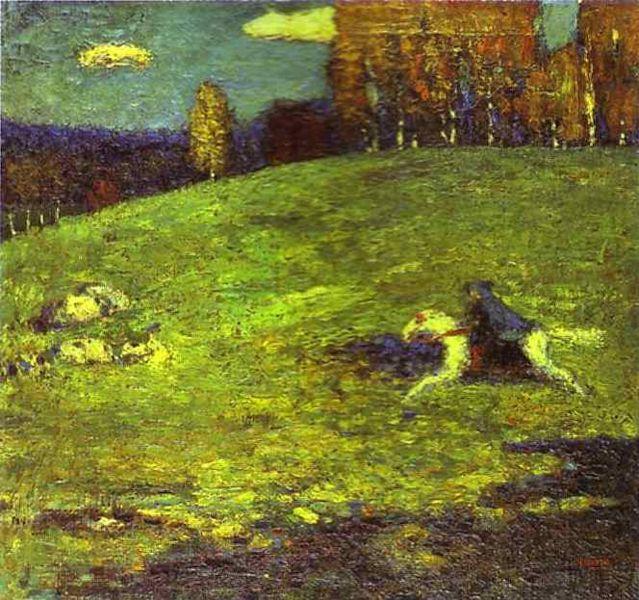
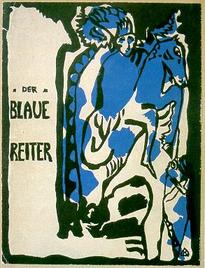
The Blue Rider
Wassily Kandinsky · 1903
Free account
Read every Wassily Kandinsky source
Sign up free →
Ready when you are
Start chatting with Wassily Kandinsky now.
20 messages free · No credit card · Available in 50+ languages.