


Primary sourceArtifactafter 1402
Yongle Porcelain Reign Mark
after 1402
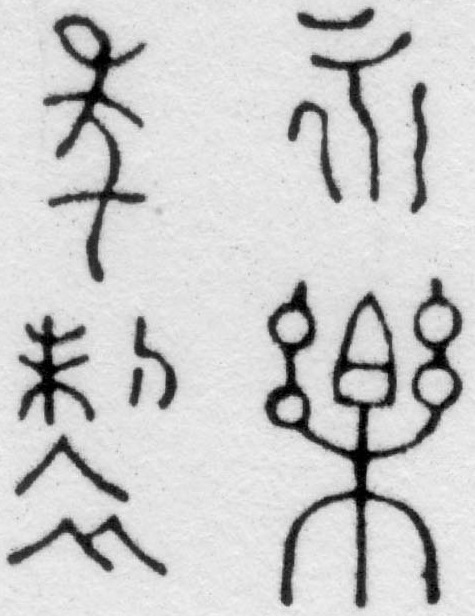
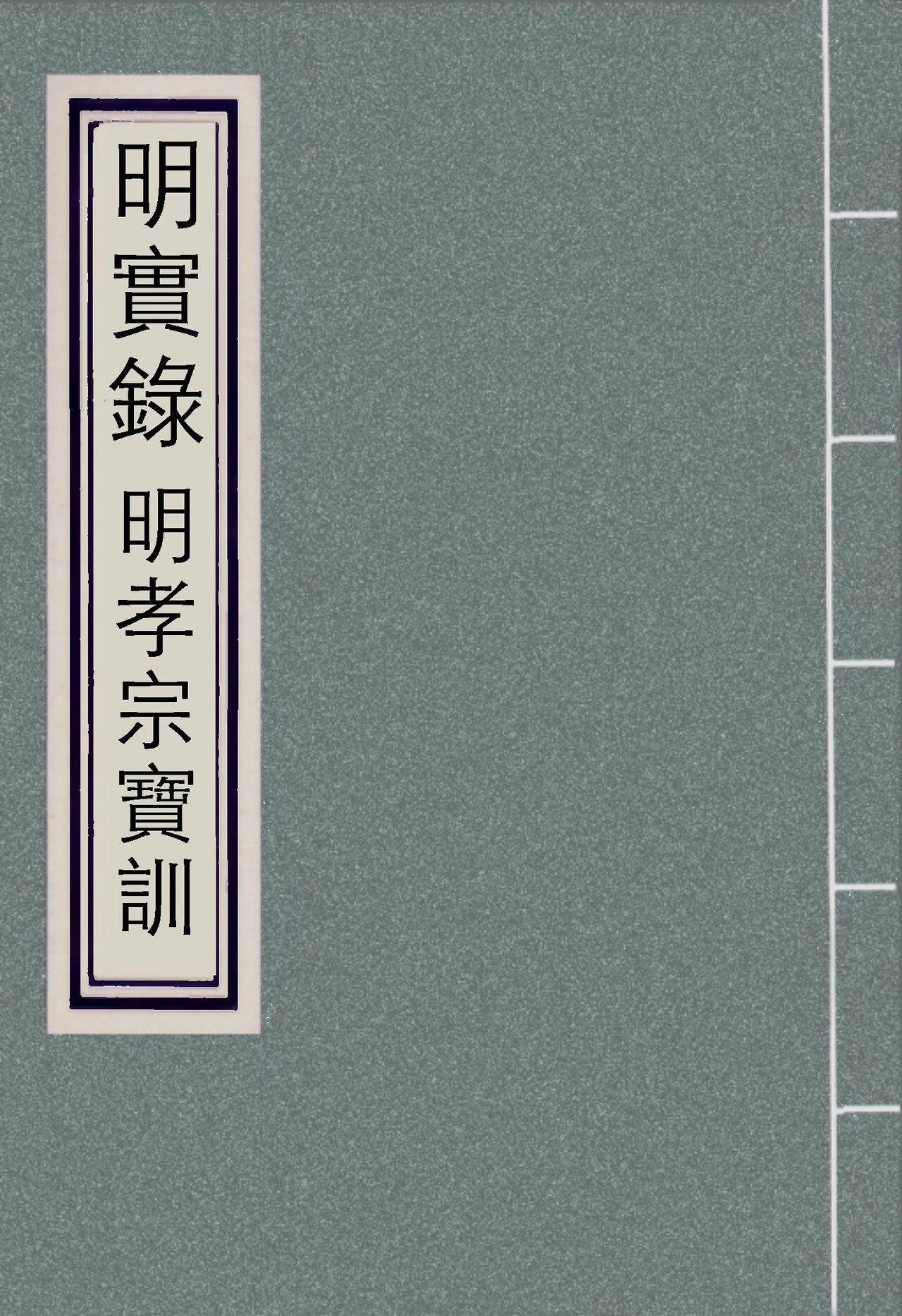
A hand-drawn example of the reign mark used on porcelain made during the Yongle Emperor's rule.
The mark bears the Yongle Emperor's reign name, showing how his authority was stamped onto imperial porcelain.
About this source
What it is
This is an image showing a reign mark used on porcelain from the Ming dynasty. The inscription reads, in order, characters meaning "period," "make," and "Yongle," identifying the porcelain as made during the reign of the Yongle Emperor, who ruled after 1402.
Why it matters
Reign marks like this one were placed on fine porcelain to show it was produced under imperial authority, during a specific emperor's rule. These marks help historians and collectors identify when and under whose reign a piece of porcelain was made, connecting everyday objects to the political history of the Ming dynasty.
Look closer
- Why might a ruler want his name placed on objects made far from the palace?
- What does the use of reign marks tell us about how Chinese potters and officials organized production?
- How might such a mark have been copied or faked, and why would that matter?
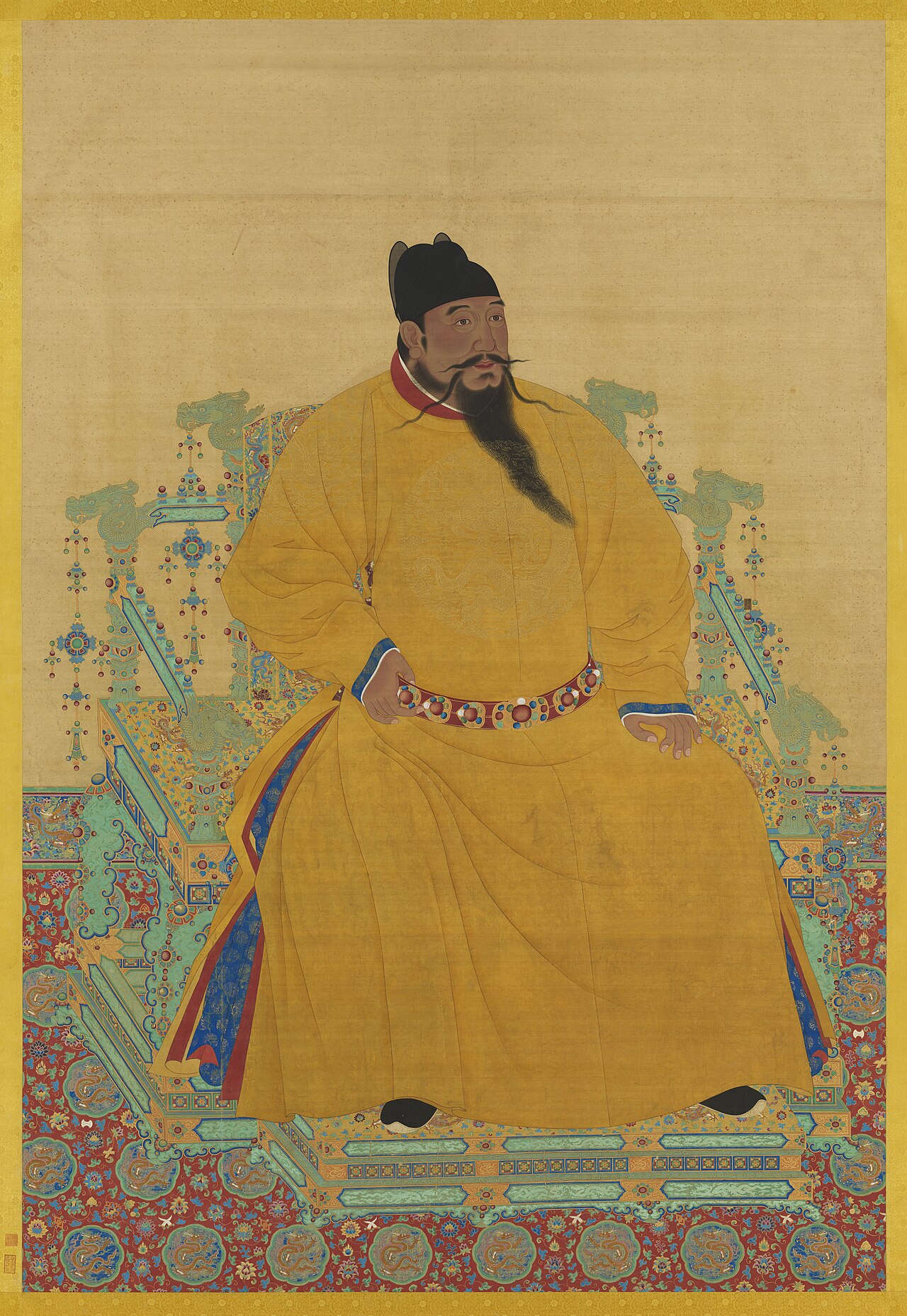
This artifact is part of the curated material that grounds the AI version of Yongle Emperor on Humy.ai — when students ask about related events, the AI can quote it and cite it.
More Yongle Emperor sources
Meet the AI Yongle Emperor →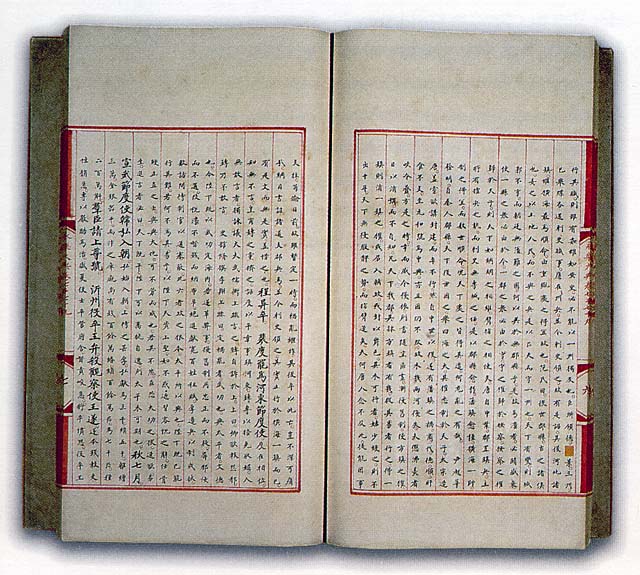
Ready when you are
Start chatting with Yongle Emperor now.
20 messages free · No credit card · Available in 50+ languages.