


Secondary sourcePhotograph10 June 2010
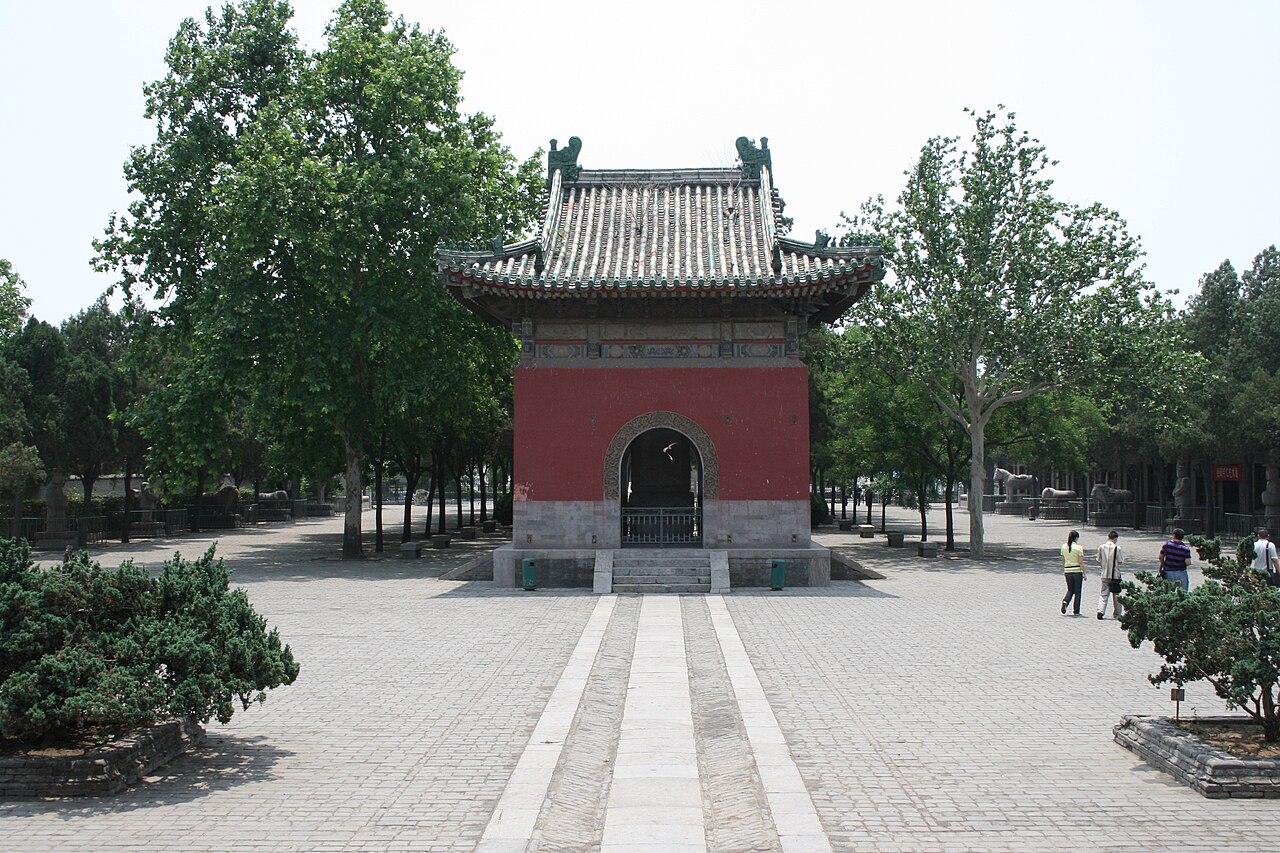
Yuan Shikai Tomb Memorial Stele Photograph
Gary Todd · 10 June 2010
A photograph of a stone pavilion and memorial stele at Yuan Shikai's tomb in Anyang, China.
A photo of the memorial stele at Yuan Shikai's tomb, identifying him as general and president of China.
About this source
What it is
This photograph, taken in 2010, shows a square stone pavilion with a tiled roof at the site of Yuan Shikai's tomb in Anyang. The collection note identifies Yuan Shikai as a general and president of China from 1912 to 1916 who tried to start a new imperial dynasty.
Why it matters
This memorial marks the burial place of a man who helped end the Qing dynasty, became the first president of the Republic of China, and then attempted to make himself emperor before his plan collapsed. The monument reflects how he was remembered officially after his death.
Look closer
- What does the style of the pavilion suggest about how important Yuan Shikai was considered?
- How might the description of him as someone who 'tried to start a new imperial dynasty' shape our understanding of his legacy?
- What questions does this photo leave unanswered about why his imperial plan failed?
This photograph is part of the curated material that grounds the AI version of Yuan Shikai on Humy.ai — when students ask about related events, the AI can quote it and cite it.
More Yuan Shikai sources
Browse all 84 →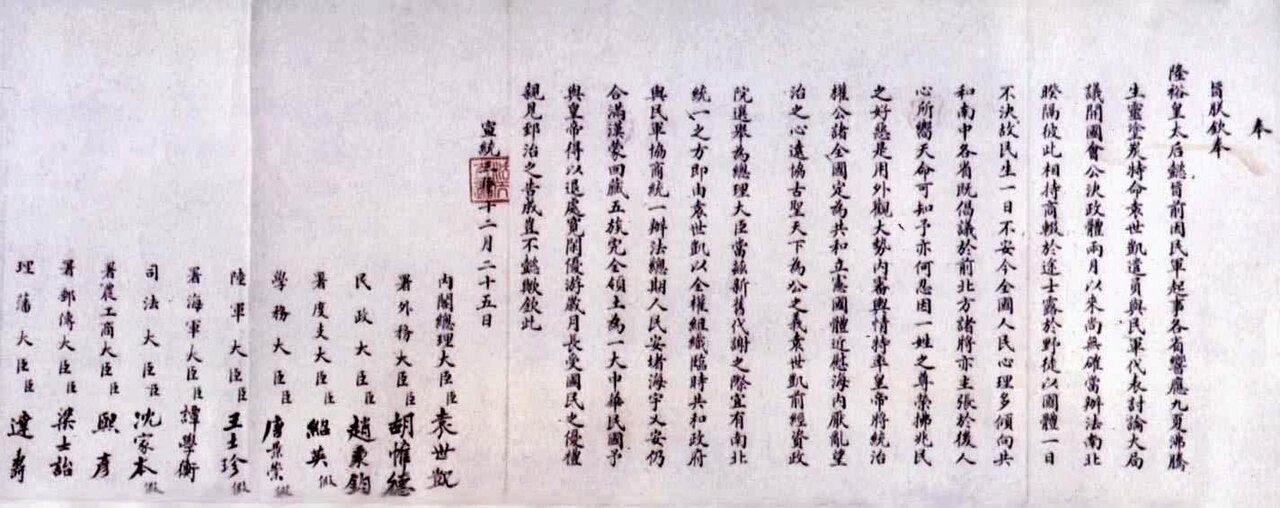 Document
Primary source
Imperial Edict of the Abdication of the Qing Emperor
Empress Dowager Longyu · 12 February 1912
 Document
Primary source
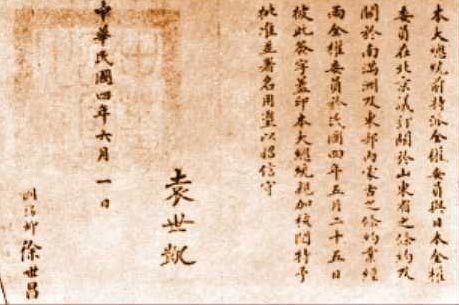
Twenty-One Demands
Empire of Japan · 18 January 1915
 Photograph
Primary source
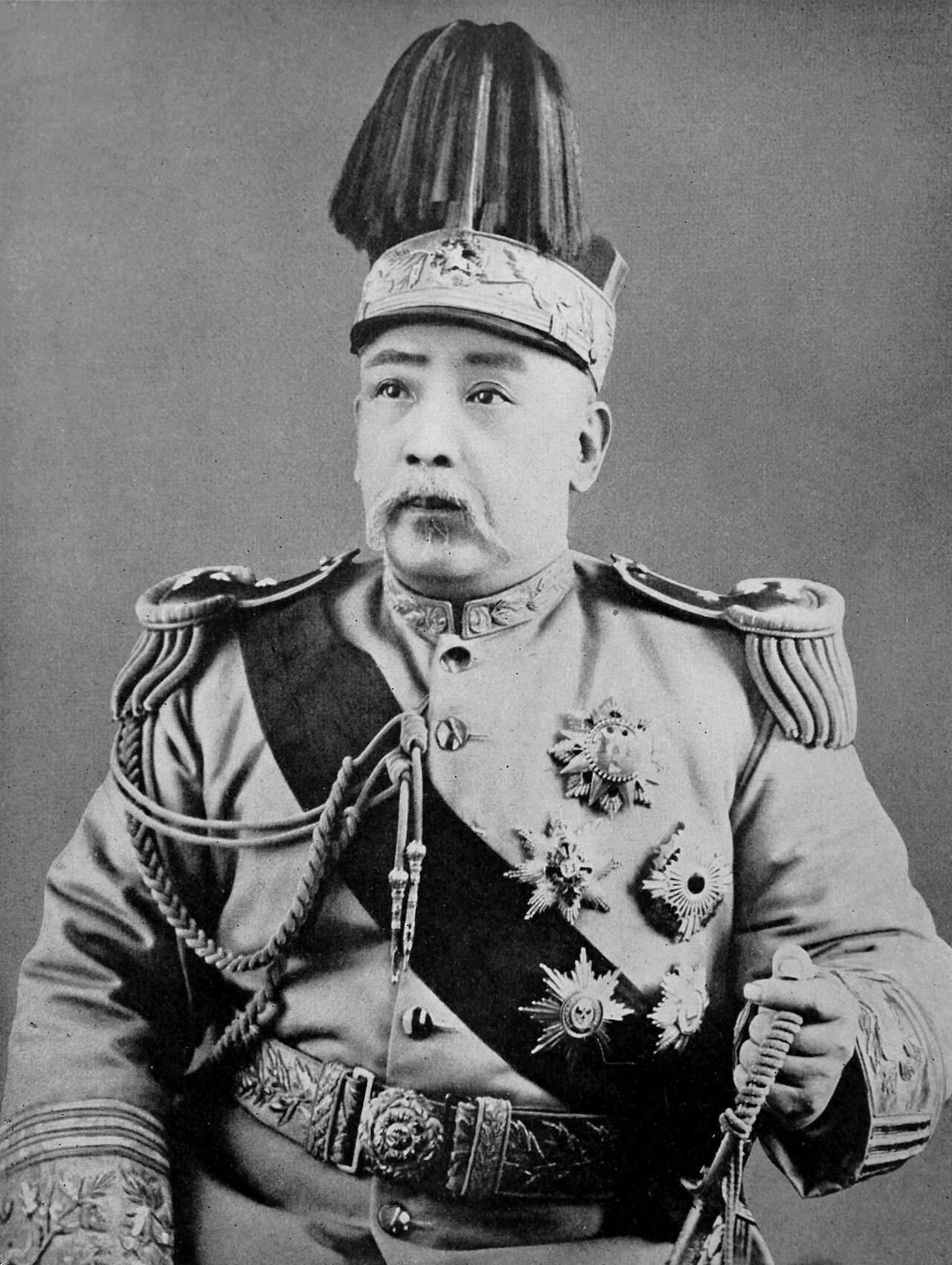
Portrait of Yuan Shikai
1915
 Artifact
Primary source
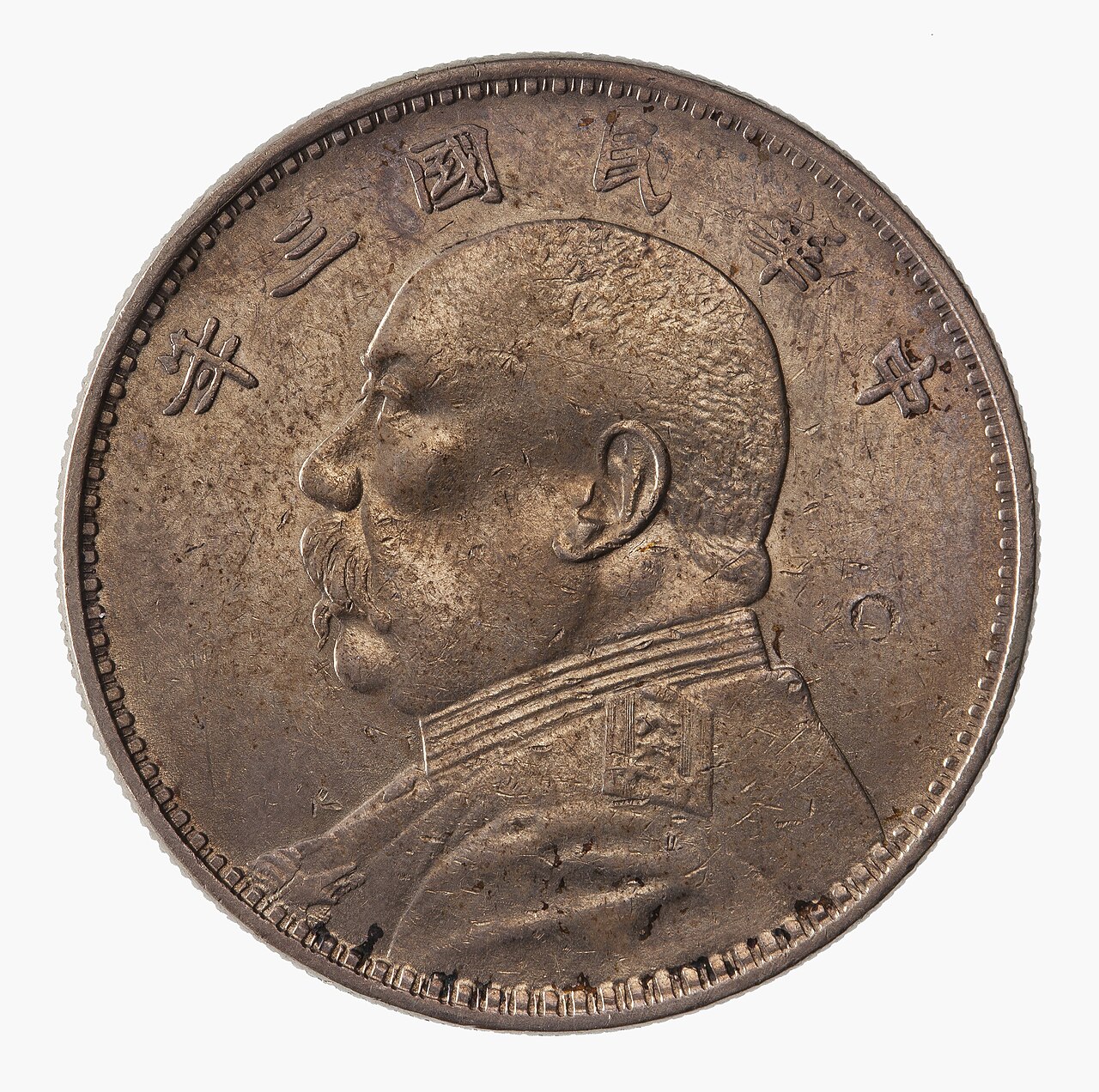
Yuan Shikai dollar
Luigi Giorgi · 1914
Free account
Read every Yuan Shikai source
Sign up free →
Ready when you are
Start chatting with Yuan Shikai now.
20 messages free · No credit card · Available in 50+ languages.