


Secondary sourceArtifact1604
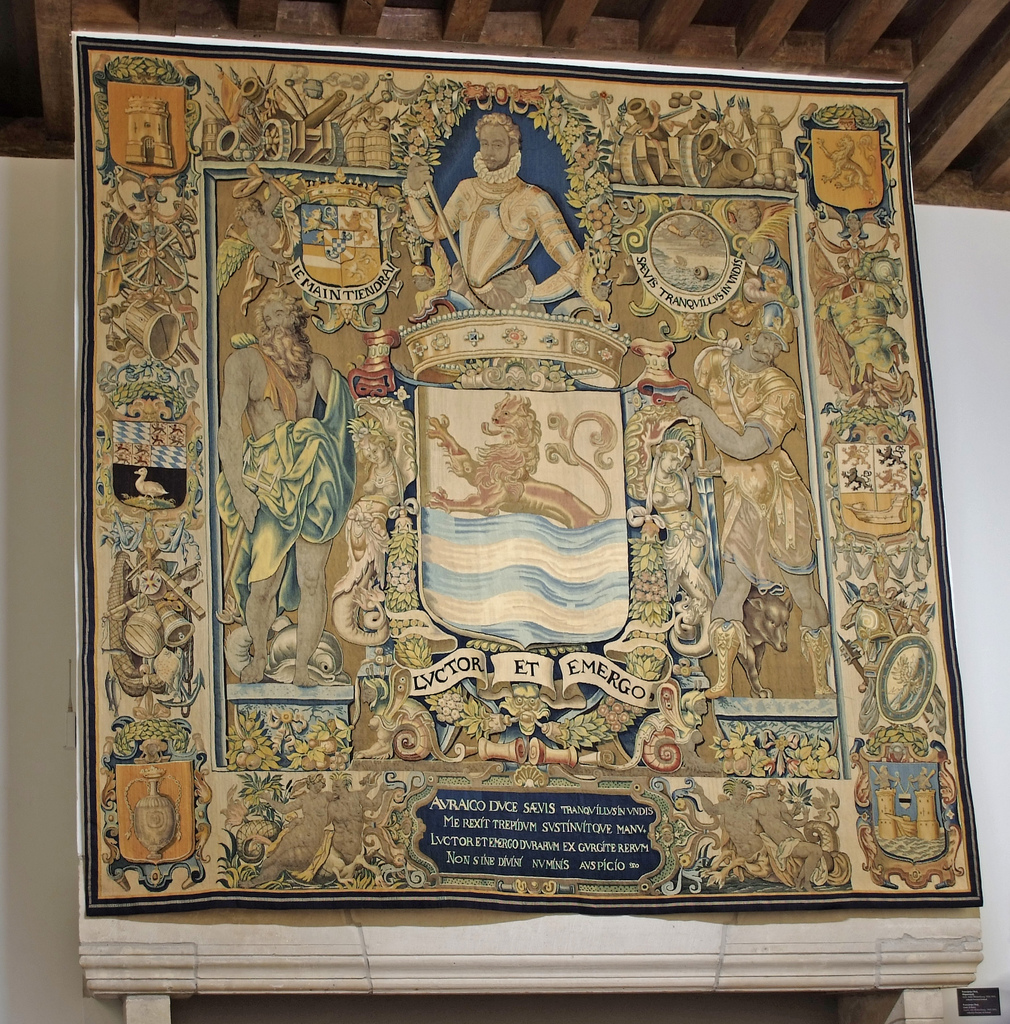
Zeeland Armorial Tapestry with Portrait of William of Orange
Karel van Mander the Elder · 1604
A 1604 tapestry made for the province of Zeeland honours William of Orange above the province's coat of arms, showing him as founding father.
This tapestry commemorates William of Orange as Zeeland's liberator, made within a generation of his death.
About this source
What it is
This is a large woven tapestry made in 1604 by Karel van Mander the Elder, part of a series known as the Zeeland Tapestries. It combines a portrait of William of Orange with the coat of arms of the province of Zeeland, including the lion and the Latin motto Luctor et Emergo. It is kept today at the Zeeuws Museum.
Why it matters
Made only a generation after William's death, the tapestry shows how the province of Zeeland chose to remember him: not simply as a nobleman, but as the liberator and founding figure of their struggle for independence. It reveals how quickly a political leader could become a symbol stitched into public memory.
Look closer
- Why would a province choose to weave a leader's portrait together with its own coat of arms?
- What does the Latin motto suggest about how Zeeland saw its own history?
- Who do you think this tapestry was made to be seen by?
This artifact is part of the curated material that grounds the AI version of William the Silent on Humy.ai — when students ask about related events, the AI can quote it and cite it.
More William the Silent sources
Browse all 93 →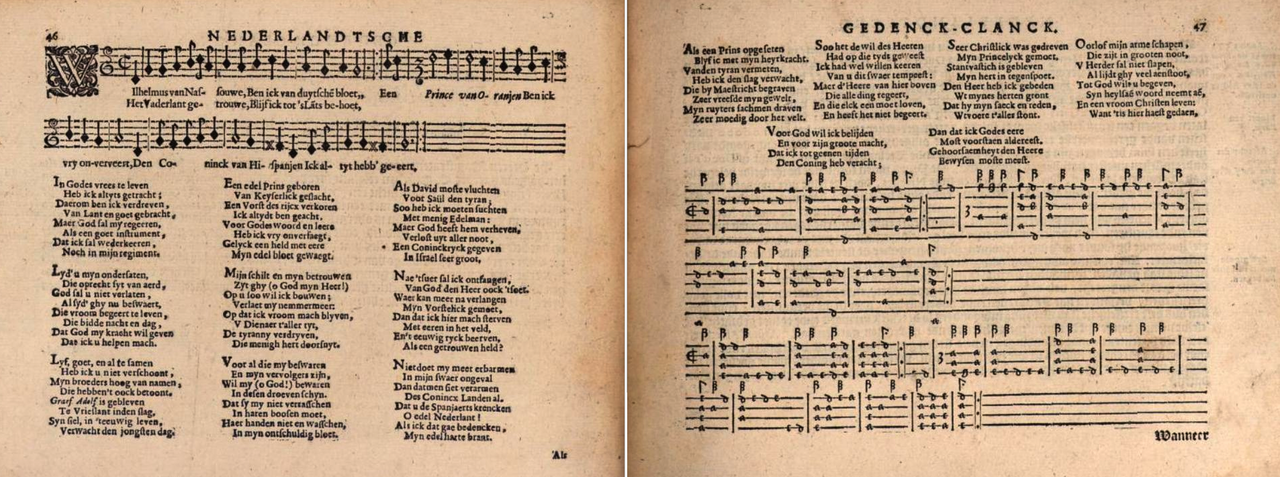 Document
Secondary source
Wilhelmus
Adrianus Valerius · 1572 (text); printed with music 1626
 Document
Primary source
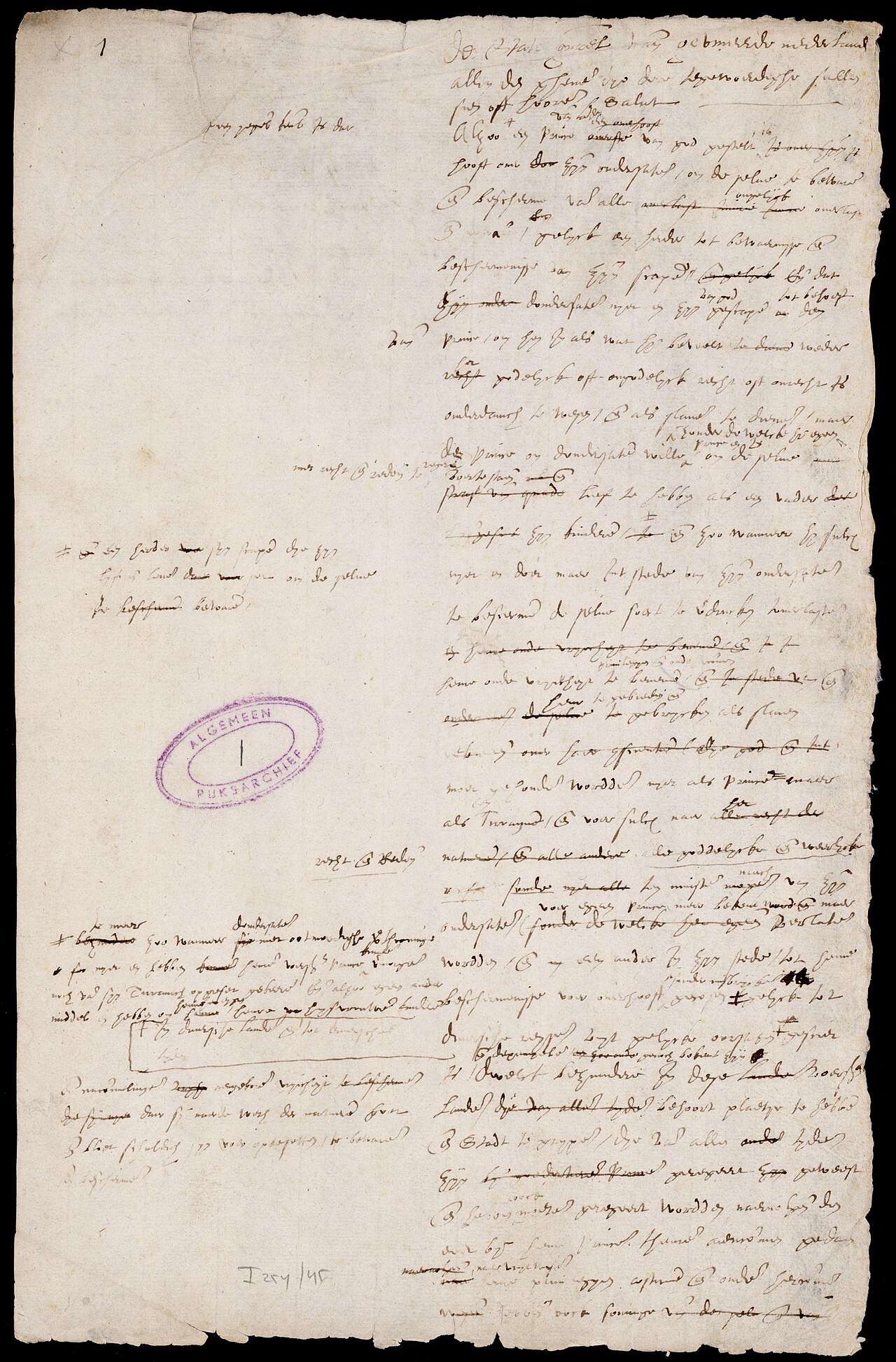
Act of Abjuration
Jan van Asseliers · 26 July 1581
 Artifact
Primary source
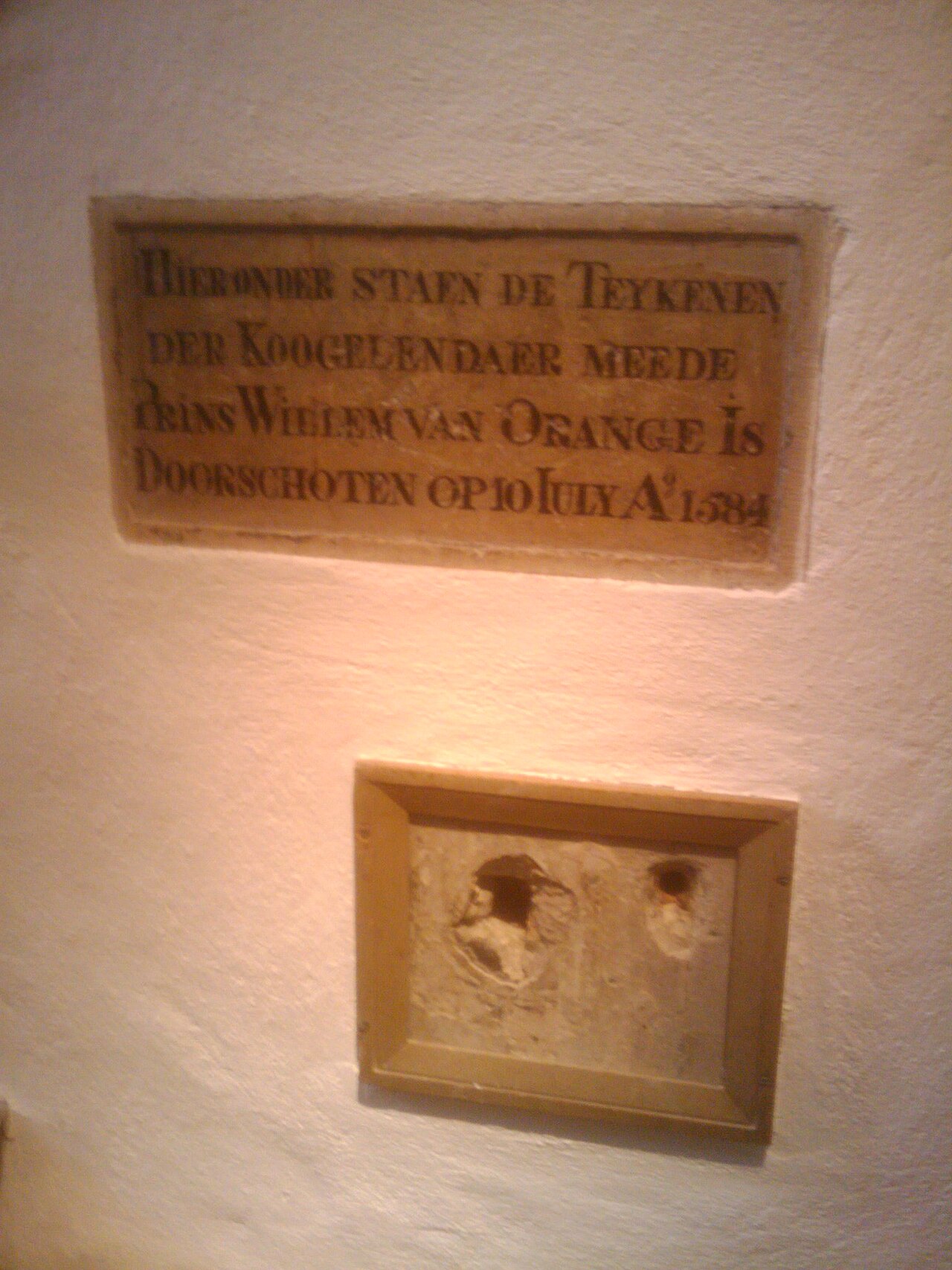
Prinsenhof, Delft
15th century (building); residence 1572–1584
 Painting
Primary source
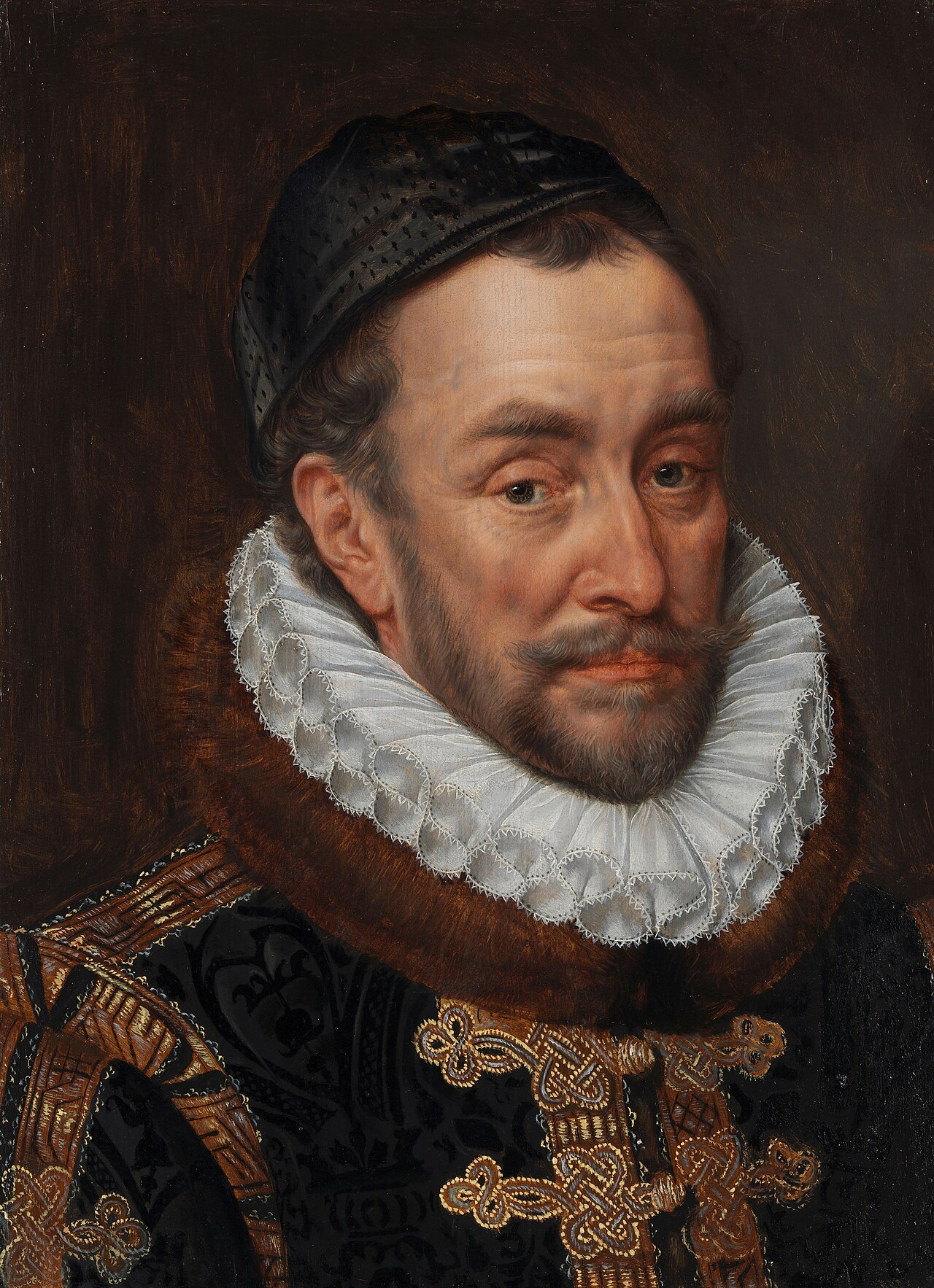
William I, Prince of Orange
Adriaen Thomasz. Key · 1579
Free account
Read every William the Silent source
Sign up free →
Ready when you are
Start chatting with William the Silent now.
20 messages free · No credit card · Available in 50+ languages.