


Secondary sourcePaintingearly 19th century
Zhuge Liang Summons an Eastern Wind
Kanō Isen'in Naganobu · early 19th century
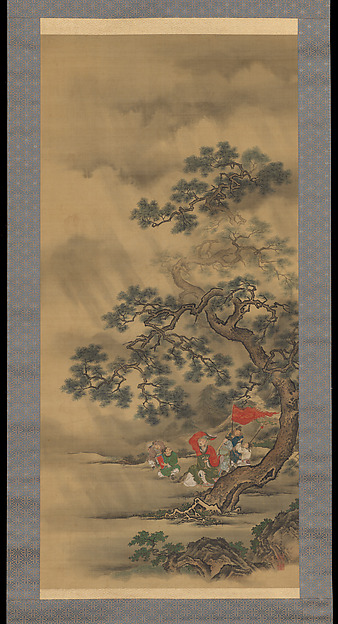
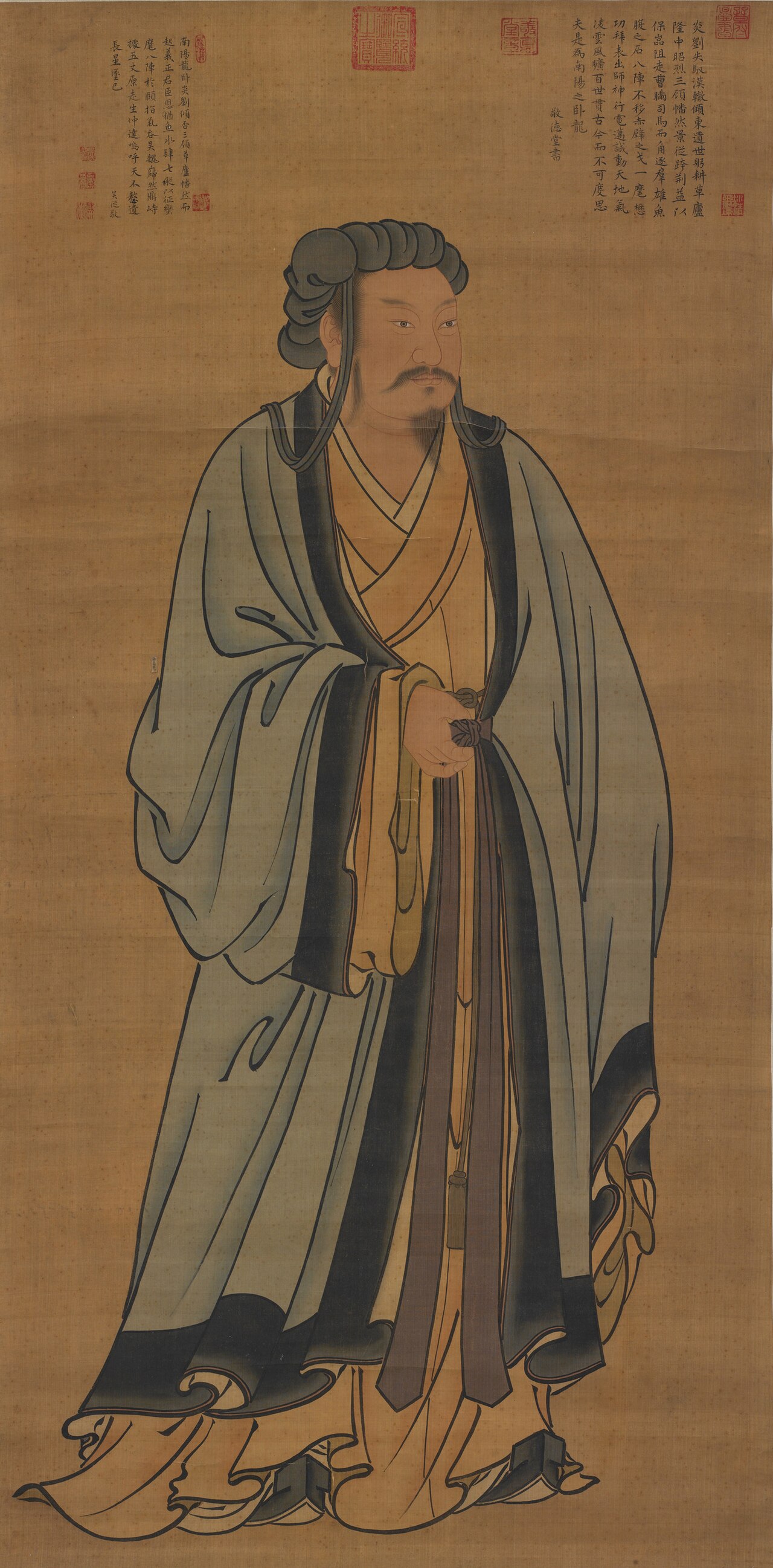
An Edo-period Japanese hanging scroll painting showing Zhuge Liang performing his legendary ritual to summon the east wind.
This Japanese painting depicts the legendary episode of Zhuge Liang summoning the east wind at Red Cliffs.
About this source
What it is
This is a hanging scroll painted in ink and color on silk by the Japanese artist Kanō Isen'in Naganobu during the Edo period. It depicts the legendary episode of Zhuge Liang summoning an east wind, a famous scene from the story of the Battle of Red Cliffs. It is held by The Metropolitan Museum of Art.
Why it matters
Stories about Zhuge Liang's cleverness, including his supposed power to call up a helpful wind for his allies, became famous across East Asia. This painting by a Japanese court artist shows how far his legend traveled and how artists outside China reimagined his story in their own style.
Look closer
- What mood does the misty sky and wind-swept banner create?
- Why might a Japanese artist choose to paint a scene from Chinese legend?
- What does the small size of the human figures suggest about the scene's focus?
This painting is part of the curated material that grounds the AI version of Zhuge Liang on Humy.ai — when students ask about related events, the AI can quote it and cite it.
More Zhuge Liang sources
Browse all 85 →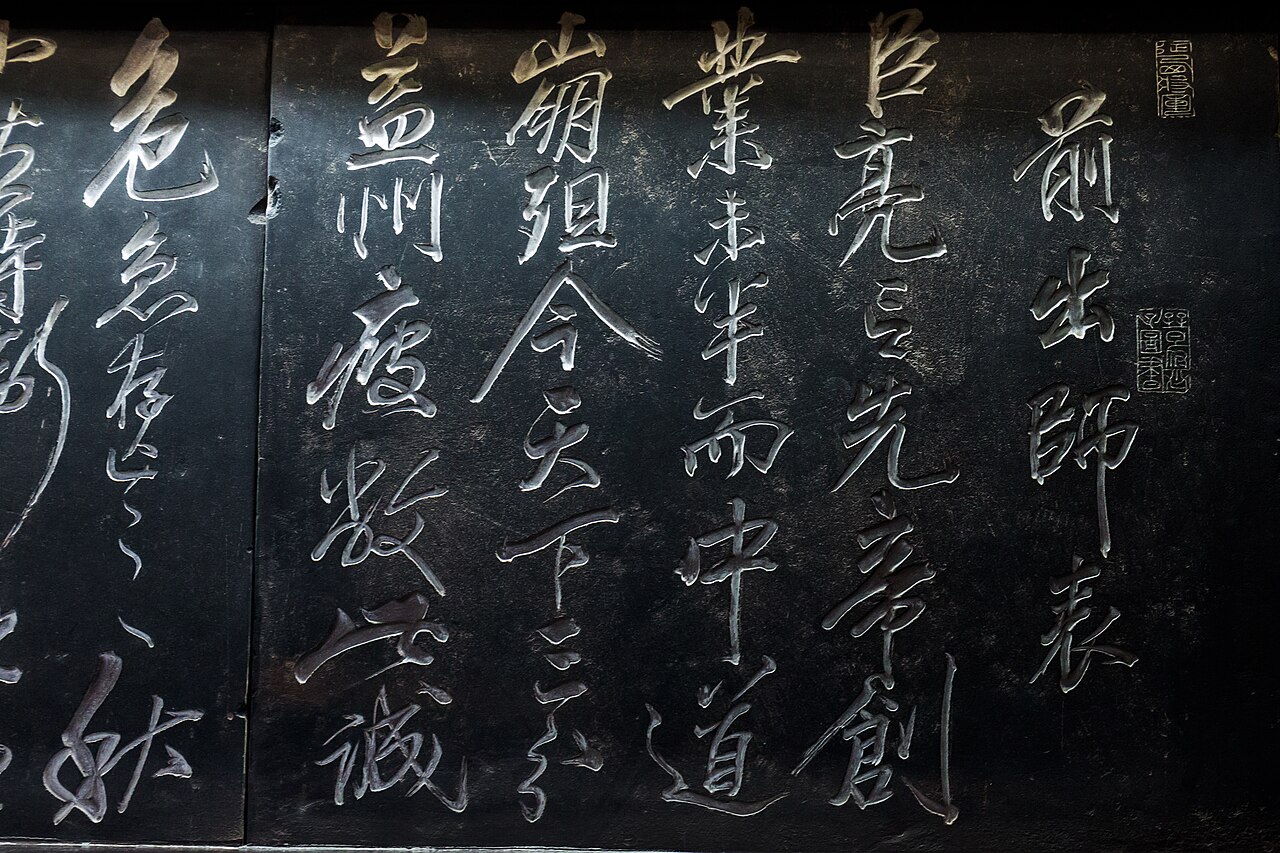 Letter
Primary source
Chu Shi Biao
Zhuge Liang · 227 (Former); 228 (Later, disputed)
 Speech
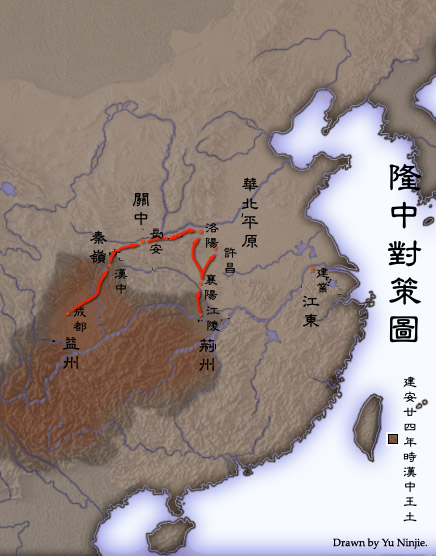
Primary source
Longzhong Plan
Zhuge Liang · 207 CE
Secondary source
Hou Chu Shi Biao
Attributed to Zhuge Liang (disputed, possibly Zhuge Ke) · 228 CE (disputed)
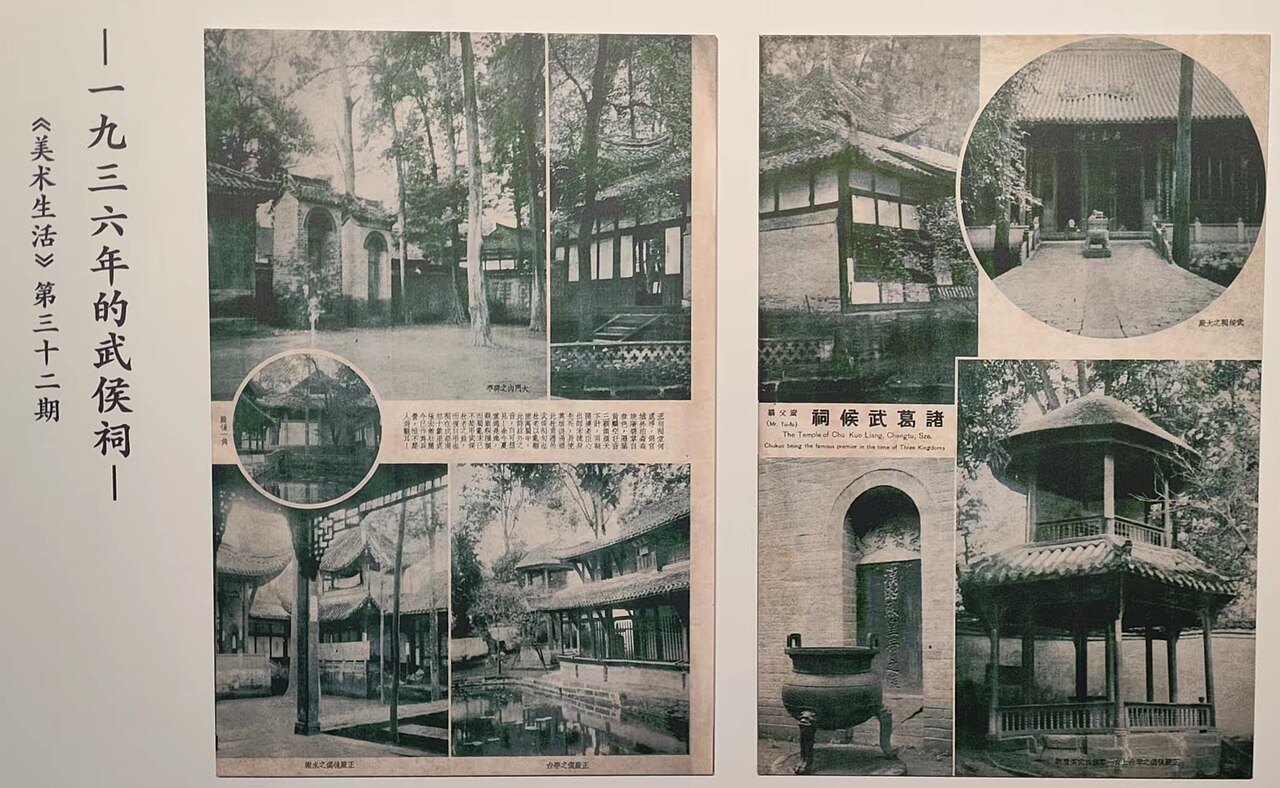 Artifact
Secondary source
Wuhou Shrine, Chengdu
rebuilt 1672, on earlier foundations
Free account
Read every Zhuge Liang source
Sign up free →
Ready when you are
Start chatting with Zhuge Liang now.
20 messages free · No credit card · Available in 50+ languages.