


Secondary sourcePainting1819
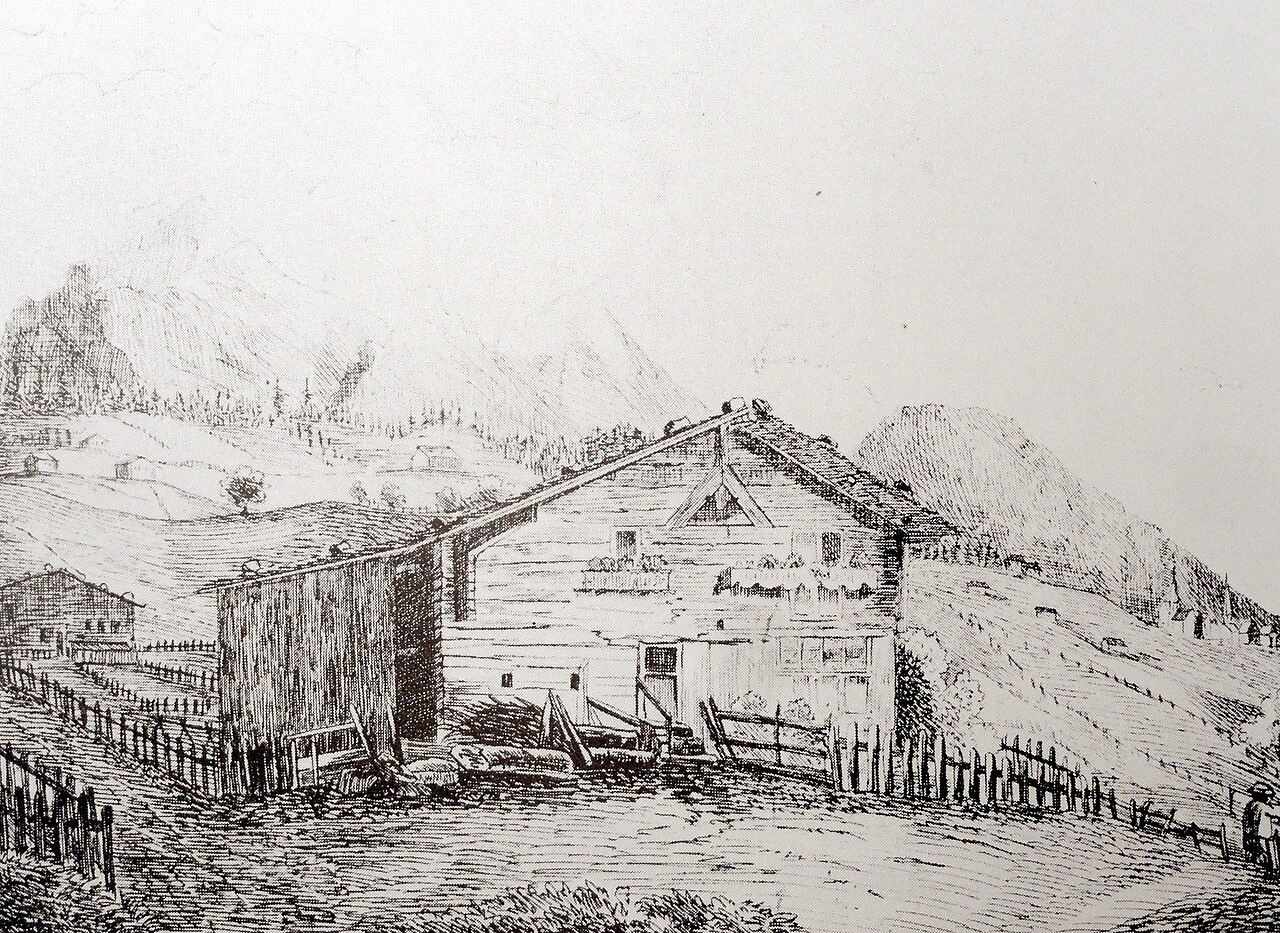
Zwinglihaus birth house engraving, 1819
J. B. Bullinger and Franz Hegi · 1819
A pen-and-ink engraving of Zwingli's birthplace in Wildhaus, made in 1819 by J. B. Bullinger and Franz Hegi. It was made long after his death.
Shows the birthplace of Zwingli as engraved in the 19th century, a memorial image of a place central to his life.
About this source
What it is
This is a pen-and-ink engraving of a wooden alpine-style farmhouse with a steep gabled roof and a covered side building. Wooden fences and scattered trees surround it, with mountains behind. A small figure stands at the lower right. The record credits J. B. Bullinger and Franz Hegi and dates the engraving to 1819. It shows Zwingli's birthplace in Wildhaus.
Why it matters
Zwingli was born in Wildhaus in 1484. This engraving was made about 300 years after his death in 1531, so it reflects the 19th century's view of his home. Engravings like this were often printed for sale, which helped spread interest in Swiss places linked to the Reformation. It shows how a birthplace became a symbol of a famous reformer.
Look closer
- What does the setting of mountains and farmhouse suggest about the place Zwingli grew up in?
- Why might an engraver choose to show the building from this angle?
- What does the engraving leave out about daily life in Wildhaus in Zwingli's time?
This painting is part of the curated material that grounds the AI version of Huldrych Zwingli on Humy.ai — when students ask about related events, the AI can quote it and cite it.
More Huldrych Zwingli sources
Browse all 97 →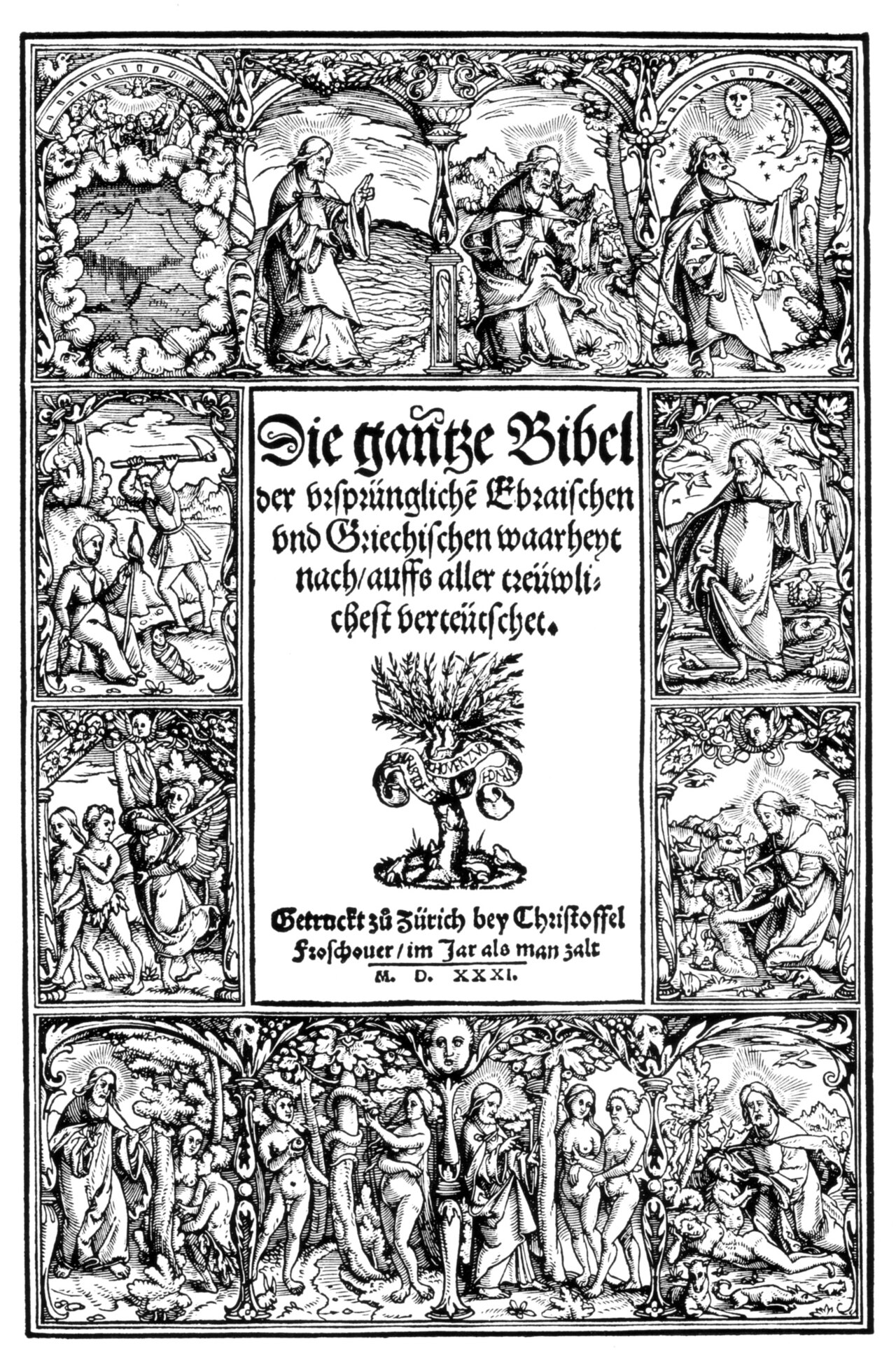 Book
Primary source
Zürich Bible
Huldrych Zwingli · 1531
 Document
Secondary source
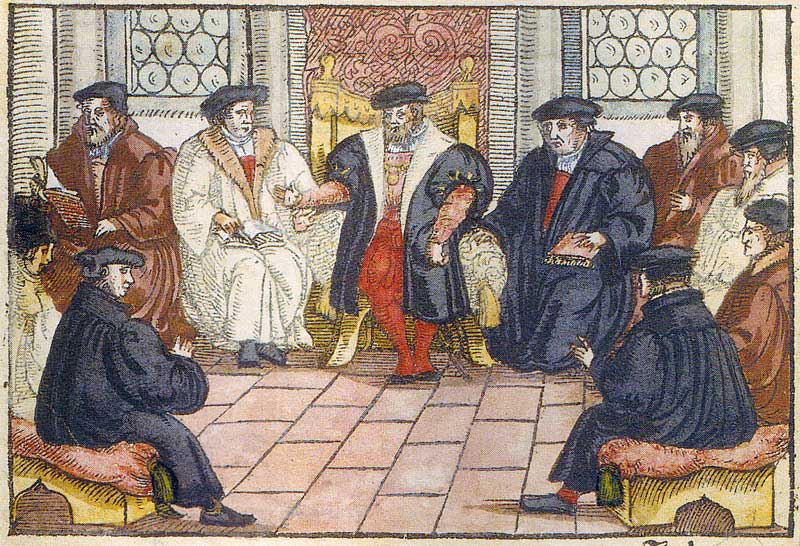
Marburg Colloquy
1-4 October 1529
 Painting
Secondary source
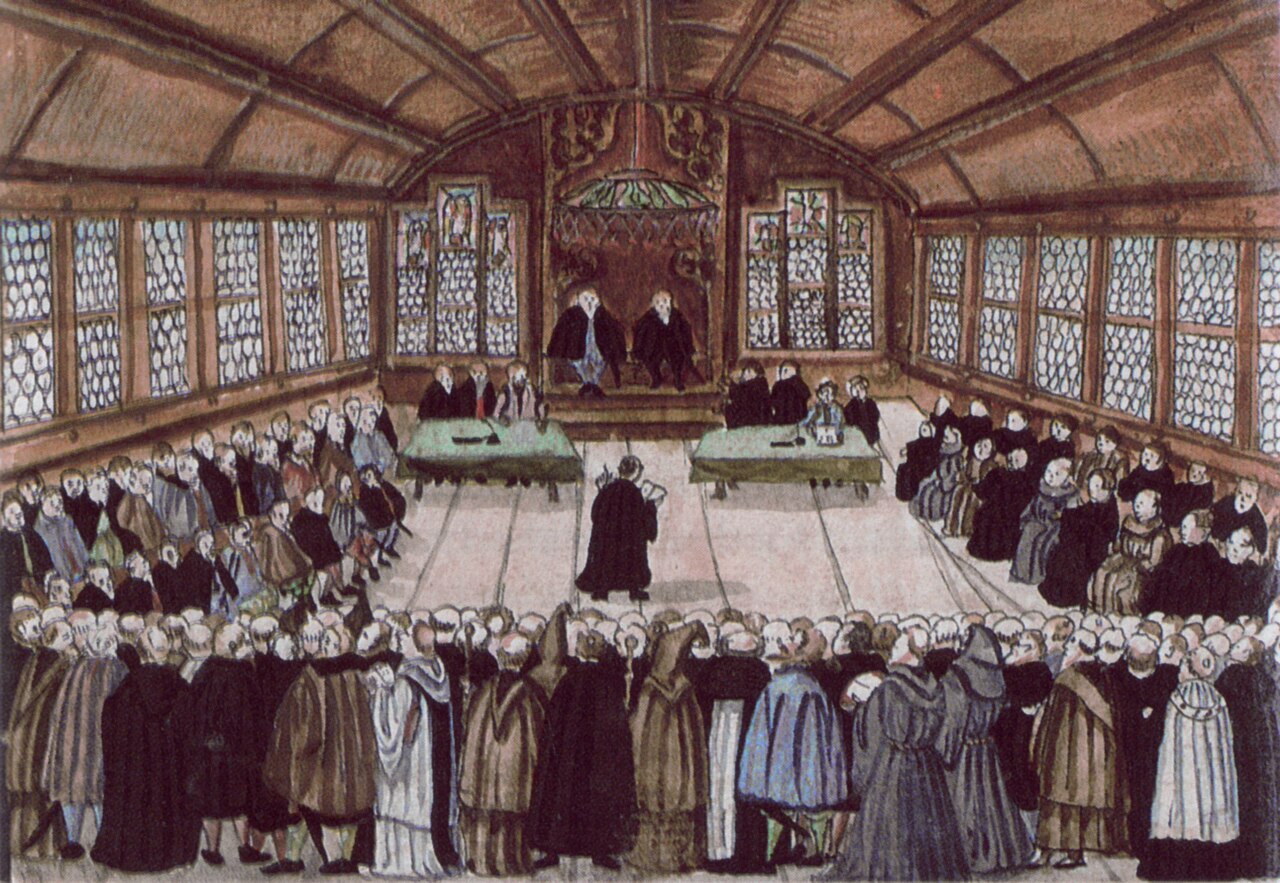
Zürcher-Disputation 1523
1523 (event); later copy
 Book
Primary source
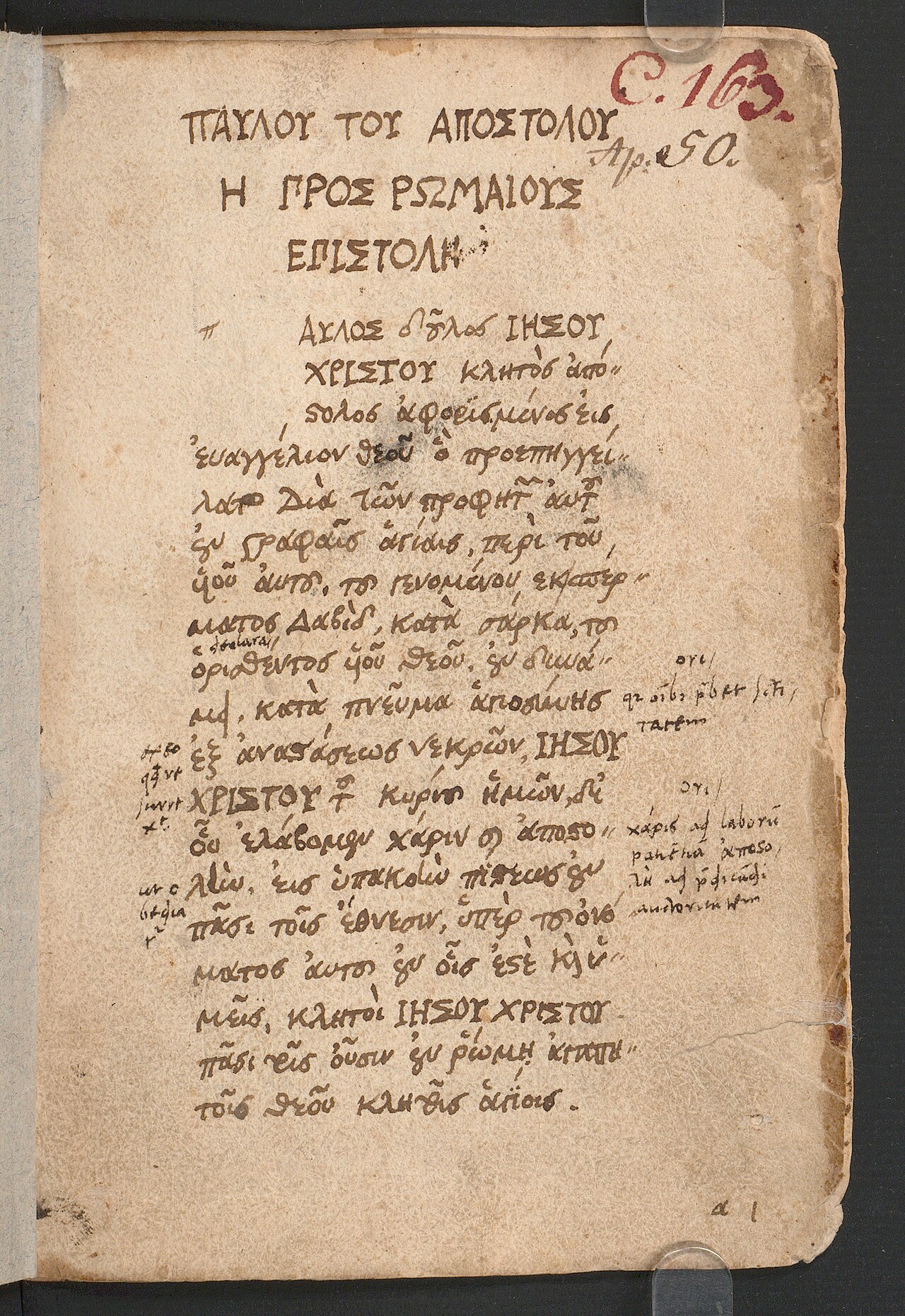
Divi Pauli Apostoli epistolae
Huldrych Zwingli · 1517
Free account
Browse every Huldrych Zwingli source
Sign up free →
Ready when you are
Start chatting with Huldrych Zwingli now.
20 messages free · No credit card · Available in 50+ languages.