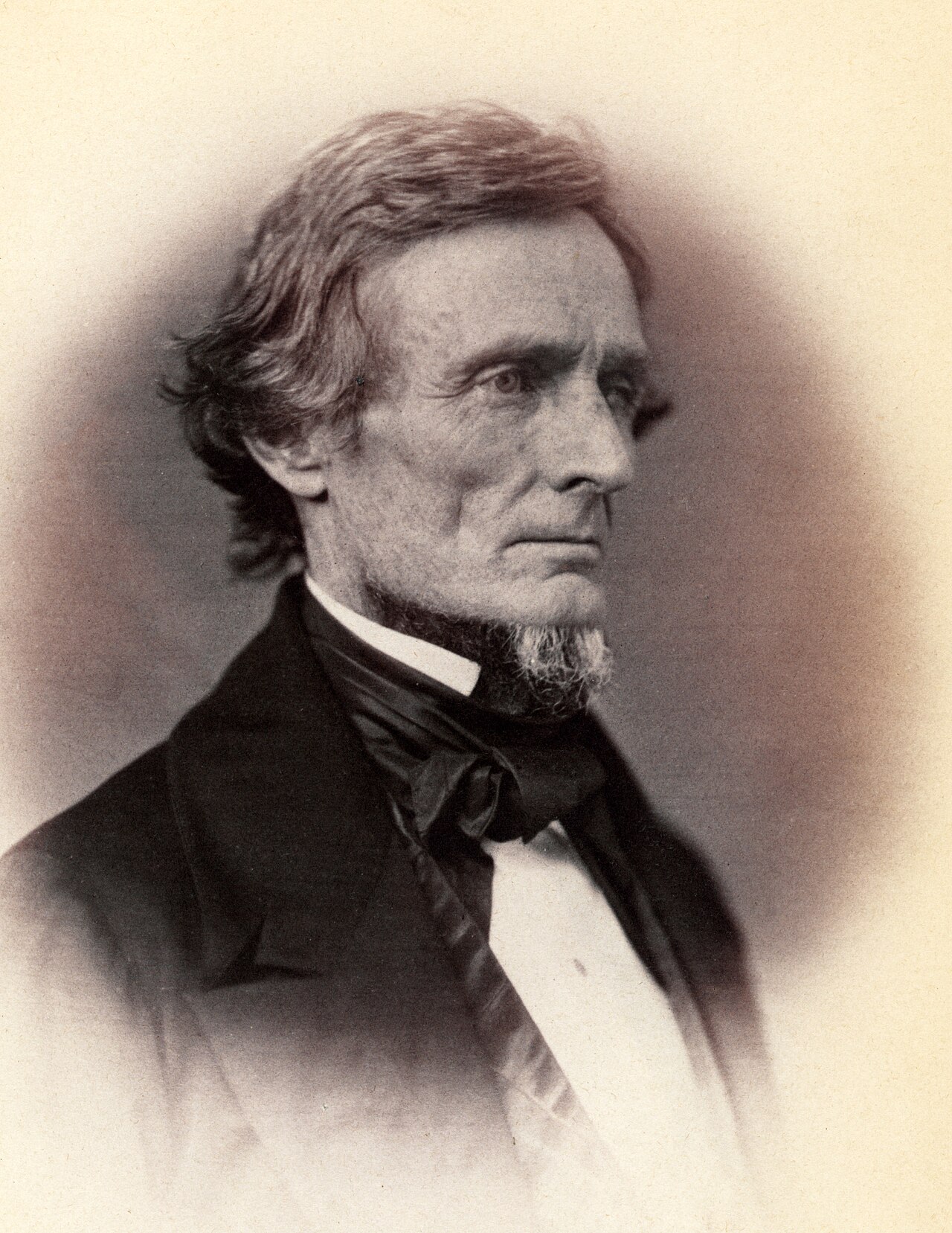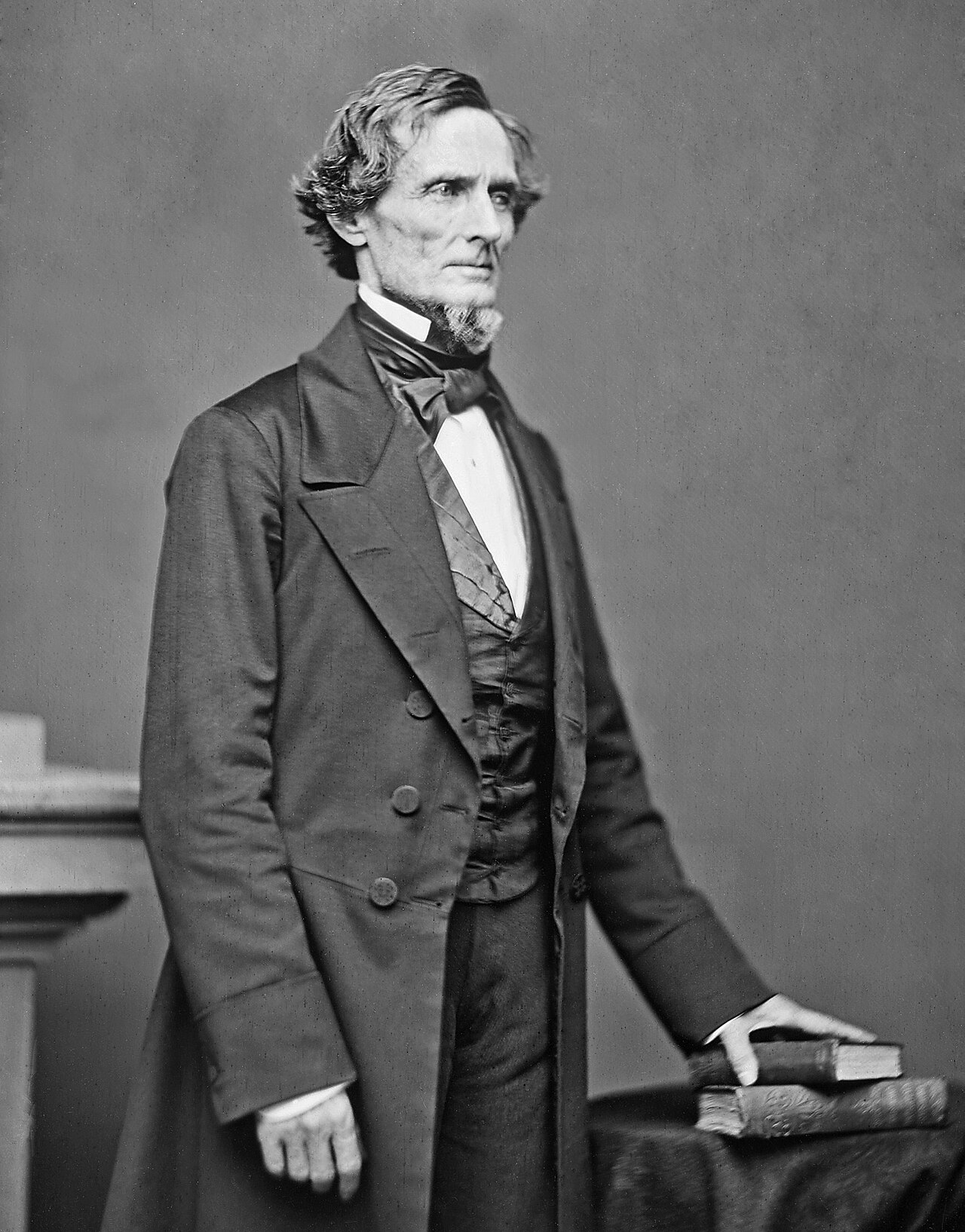
Portrait of Jefferson Davis

AI Historical Figure

Jefferson Davis

Sensitive

President of the Confederate States of America during the American Civil War.

Chat with Jefferson Davis via text or voice — in 42 languages, drawing on a curated biography and 95 historical sources. Available 24/7.

Start chatting with Jefferson Davis20 messages free · No credit card
Lived
1808–1889
From
United States
Known for
Politics & governmentMilitary
Jefferson Davis

Jefferson Davis

Online · responds in seconds

Hello — I'm Jefferson Davis. President of the Confederate States of America during the American Civil War. What would you like to ask me?

20 messages free · No credit card · Powered by Humy.ai

Live preview · Switch between 42 languages above · Send a message to continue in the app

Multilingual

Talk to Jefferson Davis in 42 languages

Ask Jefferson Davis questions in any language below, and the rest of Humy's app speaks it too. Pick yours to open the chat in that language.

Also in German (Austria), German (Switzerland), English (UK), English (Australia), English (Canada).

The sources behind this AI

95 sources · 18 books · 18 photographs · 14 speeches · 13 documents · 8 letters · 7 paintings · 7 artifacts · 5 sculptures · 4 newspaper articles · 1 diary entry

Jefferson Davis doesn’t improvise from thin air. The AI is grounded in 95 curated historical sources students can inspect. Open any of them to see what informs the conversation.

Speech

Primary source

Farewell Address to the U.S. Senate

Jefferson Davis · 21 January 1861

Speech

Primary source

Inaugural Address of Jefferson Davis (Montgomery)

Jefferson Davis · 18 February 1861

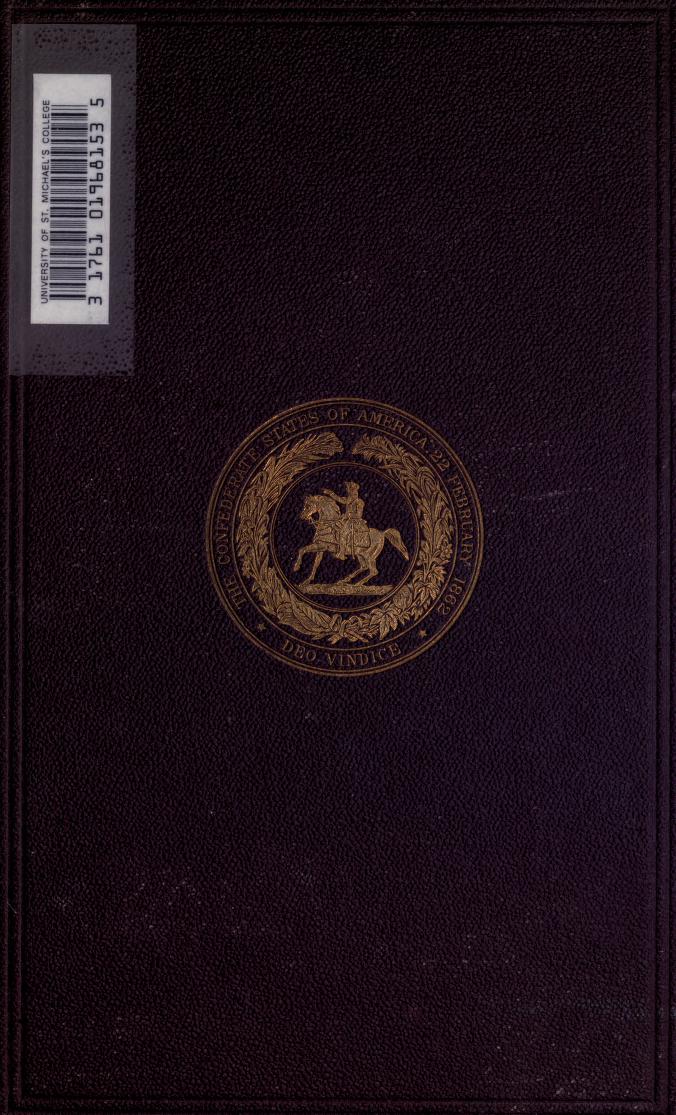
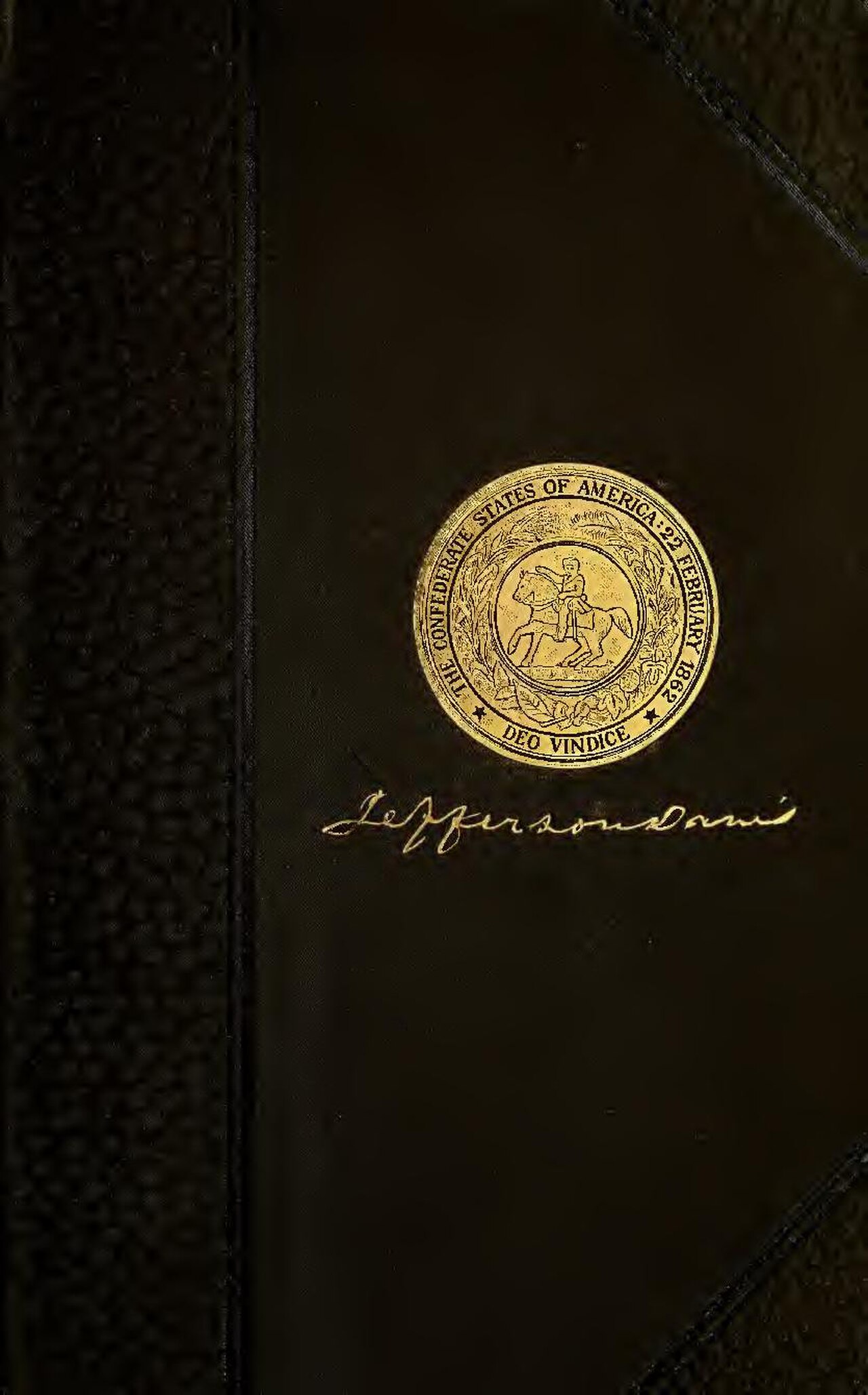
Dark maroon cloth book cover with a gold-stamped circular seal showing a mounted rider, surrounded by a laurel wreath, with the words 'The Confederate States of America' and 'Deo Vindice'. A library barcode label reading 'University of St. Michael's College' is at the upper left.Book

Primary source

The Rise and Fall of the Confederate Government

Jefferson Davis · 1881

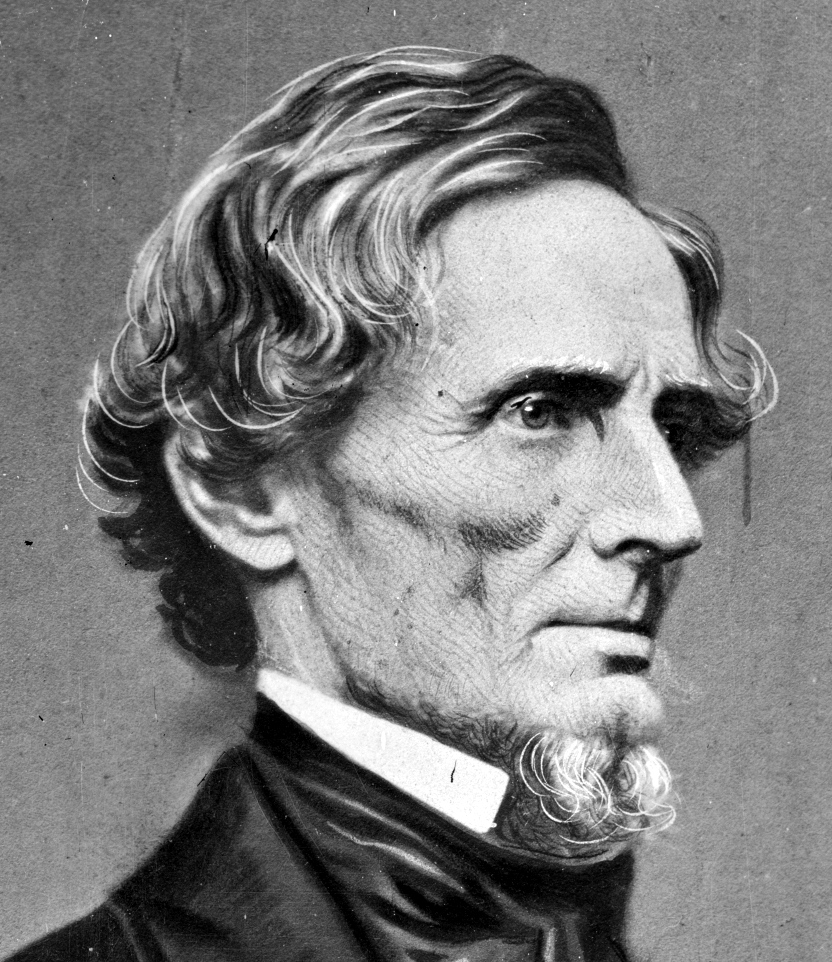
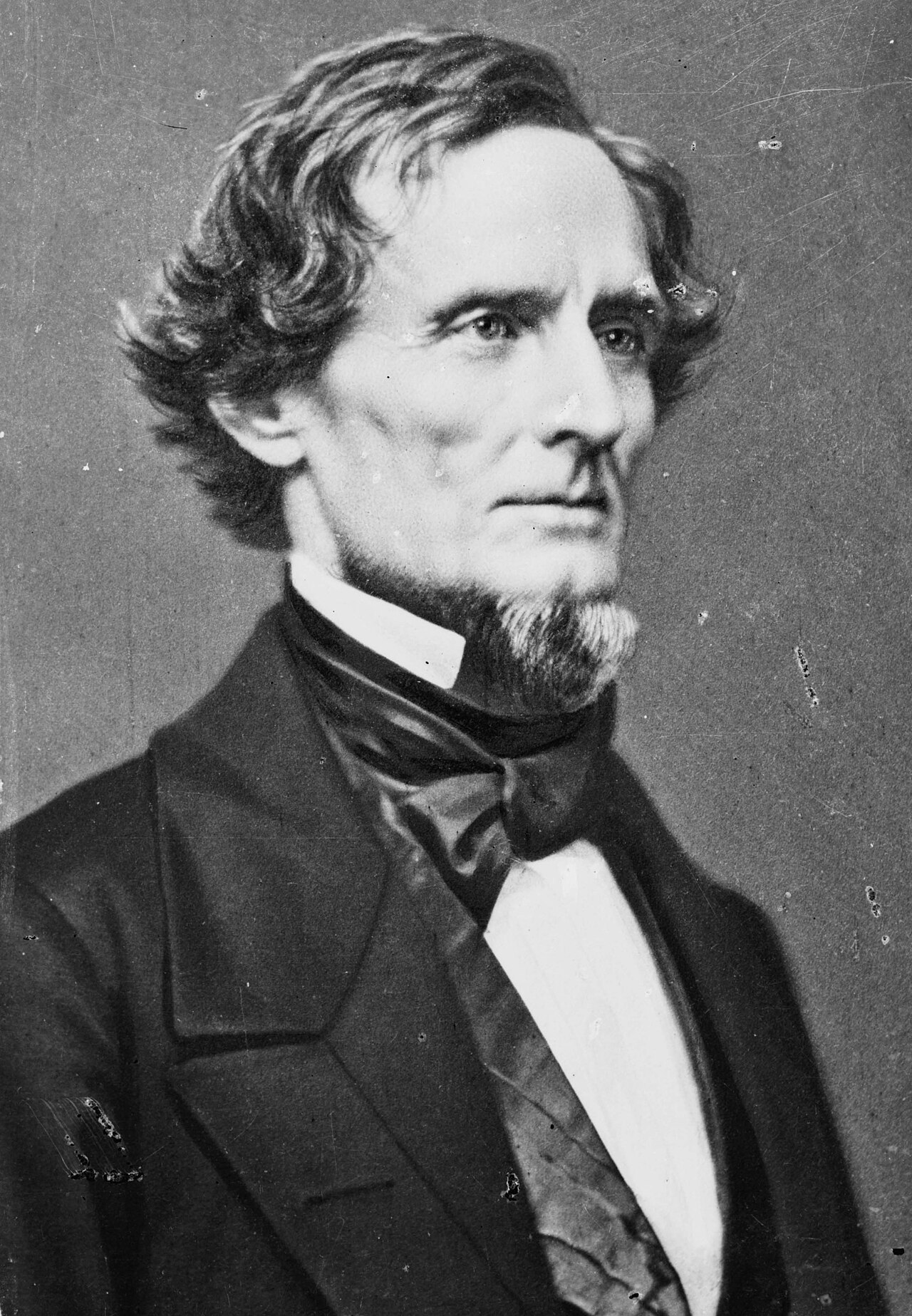
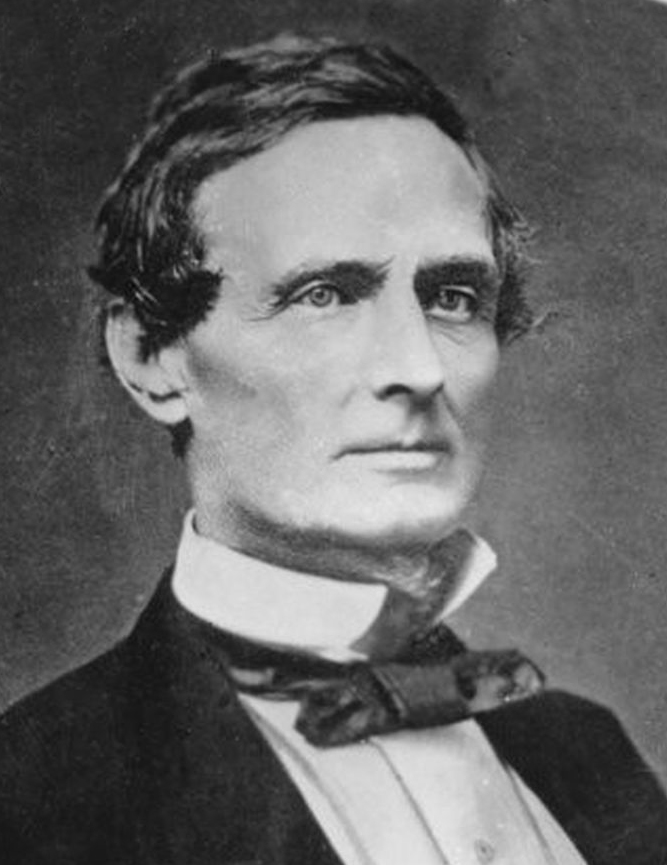
Black and white profile portrait of an older man with wavy hair swept back, a closely trimmed chin beard, a high white collar and dark coat, turned to face right.Photograph

Primary source

Portrait of Jefferson Davis

Brady National Photographic Art Gallery

Speech

Primary source

Message to the Confederate Congress, April 29, 1861

Jefferson Davis · 29 April 1861

Speech

Primary source

Cornerstone Speech

Alexander H. Stephens · 21 March 1861

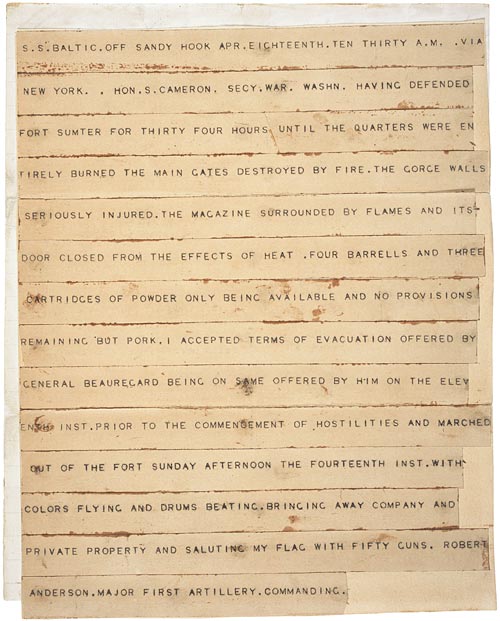
Scan of a typed telegram on aged paper, with lines of capital letters and red-brown stains, reading from Sandy Hook and Fort Sumter, signed by Major Robert Anderson, addressed to Secretary Cameron about the surrender of the fort.Document

Primary source

Telegram Announcing the Surrender of Fort Sumter

Robert Anderson · 18 April 1861

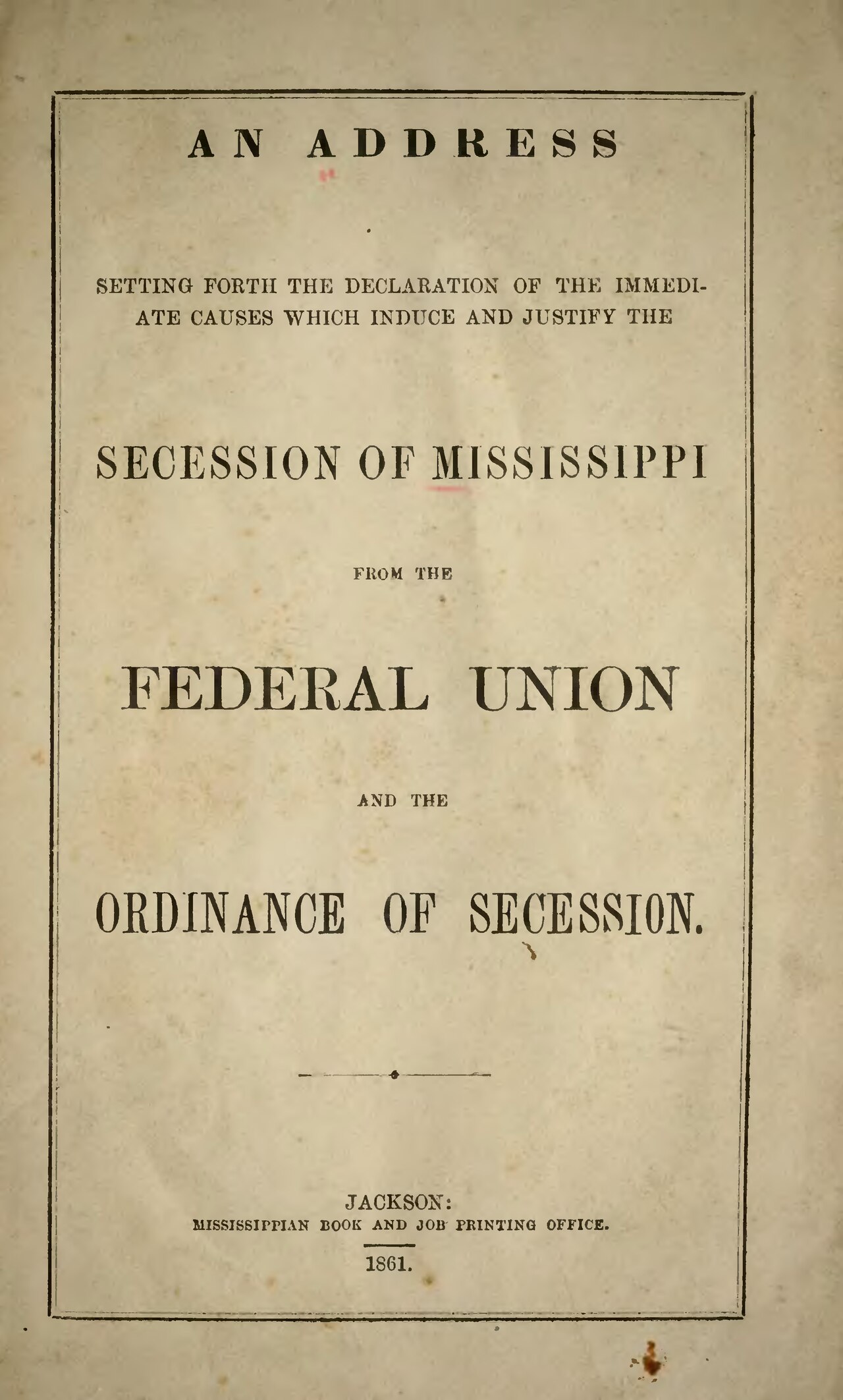
Title page of a printed pamphlet reading 'An Address Setting Forth the Declaration of the Immediate Causes which Induce and Justify the Secession of Mississippi from the Federal Union and the Ordinance of Secession.' Imprint: Jackson, Mississippian Book and Job Printing Office, 1861. Aged cream paper with a double black border.Document

Primary source

A Declaration of the Immediate Causes which Induce and Justify the Secession of the State of Mississippi

Mississippi Secession Convention · January 1861

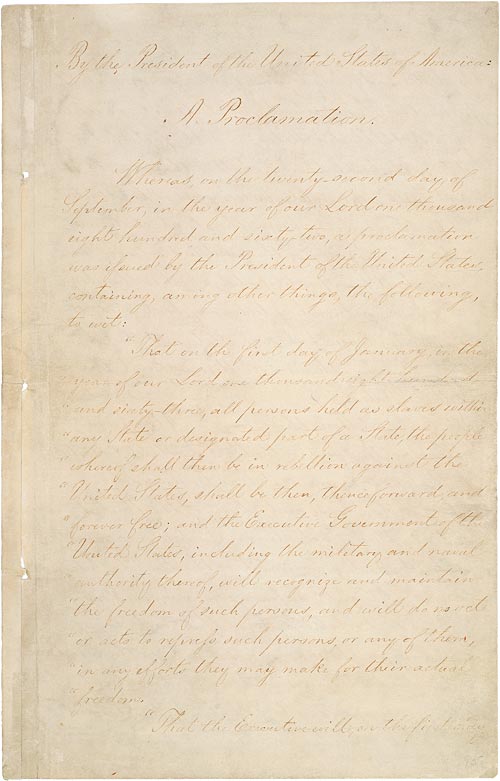
Handwritten manuscript page of the Emancipation Proclamation, headed 'By the President of the United States of America: A Proclamation,' in cursive script on aged cream paper, with the text beginning 'Whereas on the twenty-second day of September...'Document

Primary source

Emancipation Proclamation

Abraham Lincoln · 1 January 1863

Speech

Primary source

Jefferson Davis's Message to the Confederate Congress, January 12, 1863

Jefferson Davis · 12 January 1863

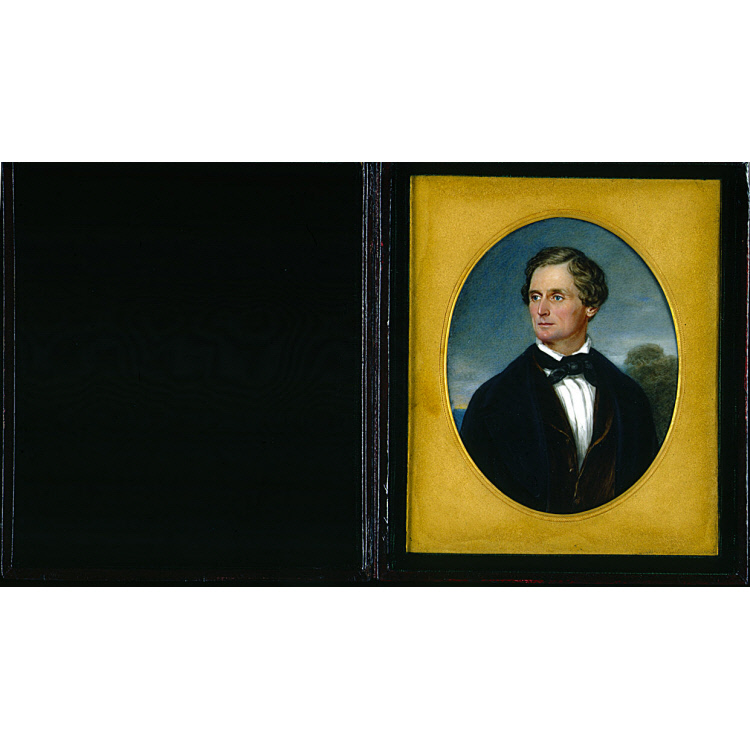
A small oval portrait miniature in a case: a man with wavy hair, dark jacket, white shirt and dark bow tie, turned to the left against a blue sky and trees. The case lid is dark and open on the left.Painting

Primary source

Jefferson Davis

George Lethbridge Saunders · 1849

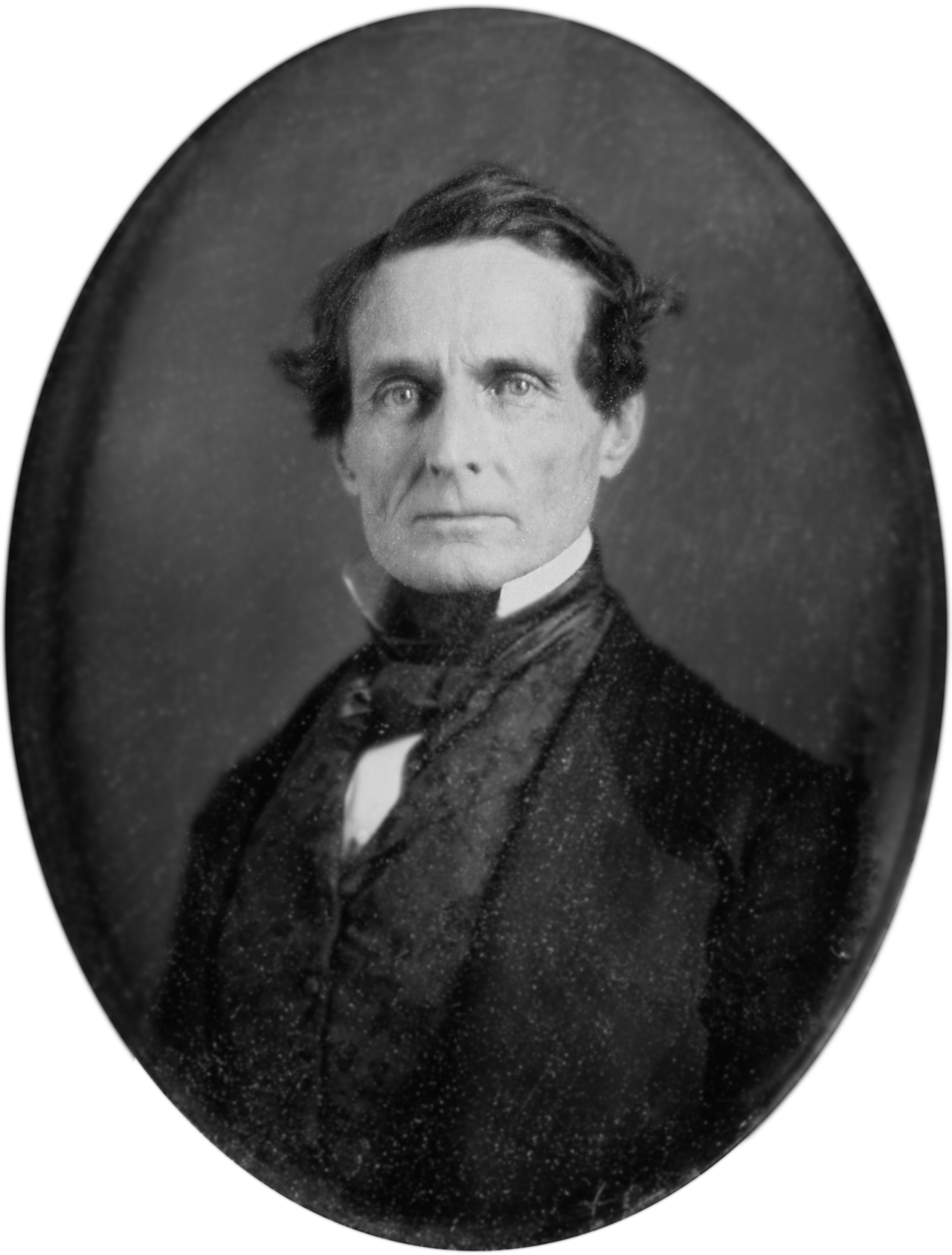
Black-and-white oval portrait of a man with dark hair swept back, wearing a dark coat, high white collar, and cravat, looking directly at the viewer against a dark backdrop.Photograph

Primary source

Jefferson Davis 1853 Daguerreotype

1853

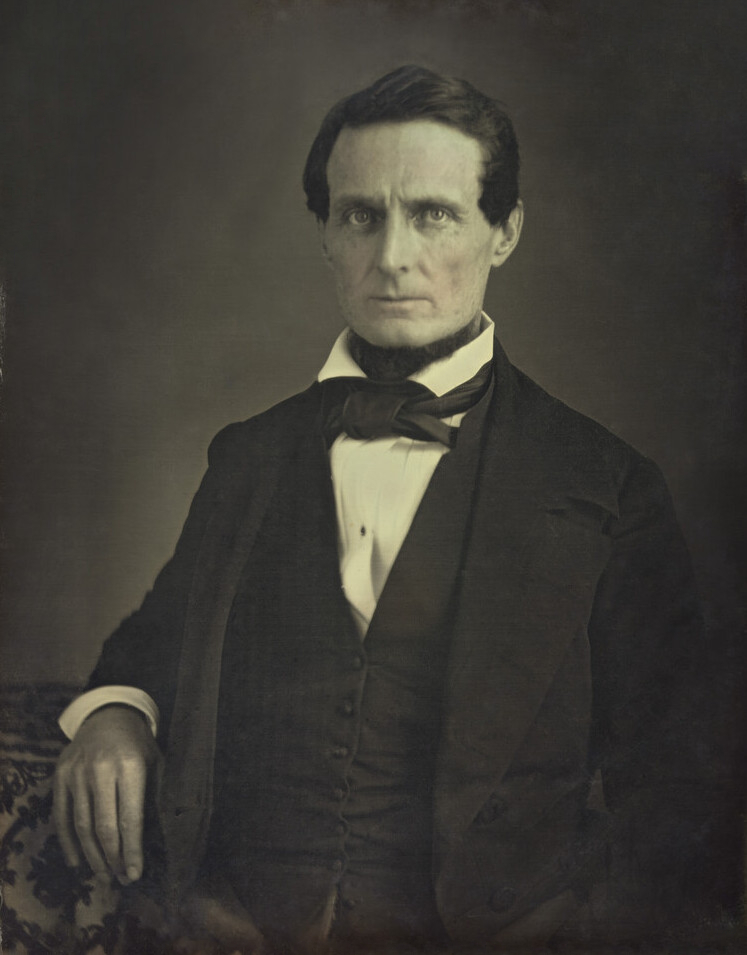
Black and white daguerreotype-style portrait of a man with dark hair, seated and resting one hand on a patterned chair arm. He wears a dark coat, vest, white shirt, and dark bow tie, and gazes directly at the camera against a dark background.Photograph

Primary source

Jefferson Davis, c. 1846

Unknown · c. 1846

Sepia-toned head-and-shoulders portrait of a middle-aged man with swept-back hair and a grizzled chin beard, turned to face right. He wears a dark coat, a white collar, and a dark cravat tied in a bow, set against a vignetted background.Photograph

Primary source

Jefferson Davis by Vannerson

Julian Vannerson · 1859

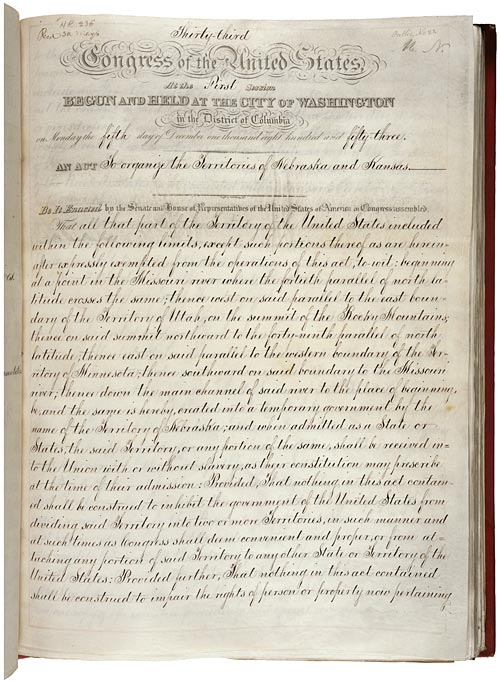
Handwritten manuscript page of the Kansas-Nebraska Act, headed 'Thirty-third Congress of the United States, First Session, begun and held at the city of Washington, December 1853,' with the title 'An Act to organize the Territories of Nebraska and Kansas' in ornate script.Document

Primary source

Kansas-Nebraska Act

United States Congress · 1854

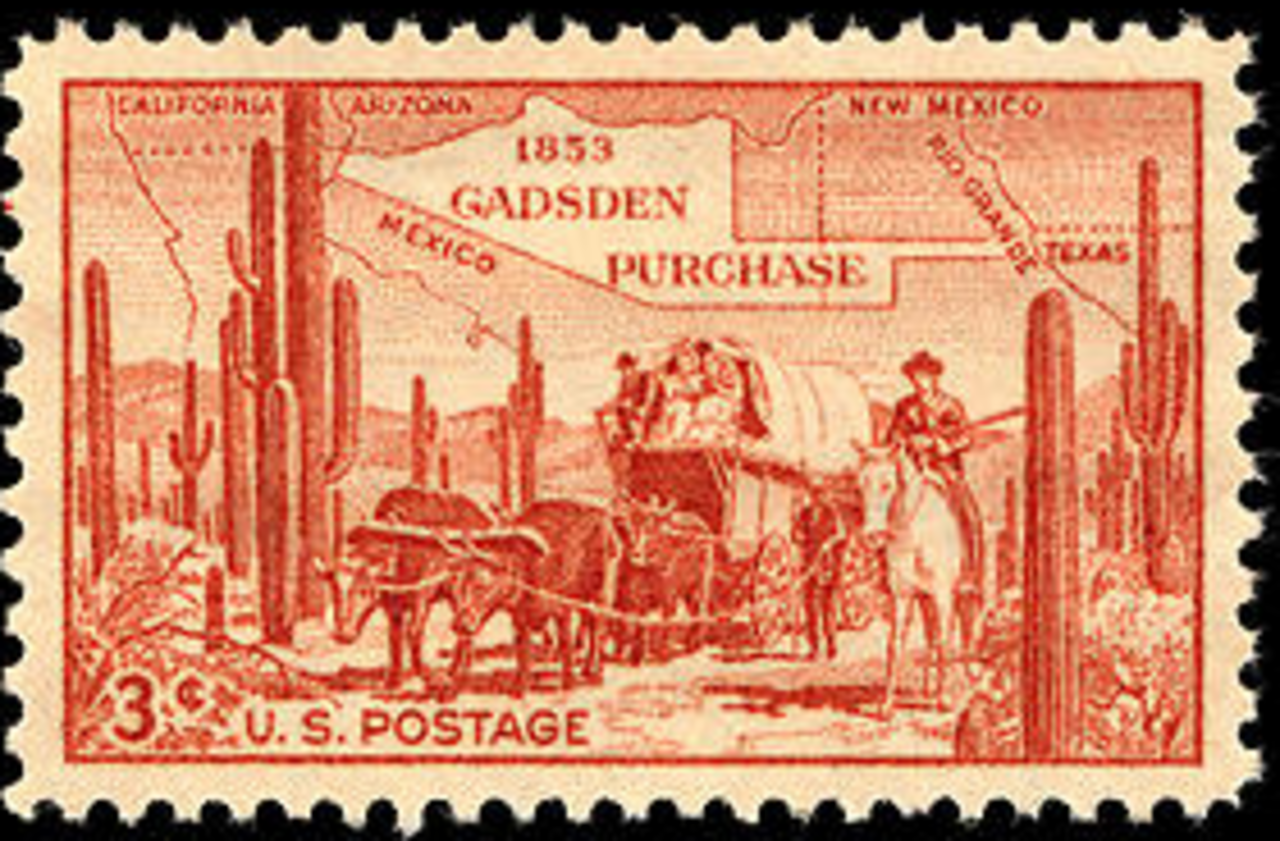
A red-orange 1953 U.S. 3-cent postage stamp with a scalloped border. It shows a map of the southwest labeled 1853 Gadsden Purchase, with Mexico, Arizona, New Mexico, and Texas, and a covered wagon pulled by oxen among saguaro cacti.Document

Secondary source

Gadsden Purchase

1853

Document

Primary source

Pacific Railroad Surveys Reports

U.S. War Department · 1855-1861

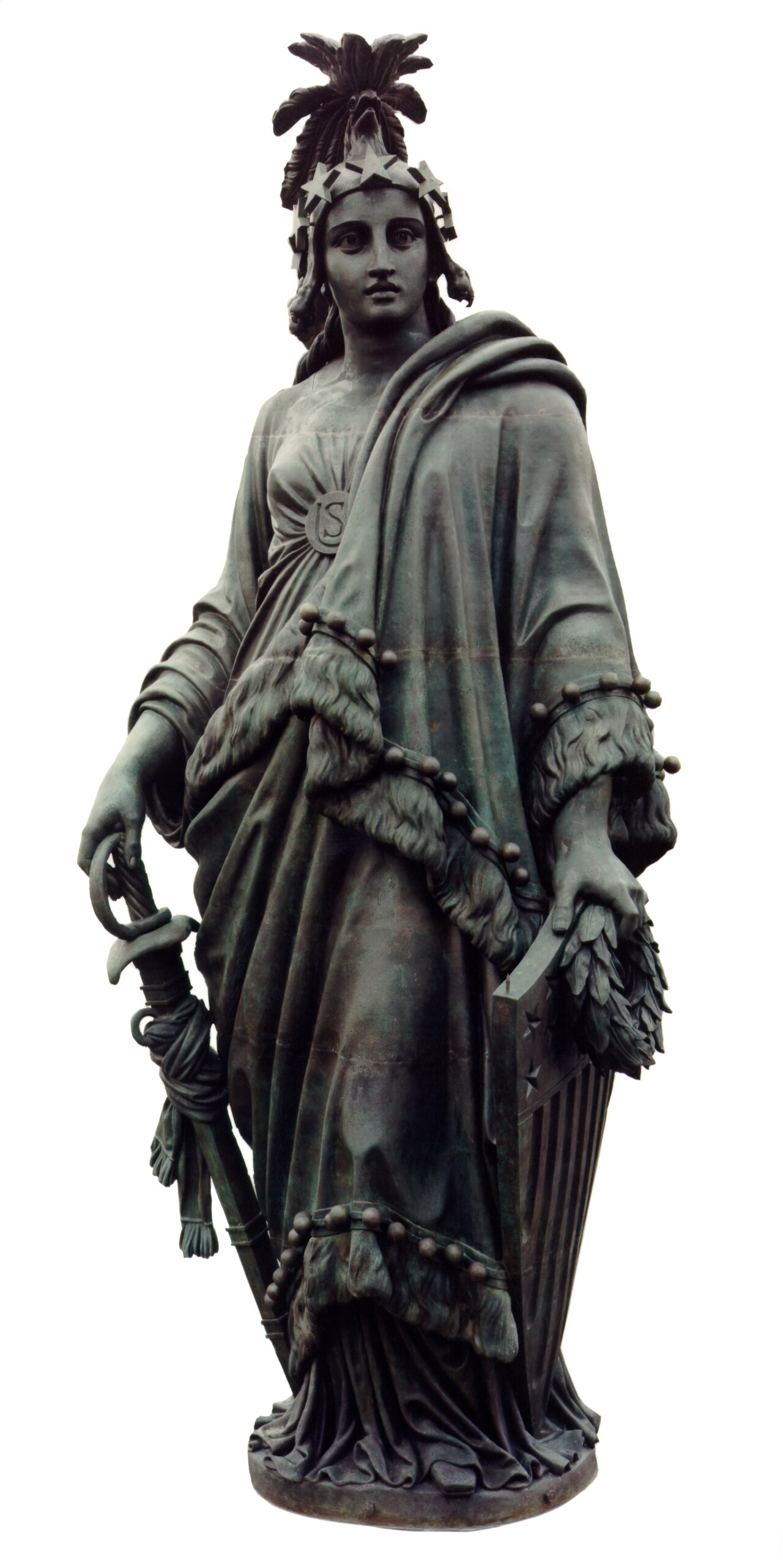
Dark green patinated bronze statue of a robed female figure wearing a headdress with feathers and stars, holding a sheathed sword in one hand and a laurel wreath with a shield in the other, photographed against a white background.Sculpture

Primary source

Statue of Freedom

Thomas Crawford · 1860

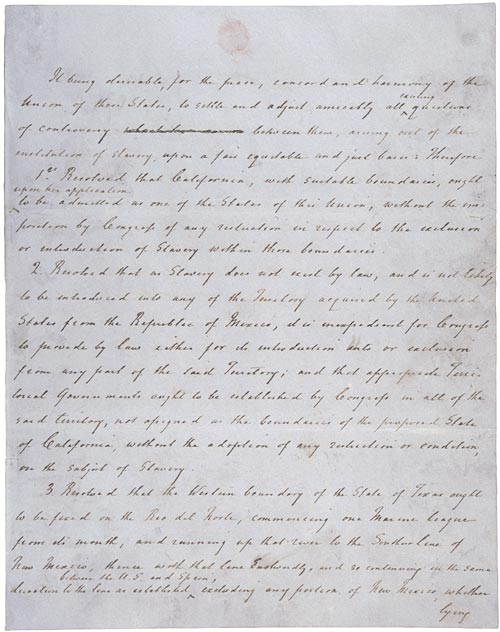
Handwritten manuscript on aged paper with cursive text and crossed-out words, showing the resolutions of the Compromise of 1850, including provisions on California statehood and slavery in the territories.Document

Primary source

Compromise of 1850

Henry Clay · 29 January 1850 (resolutions); statutes enacted September 1850

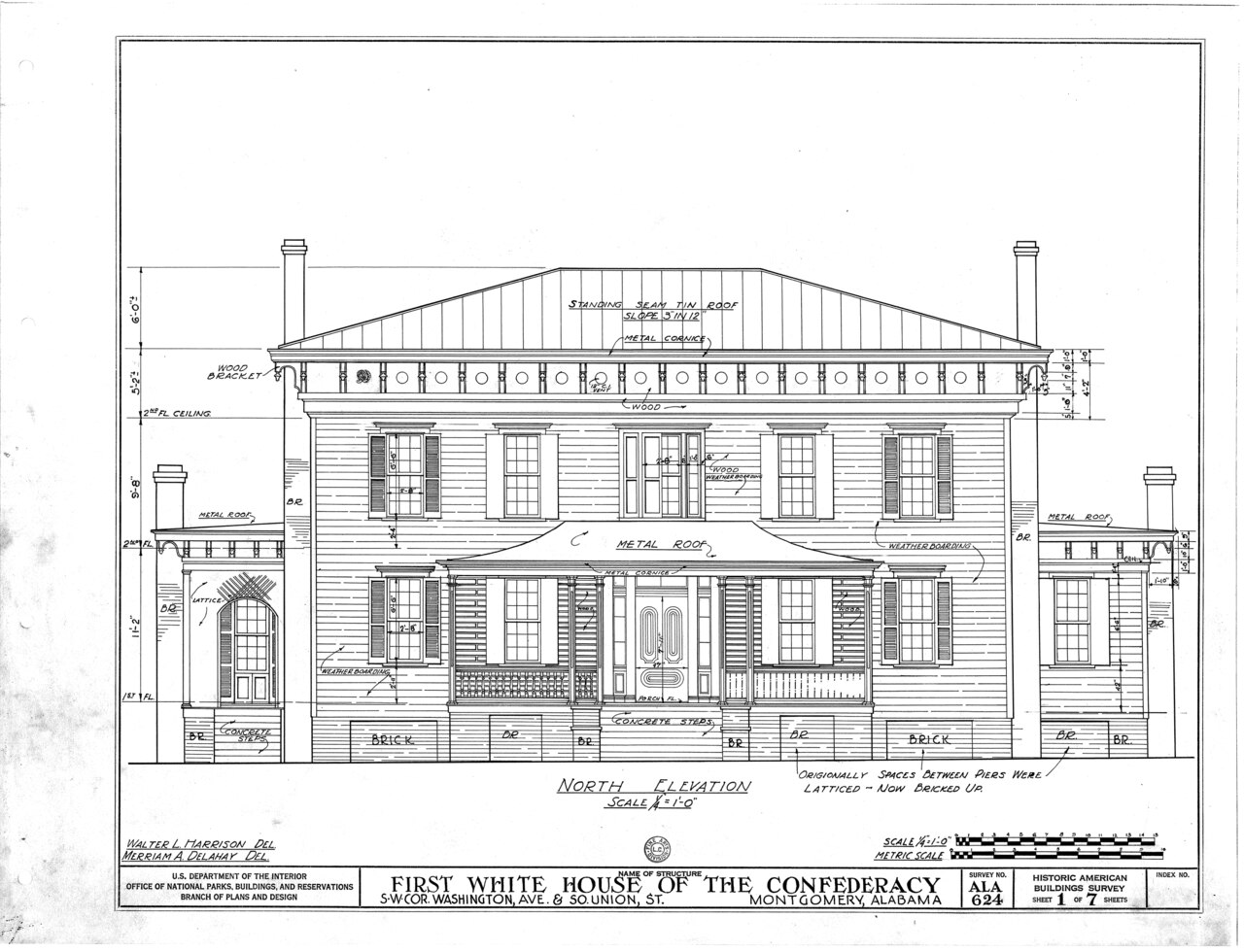
Measured architectural drawing, north elevation, of the First White House of the Confederacy in Montgomery, Alabama. Two-story frame house with a standing-seam tin roof, a front porch with metal roof, and brick ground-floor sections. Scale and title block are at the bottom.Artifact

Secondary source

First White House of the Confederacy

1835

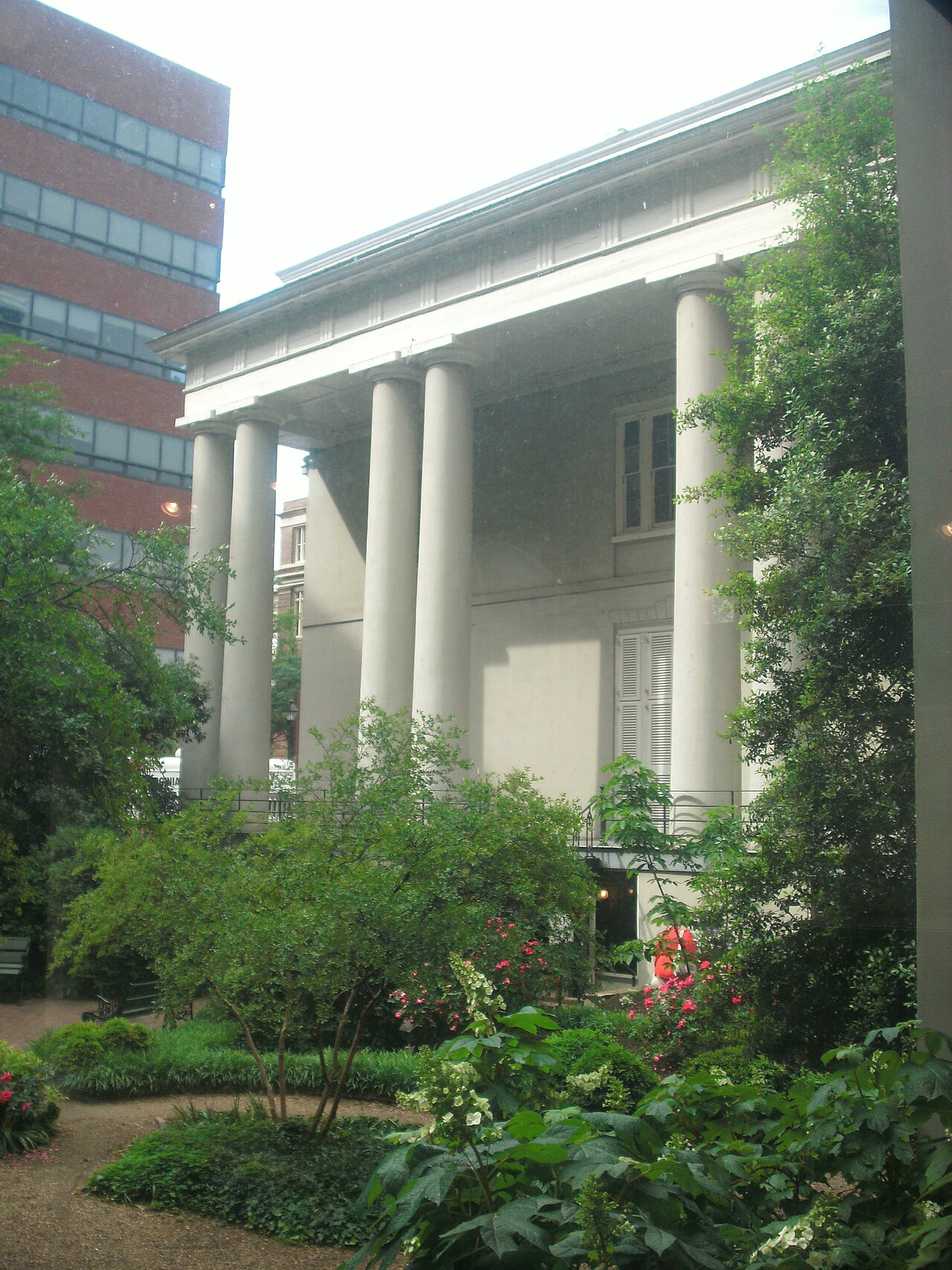
A white neoclassical building with a tall columned portico and a second-floor balcony, surrounded by green trees and garden beds with flowers. A red-brick office building stands at the left edge.Artifact

Secondary source

White House of the Confederacy

Robert Mills · 1818

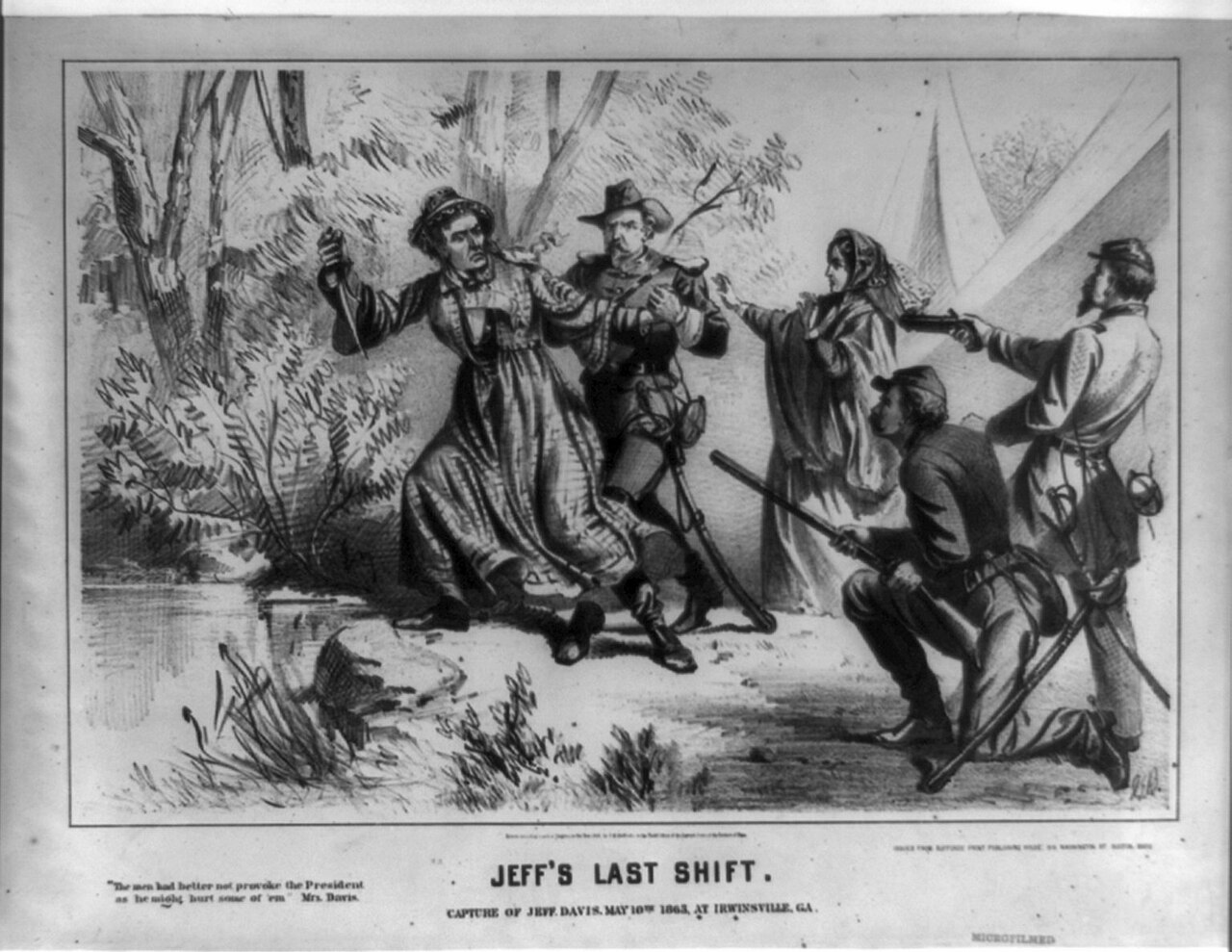
Black-and-white lithograph titled "Jeff's Last Shift." A man in a hat and uniform is grabbed by a woman in a long dress and bonnet beside a creek in woods, while a woman in a shawl gestures and two Union soldiers aim rifles, one kneeling. A tent is at right. Caption text is printed below the image.Painting

Secondary source

Jeff's Last Shift

John L. Magee · 1865

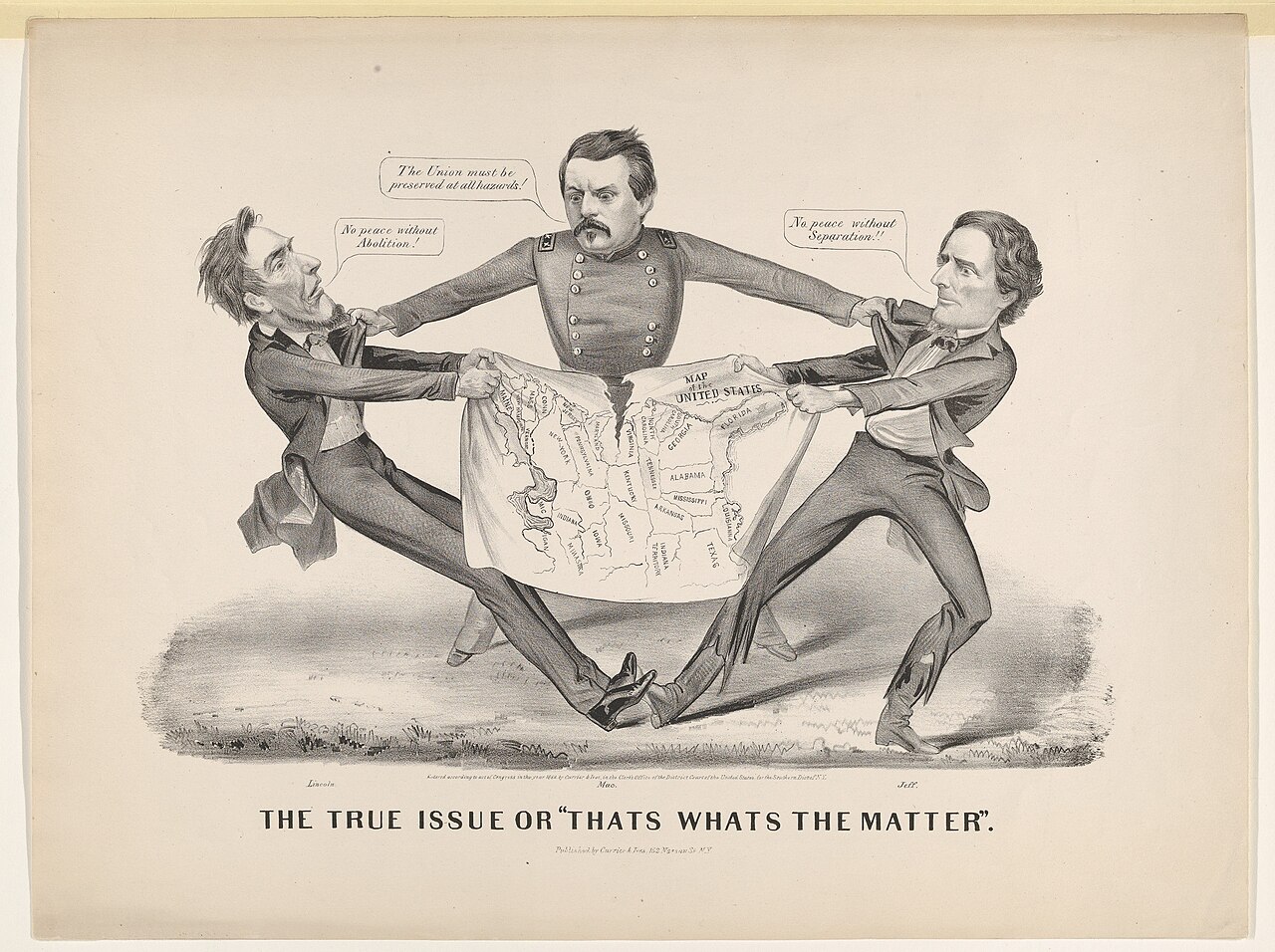
Lithograph cartoon titled 'The True Issue or Thats Whats the Matter'. Three men tug a torn map of the United States: Lincoln at left, McClellan in uniform at center, and Jefferson Davis at right. Speech bubbles read 'No peace without Abolition', 'The Union must be preserved at all hazards', and 'No peace without Separation'.Painting

Secondary source

The True Issue or "Thats Whats the Matter"

Currier & Ives · 1864

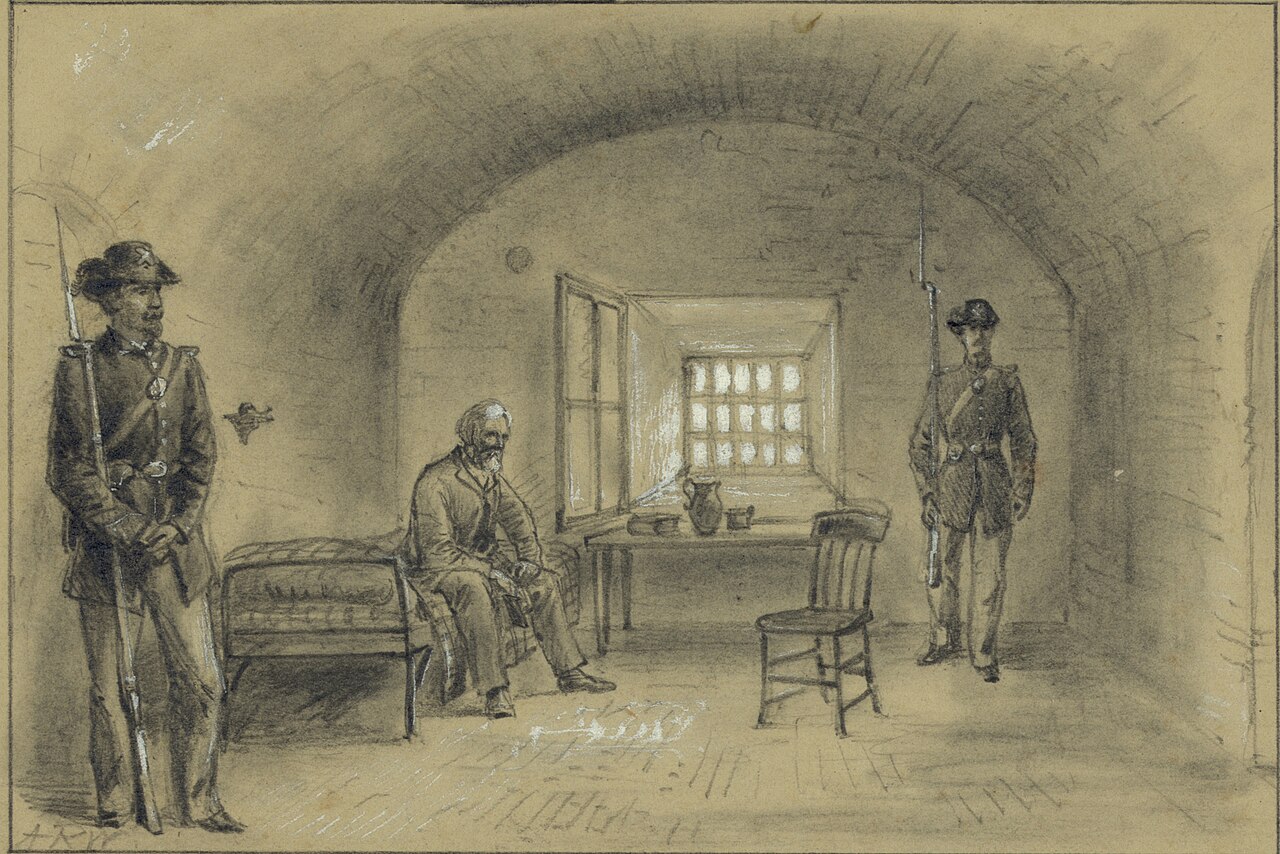
Pencil and wash drawing of a vaulted brick casemate cell. A seated older man with a beard sits on a cot-like bench beside a table holding a pitcher and cup. A barred window is open at left. Two uniformed armed guards stand at left and right.Artifact

Secondary source

Casemate Cell of Jefferson Davis, Fort Monroe

1865

Back cover of a dark red cloth-bound book with a faint stain near the upper middle and a white library barcode label at the lower right reading 00023355.Book

Secondary source

The Prison Life of Jefferson Davis

John J. Craven · 1866

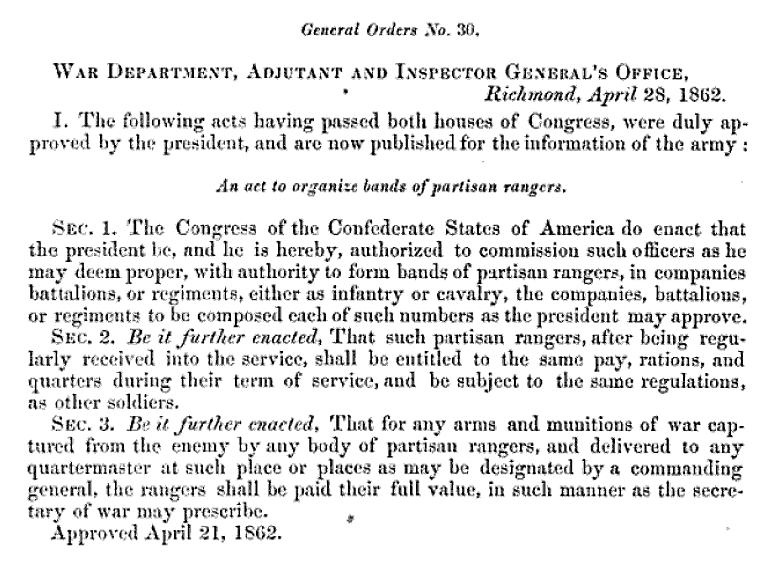
Scanned printed page of General Orders No. 30, War Department, Richmond, April 28, 1862, publishing the Act to organize bands of partisan rangers, Sections 1 through 3, approved April 21, 1862.Document

Primary source

Partisan Ranger Act

Confederate Congress · 21 April 1862

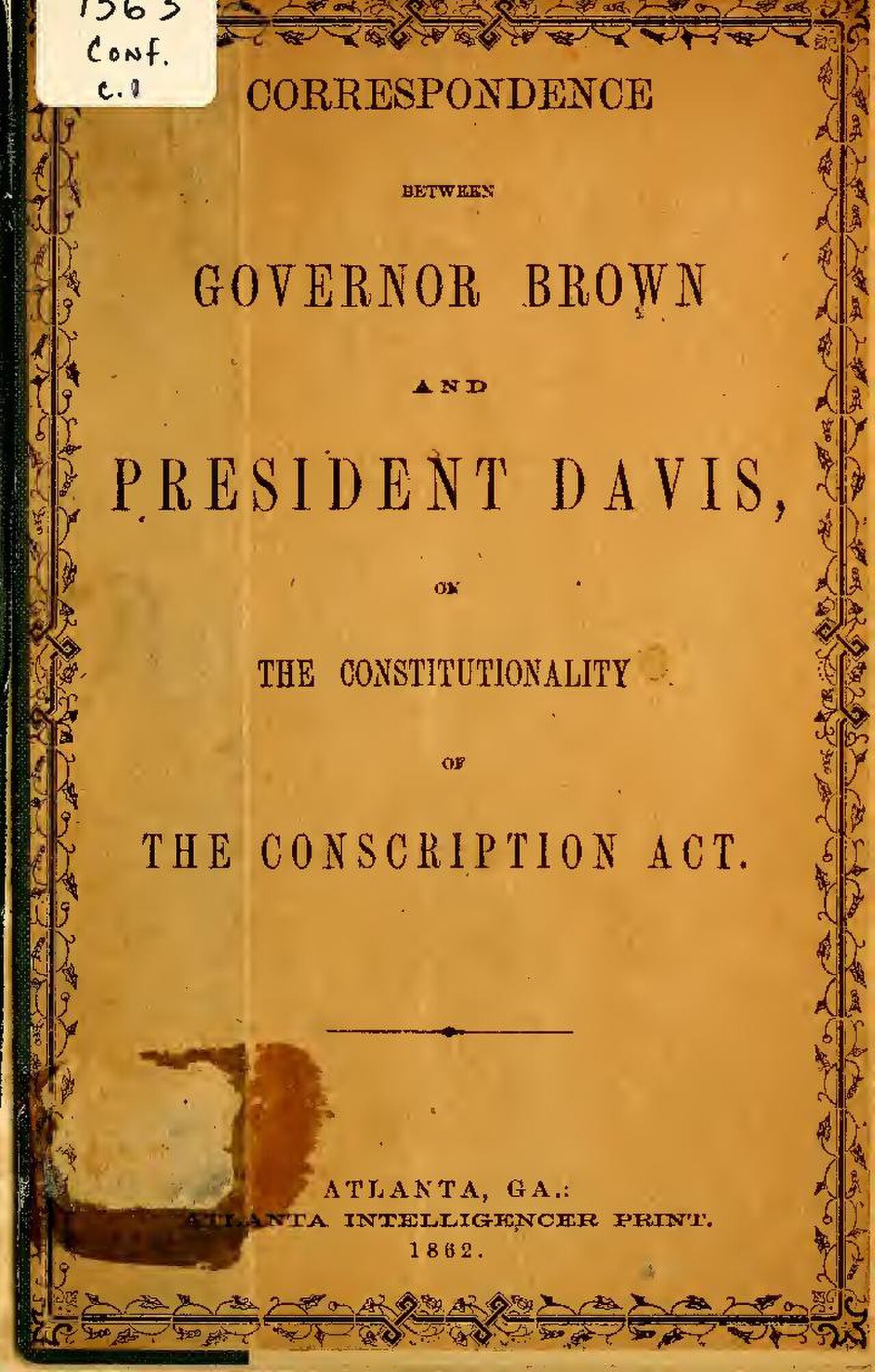
Title page of a pamphlet reading 'Correspondence between Governor Brown and President Davis, on the constitutionality of the Conscription Act', with an ornate decorative border, printed at Atlanta, Ga., Atlanta Intelligencer Print, 1862. A library call number label appears in the top left corner.Document

Primary source

Confederate Conscription Act of 1862

Confederate Congress · 16 April 1862

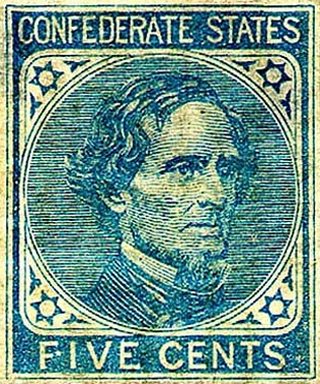
Blue-green engraved Confederate States postage stamp. Text at top reads CONFEDERATE STATES and at bottom FIVE CENTS. Central oval portrait of a man with combed-back hair and side whiskers in a high-collared coat, framed by decorative corner stars.Artifact

Primary source

Jefferson Davis Confederate 5-cent postage stamp

Hoyer & Ludwig · 1861

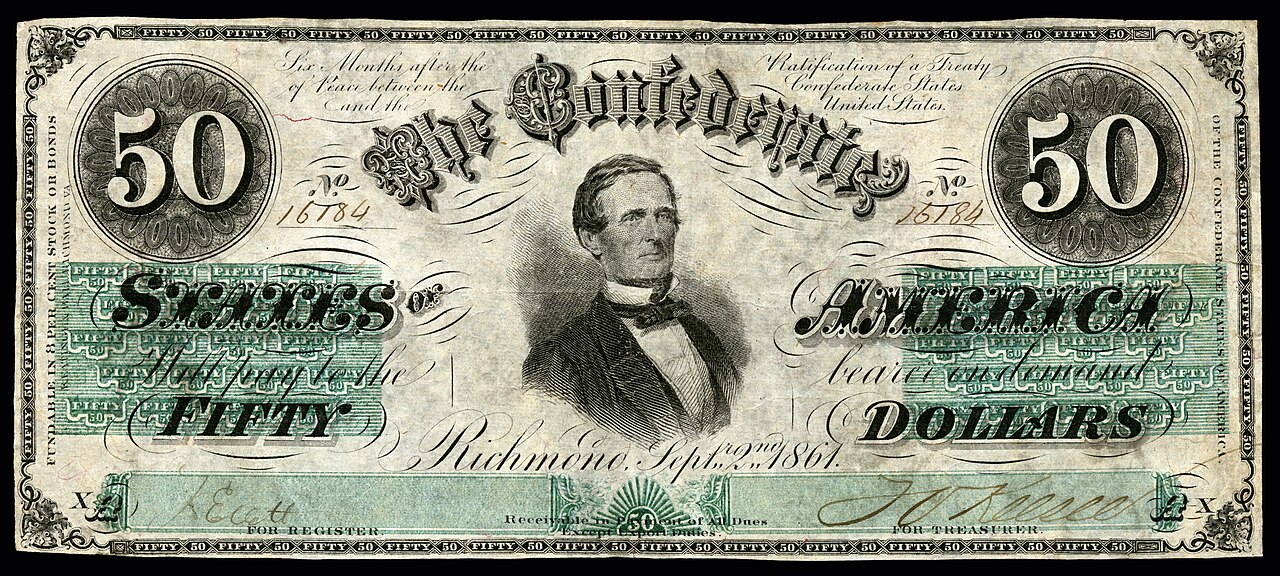
Front of a Confederate States of America fifty dollar banknote, dated Richmond, Sept. 12, 1861. Black and green ornate printing with large 50 medallions at each end, and an engraved portrait of a man with short hair and a dark bow tie at the center. Text reads 'The Confederate States of America' and 'Fifty Dollars'.Artifact

Primary source

Confederate $50 banknote with portrait of Jefferson Davis

Confederate Treasury · 1864 (catalogue date); note dated Richmond, 12 September 1861

Scan of a full newspaper page, the New York Daily Tribune, with a tall narrow column of dense small print and a multi-line headline at the top. The page header reads New-York Tribune, 31 Aug 1859, Page 2, from a Newspapers.com clipping.Newspaper article

Primary source

A Mississippi View of Politics, Page 1

Jefferson Davis · 31 August 1859

Plain dark red cloth book cover with a fine woven texture and no visible title, lettering, or markings.Diary entry

Primary source

A Diary from Dixie

Mary Boykin Chesnut · Written during the Civil War; edition published 1980

Dark cloth book cover with a gold-stamped circular seal reading 'The Confederate States of America, 22 February 1862, Deo Vindice' showing a mounted horseman, and a gold script signature 'Jefferson Davis' below it.Book

Secondary source

Jefferson Davis, Ex-President of the Confederate States of America: A Memoir by His Wife

Varina Howell Davis · 1890

Book

Primary source

The Doctrine of State Rights

Jefferson Davis

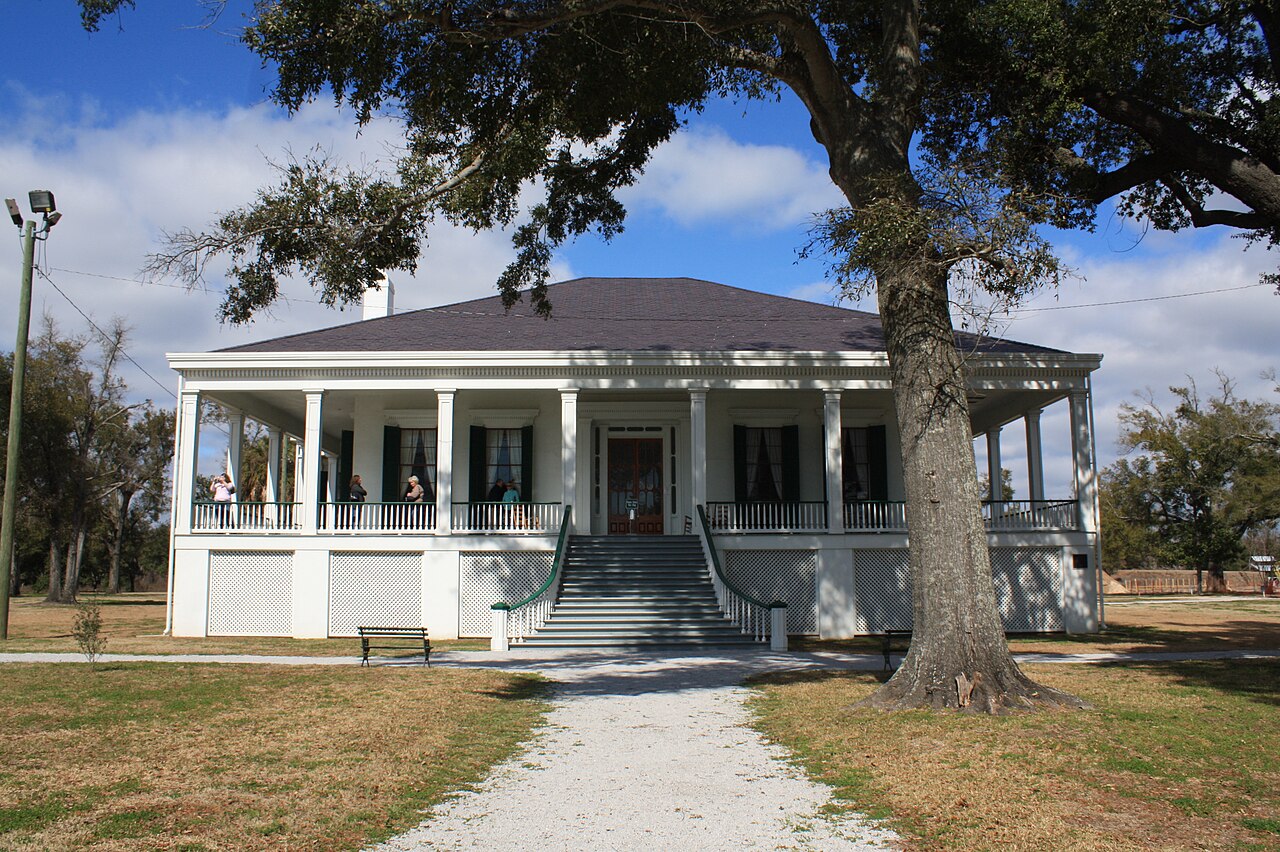
Front view of a white two-story plantation-style house with a wide front porch supported by white columns, a dark hipped roof, and a central staircase leading up to the entrance. A large oak tree stands at the right, and gravel paths lead to the house on a sunny day with blue sky.Artifact

Primary source

Beauvoir

James Brown · Completed 1852

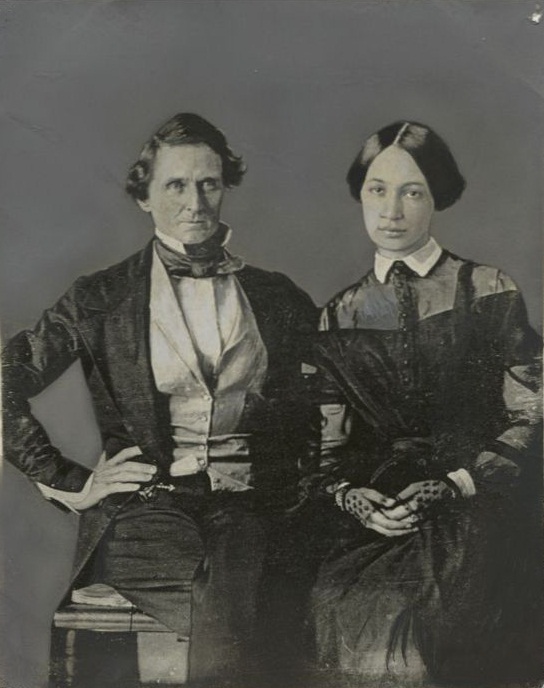
Black-and-white daguerreotype-style portrait of a seated man with swept-back hair in a dark coat, light vest and cravat, with one hand on his hip, beside a seated woman in a dark dress with a high white collar, hands clasped in her lap.Photograph

Primary source

Varina Howell and Jefferson Davis Wedding Portrait

1845

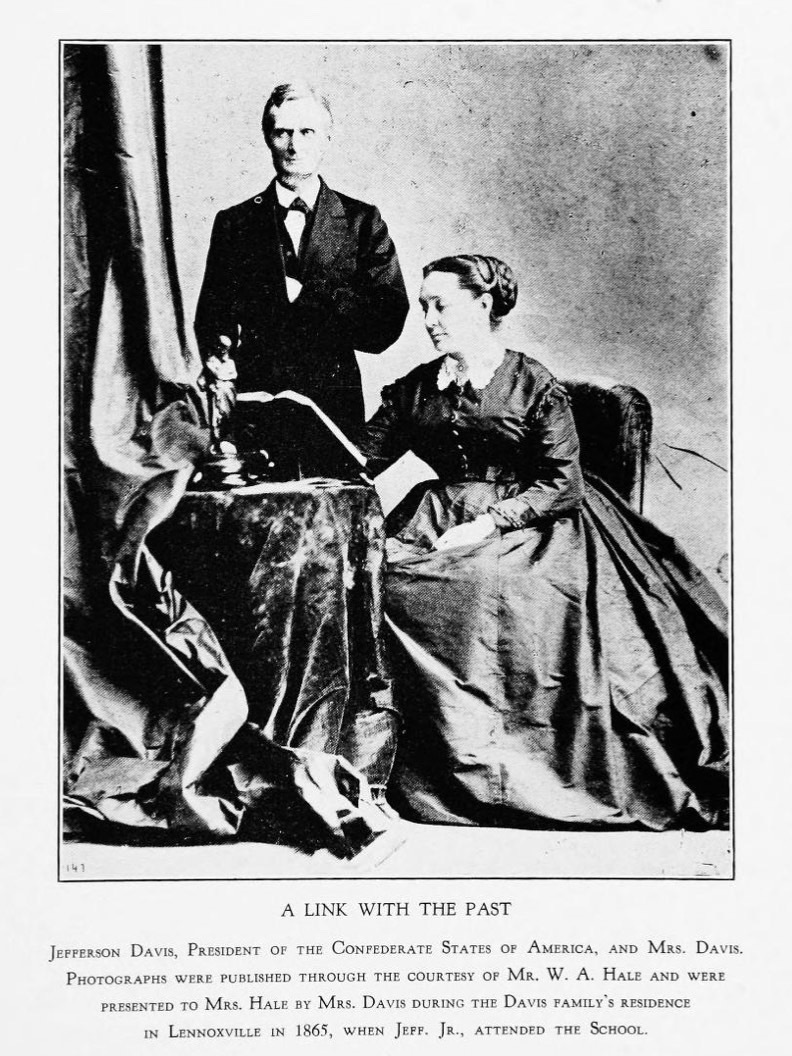
Black-and-white studio portrait of a standing man in a dark suit and bow tie beside a seated woman in a dark dress with a high collar, a draped curtain and a small table with a lamp behind them. Printed caption below reads 'A Link with the Past'.Photograph

Primary source

Jefferson Davis in Lennoxville, Quebec

1865 (photograph); reproduced in the 1915 yearbook

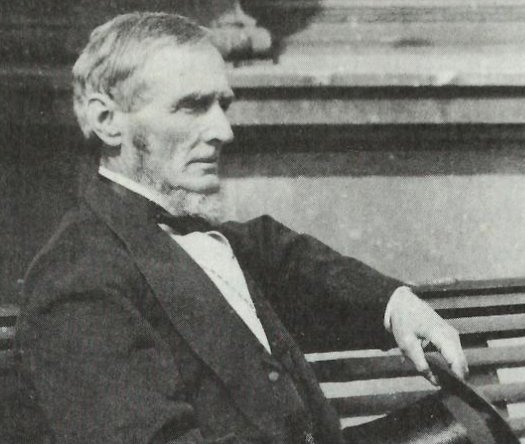
Black and white photograph of an older man with short gray hair and a full gray beard, seated on a wooden bench in a dark suit jacket, white shirt, and dark bow tie, gazing to the left.Photograph

Primary source

Jefferson Davis in Glasgow

circa 1869

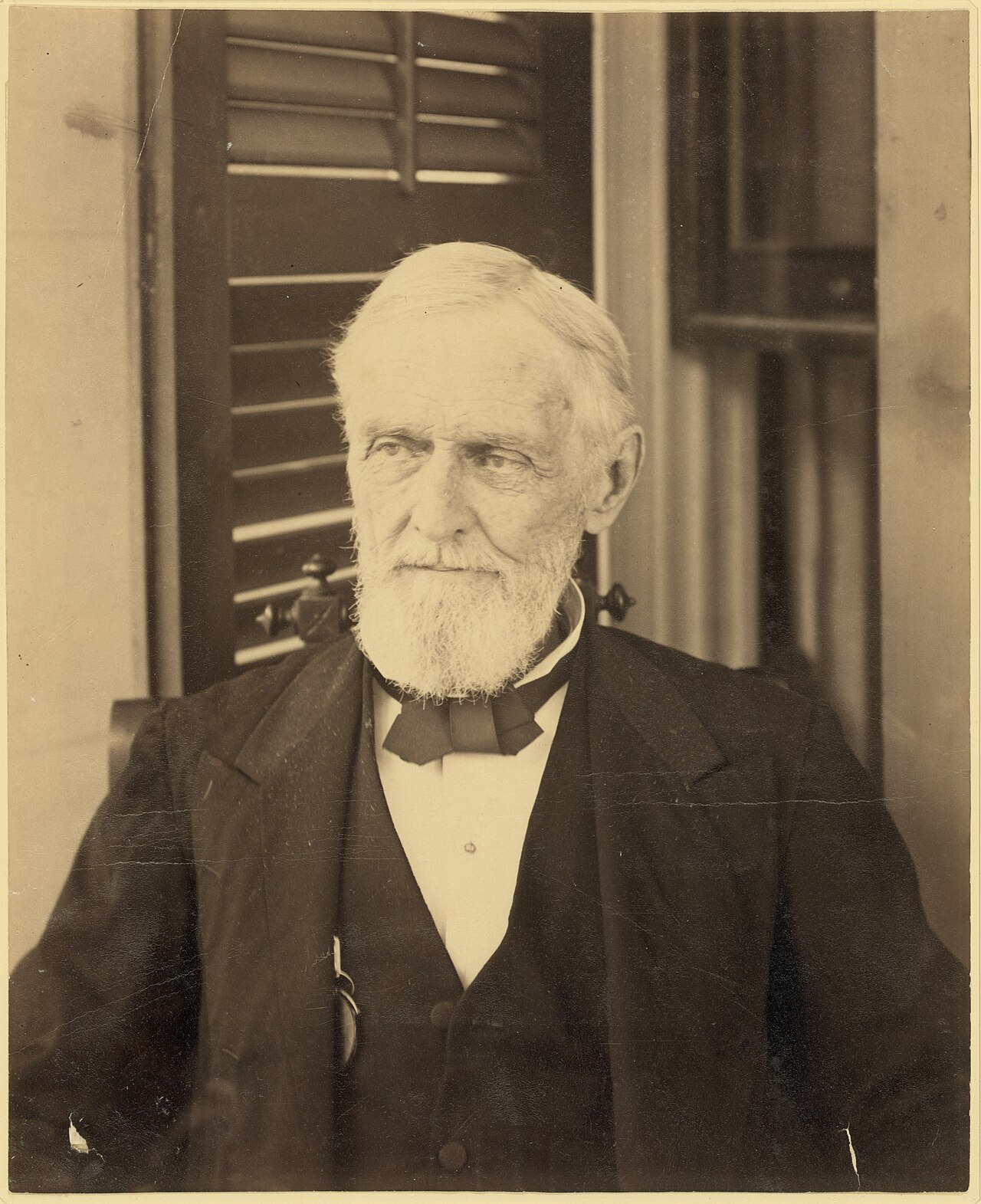
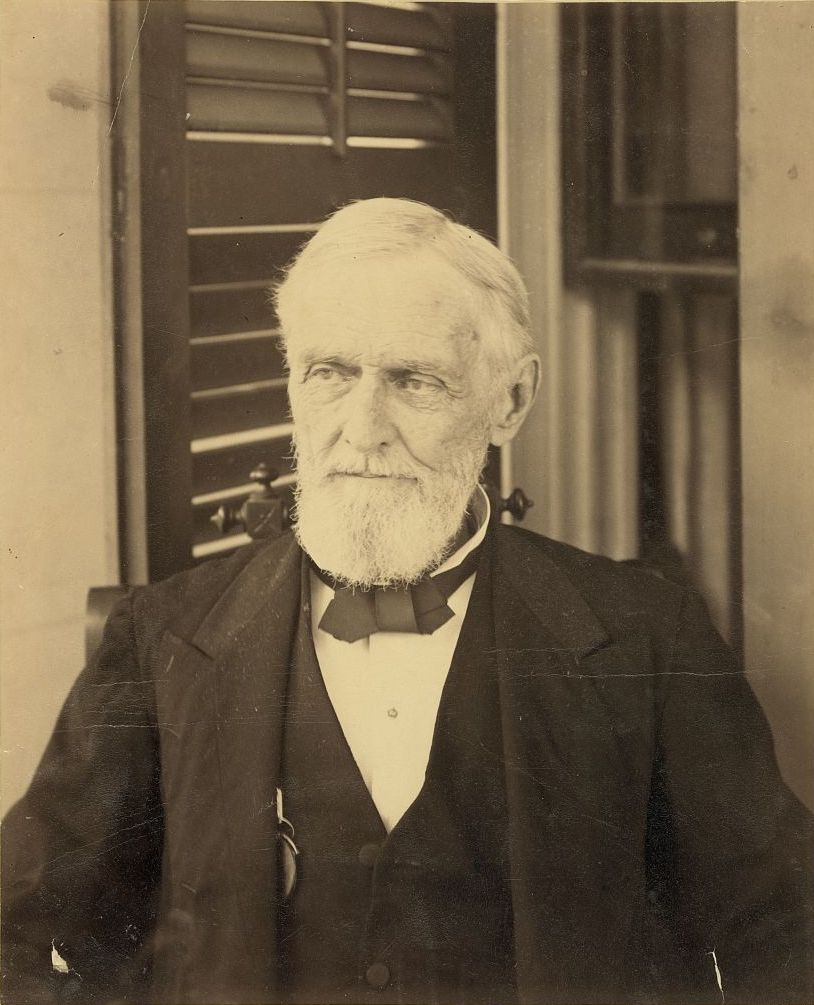
Sepia photograph of an elderly bearded man with white hair, wearing a dark suit, waistcoat, white shirt and dark bow tie, seated before a wooden louvered shutter and a window frame. He looks off to the side.Photograph

Primary source

Jefferson Davis, seated, facing front, during portrait session at Beauvoir

Edward L. Wilson

Black cursive handwritten signature on a white background, written in a wide, flowing horizontal style with large looping strokes. The script appears to read 'Jefferson Davis'.Document

Primary source

Signature of Jefferson Davis

Jefferson Davis

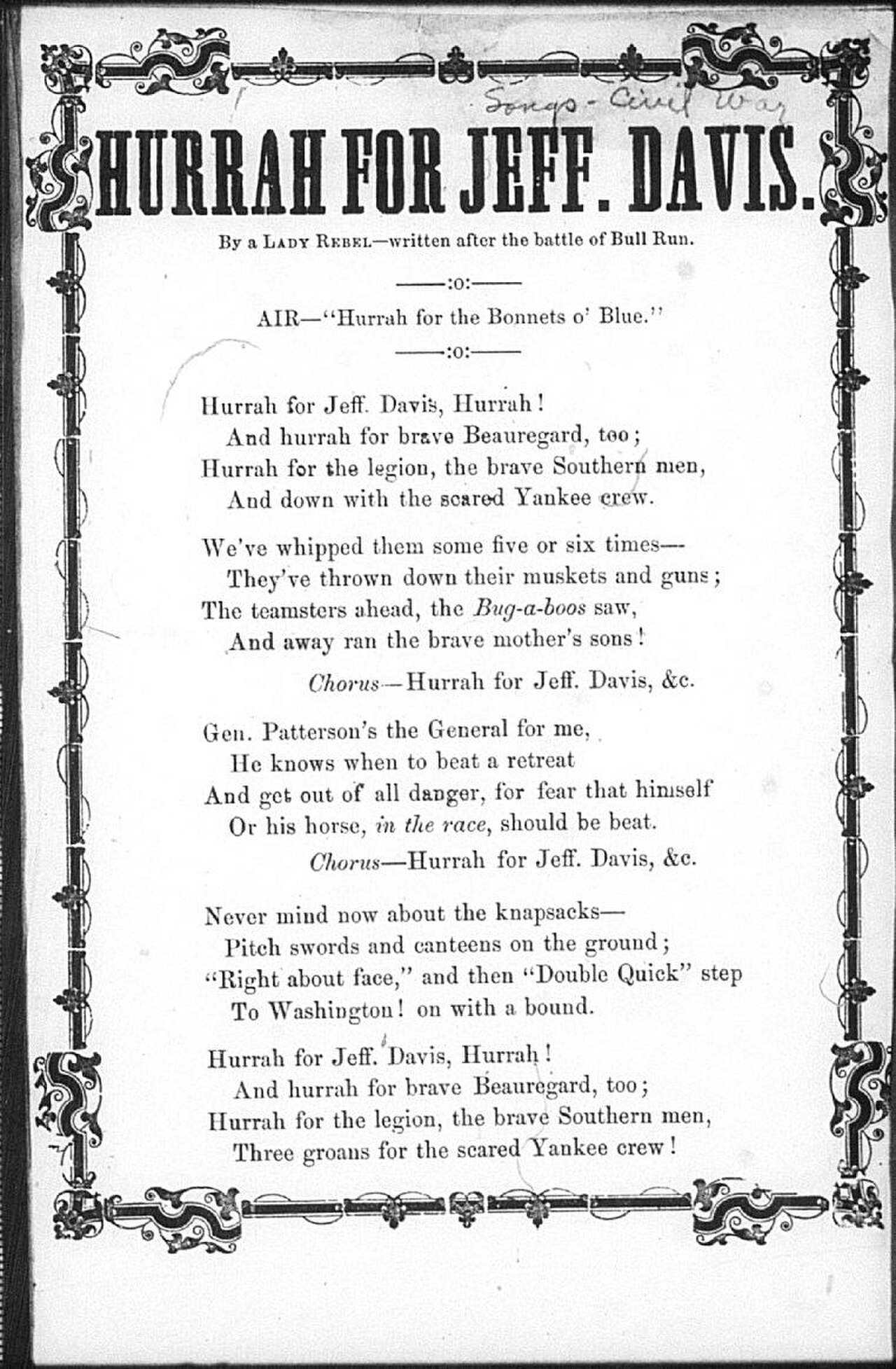
Scan of a printed broadside titled 'Hurrah for Jeff. Davis.' with a decorative border, subtitle 'By a Lady Rebel, written after the battle of Bull Run,' and four verses with choruses printed in black type on white paper. Handwritten 'Songs - Civil War' appears at top.Document

Primary source

Hurrah for Jeff. Davis

1861?

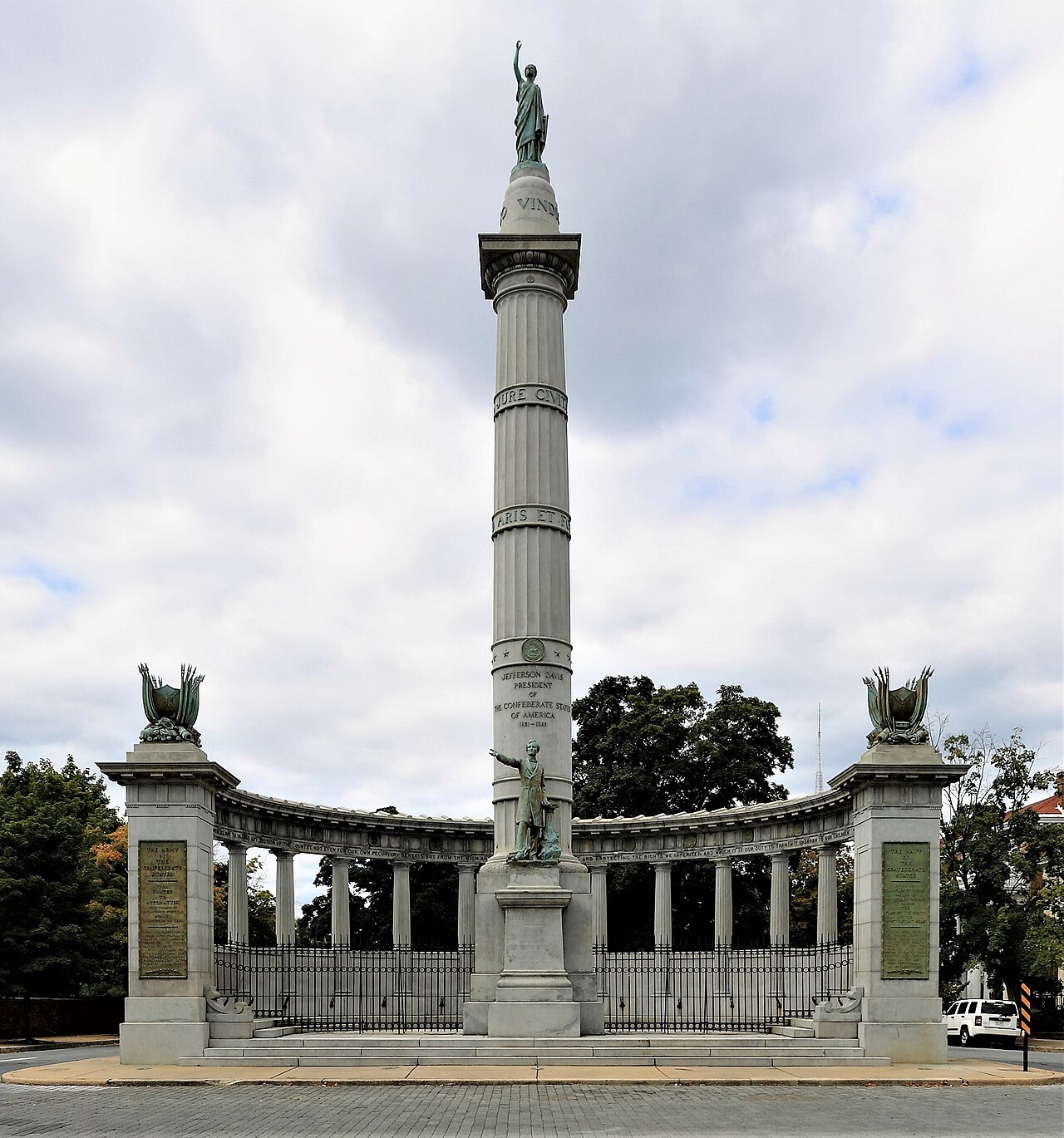
Front view of the Jefferson Davis Monument on Monument Avenue: a tall granite column topped by a bronze female figure with arm raised, with a bronze statue of a man at its base, flanked by a curved colonnade, pylons with bronze eagles, and iron railings. Overcast sky.Sculpture

Secondary source

Jefferson Davis Monument

Edward Virginius Valentine · 1907

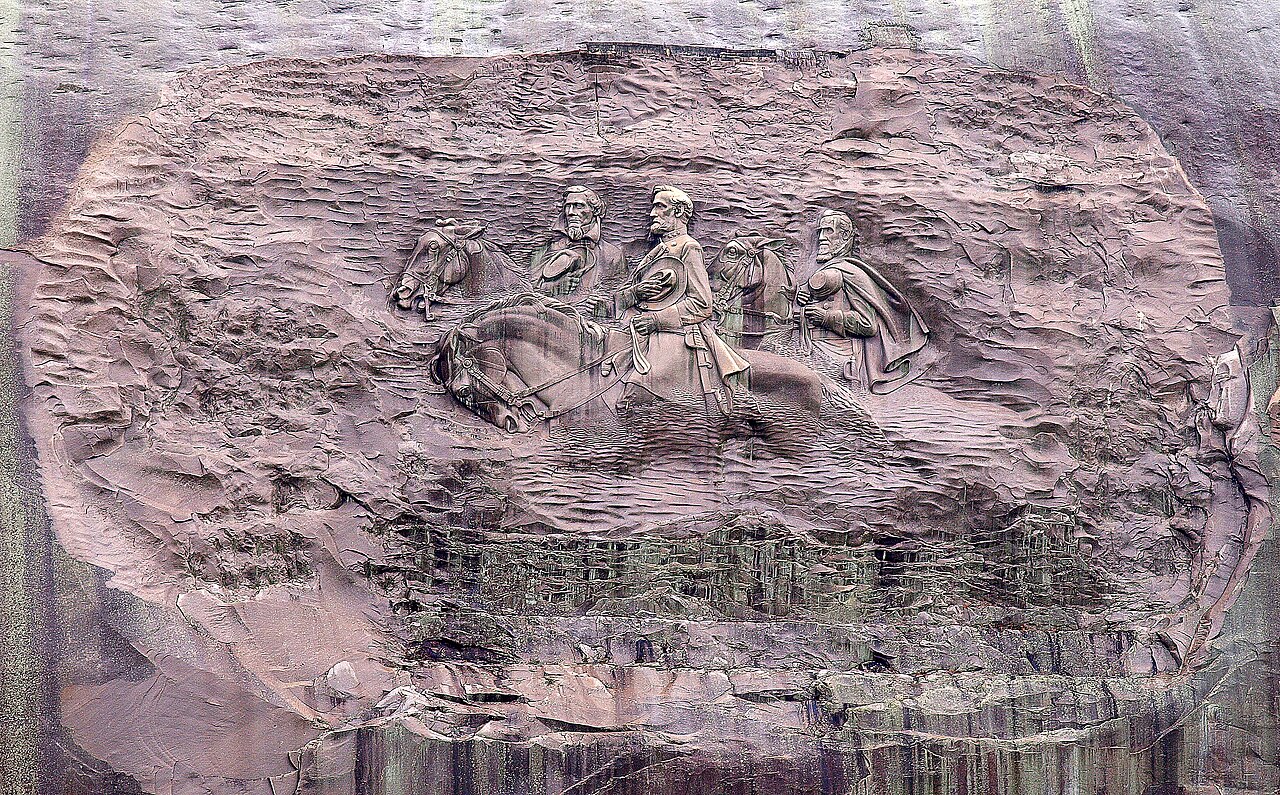
Large carved relief on a granite cliff face showing three mounted Confederate figures on horseback, with a central rider in a long coat and two other riders behind, surrounded by rough, weathered rock.Sculpture

Secondary source

Stone Mountain Confederate Memorial

Roy Faulkner · 1917

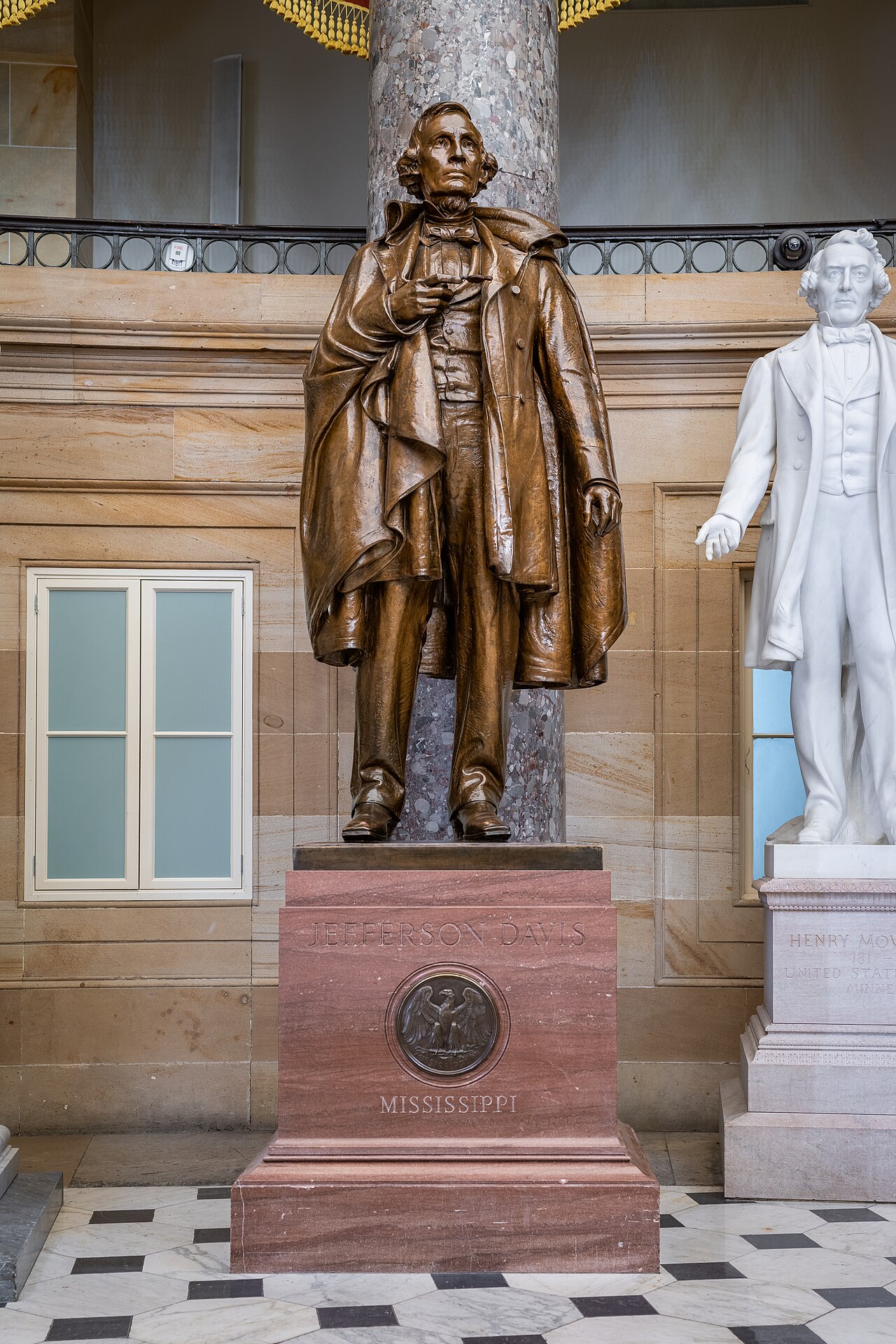
Bronze statue of Jefferson Davis standing on a red granite pedestal inscribed 'Jefferson Davis' and 'Mississippi', with a Mississippi seal. He wears a long cloak and holds his coat with one hand. A white marble statue of Henry Mower Rice stands to the right in a stone-walled hall.Sculpture

Secondary source

Jefferson Davis (statue in National Statuary Hall)

Augustus Lukeman · 1931

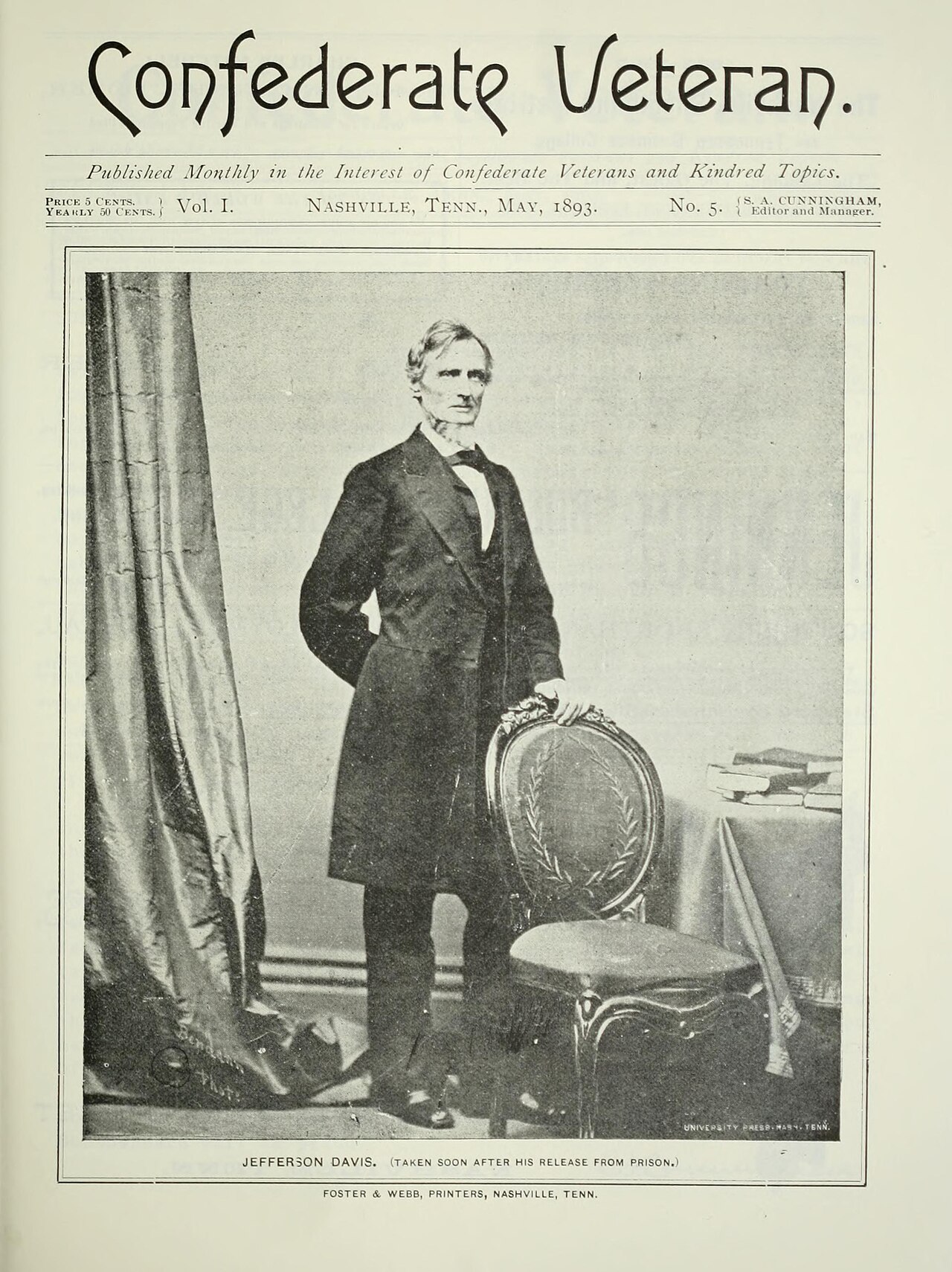
Front cover of the Confederate Veteran magazine, Vol. I, No. 5, Nashville, Tenn., May 1893. Below the masthead is a framed photograph of a standing man with a chair, draped curtain, and books, captioned Jefferson Davis, taken soon after his release from prison.Newspaper article

Secondary source

Confederate Veteran, Vol. I, No. 5 (cover)

Confederate Southern Memorial Association · May 1893

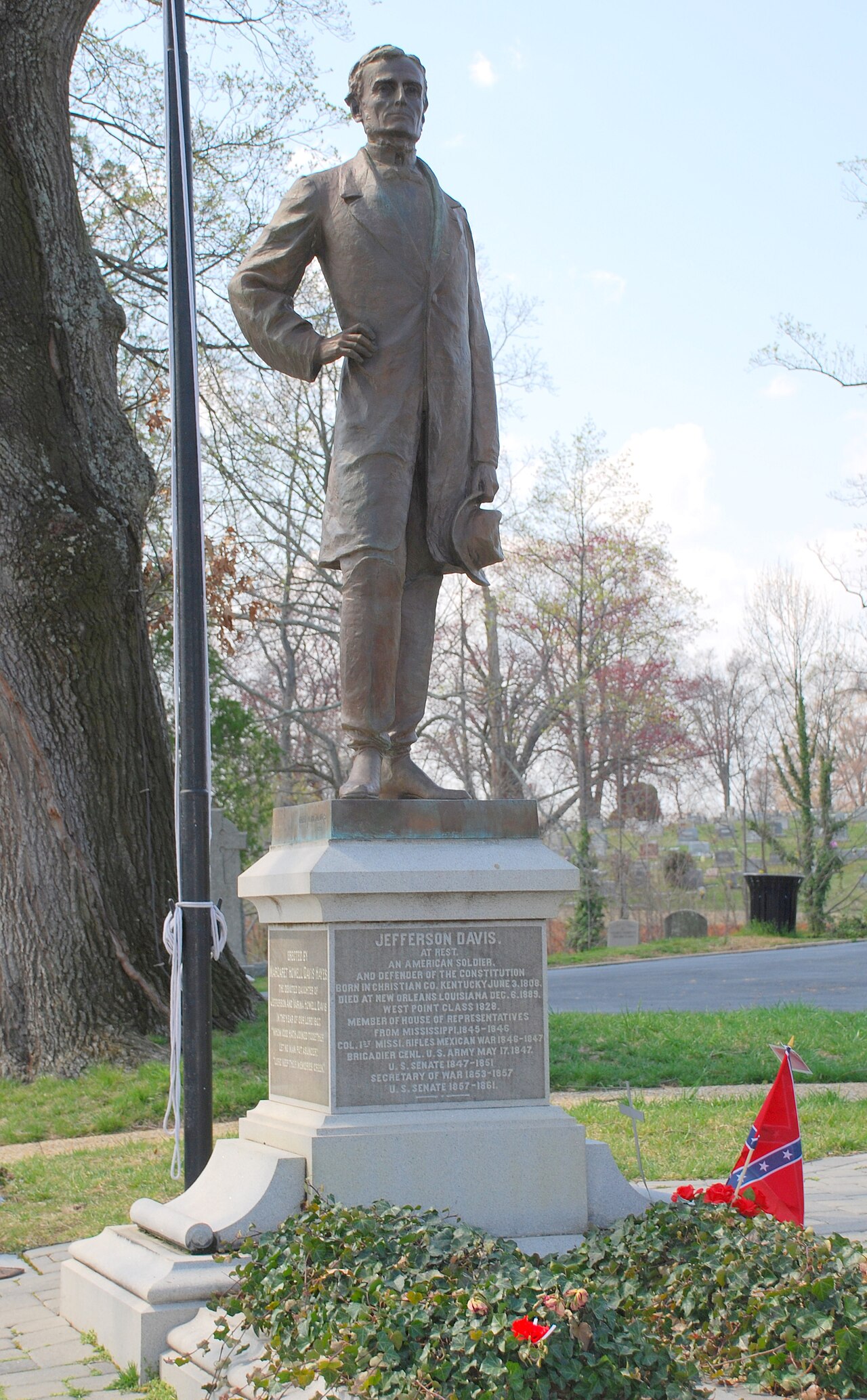
A bronze statue of a standing man in a long coat, one hand on his hip and hat in the other, on a granite pedestal inscribed with his name and biography. Ivy and a red Confederate battle flag lie at the base. Bare trees and a path are behind.Sculpture

Secondary source

Grave of Jefferson Davis

Speech of Jefferson Davis on Slavery in the TerritoriesSpeech

Primary source

Speech of Jefferson Davis on Slavery in the Territories

Jefferson Davis · 13-14 February 1850

Reply of Jefferson Davis to Senator DouglasSpeech

Primary source

Reply of Jefferson Davis to Senator Douglas

Jefferson Davis · 16-17 May 1860

Andersonville and Other War-PrisonsBook

Primary source

Andersonville and Other War-Prisons

Jefferson Davis · 1890

Third Annual Message of President Davis to the Confederate CongressSpeech

Primary source

Third Annual Message of President Davis to the Confederate Congress

Jefferson Davis · 1864

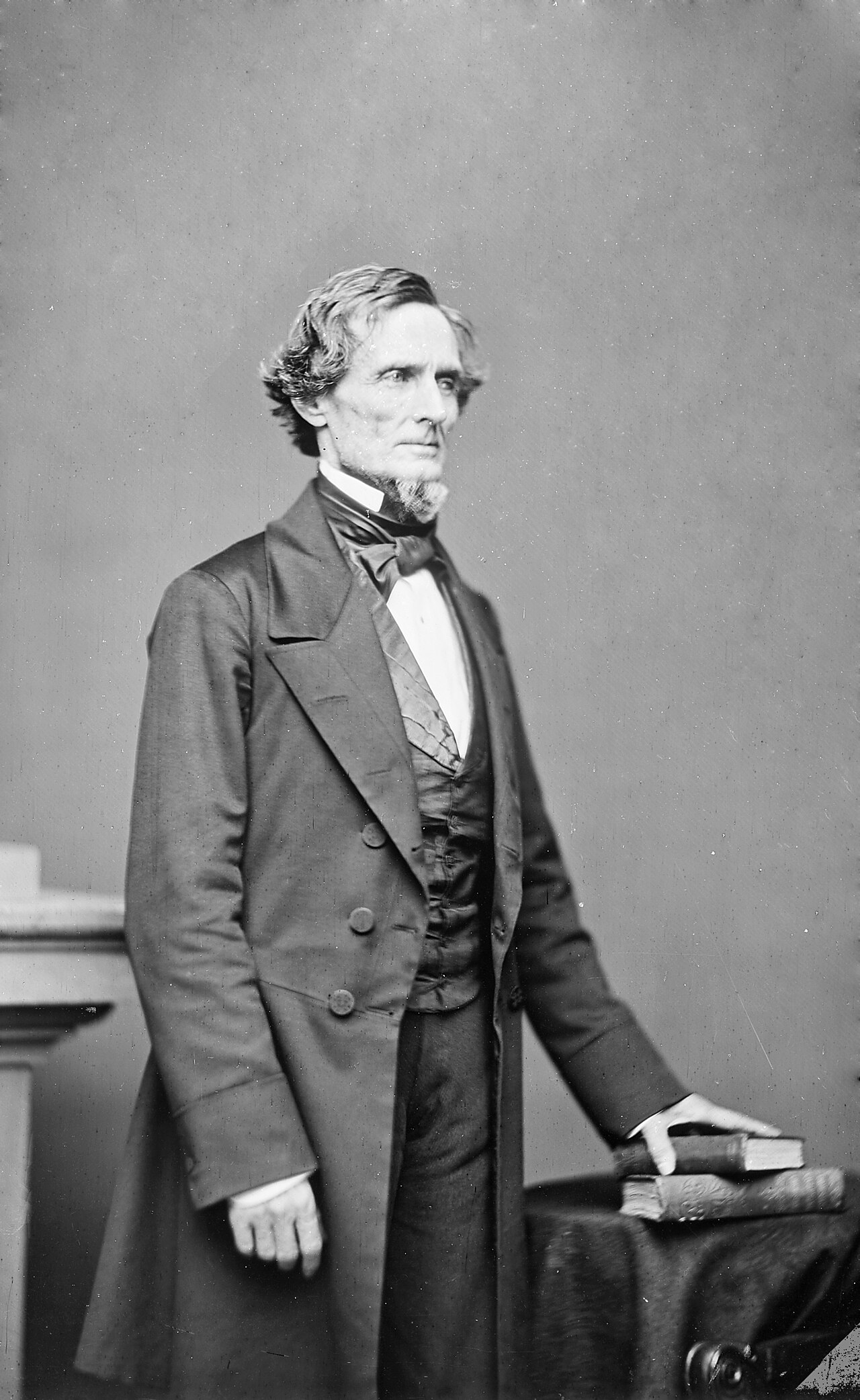
Black-and-white studio photograph of a standing man with wavy hair and a goatee, wearing a long double-breasted frock coat, vest, and cravat. He rests one hand on a stack of two bound books on a draped table, and looks off to the side against a plain backdrop.Photograph

Primary source

Jefferson Davis, Photographed by Mathew Brady

Mathew Benjamin Brady · c. 1860-1865

Jefferson DavisBook

Secondary source

Jefferson Davis

William E. Dodd · 1907

Newspaper article

Primary source

Inauguration of the President of the Southern Confederacy

1861

Speech

Primary source

Speech at the Portland Serenade

Jefferson Davis · 1858

Speech

Primary source

Speech at Belfast Encampment

Jefferson Davis · 1858

Speech

Primary source

Speech to the Mississippi State Democratic Convention

Jefferson Davis · 1859

Speech

Primary source

Message to the Second Session of the Provisional Confederate Congress

Jefferson Davis · 29 April 1861

Letter

Primary source

Letter to Sarah Knox Taylor

Jefferson Davis · 1834

Letter

Primary source

Letter to Jefferson Davis, September 3, 1862

Robert E. Lee · 3 September 1862

Document

Primary source

Executive Order 4, May 9, 1865

9 May 1865

Speech

Secondary source

Jefferson Davis Memorial Address

Charles Minnigerode · 1889

Book

Secondary source

The Real Jefferson Davis

Landon Knight · 1904

Black-and-white studio portrait of a middle-aged man with wavy hair and a goatee, wearing a dark long coat, white shirt, dark cravat, and vest. He stands beside a table with two old leather-bound books under his hand.Photograph

Primary source

Jefferson Davis Photographed by Mathew Brady

Mathew Benjamin Brady · c. 1859

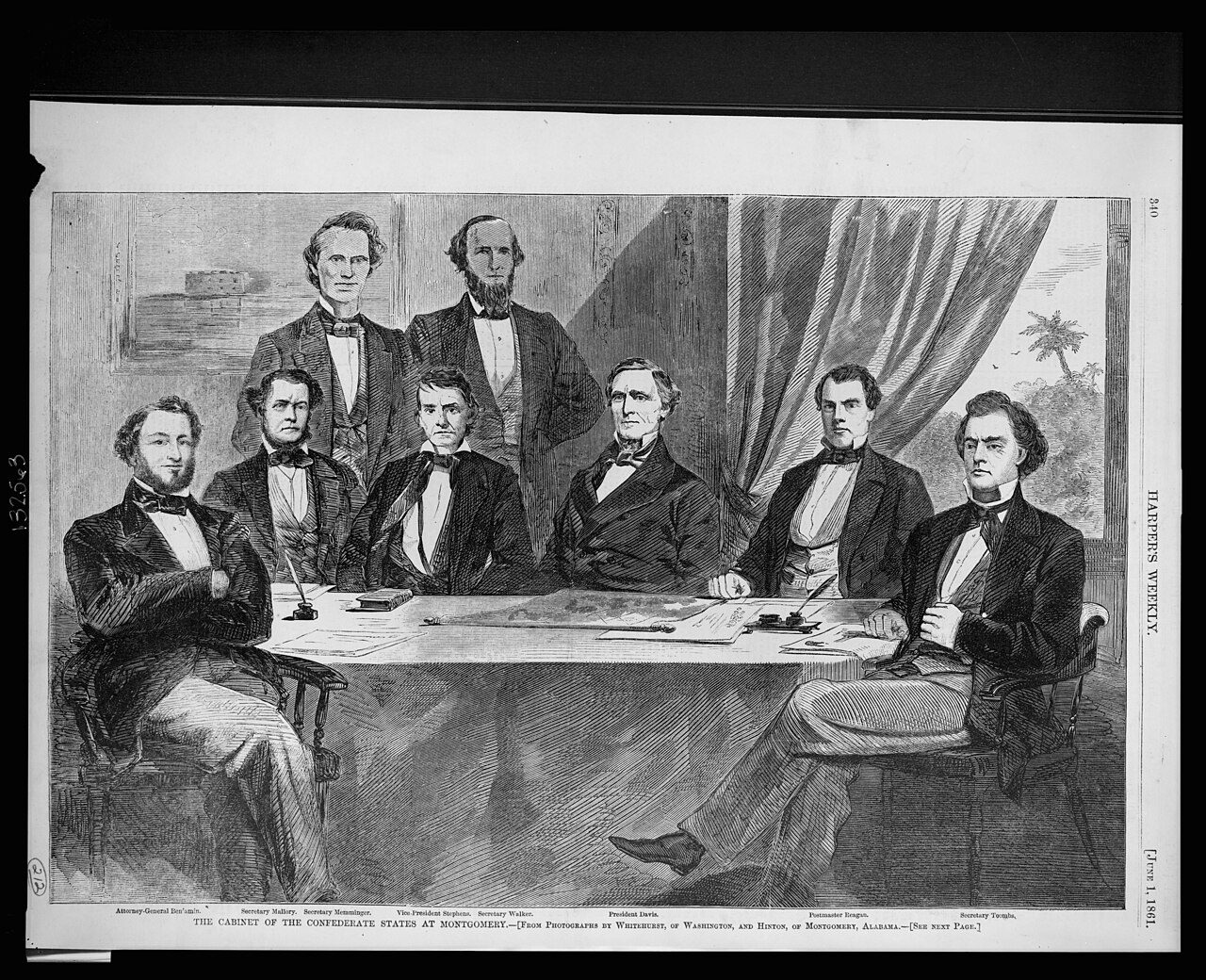
Engraved illustration from Harper's Weekly, 1861, of the Confederate cabinet seated and standing around a long table with papers and inkstands. Seven men in dark suits are shown, with a window and drapery at right.Painting

Primary source

Confederate Cabinet at Montgomery

Harper's Weekly · 1861

Life and Imprisonment of Jefferson Davis with Life of Stonewall JacksonBook

Primary source

Life and Imprisonment of Jefferson Davis with Life of Stonewall Jackson

Addey, Markinfield · 1866

Remarks of Messrs. Clemens, Butler, and Jefferson Davis on the Vermont Resolutions Relating to SlaverySpeech

Primary source

Remarks of Messrs. Clemens, Butler, and Jefferson Davis on the Vermont Resolutions Relating to Slavery

Clemens, Jeremiah · January 10, 1850

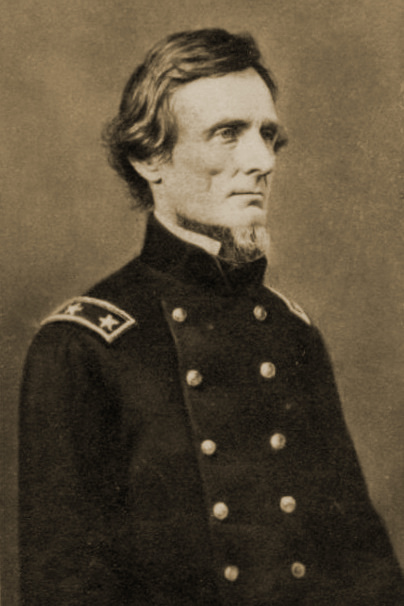
Sepia-toned studio portrait of a man with swept-back hair and a close-cropped chin beard, in a dark double-breasted military-style coat with two rows of buttons and shoulder boards bearing stars, turned in profile to the left.Photograph

Primary source

Jefferson Davis Carte de Visite

Charles D. Fredericks & Co. · c. 1860

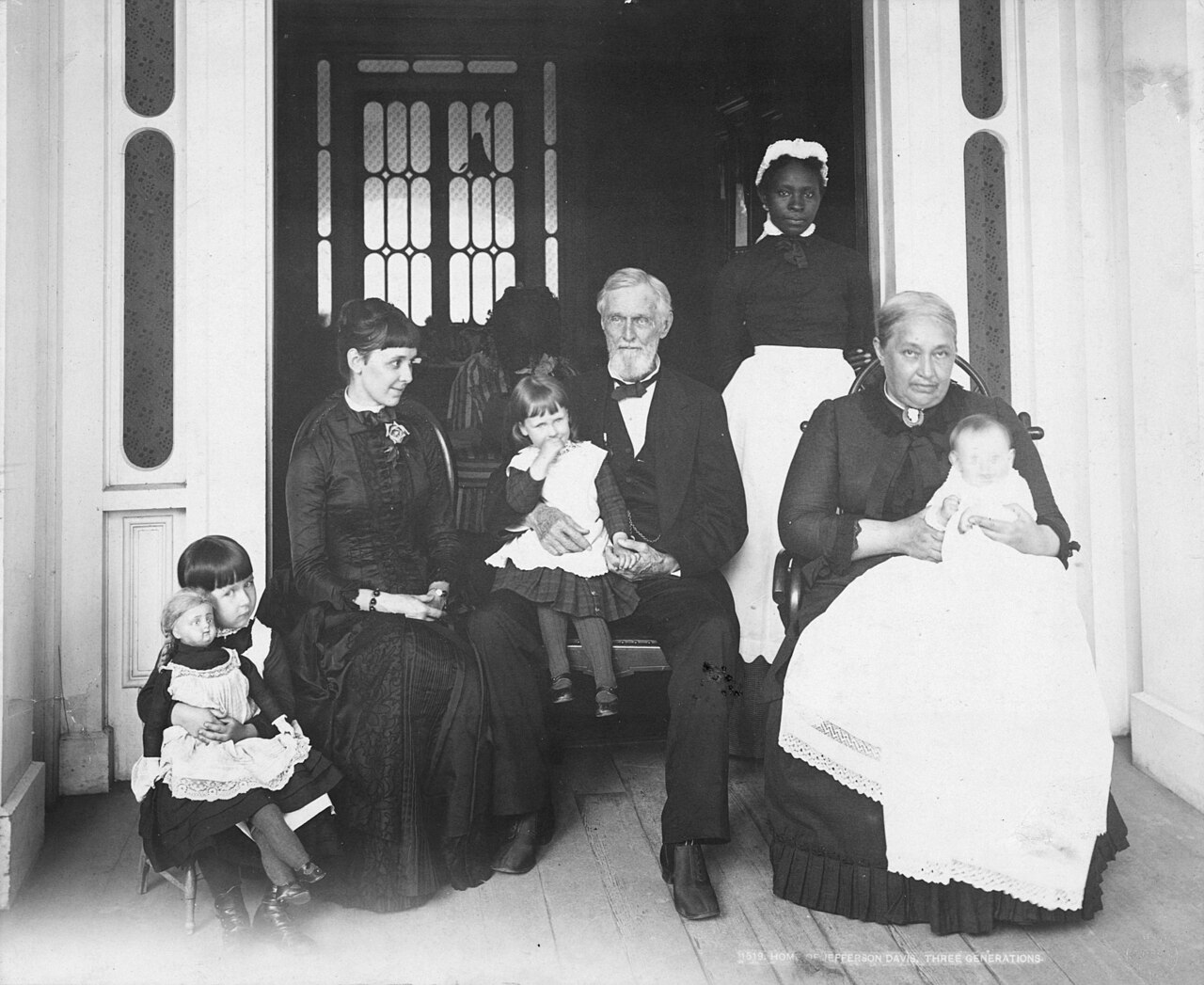
Black-and-white photograph of a multigenerational family seated on a wooden porch at Beauvoir, with a stained-glass door behind them. An older bearded man in a dark suit and bow tie sits center; a woman in dark dress sits at left and another at right holding an infant. Children are seated at left and center, and a Black woman in a white apron and head cap stands behind on the right.Photograph

Primary source

Davis Family at Beauvoir

Edward Livingston Wilson · 1884-1885

Sepia-toned photograph of an elderly man with white hair and a full white beard, wearing a dark suit jacket, dark vest, white shirt, and dark bow tie. He looks off to the side in front of a wooden louvered shutter and window.Photograph

Primary source

Jefferson Davis Photographed by Edward Wilson, c. 1885

Edward Livingston Wilson · c. 1885

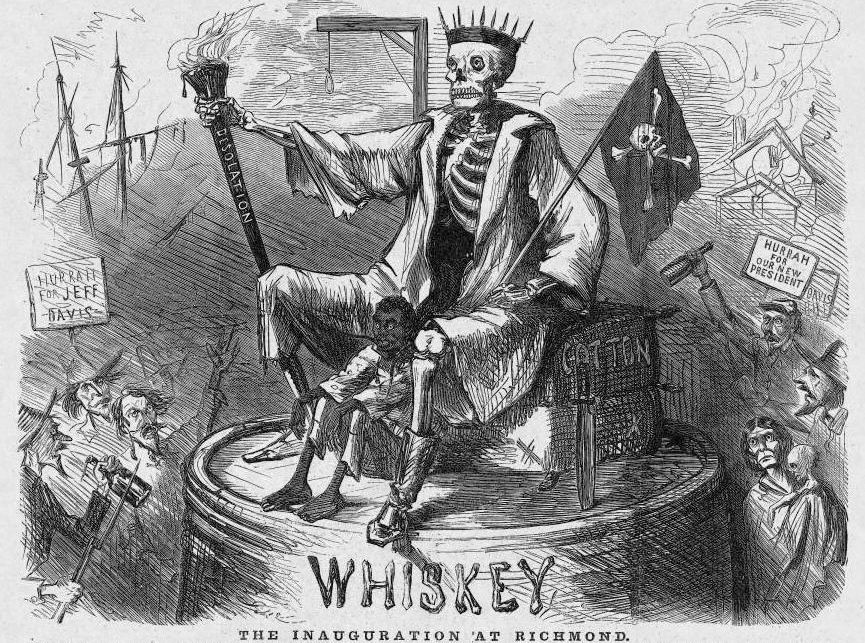
Engraved political cartoon titled 'The Inauguration at Richmond'. A crowned skeleton sits on a barrel labeled WHISKEY, holding a torch labeled DESOLATION and a flag with a skull and crossbones. A small Black figure sits at its feet on a cotton bale. Ships, a gallows, signs reading 'Hurrah for Jeff Davis' and 'Hurrah for our new President', and grimacing faces surround it.Painting

Primary source

The Inauguration at Richmond

Uncredited cartoonist for Harper's Weekly · 8 March 1862

Scanned page 3 of the New York Tribune, 31 August 1859, shown as a dense grid of six narrow newspaper columns of small print, with a Newspapers.com header and a clipped-by credit below the image.Newspaper article

Primary source

A Mississippi View of Politics

Jefferson Davis · 31 August 1859

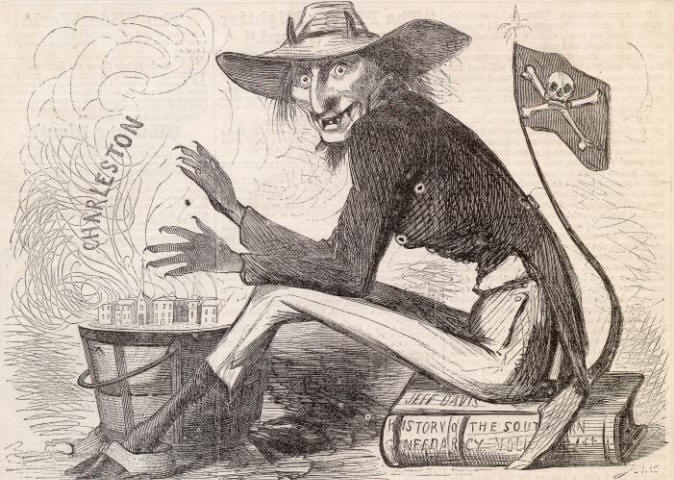
Engraved cartoon from Harper's Weekly, 1862, titled King Jeff the First. A horned, grinning demon in a wide-brimmed hat sits on books labeled History of the Southern Confederacy, warming his hands over the burning city of Charleston. A skull-and-crossbones flag flies from his tail.Painting

Primary source

King Jeff the First

Cartoonist for Harper's Weekly · 4 January 1862

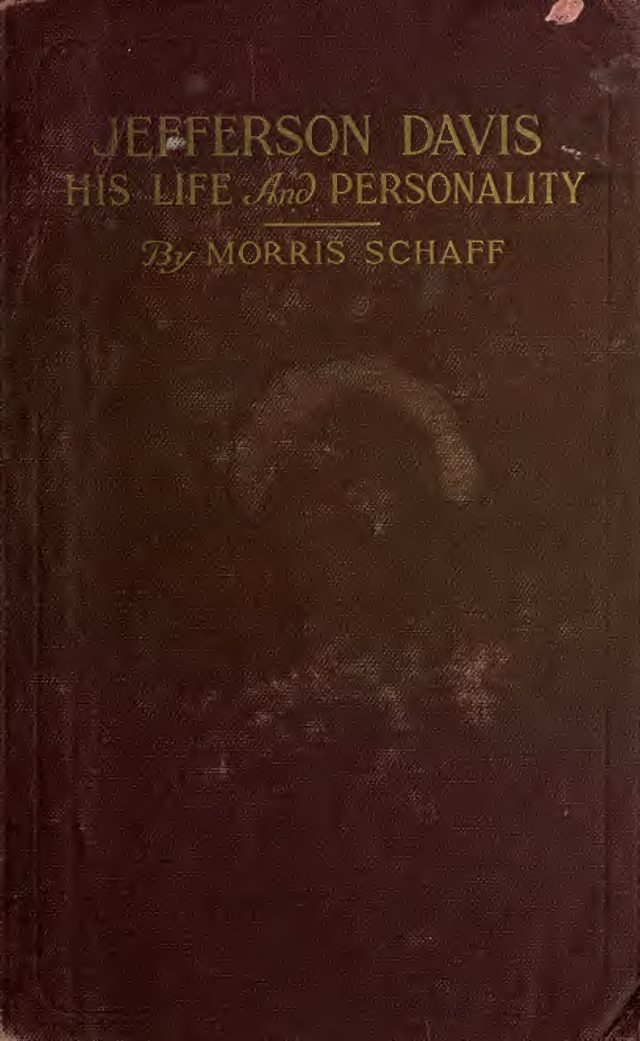
Jefferson Davis, His Life and PersonalityBook

Secondary source

Jefferson Davis, His Life and Personality

Schaff, Morris · 1922

Book

Secondary source

Jefferson Davis

Armistead C. Gordon · 1918

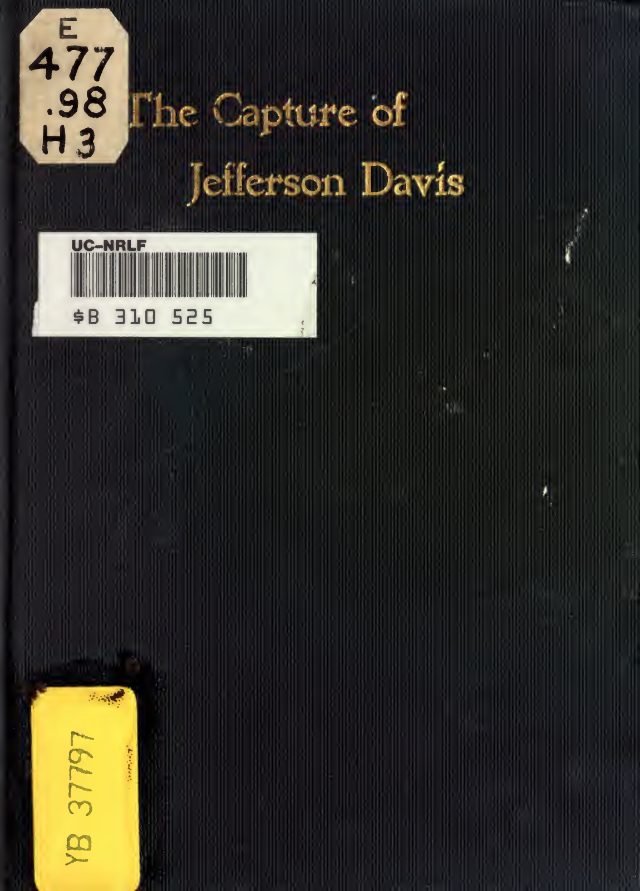
The Capture of Jefferson DavisBook

Secondary source

The Capture of Jefferson Davis

Henry Harnden · 1898

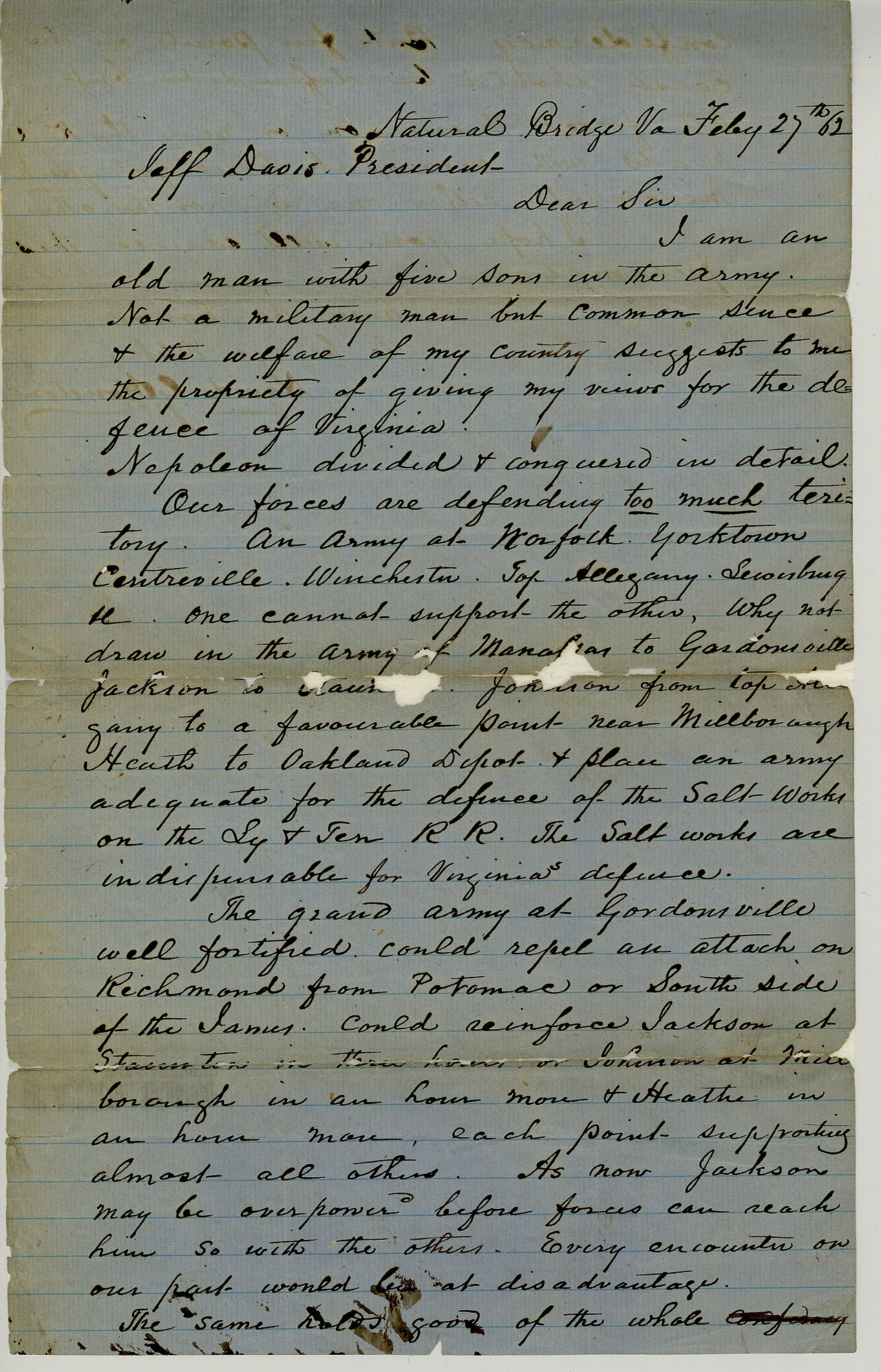
Photograph of page 1 of a handwritten letter in ink on blue-lined paper, dated Natural Bridge, Va., February 27, 1862, addressed to Jeff Davis, President. The writer offers military strategy advice for defending Virginia.Letter

Primary source

Letter from David Houston to President Jefferson Davis

27 February 1862

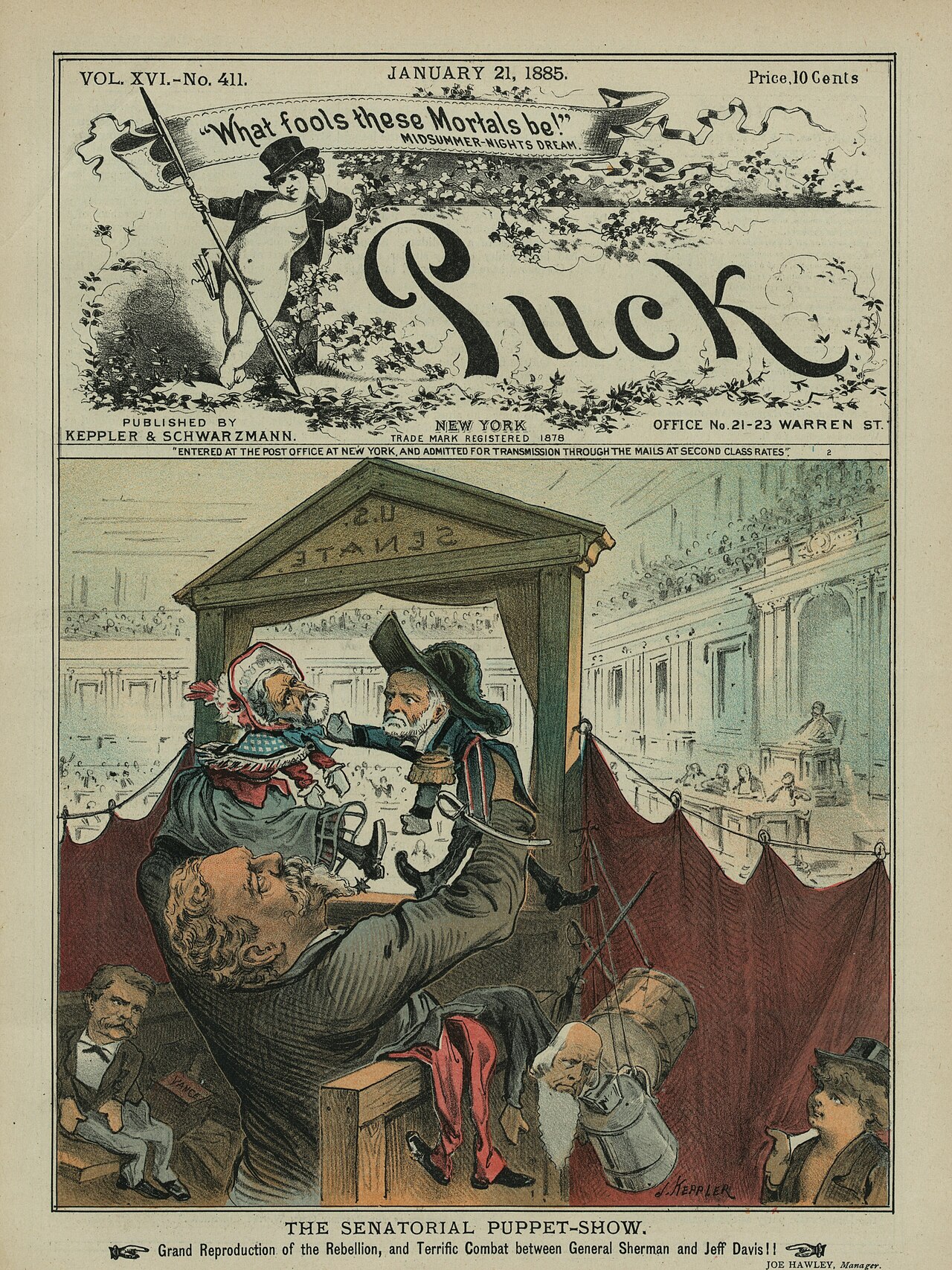
Full cover of the Puck magazine, Vol. XVI No. 411, January 21, 1885, with the masthead and the cartoon 'The Senatorial Puppet-Show'. A giant man holds a puppet theater labeled 'U.S. Senate' where a puppet of a woman-dressed figure confronts a puppet general with a sword. Senate chamber visible behind; a seated man labeled 'Vance' and a child peek at the scene.Painting

Primary source

The Senatorial Puppet-Show

Joseph Keppler · 21 January 1885

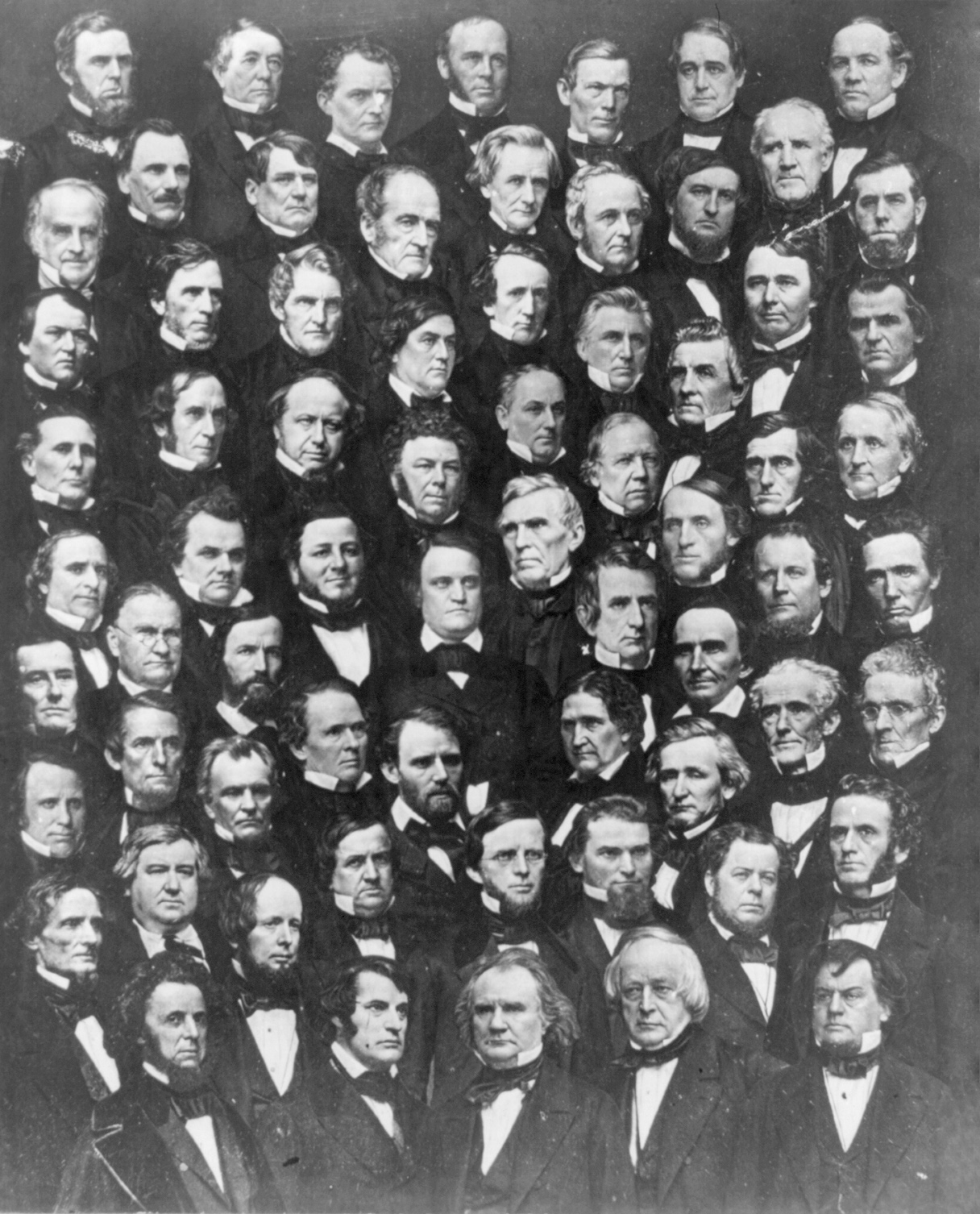
Black-and-white composite photograph of a grid of about 60 middle-aged and older men in dark suits and high collars, packed tightly in rows, with faces looking toward the camera.Photograph

Primary source

Composite Photograph of the 36th United States Senate

Mathew Benjamin Brady · 1859–1861

Letter

Primary source

Letter to J. D. Corse

Jefferson Davis · 11 November 1867

Letter

Primary source

Letter to Varina Howell Davis

Jefferson Davis · 1862

Letter

Primary source

Letter to Pope Pius IX

Jefferson Davis · 23 September 1863

Letter

Primary source

Davis reply to Robert E. Lee

Jefferson Davis · 1876 (date of printing)

Letter

Primary source

Lee's Dispatches: Unpublished Letters to Jefferson Davis, 1862-65

Robert E. Lee · 1862-65, published 1915

Book

Primary source

The Rise and Fall of the Confederate Government, Volume 2 (LibriVox audio)

Jefferson Davis · 1881

Book

Secondary source

The Life of Jefferson Davis

Frank H. Alfriend · 1868

Book

Tertiary source

Davis, Jefferson (The American Cyclopaedia entry)

1879

Book

Tertiary source

Davis, Jefferson (Appletons' Cyclopaedia entry)

1900

Book

Secondary source

Jefferson Davis's Camel Experiment

Walter Lynwood Fleming · 1909

Book

Secondary source

Biographical Sketch of Jefferson Davis, in Messages and Papers of the Confederacy

James D. Richardson · 1906

Book

Secondary source

Documentary History of the Flag and Seal of the Confederate States

Raphael Prosper Thian · 1880

Statement of the Facts Concerning the Imprisonment and Treatment of Jefferson Davis at Fort MonroeDocument

Secondary source

Statement of the Facts Concerning the Imprisonment and Treatment of Jefferson Davis at Fort Monroe

1902

Black-and-white studio portrait of a man with wavy hair, a goatee, and a high white collar with a dark cravat and bow tie, wearing a dark suit jacket. He looks off to the side. Scratches and marks are visible on the photograph.Photograph

Primary source

Jefferson Davis, Brady-Handy photograph collection

Mathew Benjamin Brady · between 1855 and 1865

Black and white photograph of a man with swept-back dark hair, wearing a high white collar, dark bow tie, and dark coat. He gazes off to the side with a serious expression against a dark background.Photograph

Primary source

Jefferson Davis photographed in 1862

1862

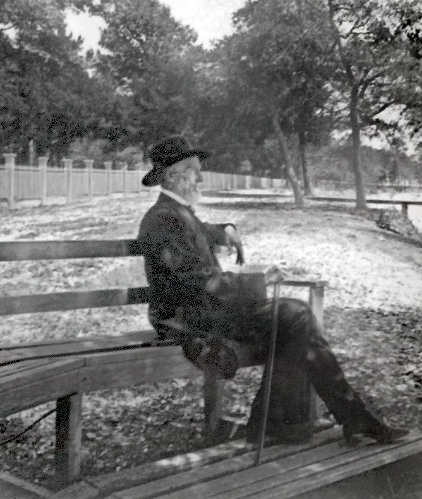
Black-and-white photograph of an elderly bearded man in a dark hat and dark suit seated on a wooden bench, facing right, with a cane resting against his legs. Behind him are trees and a light wooden fence on lawn with fallen leaves.Photograph

Primary source

Jefferson Davis Seated at Beauvoir, Biloxi, c. 1885

Centennial Photographic Co. · 1885

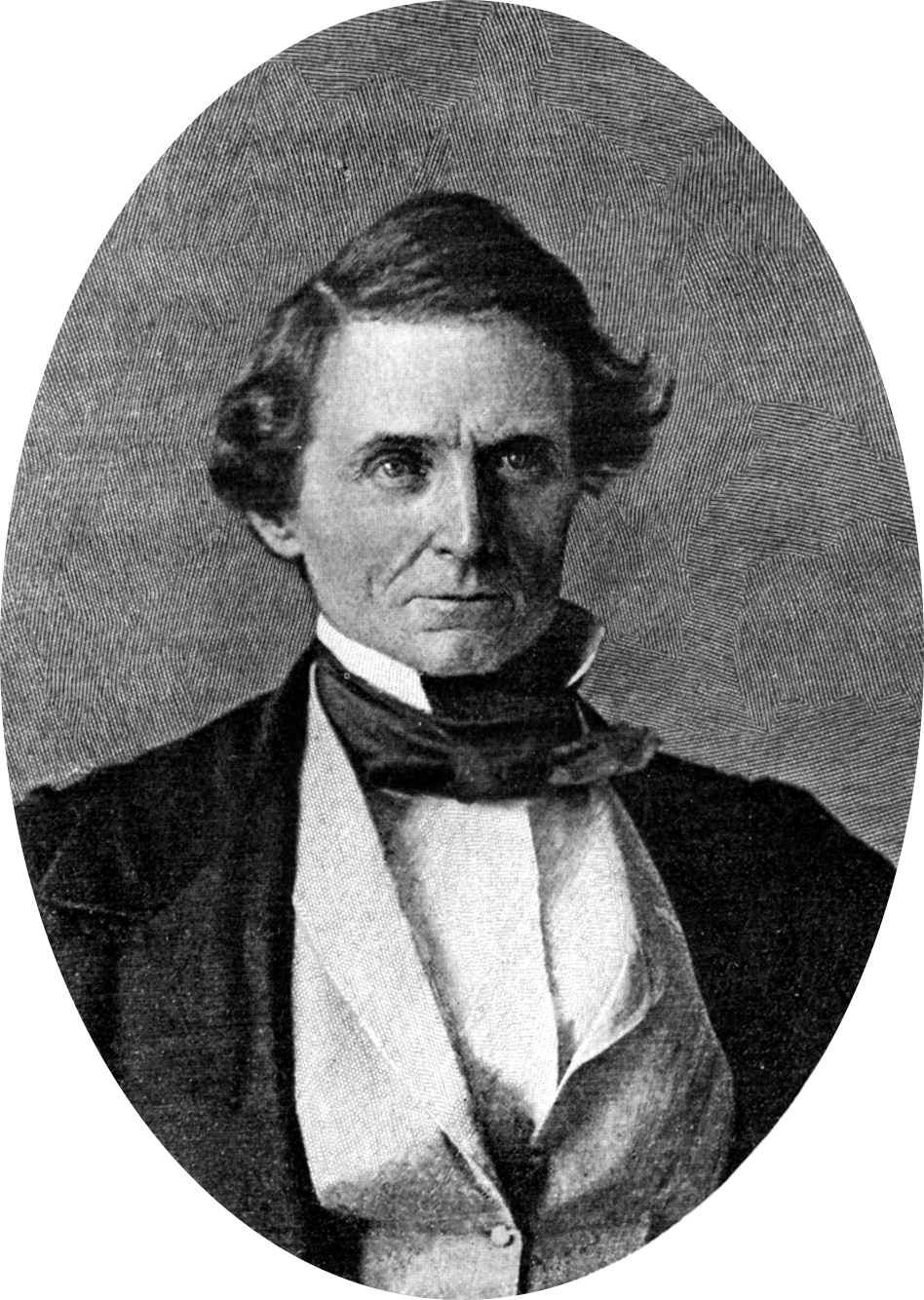
Black and white oval bust portrait of a man with dark wavy hair, a dark high-collared neckcloth, white shirt and light waistcoat, and a dark coat, looking directly at the viewer.Photograph

Primary source

Bust Portrait of Jefferson Davis, 1853

1853; published 1907

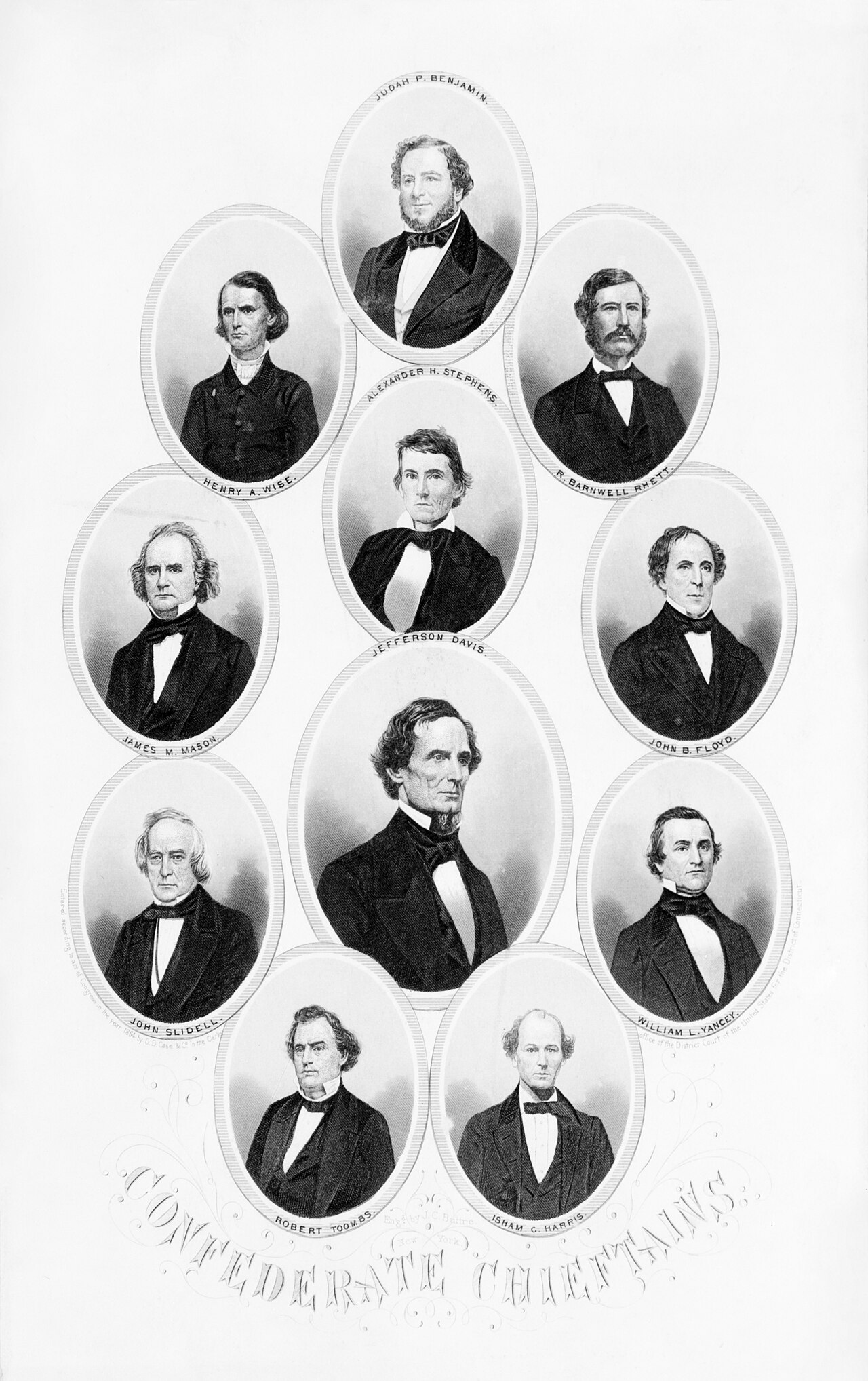
Engraved print titled Confederate Chieftains showing eleven oval head-and-shoulders portraits of men in dark suits, labeled with names including Judah P. Benjamin, Jefferson Davis (center, largest oval), and Robert Toombs, with a decorative script title at the bottom.Artifact

Primary source

Confederate Chieftains

John Chester Buttre · circa 1864

Want the full shelf? Chat with Jefferson Davis in the app and open the Sources panel — every quote links back to the original.

Use Jefferson Davis in class

1 collection

A ready-made collection from the Humy team that features Jefferson Davis. Preview it, then try it free.

Trusted by educators worldwide

Conversations
375,000+
Real exchanges between students and historical figures
Messages exchanged
4,142,000+
Across every figure, classroom and language
Historical figures
100,000+
Each informed by a curated biography and selected sources
Languages supported
50+
From English and Spanish to Arabic and Korean

Paying customers

Used by 98 schools and universities

Partner school logo
Tecnológico de Monterrey logo
Hyper Island logo
Partner school logo
Chambersburg Area School District logo
Broward County Public Schools logo
Nebo School District logo
National Louis University logo
South Florida PBS logo
Punahou School logo
University of Wisconsin–River Falls logo
Partner school logo
Partner school logo
Archbishop Mitty High School logo
Kingsburg High School logo
Norwalk Public Schools logo
Partner school logo
Connections logo
Partner school logo
Moore Public Schools logo
Partner school logo
Partner school logo
Partner school logo
Partner school logo
Robbinsville Public Schools logo
Partner school logo
Partner school logo
Partner school logo
Tecnológico de Monterrey logo
Hyper Island logo
Partner school logo
Chambersburg Area School District logo
Broward County Public Schools logo
Nebo School District logo
National Louis University logo
South Florida PBS logo
Punahou School logo
University of Wisconsin–River Falls logo
Partner school logo
Partner school logo
Archbishop Mitty High School logo
Kingsburg High School logo
Norwalk Public Schools logo
Partner school logo
Connections logo
Partner school logo
Moore Public Schools logo
Partner school logo
Partner school logo
Partner school logo
Partner school logo
Robbinsville Public Schools logo
Partner school logo
Partner school logo

What educators are saying

“We enjoyed the program last year and used it frequently.”
“My students say it’s a welcome change of pace. I’m not a fan of the “sage on the stage” model, so I try to incorporate research-oriented and self-paced activities. With Humy, students have to take charge of their learning. They’ve become more adept at critical thinking, forming better questions, and improving their reading comprehension. The interview feature has been my go-to tool. I create assignments where students must ask historical figures a set number of questions, then summarize the responses to ensure they’re truly absorbing the material. This approach lets them actively explore the past rather than passively consuming information.”
“Humy has helped me bring historical figures, sometimes long past, to life. When my students interact with these figures in real-time, it eliminates some of the perceived “ancient” characteristics of my curriculum. This has shifted my students’ thinking away from viewing history as abstract or irrelevant. Real-time interactions make historical figures relatable, even allowing students to ask off-topic questions that help put historical lives in a more relevant context for 13-year-olds. The feature I use the most is the interview feature. After teaching a topic, most recently Gandhi and Joan of Arc, I have the students ask pointed, focused questions. We practice good conversation techniques beforehand, teaching them to listen (or read) carefully and formulate thoughtful follow-up questions rather than just interrogating. It helps students practice effective conversation skills.”

FAQ

Frequently asked questions

Who is Jefferson Davis?
President of the Confederate States of America during the American Civil War. On Humy.ai you can chat with an AI version of Jefferson Davis that draws on a short biography and 95 historical sources during the conversation — by text or voice, in 42 languages.
Is Jefferson Davis AI free?
Jefferson Davis is part of Humy's full library of more than 100,000 figures, which comes with a paid plan. A free account (no credit card) includes 20 messages a month with the free library's figures, so you can try how the conversations work first.
What sources does the Jefferson Davis AI use?
It draws on a short biography and 95 historical sources (books, photographs and speeches), including “Farewell Address to the U.S. Senate”, “Inaugural Address of Jefferson Davis (Montgomery)” and “The Rise and Fall of the Confederate Government”. Each source has its own page on Humy.ai.
How historically accurate is the AI version of Jefferson Davis?
Each figure uses a short biography and a small set of selected historical sources as context (retrieval-augmented generation), so answers stay closer to known material than the model's general knowledge alone. It isn't a citation-grade research tool — like any LLM, the AI can get details wrong or extrapolate. Treat it as a strong starting point for inquiry and cross-reference important claims.
Can I talk to Jefferson Davis by voice?
Yes. In addition to text chat, you can call Jefferson Davis and hear their voice respond in real time — useful for auditory learners, interview practice and Socratic dialogue.
Is Humy.ai safe and compliant for schools?
Yes. Humy.ai is used by more than 100 schools, universities and organisations. The platform is FERPA- and GDPR-aligned, supports SSO, and offers an IT-approval pack tailored for school procurement teams.

Cross-reference Jefferson Davis

Like any LLM, the AI version of Jefferson Davis can get details wrong. Open one of these sources in a new tab to verify what you’ve read.

Ready when you are

Start chatting with Jefferson Davis now.

20 messages free · No credit card · Available in 50+ languages.