


Primary sourceBook1519
A copy of a Koran in 30 parts, written in Naskh
1519
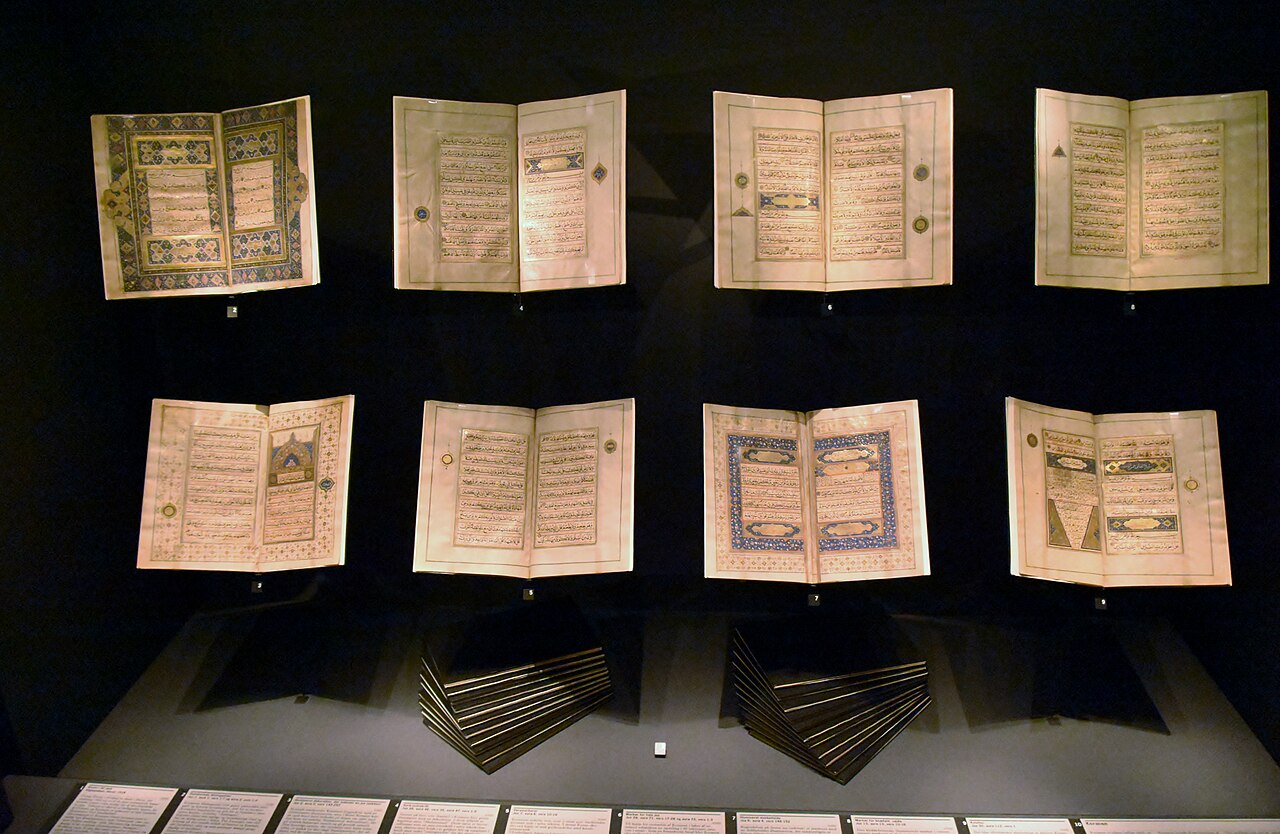
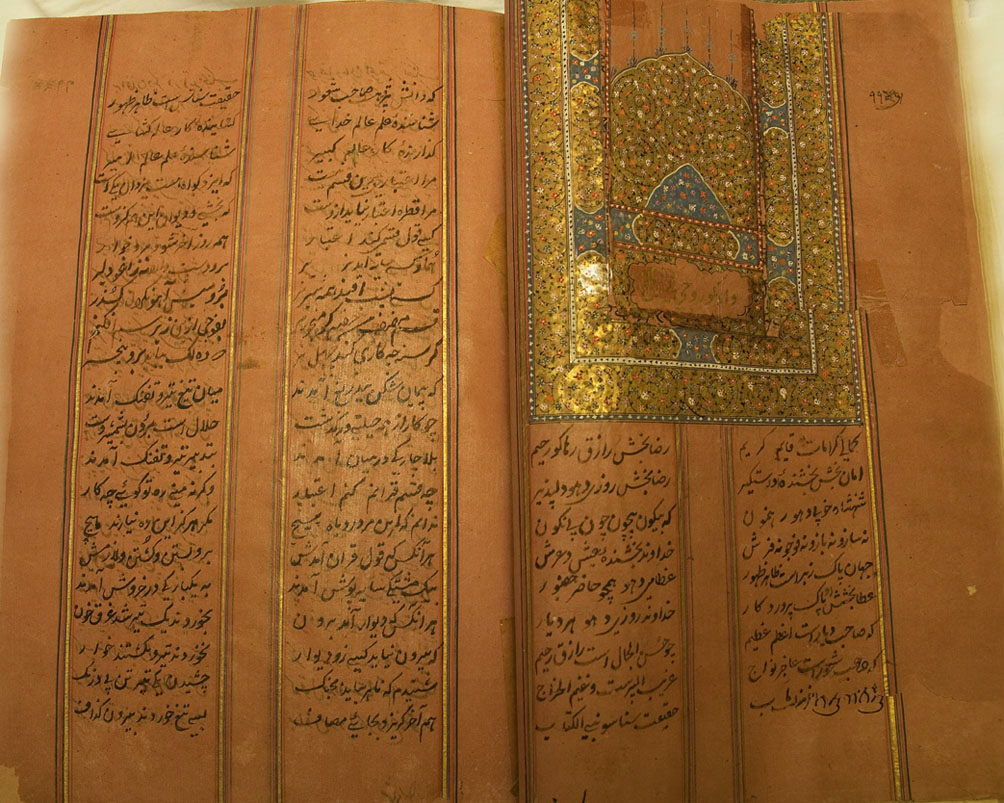
A manuscript copy of the Quran in 30 parts, written in Naskh script in Herat and dated 1519. Its record links it to Aurangzeb's ownership, and it is now held by the David Collection in Copenhagen.
A Quran manuscript recorded as associated with Aurangzeb's ownership, reflecting his personal piety and patronage of Quranic calligraphy.
About this source
What it is
This is a manuscript copy of the Quran written in Naskh script and arranged in 30 parts. The record dates it to 1519 and places it in Herat, in present-day Afghanistan. It is now held by the David Collection in Copenhagen. The text is in Arabic, and some pages have blue, gold and floral decorated borders.
Why it matters
The collection's record links this manuscript to Aurangzeb's ownership. The curator's note describes this as a sign of his personal piety and his patronage of Quranic calligraphy. The manuscript was made well over a century before his reign, so it shows that a later owner valued older works as well as new ones.
Look closer
- What do the borders and script suggest about how the book was valued?
- How do we know Aurangzeb owned this copy, and what evidence would prove it?
- Who copied this manuscript, and why might a later owner have kept it?
This book is part of the curated material that grounds the AI version of Aurangzeb on Humy.ai — when students ask about related events, the AI can quote it and cite it.
More Aurangzeb sources
Meet the AI Aurangzeb →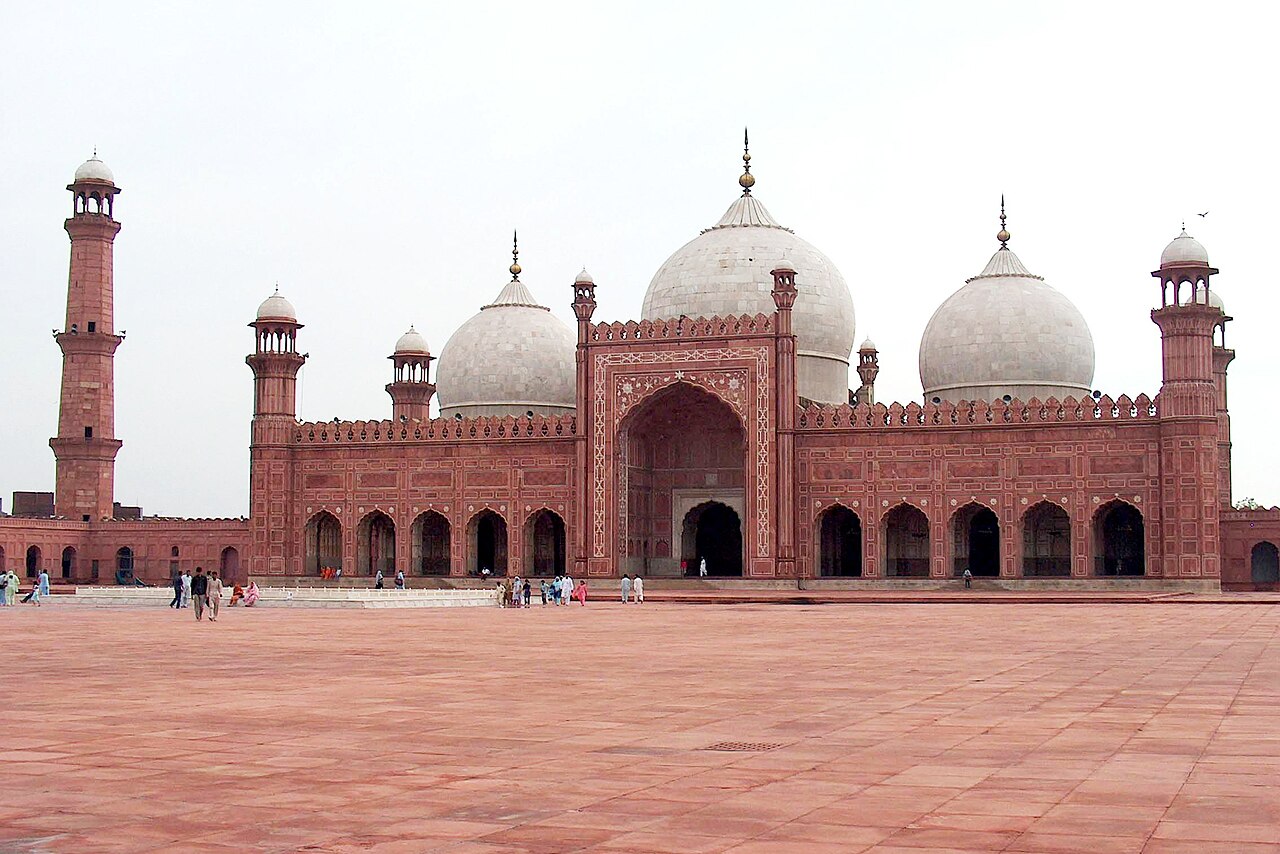 Artifact
Primary source
Badshahi Mosque
1671–1673
 Document
Primary source
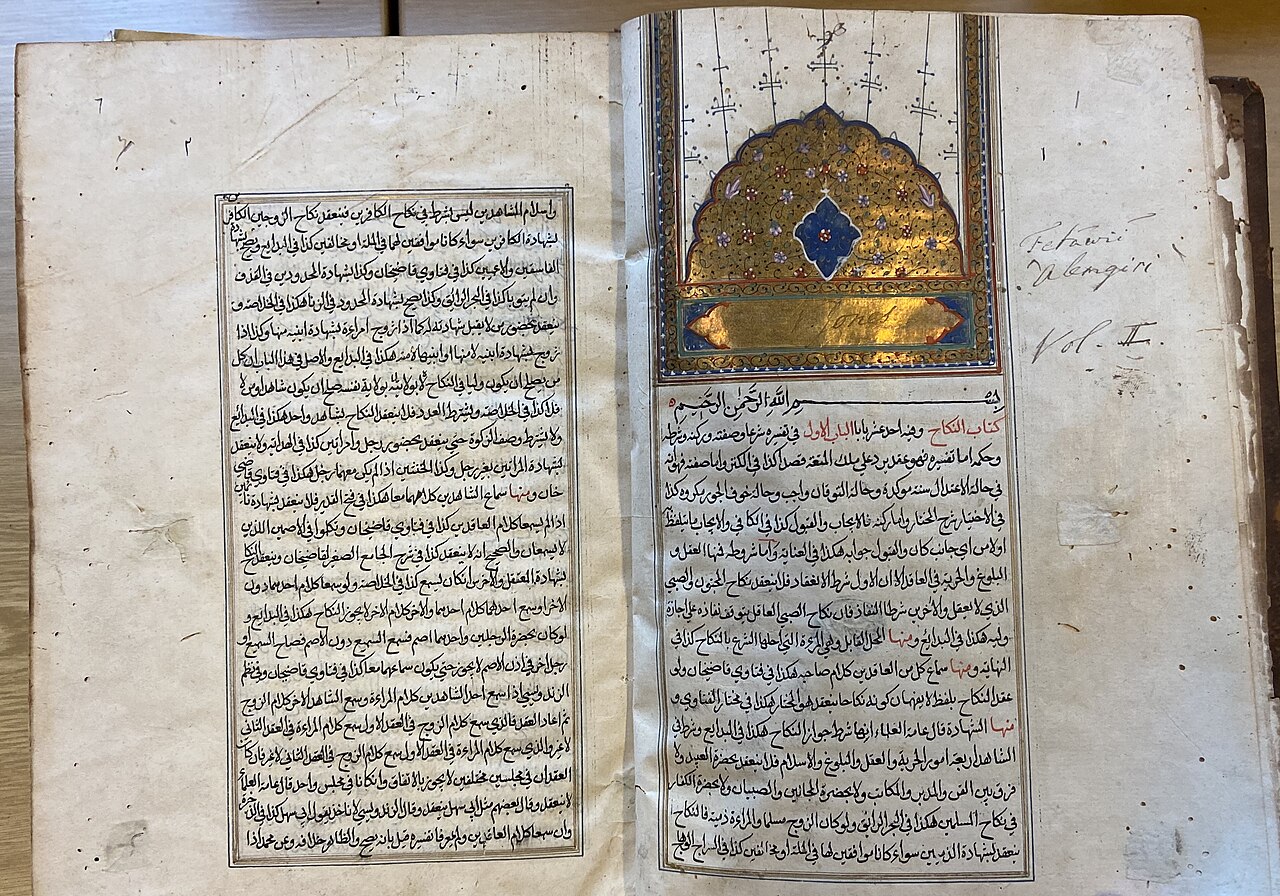
Fatawa-i Alamgiri Manuscript
17th century (this copy later recopied)
 Book
Secondary source
Maasir-i-Alamgiri
Saqi Musta'id Khan · c. 1710 (this copy 1763-1764)
Primary source
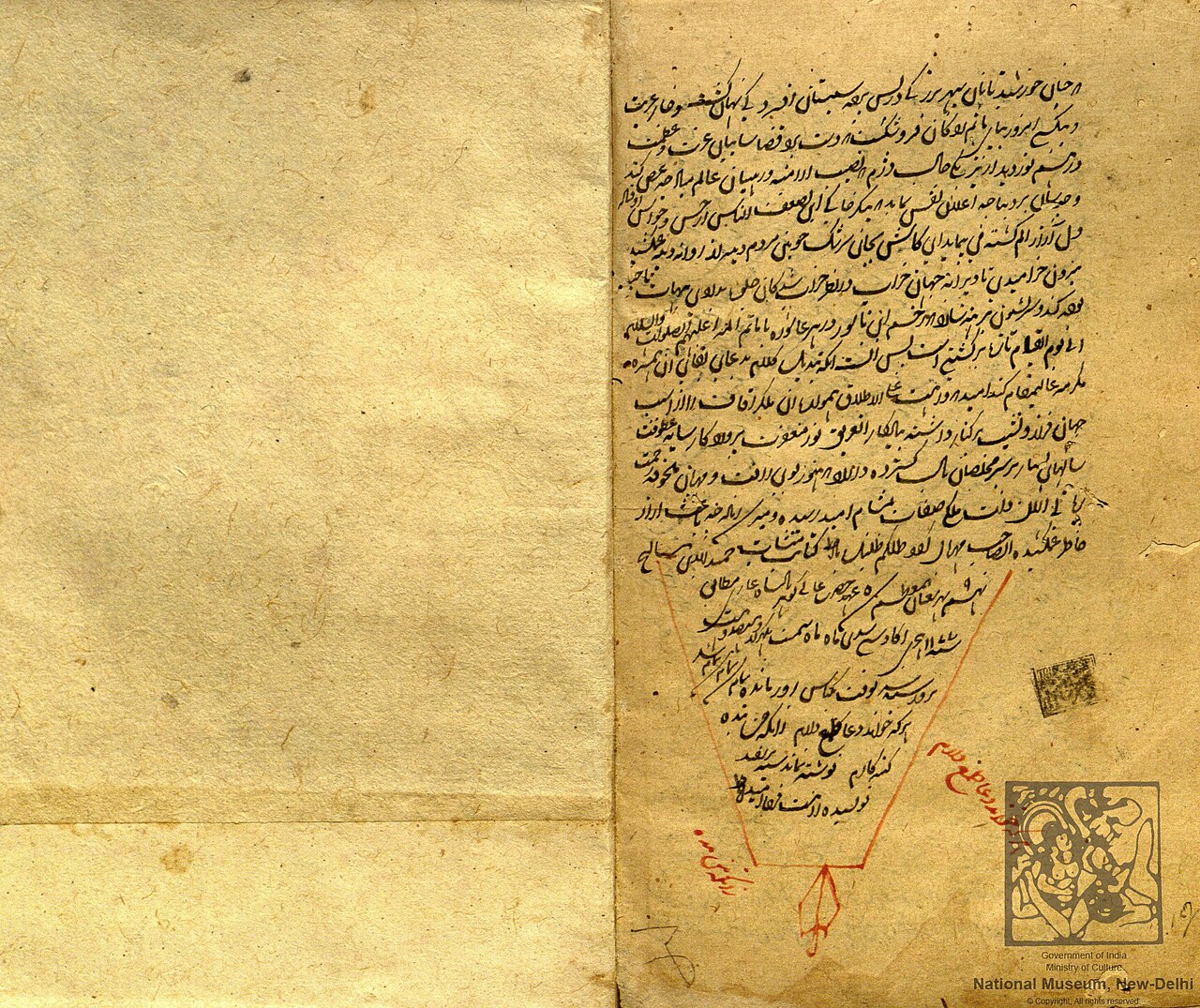
Ruka'at-i-Alamgiri
Aurangzeb · 17th century
 Letter
Primary source
Zafarnamah
Guru Gobind Singh · 1705
Ready when you are
Start chatting with Aurangzeb now.
20 messages free · No credit card · Available in 50+ languages.