


Primary sourceBookc. 450s-440s BCE
Ajax
Sophocles · c. 450s-440s BCE
Probably Sophocles' earliest surviving tragedy, dramatizing the warrior Ajax's rage, madness, and suicide after the Trojan War.
Probably Sophocles' earliest surviving play, showing his early dramatic technique and treatment of heroic pride.
About this source
What it is
Ajax is a tragedy by Sophocles, thought to be the earliest of his seven surviving plays, though he had likely been writing for many years before it was staged. It depicts events after those of the Iliad but before the end of the Trojan War.
Why it matters
The play shows the hero Ajax driven mad by the goddess Athena after losing Achilles' armor to Odysseus, leading him to a shameful slaughter of livestock and, overwhelmed by dishonor, his own suicide onstage. As possibly Sophocles' earliest surviving work, it offers insight into his developing dramatic technique, including his treatment of heroic pride, the gods' justice, and the unusual choice to show a suicide during the play rather than only reporting it.
Look closer
- Why might Sophocles have chosen to show Ajax's suicide on stage instead of just describing it?
- What does the ending's dispute over burying Ajax's body suggest about Greek values around honor and enemies?
- How does the play portray the gods' role in human suffering?
This book is part of the curated material that grounds the AI version of Sophocles on Humy.ai — when students ask about related events, the AI can quote it and cite it.
More Sophocles sources
Meet the AI Sophocles →Primary source
Oedipus Rex
Sophocles · c. 429 BCE
Primary source
Antigone
Sophocles · c. 441 BCE
Primary source
Oedipus at Colonus
Sophocles · written shortly before 406 BCE; first performed 401 BCE
 Book
Secondary source
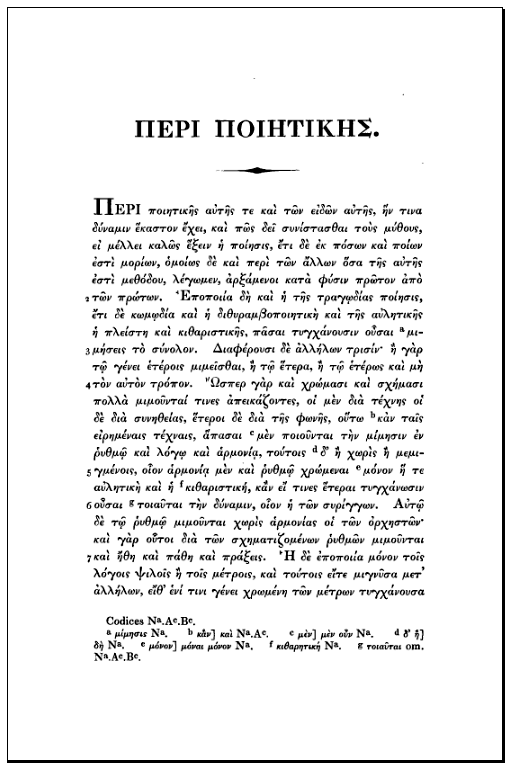
Poetics
Aristotle · c. 335 BCE
 Sculpture
Secondary source
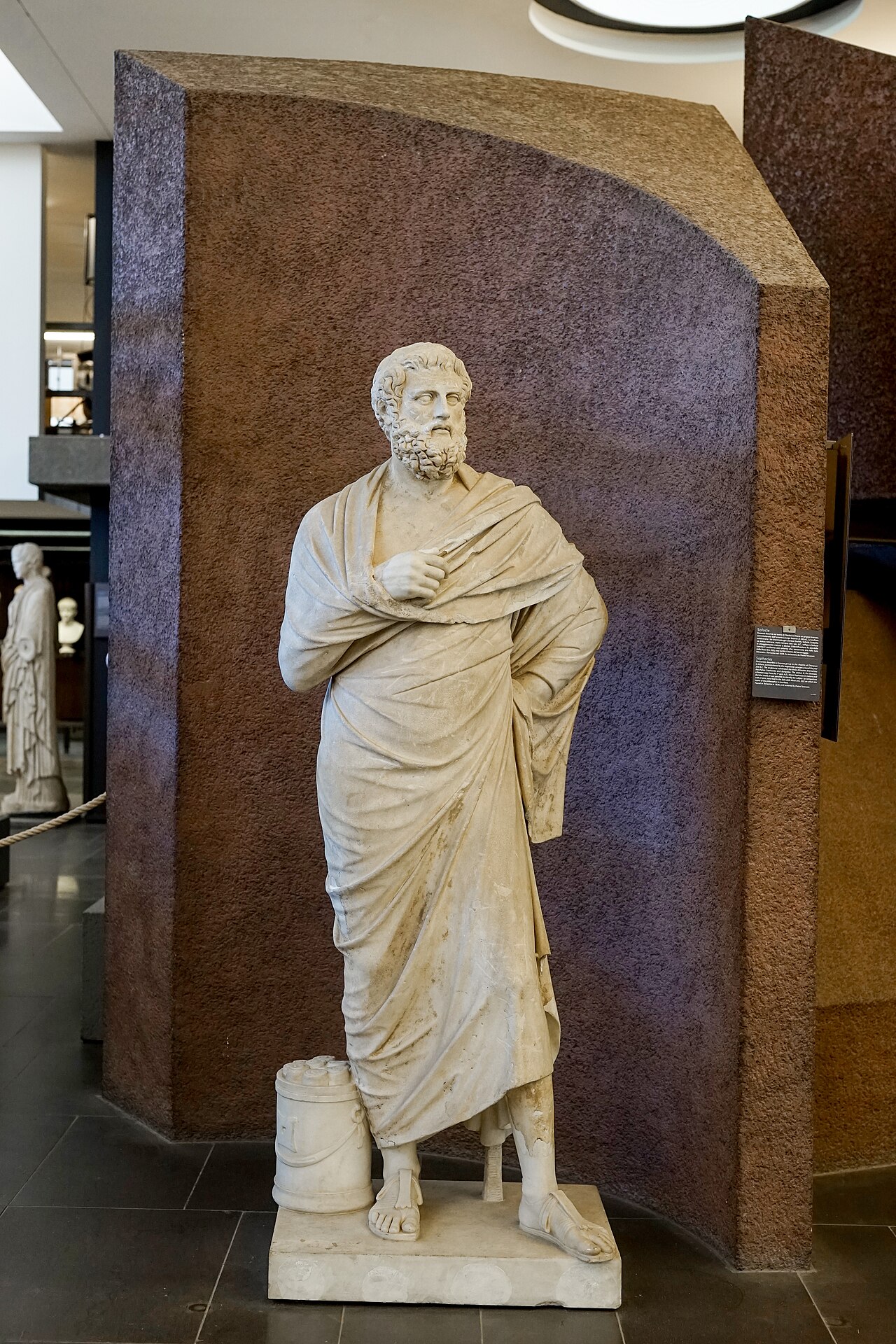
Statue of Sophocles (Lateran type)
Roman copy, 1st century CE, of a Greek original of the 4th century BCE
Ready when you are
Start chatting with Sophocles now.
20 messages free · No credit card · Available in 50+ languages.