


Secondary sourceBook1989 (study); translation completed by 1037
Al-Biruni's Arabic Version of Patanjali's Yogasutra
Shlomo Pines and Tuvia Gelblum · 1989 (study); translation completed by 1037
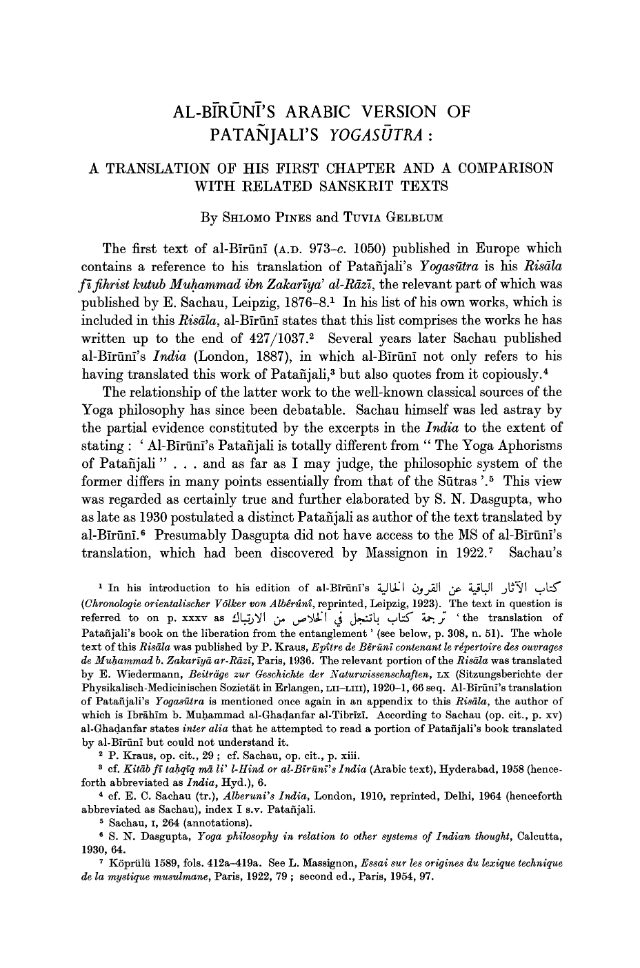
A modern scholarly study examining Al-Biruni's 11th-century Arabic translation of the Indian Yoga Sutras of Patanjali.
This modern study analyzes Al-Biruni's own translation of an Indian philosophical text, showing his scholarly range.
About this source
What it is
This is a scholarly study by Shlomo Pines and Tuvia Gelblum, published in the Bulletin of the School of Oriental and African Studies, examining Al-Biruni's Arabic translation of Patanjali's Yogasutra, a classical Indian text on yoga philosophy. Al-Biruni completed his translation work by around 1037.
Why it matters
Al-Biruni was known for his deep interest in Indian science, religion and philosophy, and his translation of the Yogasutra shows his effort to bring Sanskrit learning into the Arabic-speaking world. This modern study compares his version with the original Sanskrit sources, helping historians understand both Al-Biruni's method as a translator and the Yoga tradition itself.
Look closer
- Why might a scholar from Central Asia want to translate an Indian philosophical text?
- What challenges might arise when translating between very different languages and cultures?
- What does this tell you about the exchange of ideas across the medieval Islamic and Indian worlds?
This book is part of the curated material that grounds the AI version of Al-Biruni on Humy.ai — when students ask about related events, the AI can quote it and cite it.
More Al-Biruni sources
Meet the AI Al-Biruni →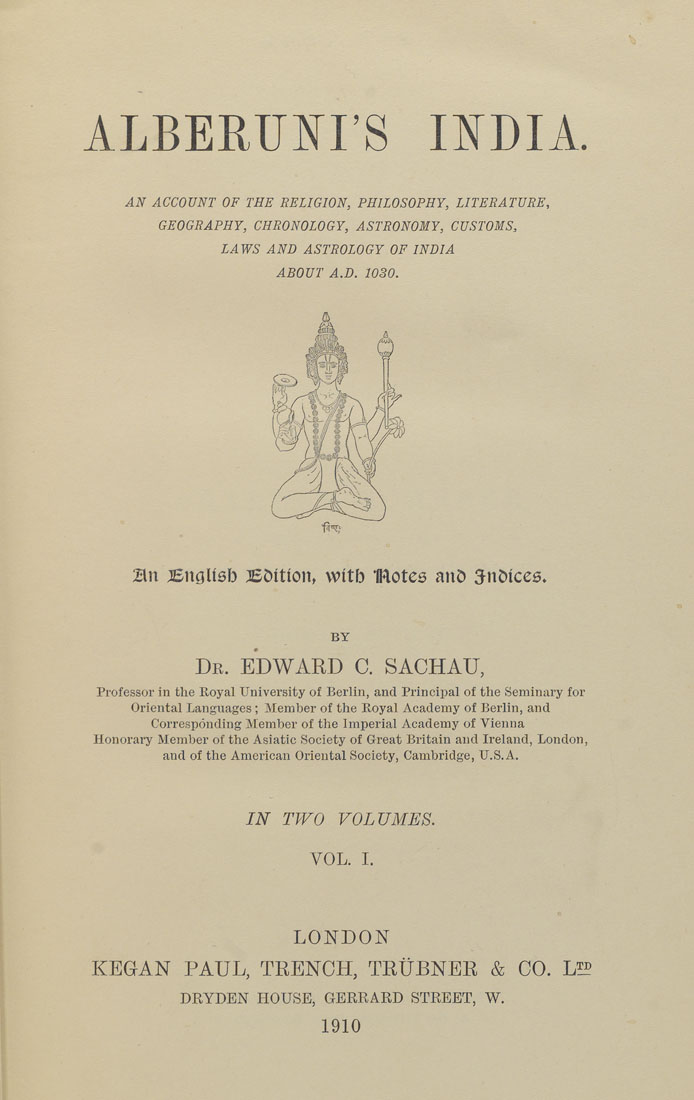 Book
Primary source
Al-Biruni's India
Al-Biruni · c. 1030
 Book
Primary source
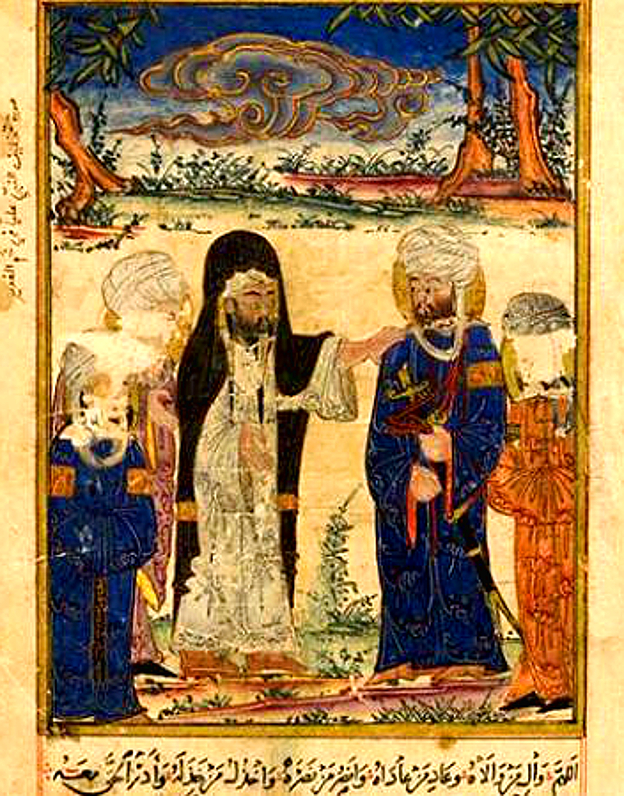
The Remaining Signs of Past Centuries
Al-Biruni · c. 1000, illustrated copy 1307-1308
 Artifact
Primary source
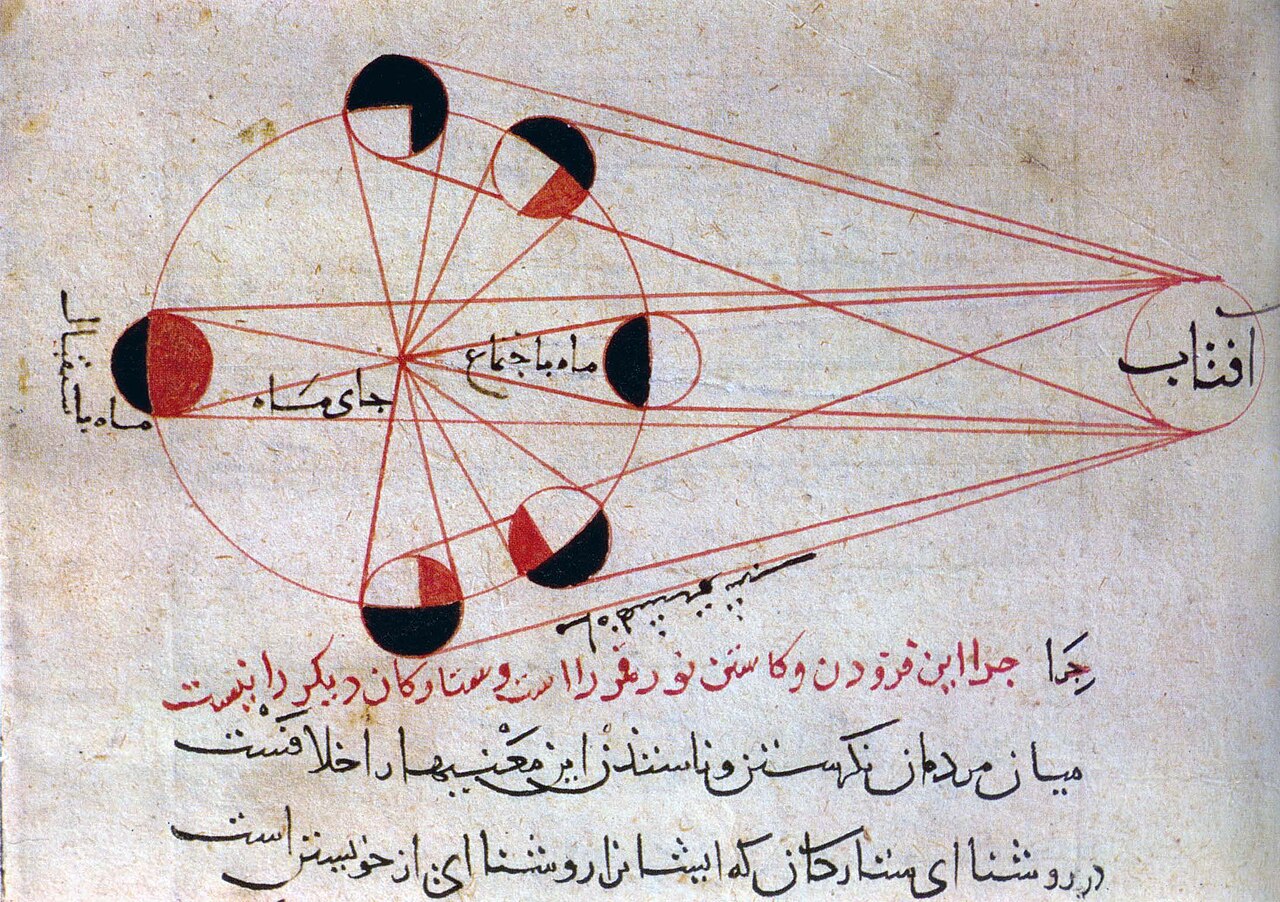
Diagram of the Phases of the Moon
Al-Biruni
 Artifact
Primary source
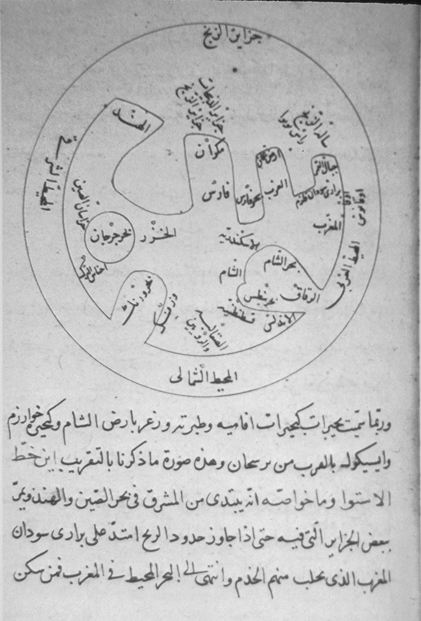
Al-Biruni's World Map of the Distribution of Land and Sea
Al-Biruni · 1029
 Book
Primary source
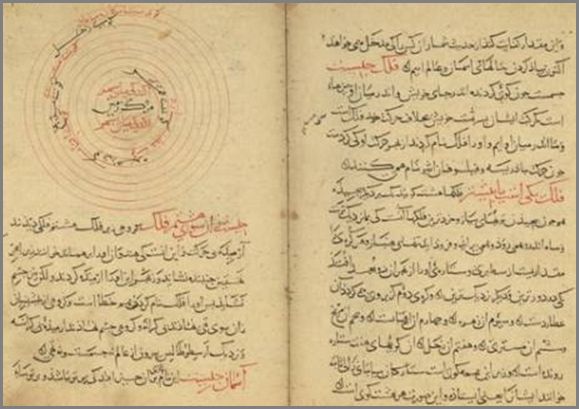
Page from the Oldest Manuscript of the Tafhim
Al-Biruni
Ready when you are
Start chatting with Al-Biruni now.
20 messages free · No credit card · Available in 50+ languages.