


Primary sourceBook10th century
Al-Siyasa (The Political Treatise)
Al-Farabi · 10th century
Farabi's own Arabic treatise on political philosophy, considered a founding text of Islamic political thought.
This is Farabi's own treatise, written in his own words, laying out his political philosophy.
About this source
What it is
This is an Arabic text written by Farabi himself, setting out rules of governance meant to benefit people at every level of society. It survives as a written work and is available in its original Arabic form.
Why it matters
Al-Siyasa is regarded as a founding work of Islamic political thought. In it, Farabi discusses how people relate to each other in rank and society, and how rulers and the ruled should act toward one another. As a primary source written by Farabi, it gives direct access to his own ideas about politics and social order, rather than someone else's description of them.
Look closer
- Why might Farabi have wanted to write rules of governance that applied to many levels of society, not just rulers?
- What does this text suggest about how Farabi saw the structure of society?
- Why do you think later generations still study this text as a founding work of political thought?
This book is part of the curated material that grounds the AI version of Al-Farabi on Humy.ai — when students ask about related events, the AI can quote it and cite it.
More Al-Farabi sources
Meet the AI Al-Farabi →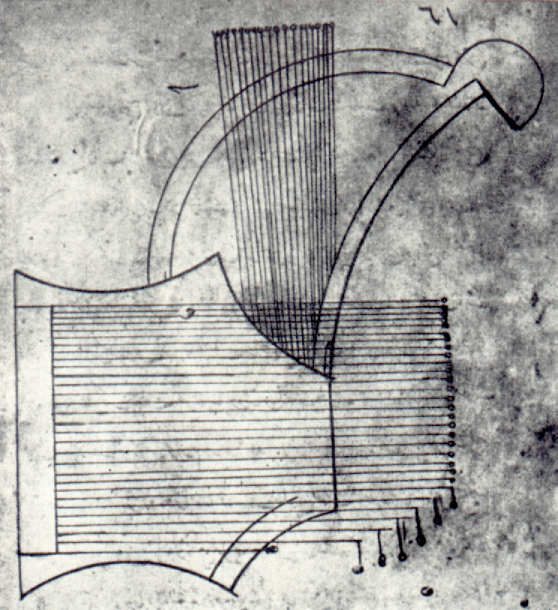 Book
Primary source
Kitab al-Musiqa al-Kabir
Farabi · 10th century
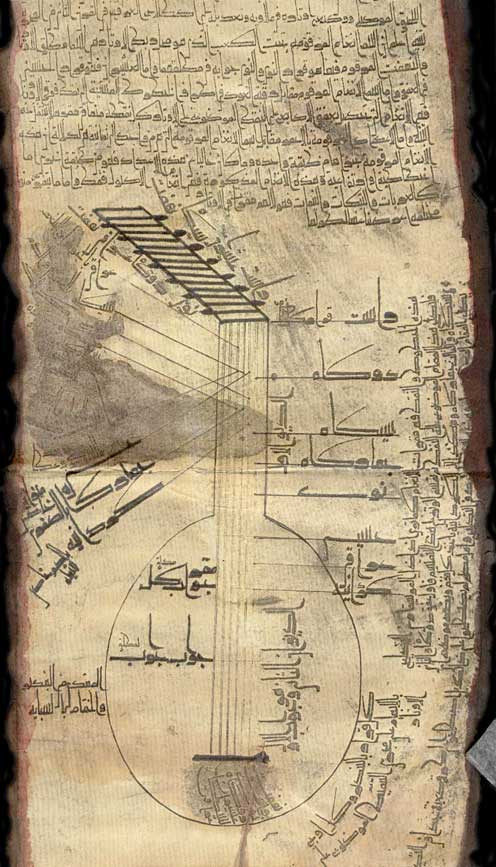 Artifact
Primary source
Lute Diagram with Seven Courses
Farabi · 10th century
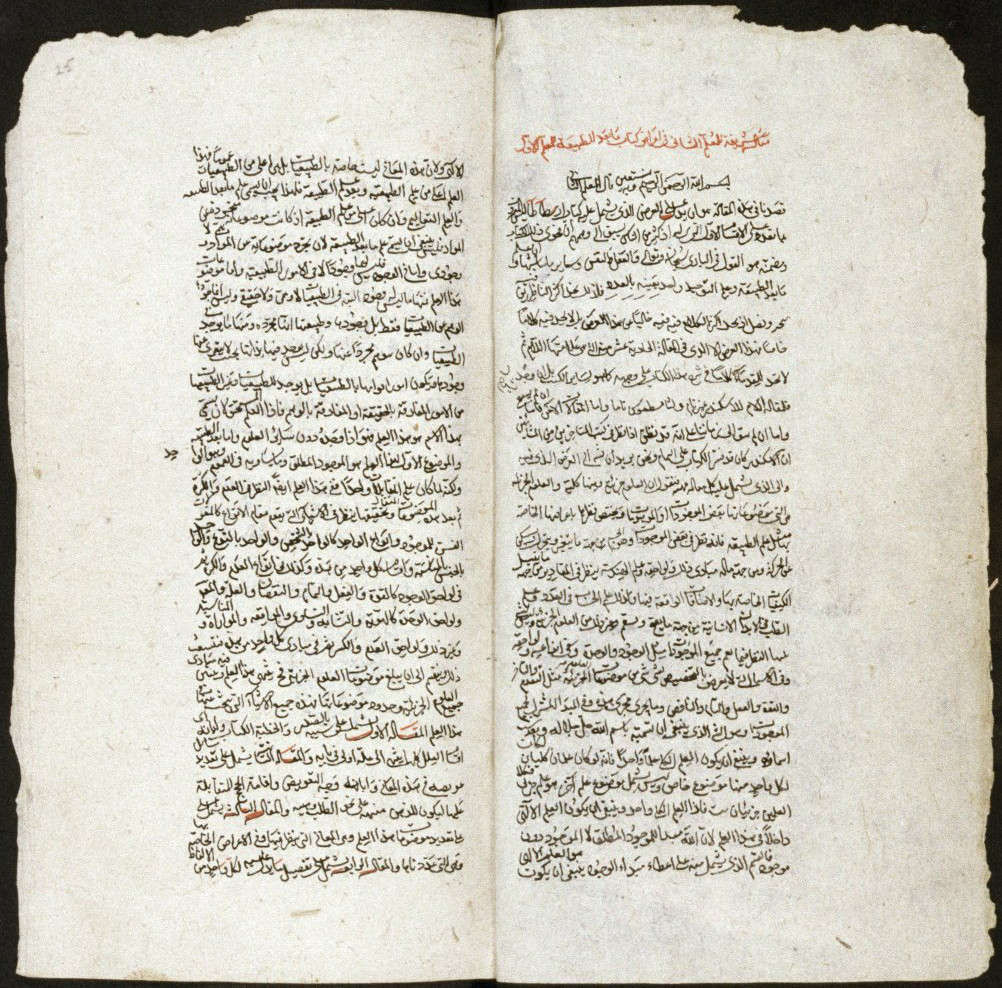 Book
Primary source
On the Scope of Aristotle's Metaphysics
Farabi · 10th century
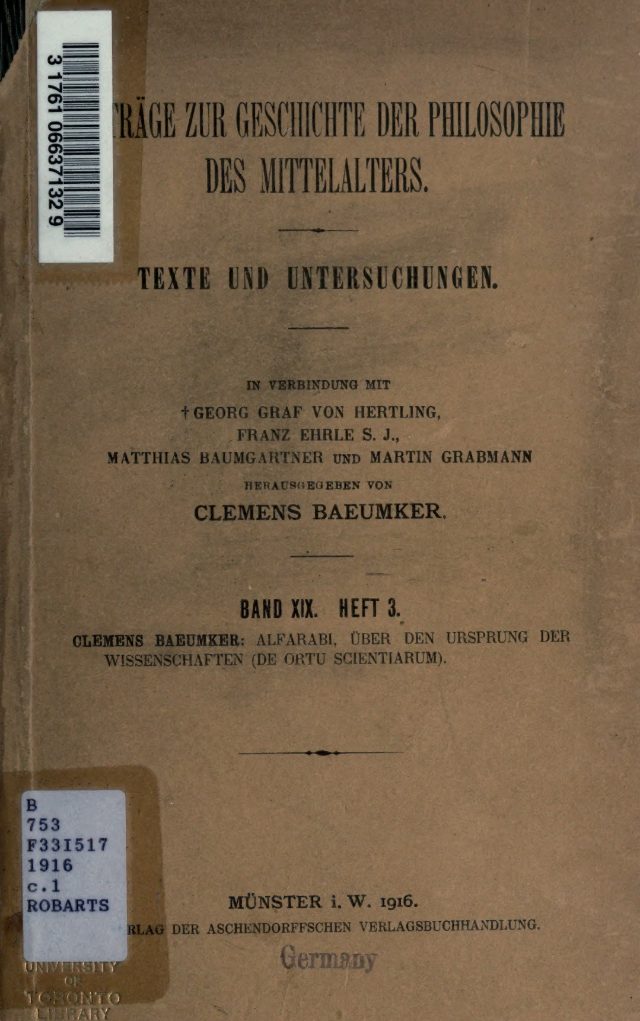 Book
Primary source
Über den Ursprung der Wissenschaften
Farabi · 1916 (edition of the original treatise)
PaintingPrimary source
Drawing of the Shahrud from the Great Book of Music
Farabi · 10th century
Ready when you are
Start chatting with Al-Farabi now.
20 messages free · No credit card · Available in 50+ languages.