


Primary sourceArtifact
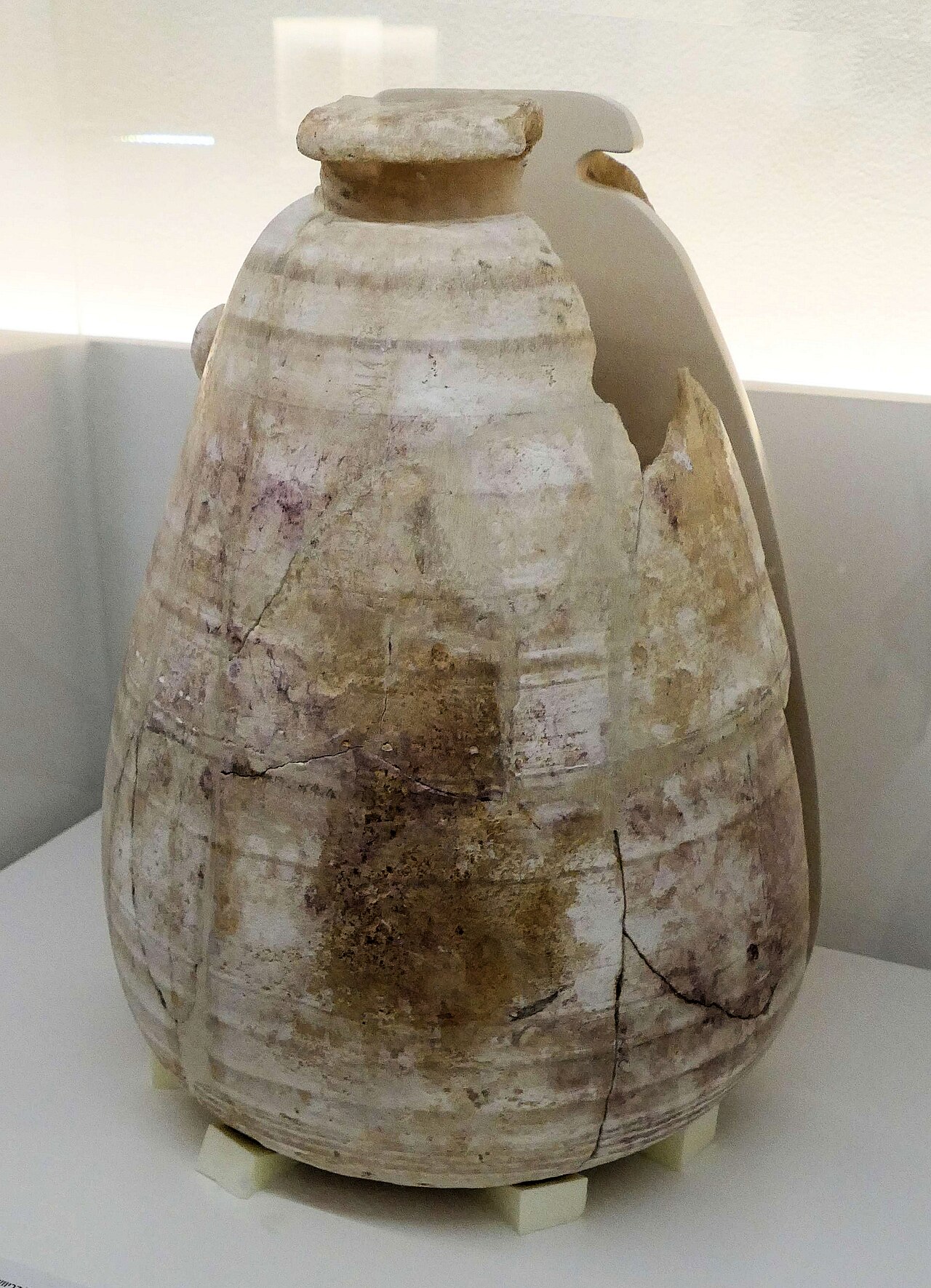
Alabaster Vase of Darius I
An Egyptian alabaster vase inscribed with Darius I's name in hieroglyphs and three cuneiform scripts.
This vase bears the name of Darius I in four scripts, reflecting the multilingual reach of his empire.
About this source
What it is
This is an alabaster vase made of Egyptian alabaster, inscribed with the name of Darius I in Egyptian hieroglyphs and in three different cuneiform scripts. It is held in the Bible Lands Museum Jerusalem (object BLMJ 1979).
Why it matters
Although small, this vessel captures the multilingual and multicultural nature of the Achaemenid Empire under Darius I. By naming the king in four different writing systems, it reflects how his rule stretched across many peoples and languages, from Egypt to Mesopotamia and Persia.
Look closer
- Why might a royal object be inscribed in four languages instead of just one?
- What does the material and craftsmanship of the vase suggest about its purpose or owner?
- What can't a small inscribed object tell us about the daily lives of people in Darius's empire?
This artifact is part of the curated material that grounds the AI version of Darius the Great on Humy.ai — when students ask about related events, the AI can quote it and cite it.
More Darius the Great sources
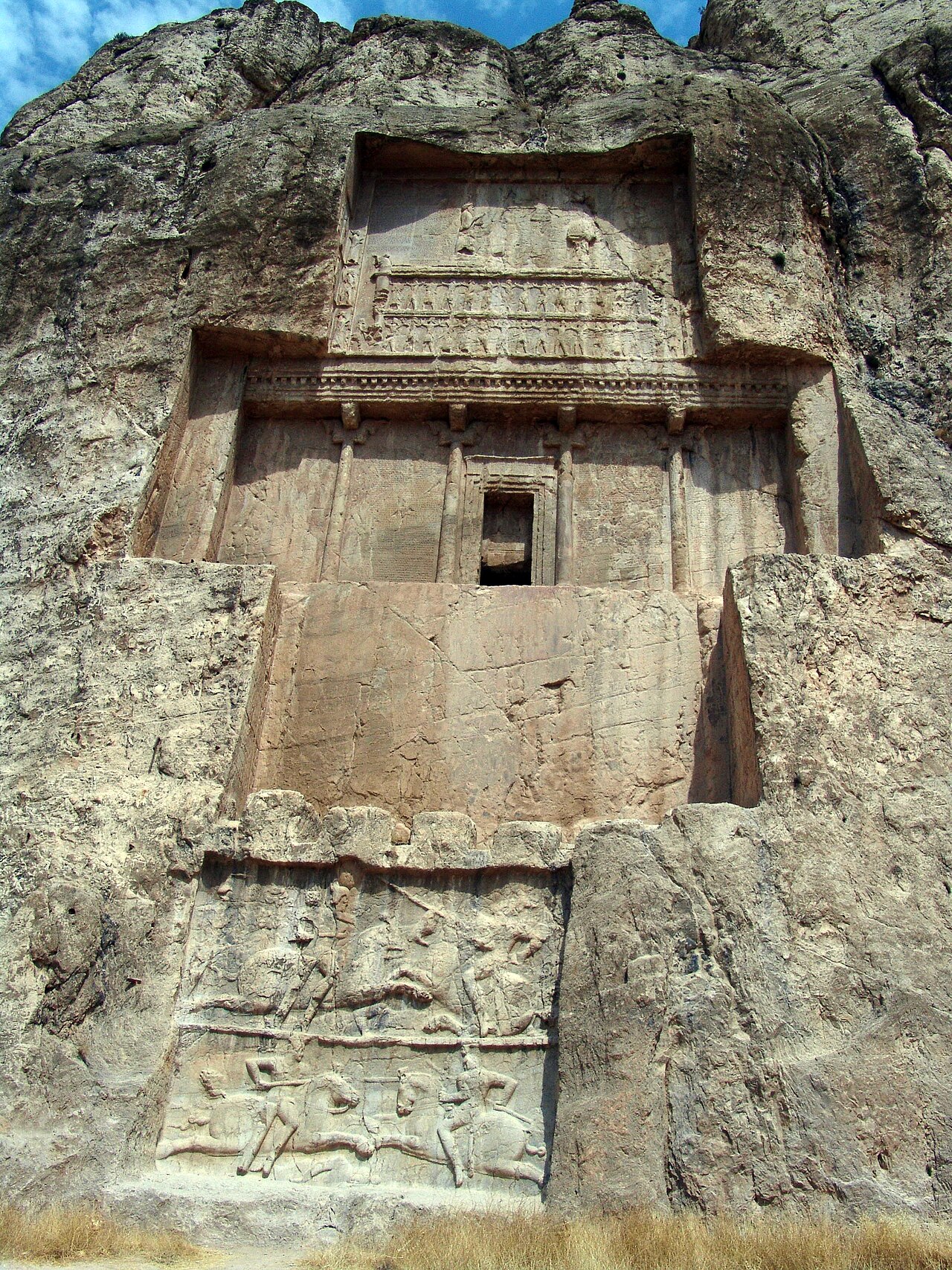
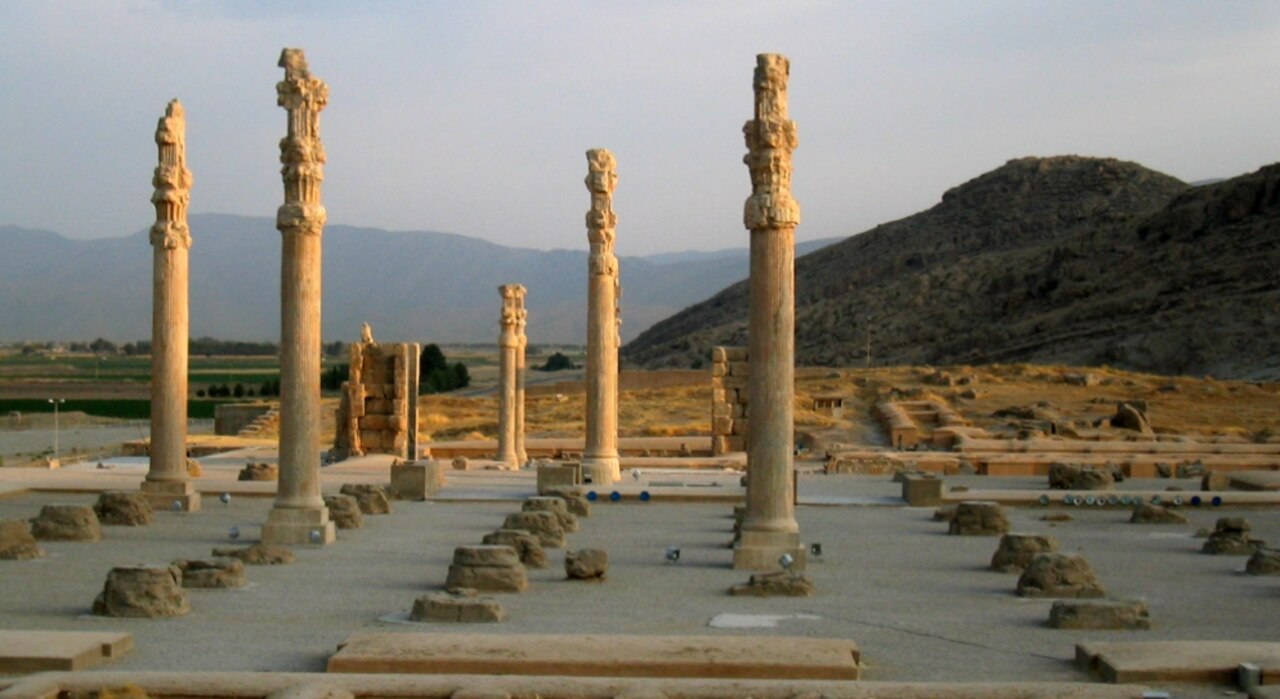
Meet the AI Darius the Great →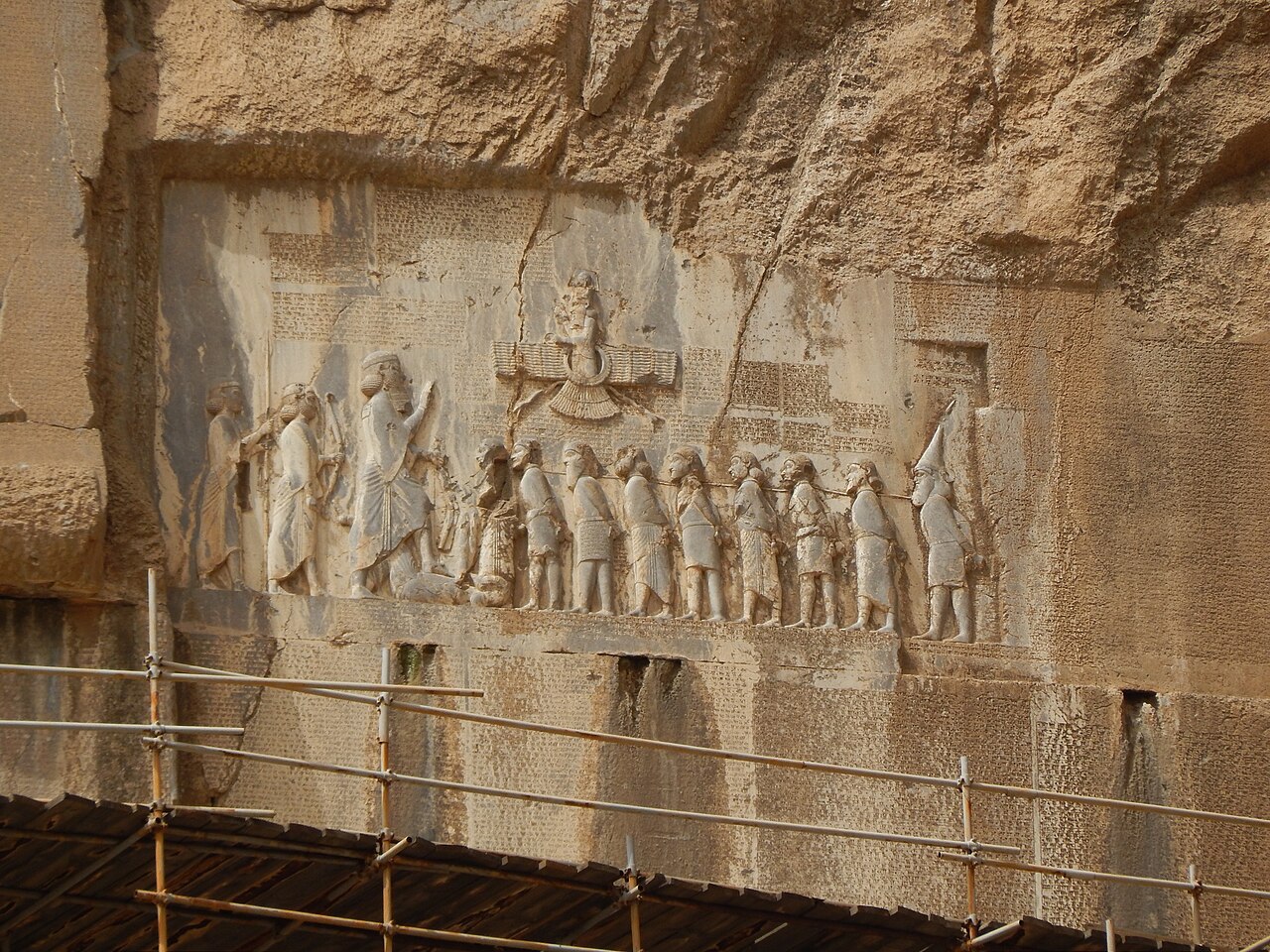

Ready when you are
Start chatting with Darius the Great now.
20 messages free · No credit card · Available in 50+ languages.