


Tertiary sourceBook1881
Alamgir I entry, Oriental Biographical Dictionary (1881)
Thomas William Beale · 1881
An 1881 biographical dictionary entry on the emperor Alamgir I, also called Aurangzeb, covering his accession and his treatment of his brothers and father.
This dictionary entry summarizes Aurangzeb's rise to the throne and his conflicts with his family, written more than two centuries after his reign.
About this source
What it is
This is an entry on Alamgir I in The Oriental Biographical Dictionary by Thomas William Beale, published in Calcutta in 1881. Alamgir was the title Aurangzeb took on his accession. The entry describes how he seized Agra and made his father prisoner in 1658, was proclaimed emperor in Delhi, and later put his brother Murad Bakhsh and his eldest brother Dara Shikoh to death. It also says he was a strict Sunni who tried to force Hindus to adopt that faith.
Why it matters
Beale's dictionary was written for readers in British India and compiled long after the events. The entry shows how nineteenth-century writers understood the succession struggle and Aurangzeb's religious policy. It presents these matters from a later outside view, so it helps students see how historical reputations were built over time.
Look closer
- Which events does the entry describe as turning points, and how does it explain Aurangzeb's actions?
- Why might a dictionary compiled in 1881 describe Aurangzeb's religious policy the way it does?
- What would a letter or firman from Aurangzeb's own time show that this entry leaves out?
This book is part of the curated material that grounds the AI version of Aurangzeb on Humy.ai — when students ask about related events, the AI can quote it and cite it.
More Aurangzeb sources
Meet the AI Aurangzeb →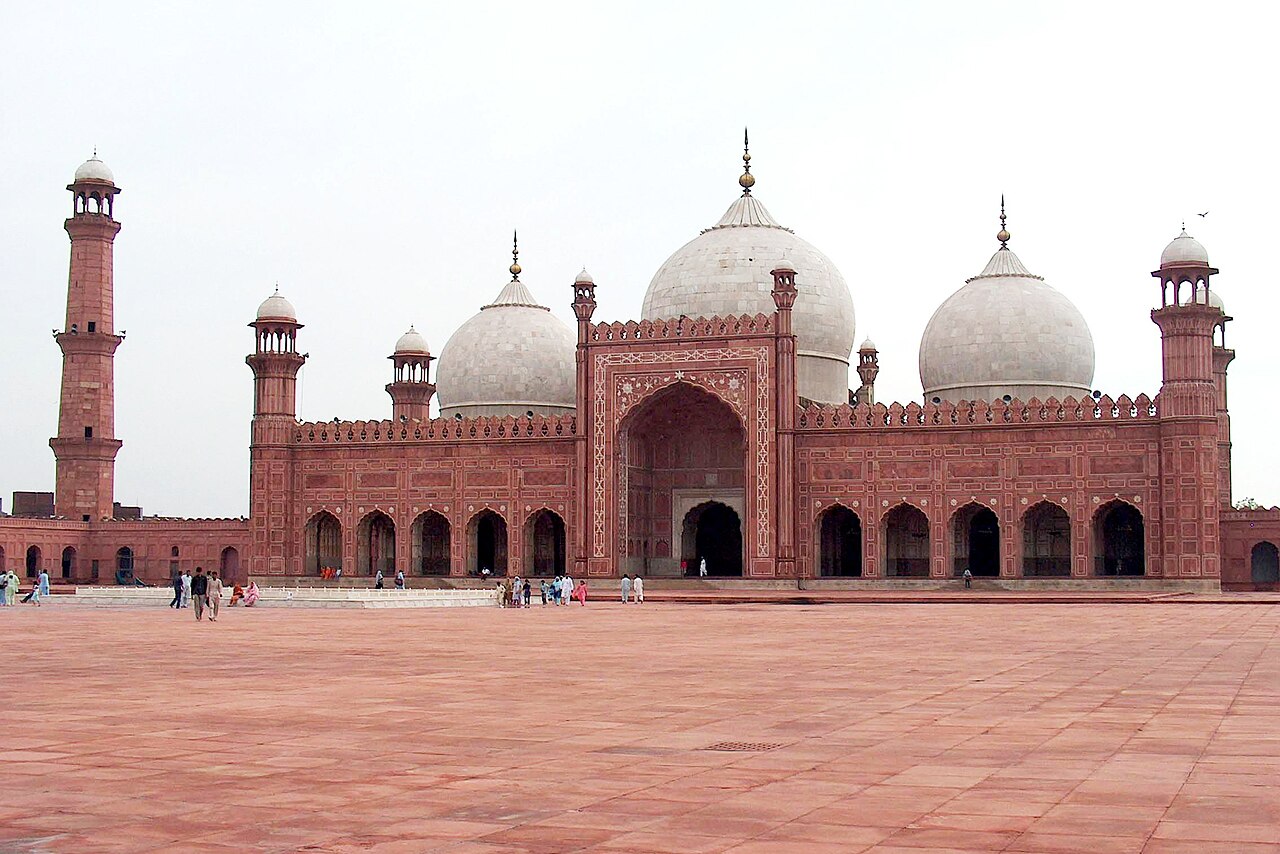 Artifact
Primary source
Badshahi Mosque
1671–1673
 Document
Primary source
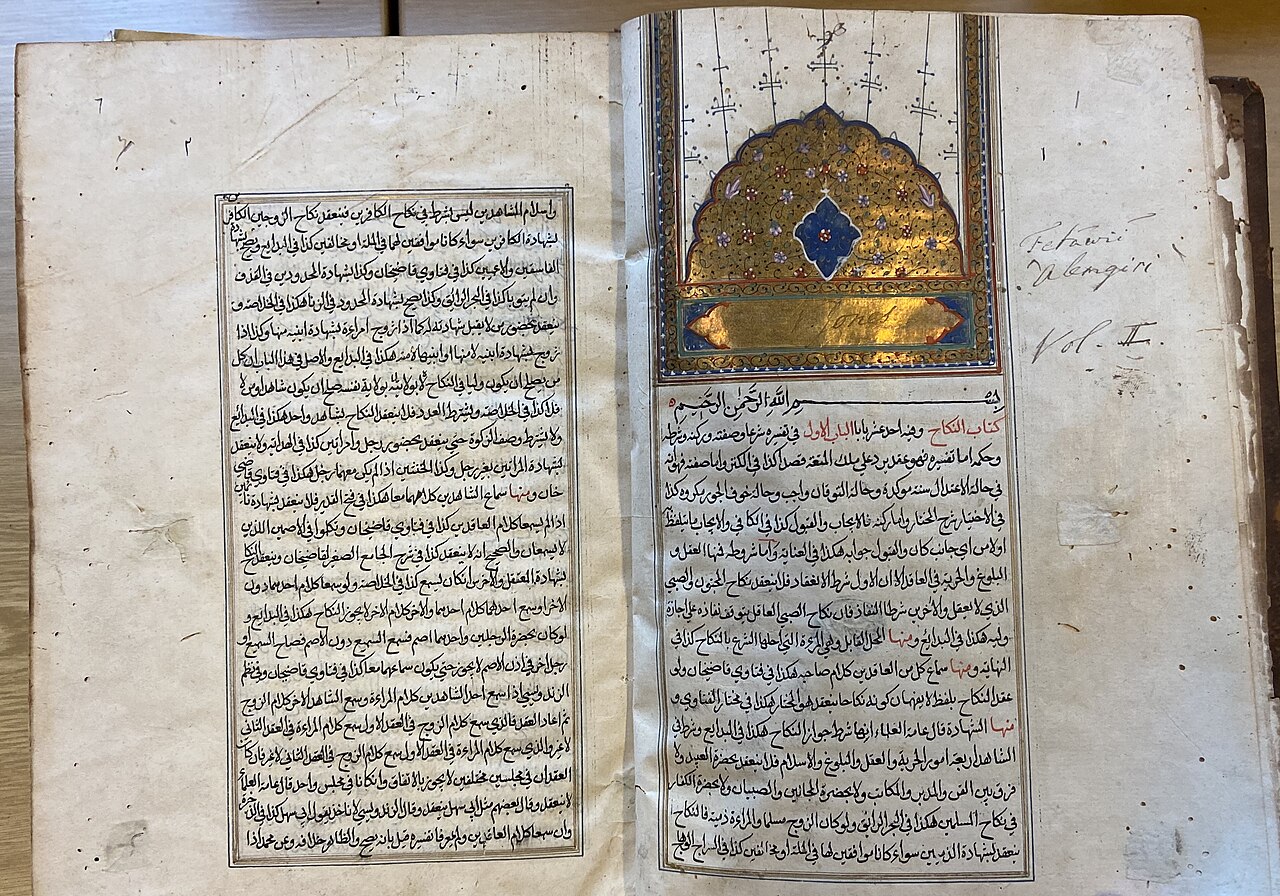
Fatawa-i Alamgiri Manuscript
17th century (this copy later recopied)
 Book
Secondary source
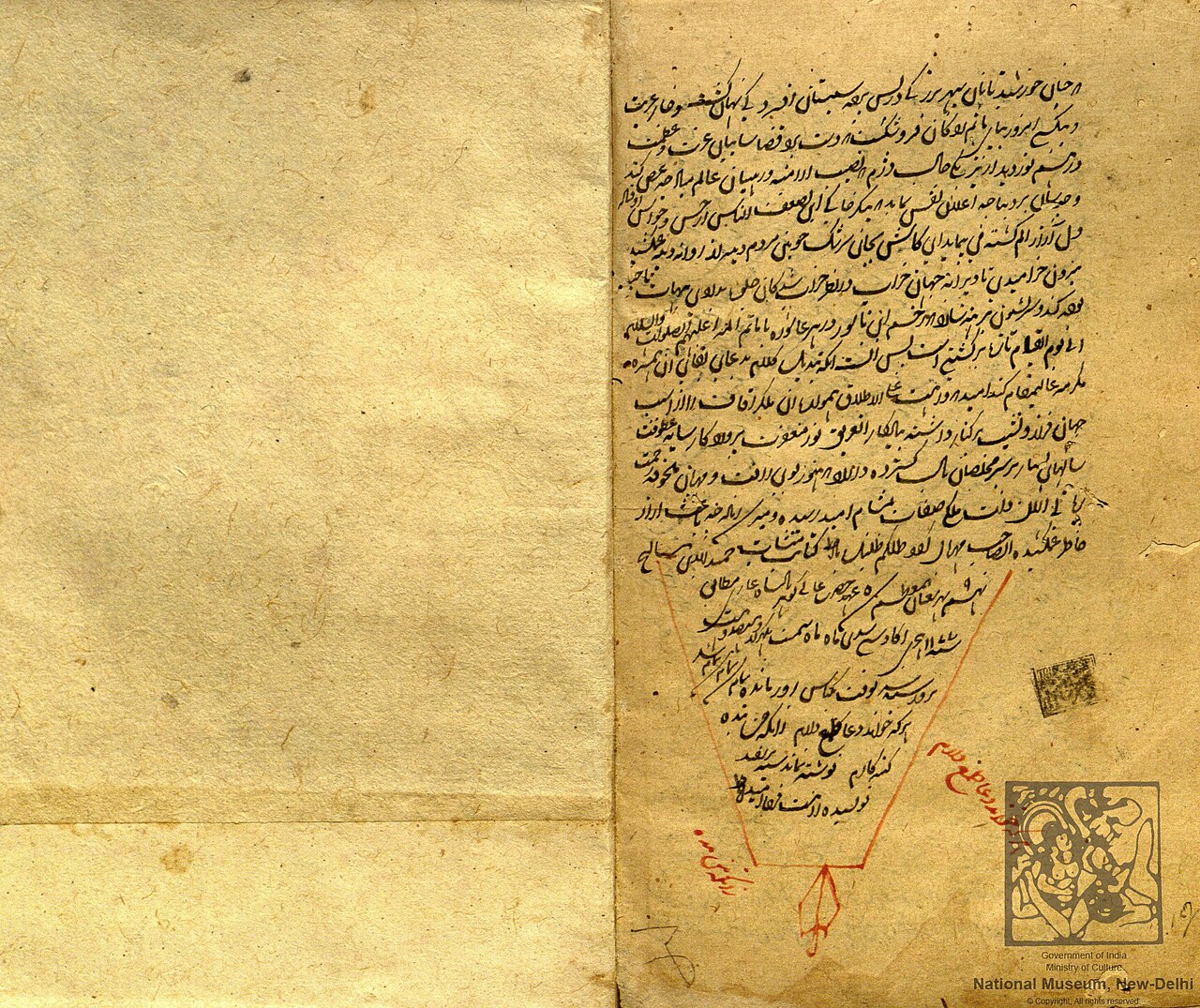
Maasir-i-Alamgiri
Saqi Musta'id Khan · c. 1710 (this copy 1763-1764)
Primary source
Ruka'at-i-Alamgiri
Aurangzeb · 17th century
 Letter
Primary source
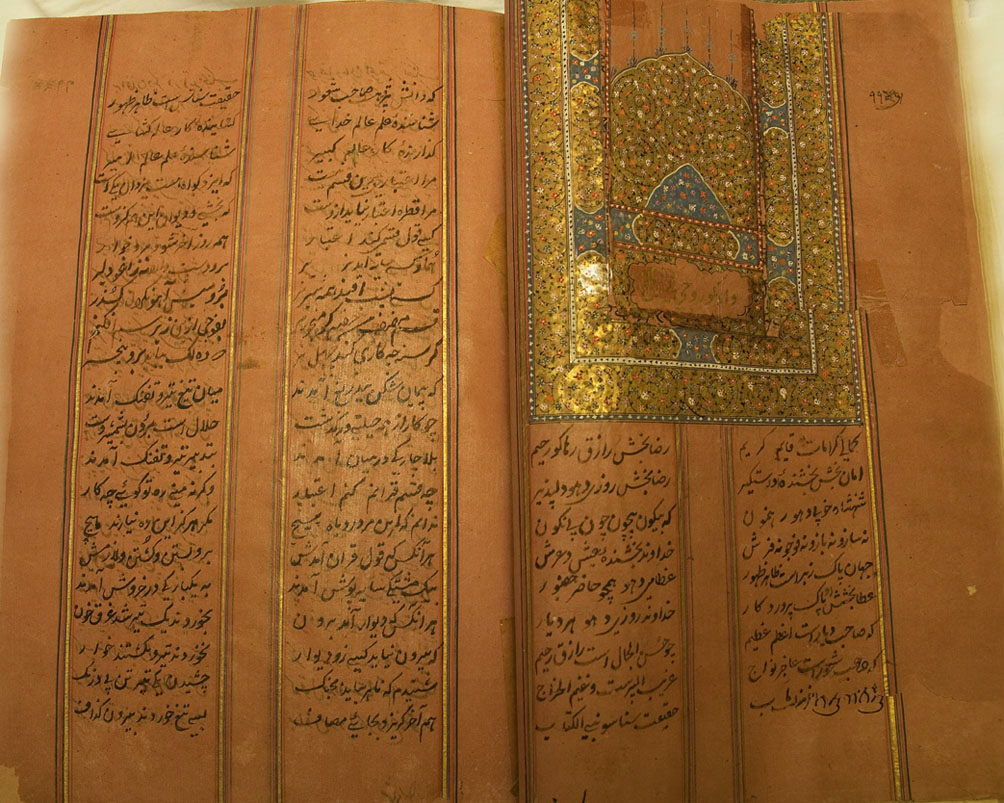
Zafarnamah
Guru Gobind Singh · 1705
Ready when you are
Start chatting with Aurangzeb now.
20 messages free · No credit card · Available in 50+ languages.