


Primary sourceArtifact1669
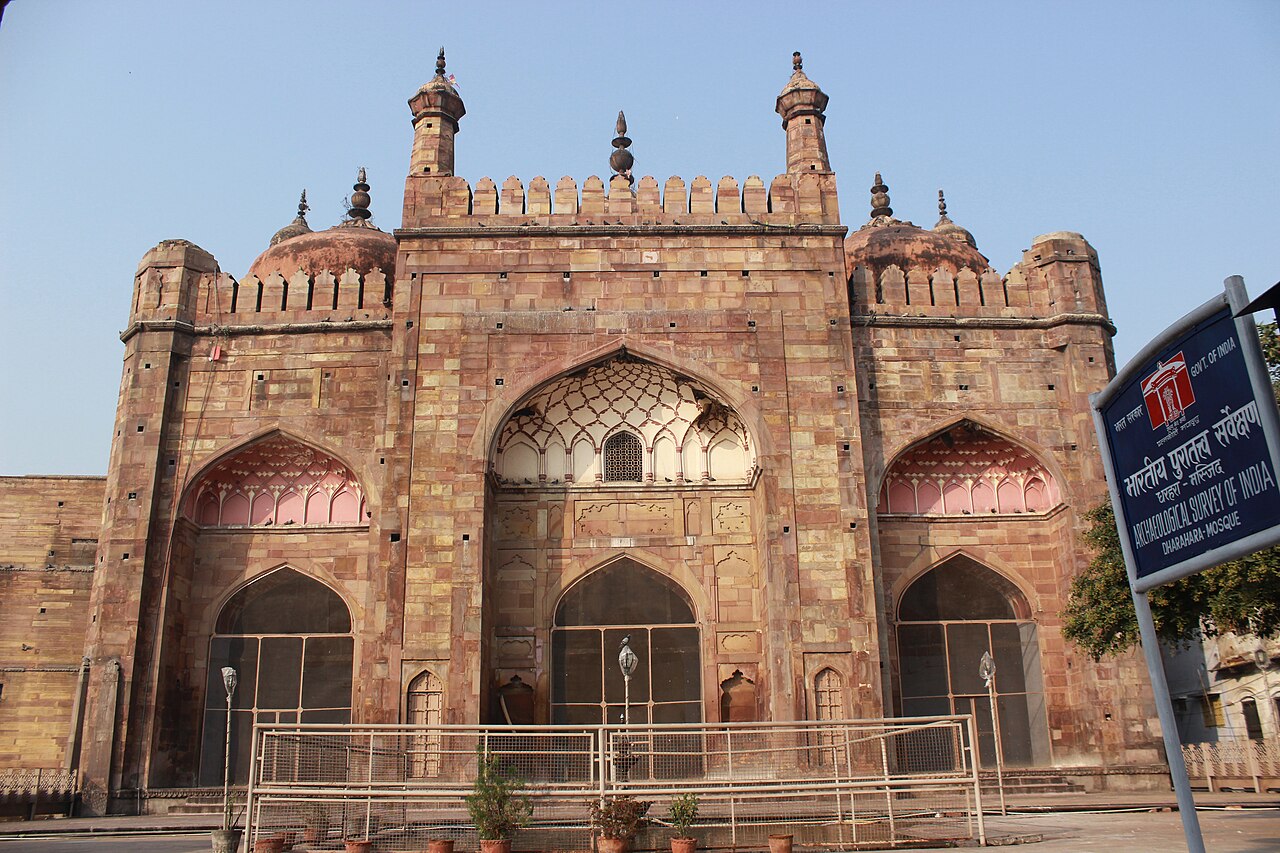
Alamgir Mosque
1669
A mosque built in Varanasi on Aurangzeb's orders over the site of a demolished Hindu temple.
Aurangzeb commissioned this mosque in Varanasi over a demolished Hindu temple, showing his religious policies as emperor.
About this source
What it is
The Alamgir Mosque stands above the Panchaganga Ghat in Varanasi, India. It was built after Aurangzeb conquered Varanasi in 1669 and named after his title "Alamgir." The building mixes Indo-Islamic and Hindu architectural styles, with domes and minarets, though some of its minarets later collapsed or were removed.
Why it matters
The mosque is physical evidence of Aurangzeb's policy of demolishing Hindu temples, in this case the Bindu Madhav temple, and replacing them with mosques in sacred Hindu centres. It is central to historical debates about his religious policies and their long-term effects on Hindu-Muslim relations in India.
Look closer
- What does building a mosque over a temple site tell us about the relationship between religion and political power?
- Why might later generations still argue about this building today?
- What is missing from the building itself that would tell us about the temple that once stood there?
This artifact is part of the curated material that grounds the AI version of Aurangzeb on Humy.ai — when students ask about related events, the AI can quote it and cite it.
More Aurangzeb sources
Meet the AI Aurangzeb →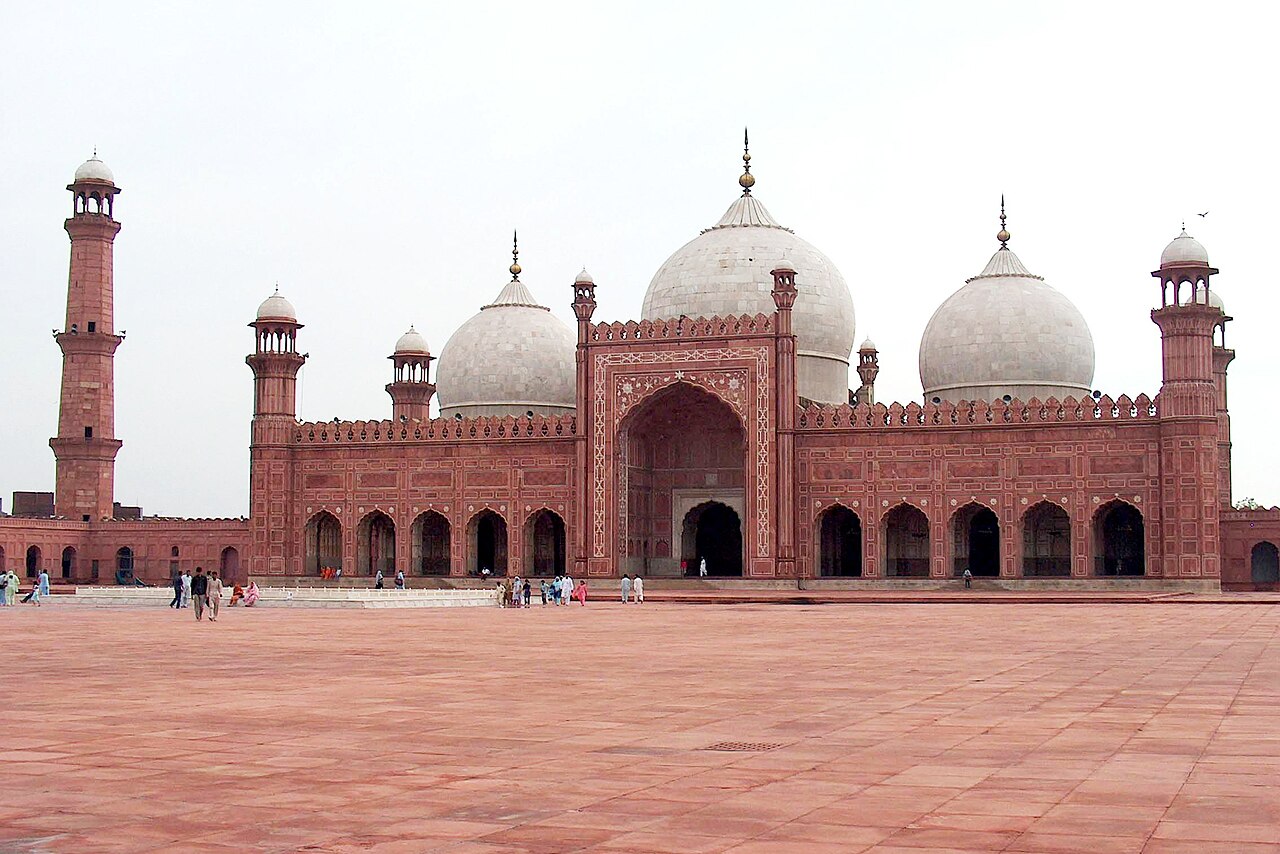 Artifact
Primary source
Badshahi Mosque
1671–1673
 Document
Primary source
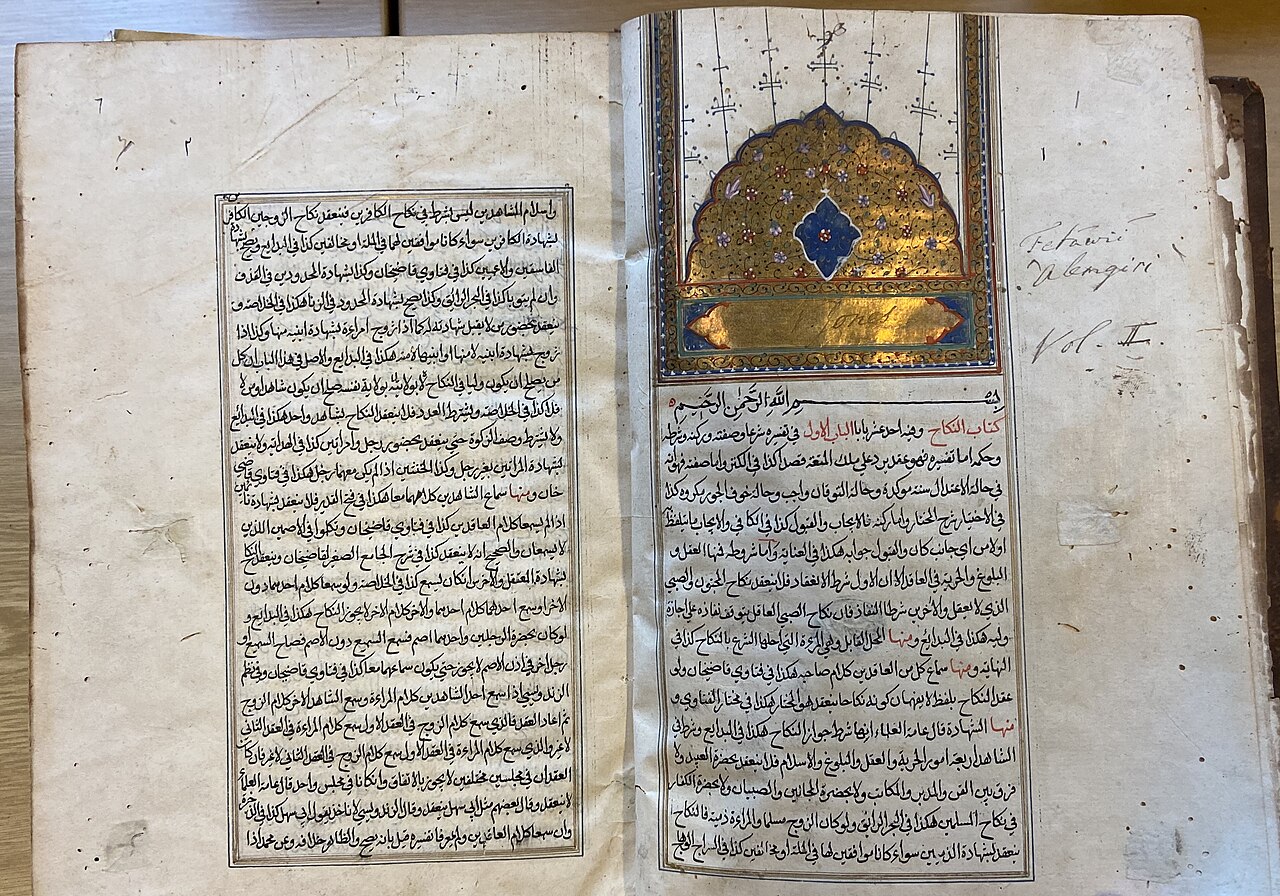
Fatawa-i Alamgiri Manuscript
17th century (this copy later recopied)
 Book
Secondary source
Maasir-i-Alamgiri
Saqi Musta'id Khan · c. 1710 (this copy 1763-1764)
Primary source
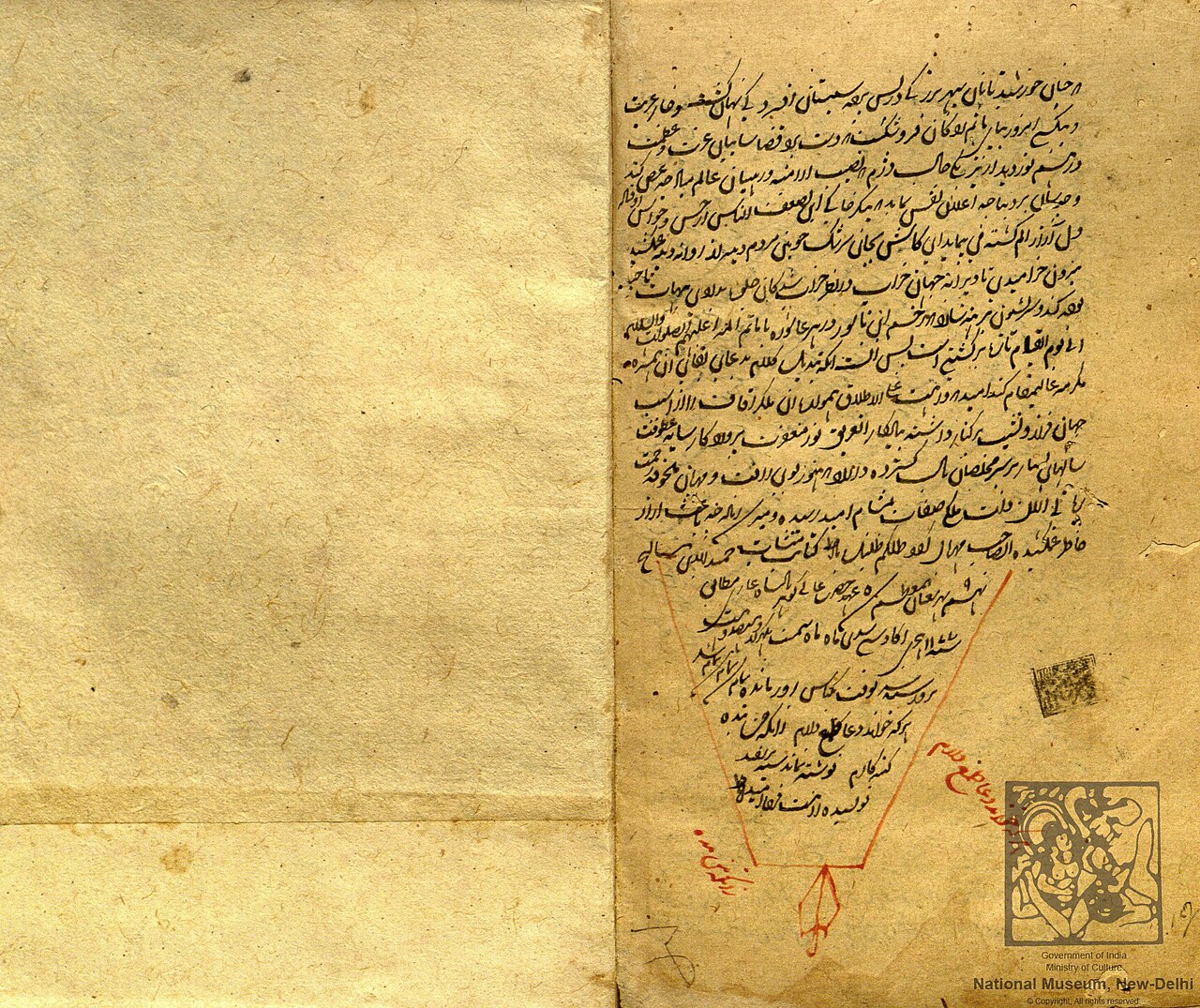
Ruka'at-i-Alamgiri
Aurangzeb · 17th century
 Letter
Primary source
Zafarnamah
Guru Gobind Singh · 1705
Ready when you are
Start chatting with Aurangzeb now.
20 messages free · No credit card · Available in 50+ languages.