


Primary sourceArtifact1673-74
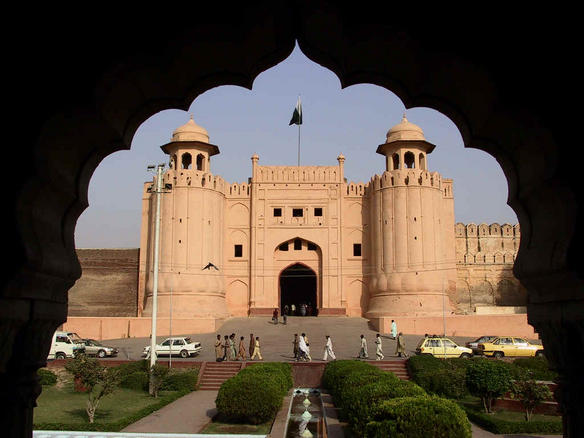
Alamgiri Gate
1673-74
The monumental gateway to Lahore Fort and the Badshahi Mosque, built on Aurangzeb's orders in the 1670s.
Built on Aurangzeb's orders, the gate reflects his imperial building programme and its display of his authority.
About this source
What it is
Alamgiri Gate is the main entrance to the Walled City of Lahore and to Lahore Fort, in present-day Pakistan. It was built in 1673 on the orders of Mughal emperor Aurangzeb (Alamgir) when he also constructed the nearby Badshahi Mosque. It is the only surviving original entrance to the mosque and remains part of a UNESCO World Heritage Site.
Why it matters
The gate's huge scale and rich decoration were meant to impress visitors and display imperial power. It shows Aurangzeb's building programme in the Punjab and his use of architecture to project authority, following a tradition of grand Mughal gateways.
Look closer
- Why would an emperor build such a massive, decorated gate just to enter a mosque and fort?
- What materials and features does the gate use to impress visitors?
- How has the gate's purpose changed over time, from royal entrance to stables to military use?
This artifact is part of the curated material that grounds the AI version of Aurangzeb on Humy.ai — when students ask about related events, the AI can quote it and cite it.
More Aurangzeb sources
Meet the AI Aurangzeb →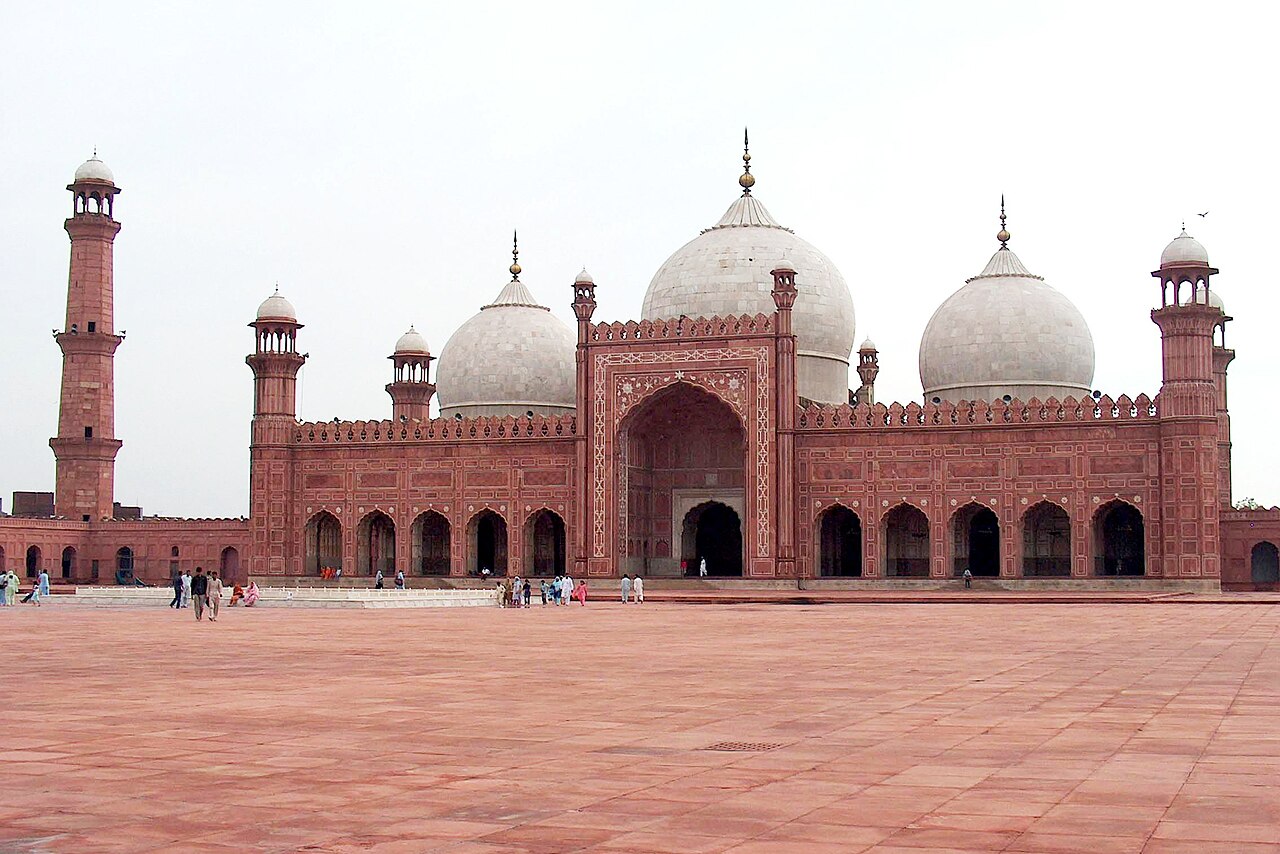 Artifact
Primary source
Badshahi Mosque
1671–1673
 Document
Primary source
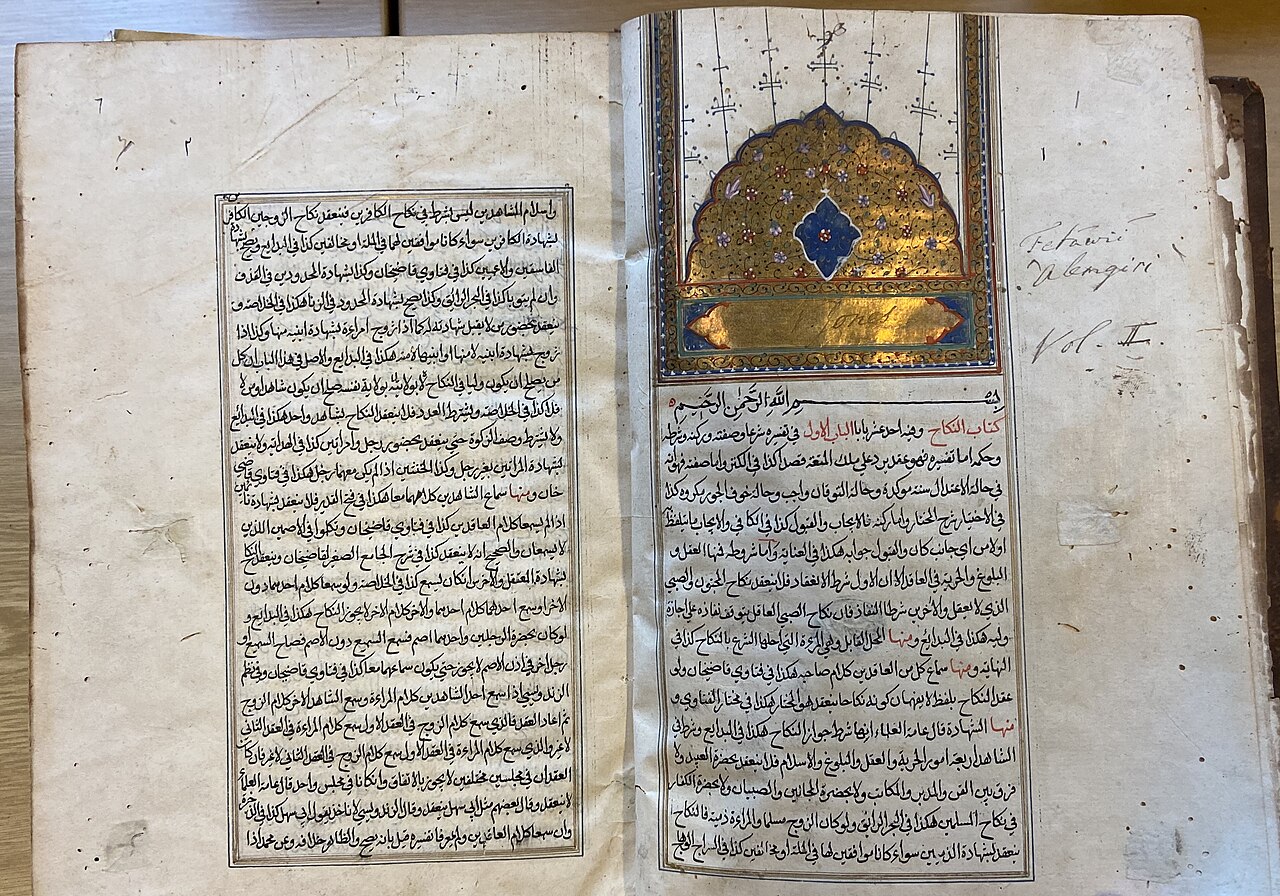
Fatawa-i Alamgiri Manuscript
17th century (this copy later recopied)
 Book
Secondary source
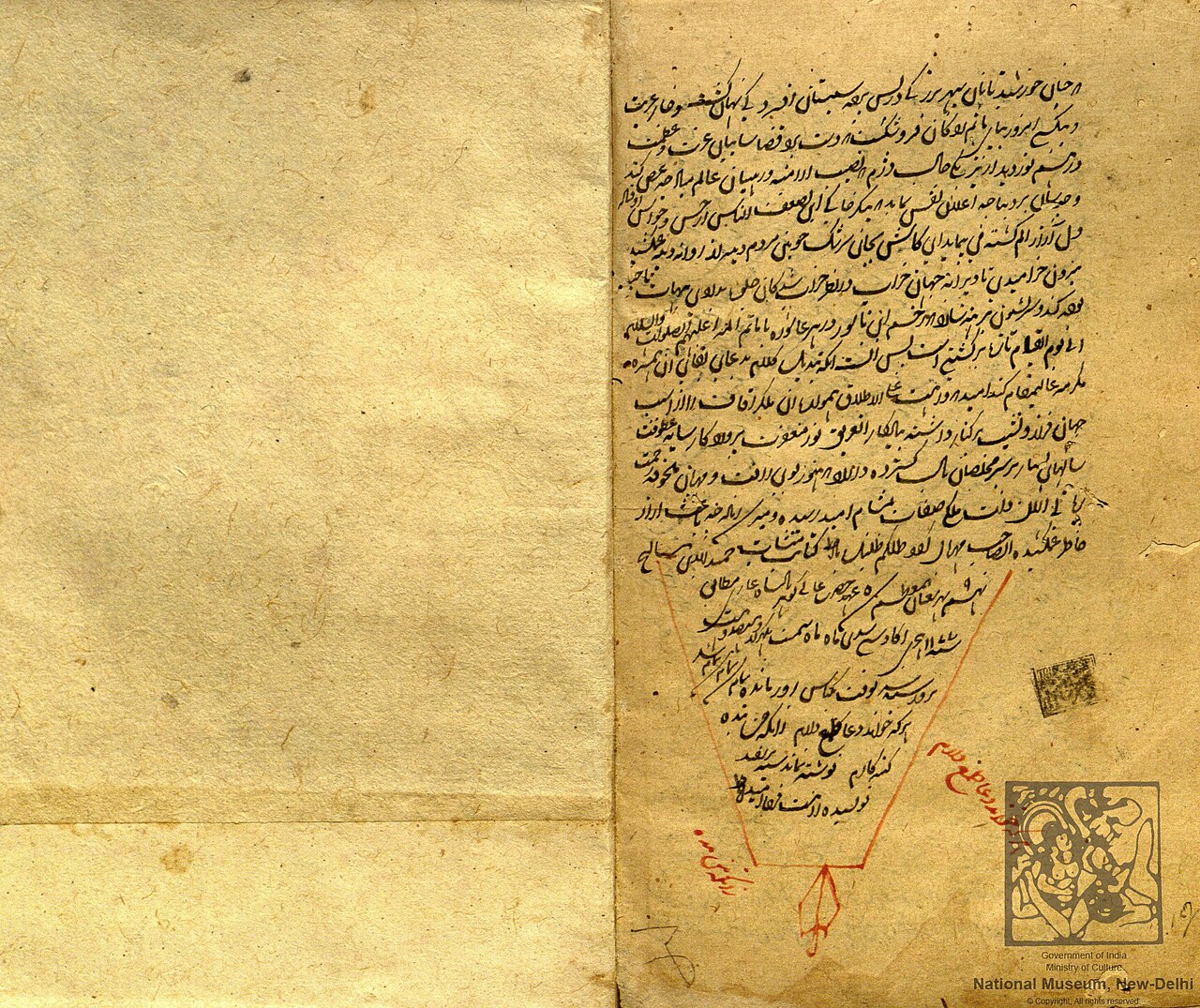
Maasir-i-Alamgiri
Saqi Musta'id Khan · c. 1710 (this copy 1763-1764)
Primary source
Ruka'at-i-Alamgiri
Aurangzeb · 17th century
 Letter
Primary source
Zafarnamah
Guru Gobind Singh · 1705
Ready when you are
Start chatting with Aurangzeb now.
20 messages free · No credit card · Available in 50+ languages.