


Secondary sourceBookc. 148-150
Almagest
Ptolemy · c. 148-150
Ptolemy's 2nd-century astronomical treatise that set out the geocentric model al-Biruni studied, used and corrected centuries later.
Thabit ibn Qurra, Ibrahim's grandfather, revised this work in Arabic; it framed the astronomy Ibrahim's own writings engaged with.
About this source
What it is
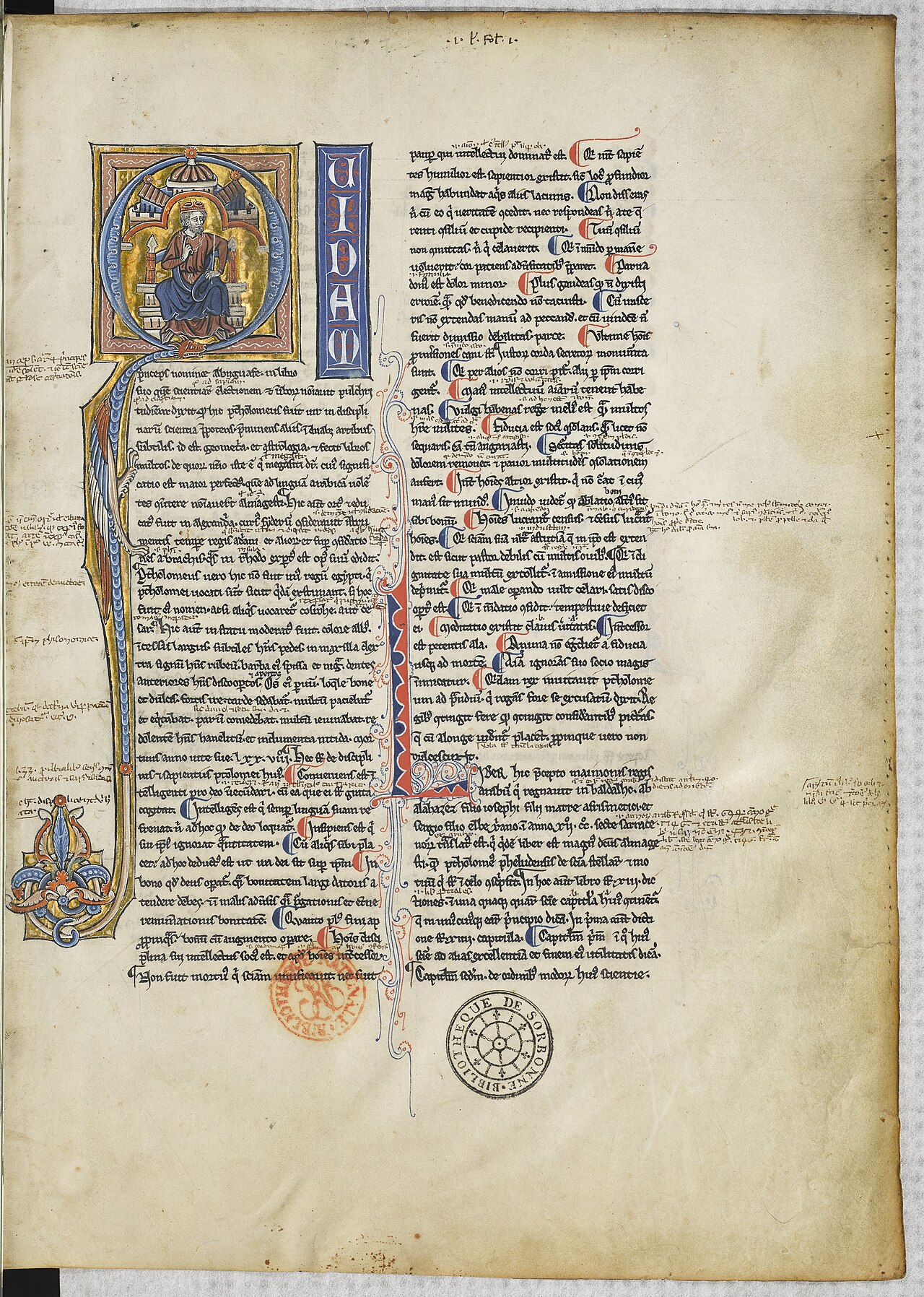
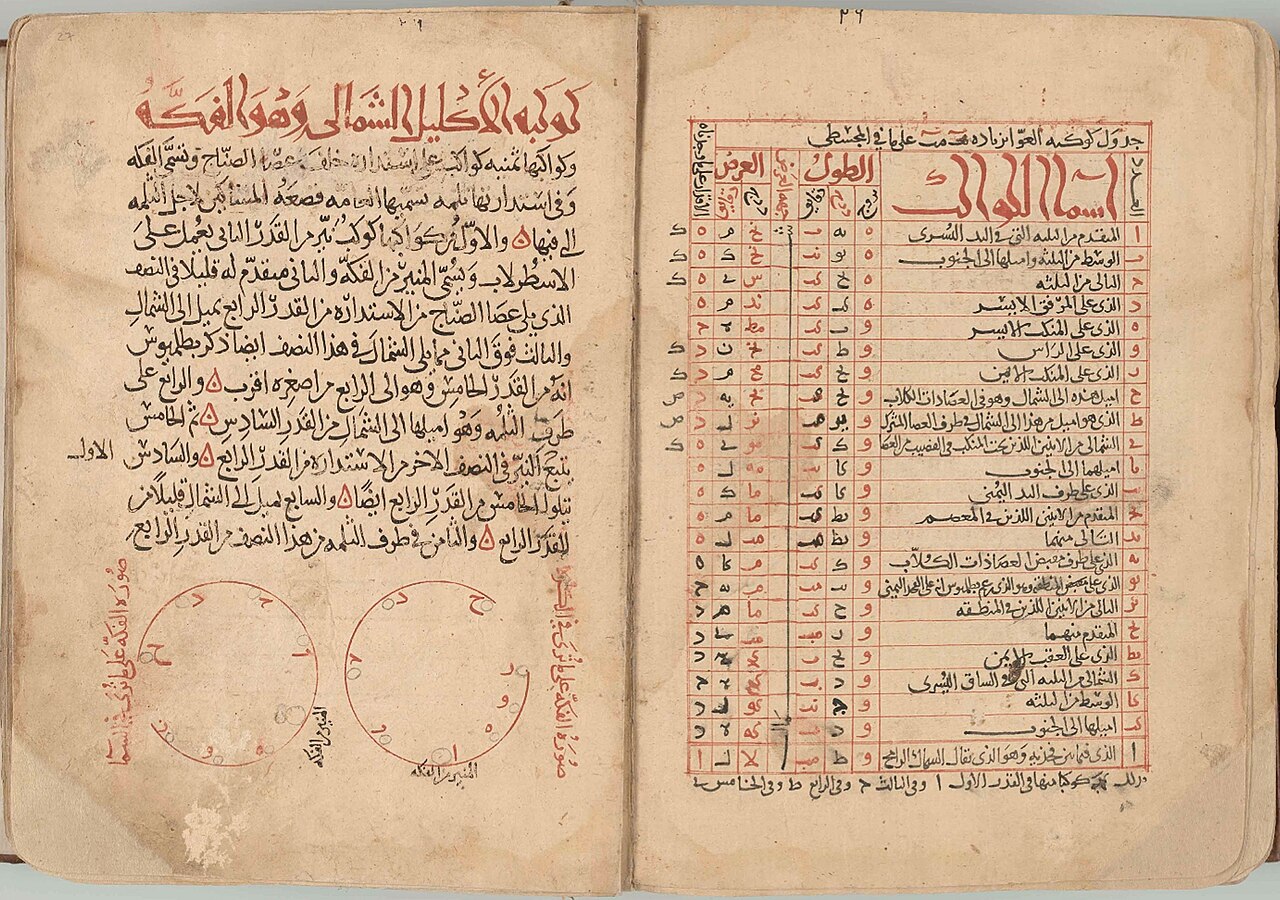
The Almagest is a mathematical and astronomical treatise written by Claudius Ptolemy in Koine Greek, covering the motions of the stars, Sun, Moon and planets using a geocentric model. It survives in later copies, including Arabic translations from the 9th century onward.
Why it matters
For over a thousand years the Almagest was the standard authority on astronomy across the Byzantine, Islamic and European worlds. Islamic scholars like al-Biruni worked within this framework but also tested and refined it, for example by showing that the Sun's apogee (its farthest point from Earth) moves — a correction to Ptolemy's fixed model.
Look closer
- Why might a model of the universe stay accepted for over a thousand years?
- What does it mean that later scholars corrected Ptolemy instead of discarding his work entirely?
- This page shows an illuminated manuscript page — what does the decoration tell us about how the text was valued?
This book is part of the curated material that grounds the AI version of Ibrahim ibn Sinan, Al-Biruni and Ptolemy on Humy.ai — when students ask about related events, the AI can quote it and cite it.
More Ibrahim ibn Sinan sources
Meet the AI Ibrahim ibn Sinan →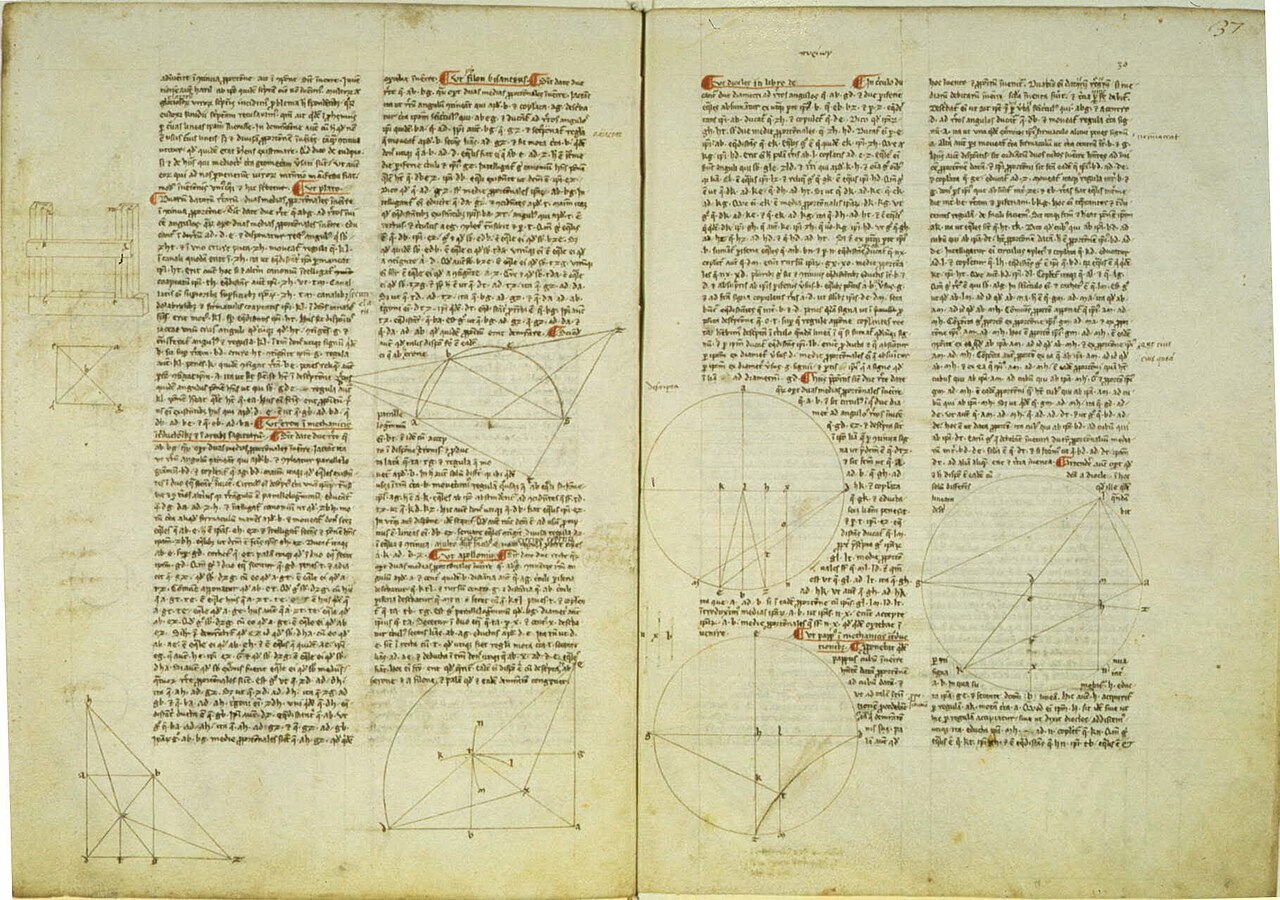
Ready when you are
Start chatting with Ibrahim ibn Sinan now.
20 messages free · No credit card · Available in 50+ languages.