


Primary sourceBook1689 (dated 1690)
An Essay Concerning Human Understanding
John Locke · 1689 (dated 1690)
Locke's major philosophical work arguing that all knowledge comes from experience, not innate ideas.
Locke's foundational work of empiricist philosophy, written in his own voice.
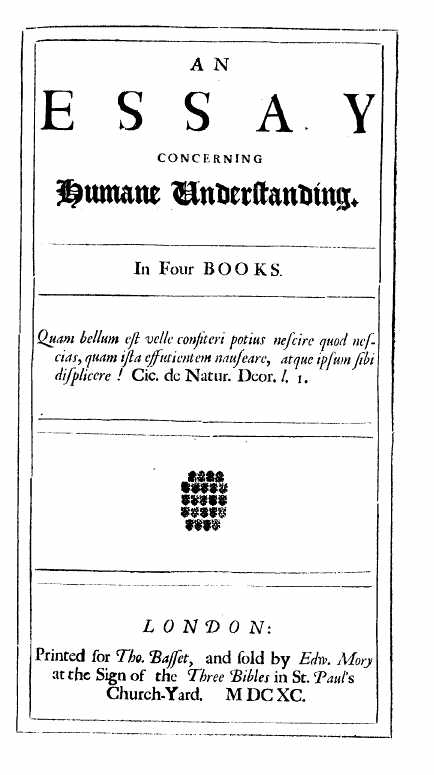
About this source
What it is
An Essay Concerning Human Understanding was written by John Locke and first printed in 1689 (dated 1690). In four books, Locke rejects the idea that people are born with innate ideas, arguing instead that the mind begins as a blank slate filled by sensation and reflection.
Why it matters
The essay became one of the most influential works of early modern philosophy, shaping later thinkers such as David Hume and George Berkeley, and contributing to how people have thought about knowledge, identity and the mind ever since. It shows Locke working out, step by step, an alternative to the rationalist philosophy of thinkers like Descartes.
Look closer
- What examples does Locke use to argue against innate ideas, and why might he have chosen them?
- How might Locke's idea of the mind as a 'blank slate' have been used or misused by later thinkers?
- Why dedicate the book to a nobleman — what does this tell you about how books were published at the time?
This book is part of the curated material that grounds the AI version of John Locke on Humy.ai — when students ask about related events, the AI can quote it and cite it.
More John Locke sources
Meet the AI John Locke →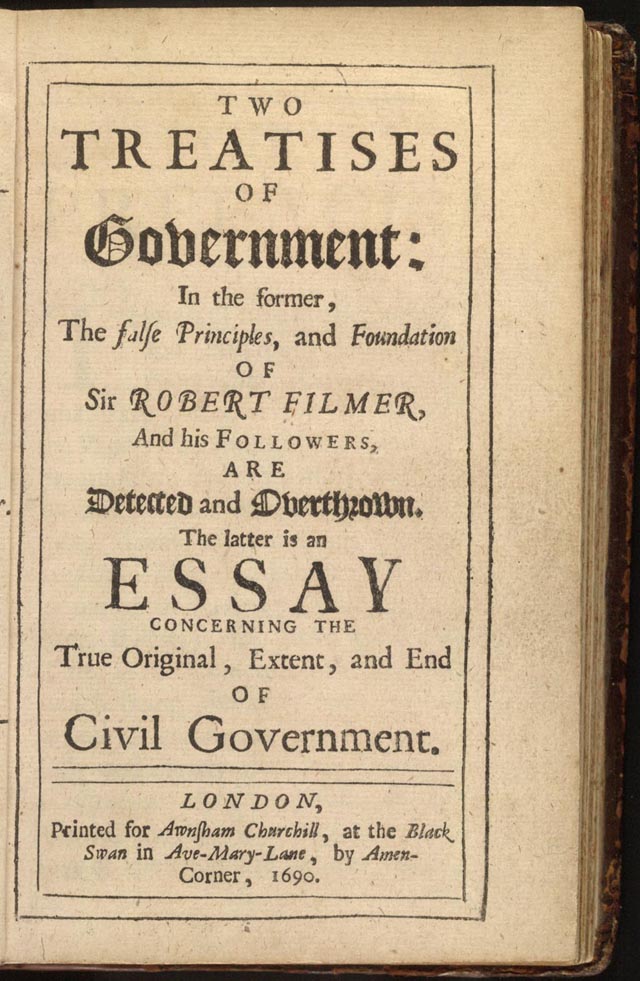 Book
Primary source
Two Treatises of Government
John Locke · 1689 (dated 1690)
 Painting
Secondary source
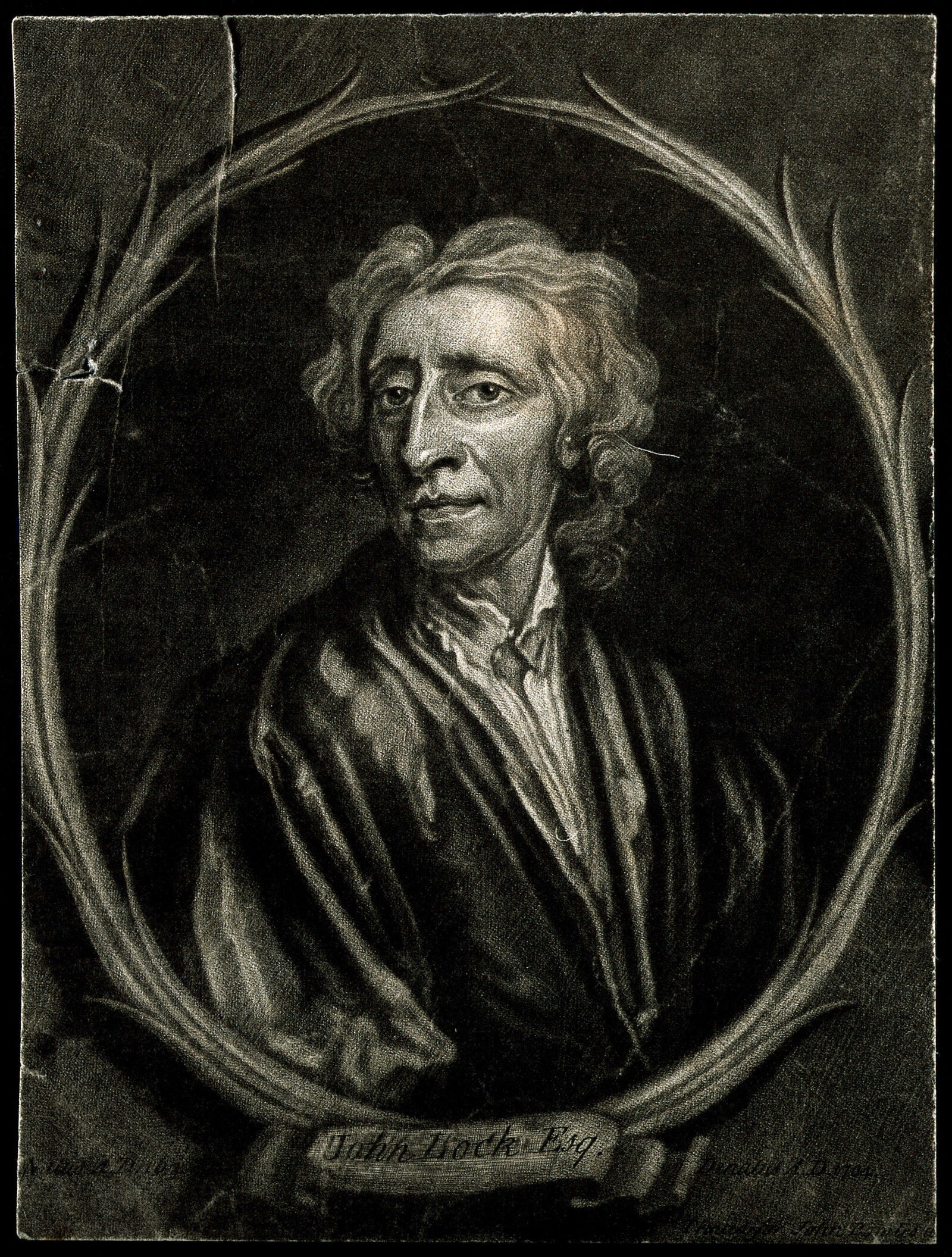
John Locke, Mezzotint after Godfrey Kneller
Godfrey Kneller
 Letter
Primary source
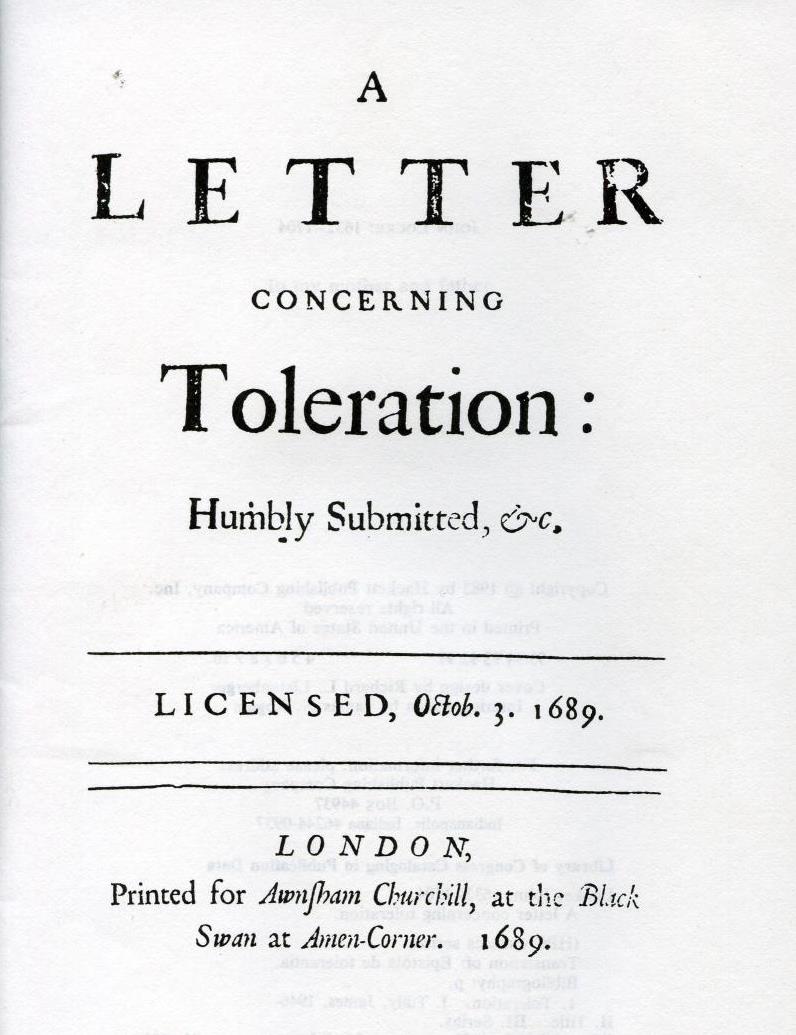
A Letter Concerning Toleration
John Locke · written 1685-1686, published 1689
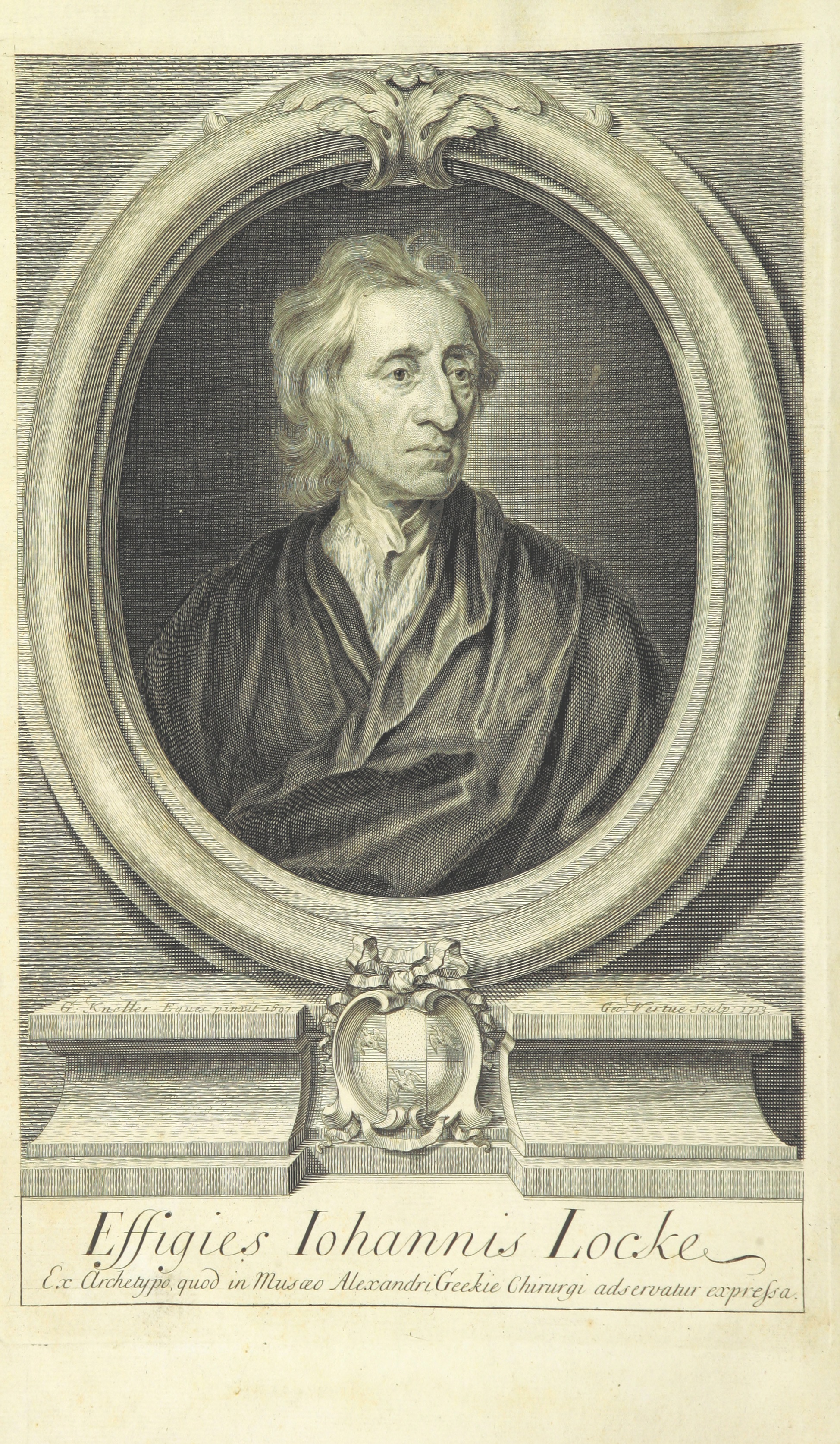 Painting
Secondary source
Portrait of John Locke, frontispiece to Works
George Vertue, after Sir Godfrey Kneller · 1722
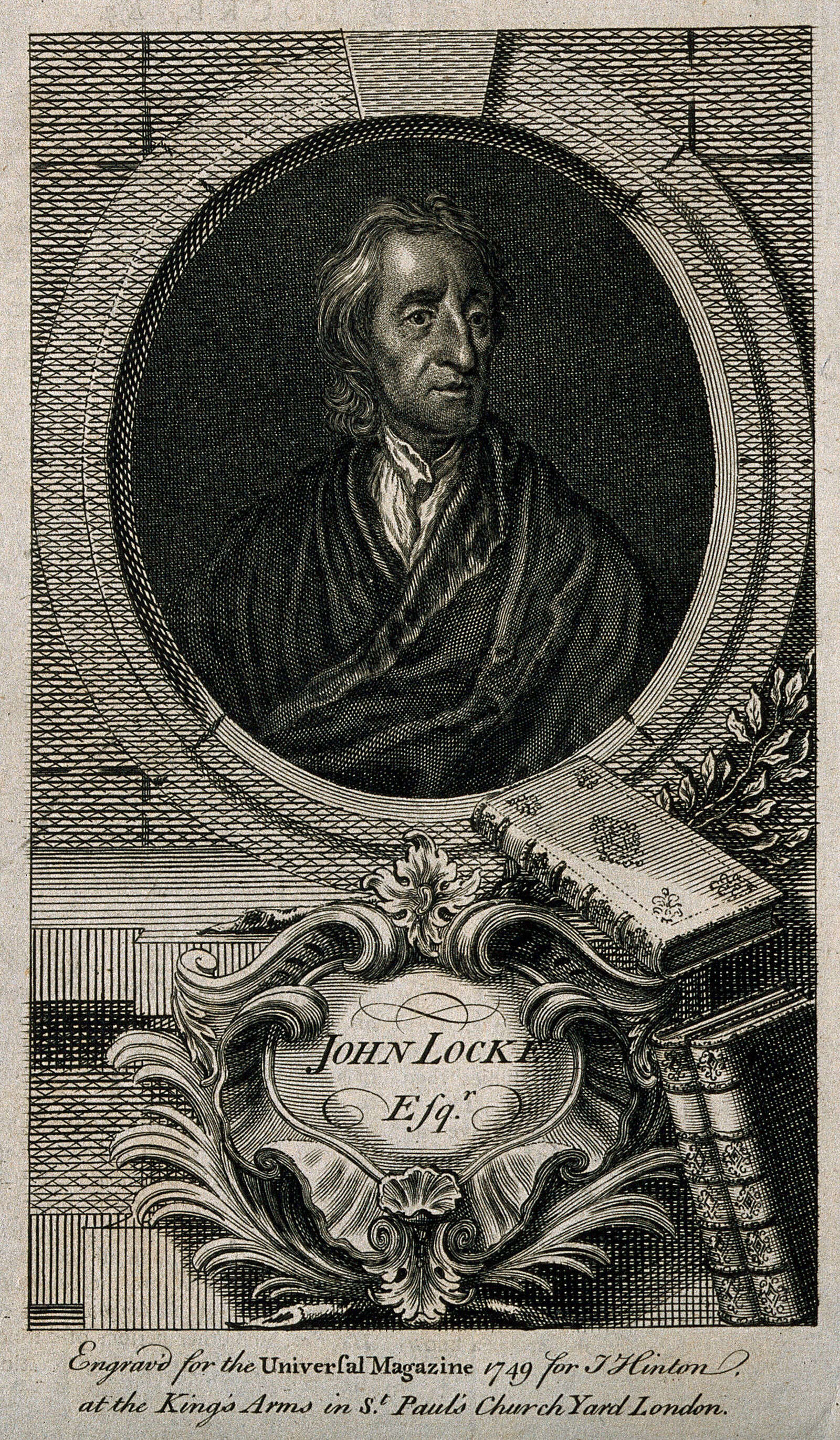 Painting
Secondary source
John Locke, Line Engraving after Kneller, 1749
Godfrey Kneller · 1749
Ready when you are
Start chatting with John Locke now.
20 messages free · No credit card · Available in 50+ languages.