


Secondary sourceArtifactc. 340-300 BCE
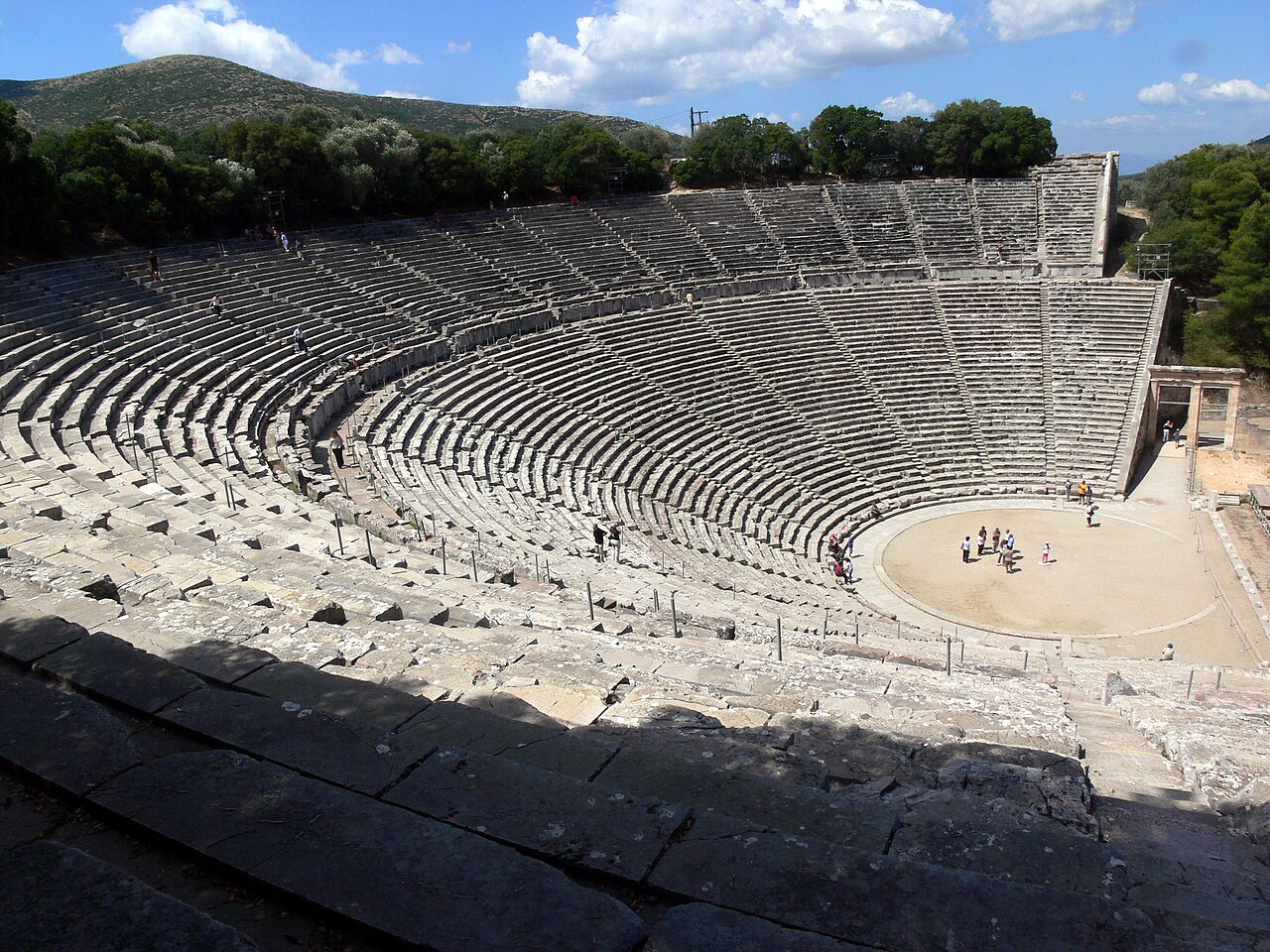
Ancient Theatre of Epidaurus
Polykleitos the Younger · c. 340-300 BCE
The best-preserved ancient Greek theatre, built a generation after Sophocles, showing the kind of space his tragedies were performed in.
This theatre, built after Sophocles' lifetime, shows the kind of venue where his plays were performed and later revived.
About this source
What it is
This theatre at the Sanctuary of Asclepius in Epidaurus, Greece, was built in the late 4th century BCE, likely designed by the architect Polykleitos the Younger. It could hold thousands of spectators and hosted musical and dramatic performances as part of worship.
Why it matters
Although built after Sophocles' death, the theatre reflects the design of the spaces where Greek tragedies like his were staged, with its circular orchestra and tiered seating. It later hosted a famous 20th-century production of his play Electra, showing how his work has remained alive for centuries.
Look closer
- How might the shape of this theatre have affected how actors and audiences experienced a play?
- Why do you think ancient Greeks believed watching drama could affect health?
- What does the theatre's survival and continued use tell us about the lasting importance of Greek tragedy?
This artifact is part of the curated material that grounds the AI version of Sophocles on Humy.ai — when students ask about related events, the AI can quote it and cite it.
More Sophocles sources
Meet the AI Sophocles →Primary source
Oedipus Rex
Sophocles · c. 429 BCE
Primary source
Antigone
Sophocles · c. 441 BCE
Primary source
Oedipus at Colonus
Sophocles · written shortly before 406 BCE; first performed 401 BCE
 Book
Secondary source
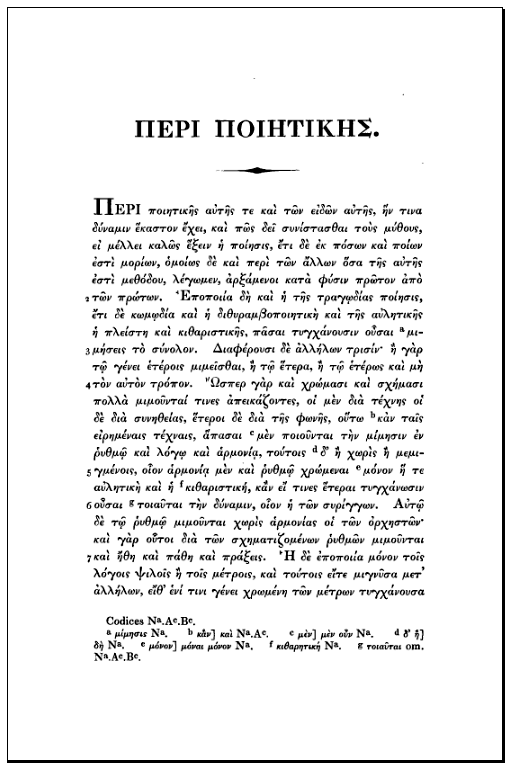
Poetics
Aristotle · c. 335 BCE
 Sculpture
Secondary source
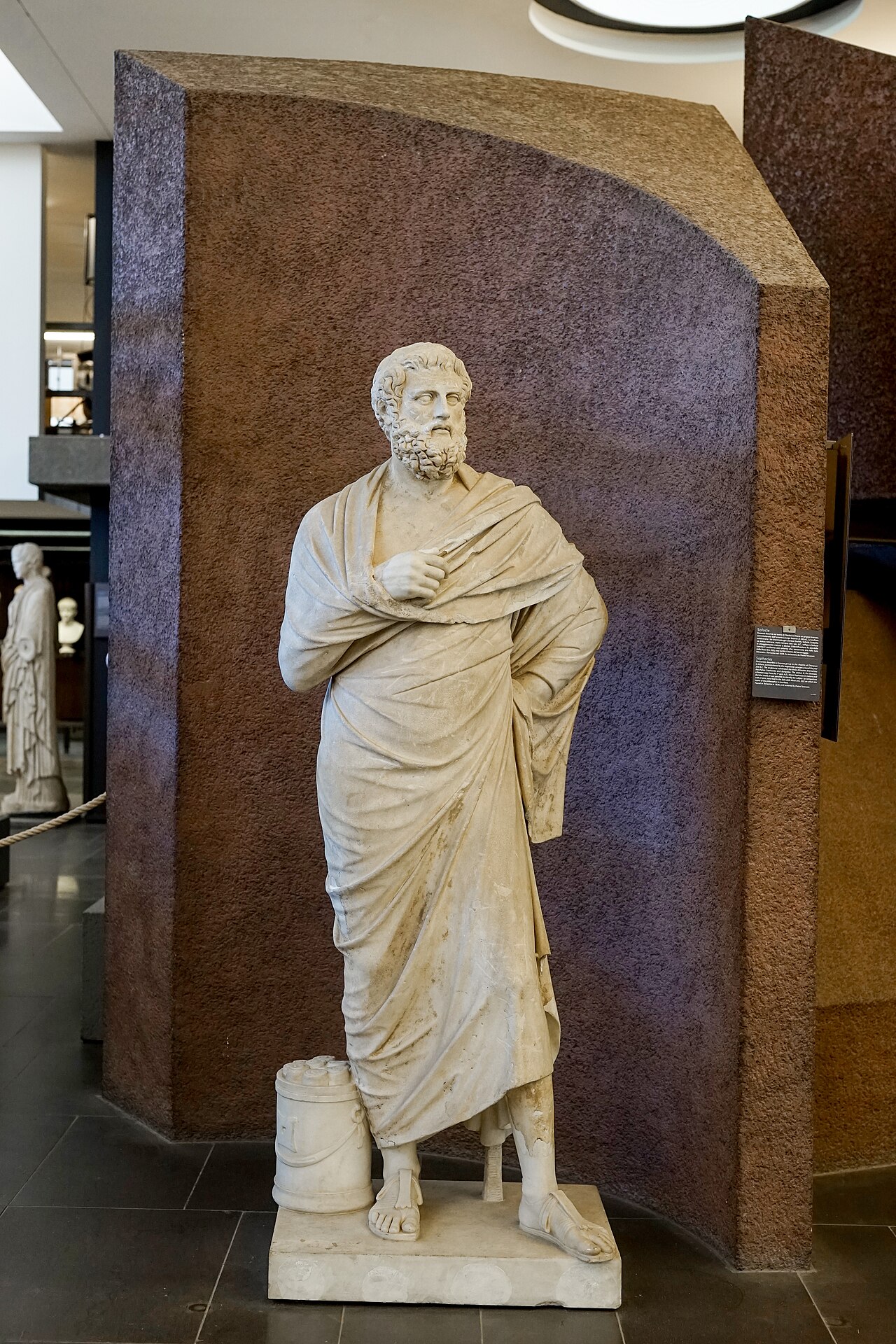
Statue of Sophocles (Lateran type)
Roman copy, 1st century CE, of a Greek original of the 4th century BCE
Ready when you are
Start chatting with Sophocles now.
20 messages free · No credit card · Available in 50+ languages.