


Secondary sourceBook1917
Anecdotes of Aurangzib
Jadunath Sarkar · 1917
An English translation with notes of anecdotes about Aurangzeb's life and character, compiled by historian Jadunath Sarkar.
This collection of anecdotes and essays studies Aurangzeb's character and life as remembered in later tradition.
 PDF · 256 pages
About this source
What it is
This 1917 book by historian Jadunath Sarkar translates Persian anecdotes about Aurangzeb into English, adding notes and historical essays to explain their context.
Why it matters
Anecdotes like these were often used in Mughal court culture to illustrate a ruler's wisdom, piety or justice. By translating and studying them, Sarkar gave later readers a way to see how Aurangzeb was remembered and portrayed by those close to his court.
Look closer
- Why might anecdotes be a different kind of source from official letters or documents?
- What do these stories suggest about the qualities admired in a Mughal emperor?
- How might Sarkar's own notes shape the way readers understand the anecdotes?
This book is part of the curated material that grounds the AI version of Aurangzeb on Humy.ai — when students ask about related events, the AI can quote it and cite it.
More Aurangzeb sources
Meet the AI Aurangzeb →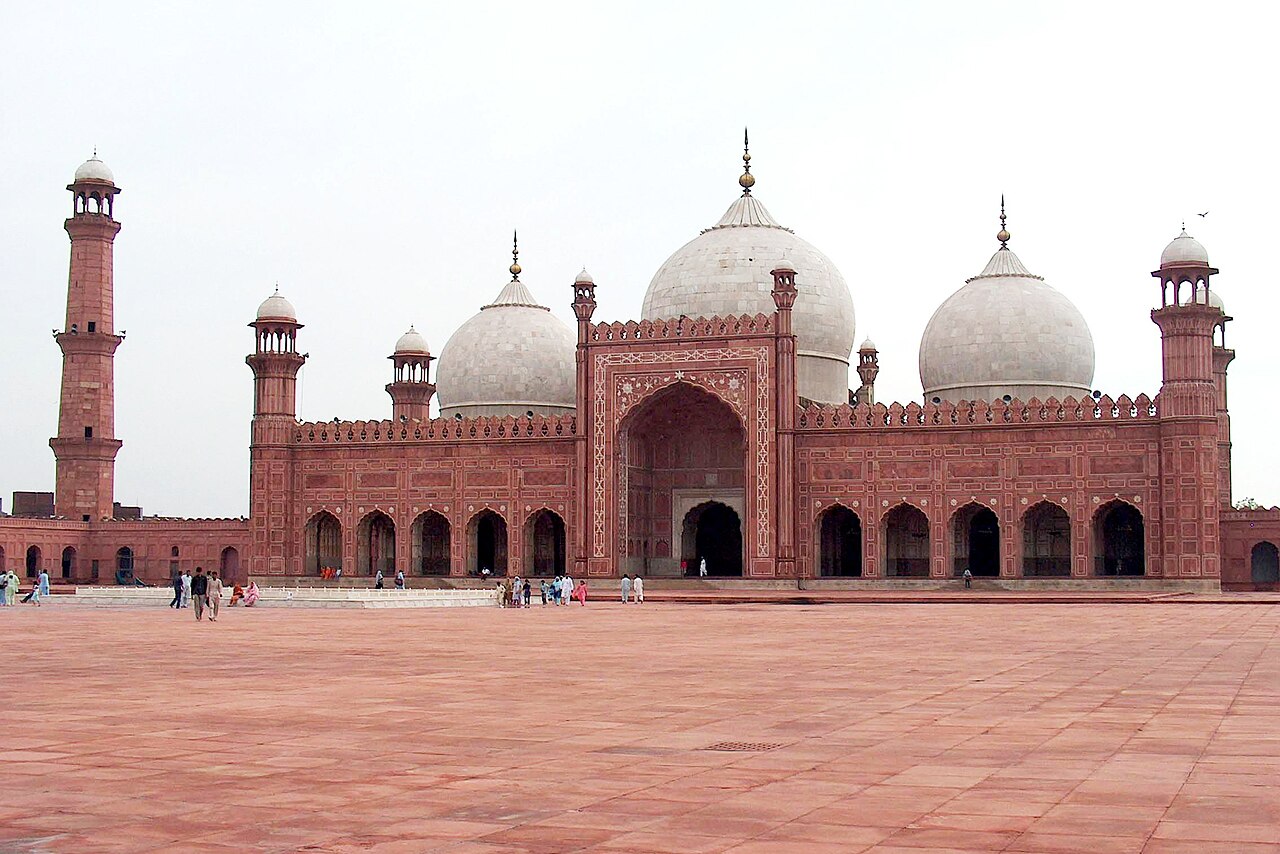 Artifact
Primary source
Badshahi Mosque
1671–1673
 Document
Primary source
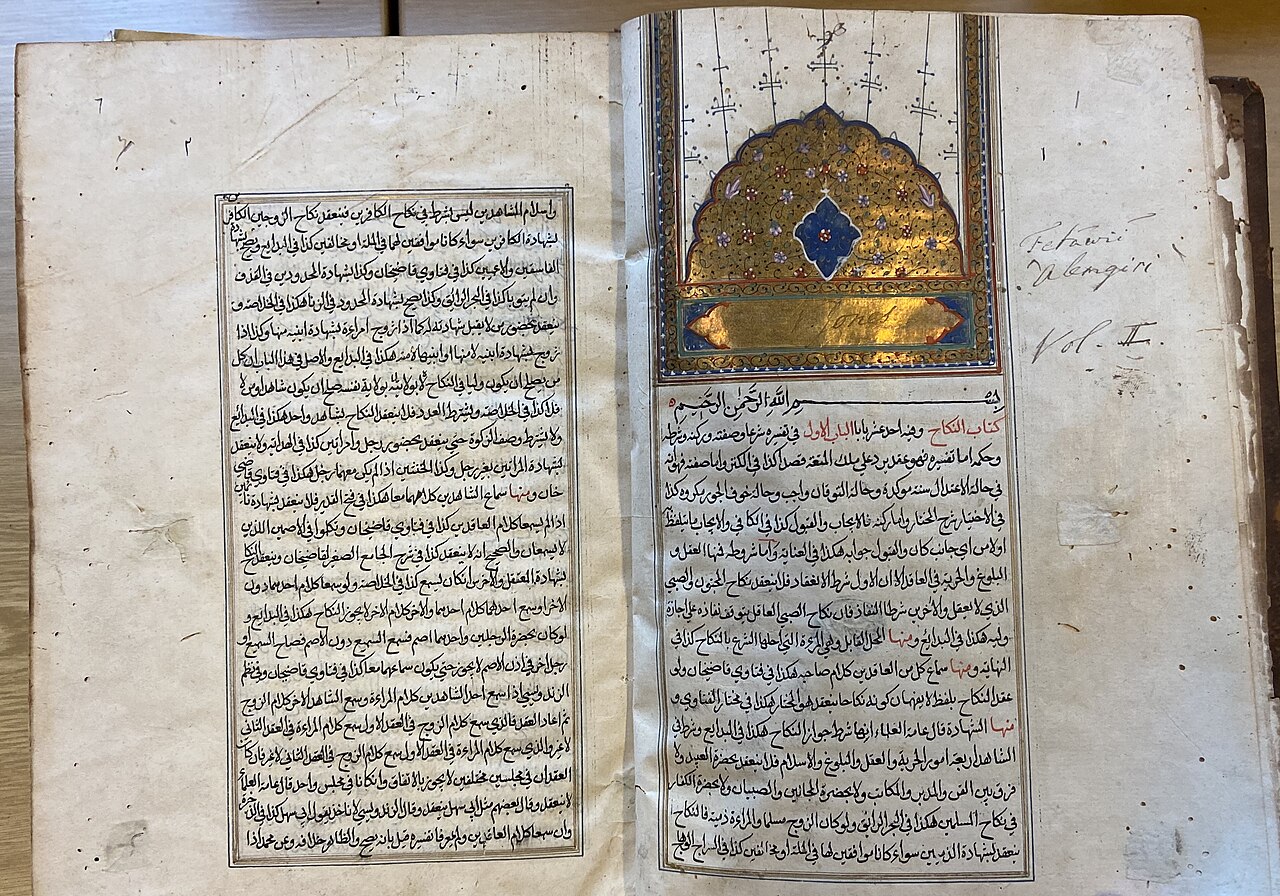
Fatawa-i Alamgiri Manuscript
17th century (this copy later recopied)
 Book
Secondary source
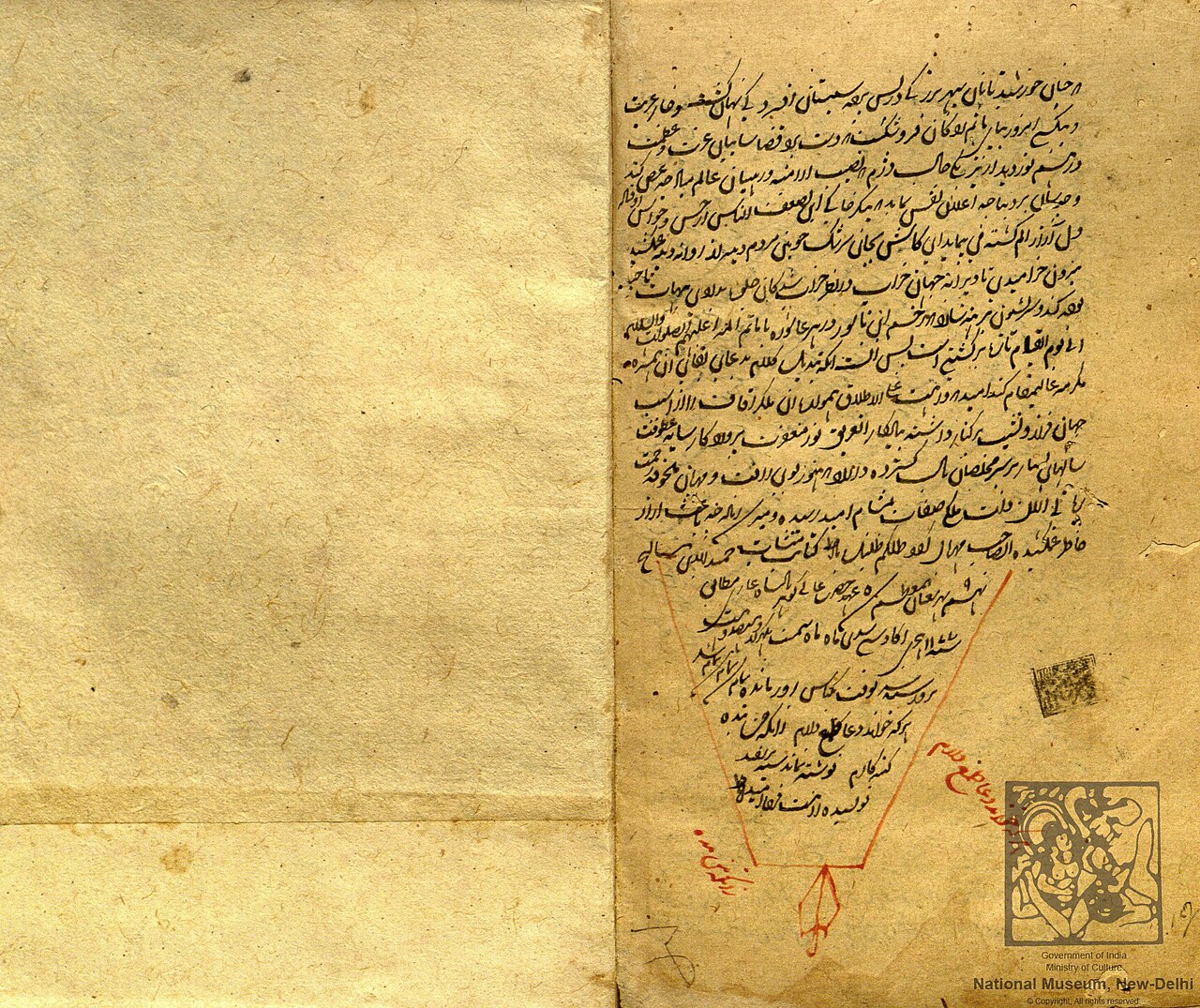
Maasir-i-Alamgiri
Saqi Musta'id Khan · c. 1710 (this copy 1763-1764)
Primary source
Ruka'at-i-Alamgiri
Aurangzeb · 17th century
 Letter
Primary source
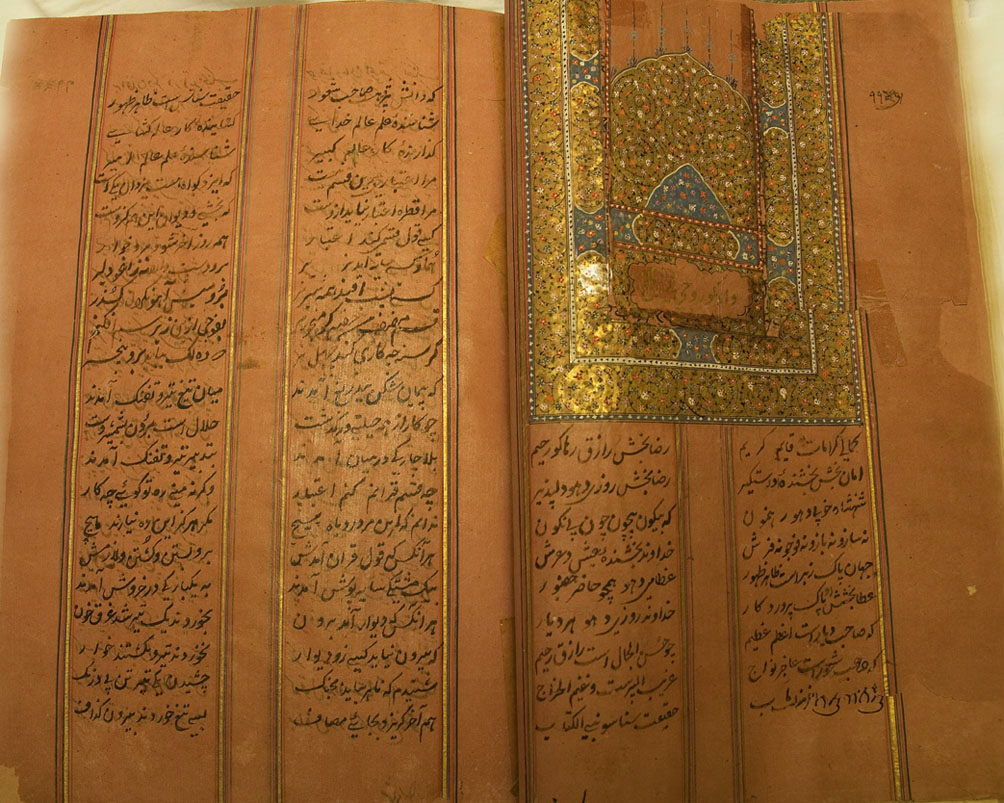
Zafarnamah
Guru Gobind Singh · 1705
Ready when you are
Start chatting with Aurangzeb now.
20 messages free · No credit card · Available in 50+ languages.