


Secondary sourceBook1804
Antigonae
Friedrich Hölderlin · 1804
Friedrich Hölderlin's 1804 German translation of Sophocles' Antigone, a landmark in how later Europe read and understood the ancient playwright.
A German translation of Sophocles' Antigone that shaped modern philosophical understanding of his work.
About this source
What it is
This is a German translation, made in 1804 by the poet Friedrich Hölderlin, of Sophocles' tragedy Antigone. The excerpt shown is the opening scene, where the sisters Antigone and Ismene discuss the fate of their brothers.
Why it matters
Hölderlin's translation is considered a major moment in the German reception of Greek tragedy. It shaped how later philosophers and readers interpreted Sophocles' ideas about fate, family duty, and the state. The translation shows how Sophocles' work kept being reinterpreted by new generations in new languages, long after ancient Greece.
Look closer
- How might translating a play change its meaning, even if the translator tries to stay faithful to the original?
- Why do you think this particular play attracted so much philosophical attention in later centuries?
- What can comparing a translation like this to the original Greek tell us about different eras' values?
This book is part of the curated material that grounds the AI version of Sophocles on Humy.ai — when students ask about related events, the AI can quote it and cite it.
More Sophocles sources
Meet the AI Sophocles →Primary source
Oedipus Rex
Sophocles · c. 429 BCE
Primary source
Antigone
Sophocles · c. 441 BCE
Primary source
Oedipus at Colonus
Sophocles · written shortly before 406 BCE; first performed 401 BCE
 Book
Secondary source
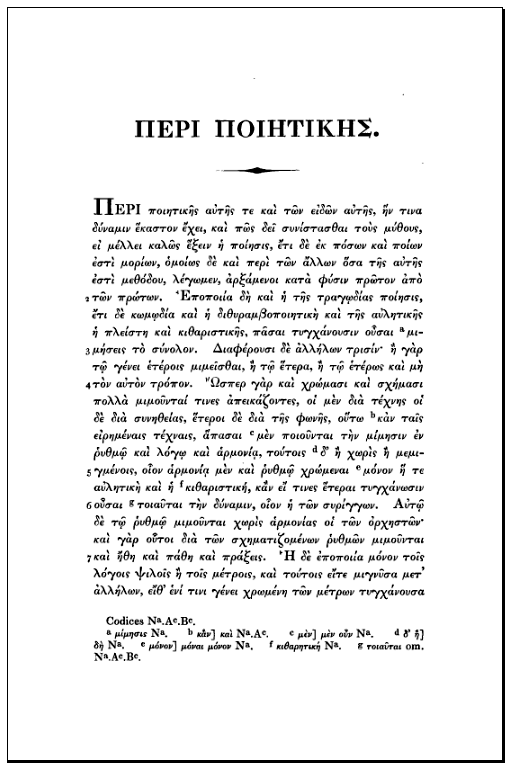
Poetics
Aristotle · c. 335 BCE
 Sculpture
Secondary source
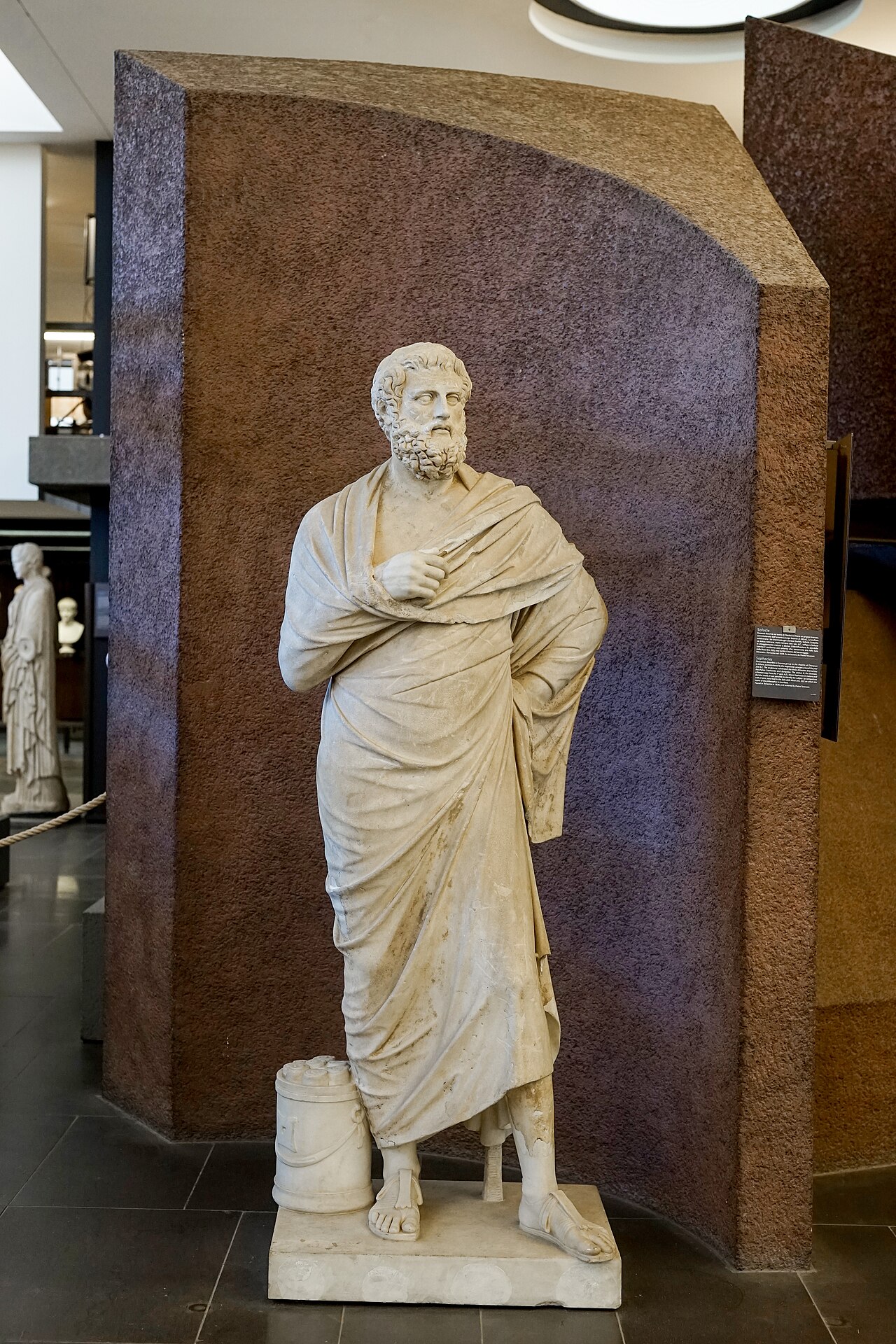
Statue of Sophocles (Lateran type)
Roman copy, 1st century CE, of a Greek original of the 4th century BCE
Ready when you are
Start chatting with Sophocles now.
20 messages free · No credit card · Available in 50+ languages.