


Secondary sourceBook1527 (translation)
Antigone
Sophocles · 1527 (translation)
A play by Sophocles, shown here in an early printed translation that helped bring his tragedies to new audiences long after his lifetime.
This is one of Sophocles' own plays, shown here through an early Renaissance translation that spread his fame in Europe.
About this source
What it is
Antigone is a tragedy written by Sophocles in ancient Greece. The text referenced here includes an early Italian translation from 1527, one of the first vernacular versions of his work, alongside later English translations used in modern study editions.
Why it matters
Antigone deals with conflicts between individual conscience and state law, themes that have kept the play relevant across centuries. Its translation into Italian during the Renaissance shows how Sophocles' works were rediscovered and valued by scholars long after ancient Greece, spreading his influence through Europe.
Look closer
- Why might a play written over two thousand years ago still be translated and performed today?
- What might change, and what might stay the same, when a Greek tragedy is translated into another language?
- What does the survival of multiple translations tell us about how important this play has been to different cultures?
This book is part of the curated material that grounds the AI version of Sophocles on Humy.ai — when students ask about related events, the AI can quote it and cite it.
More Sophocles sources
Meet the AI Sophocles →Primary source
Oedipus Rex
Sophocles · c. 429 BCE
Primary source
Antigone
Sophocles · c. 441 BCE
Primary source
Oedipus at Colonus
Sophocles · written shortly before 406 BCE; first performed 401 BCE
 Book
Secondary source
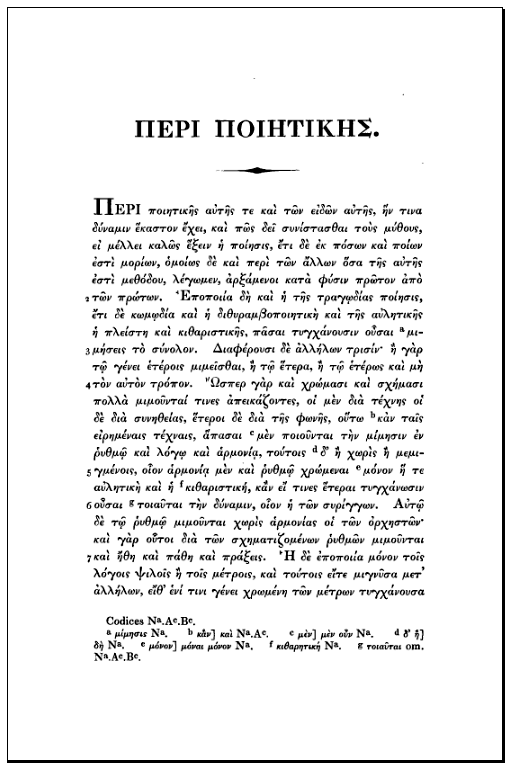
Poetics
Aristotle · c. 335 BCE
 Sculpture
Secondary source
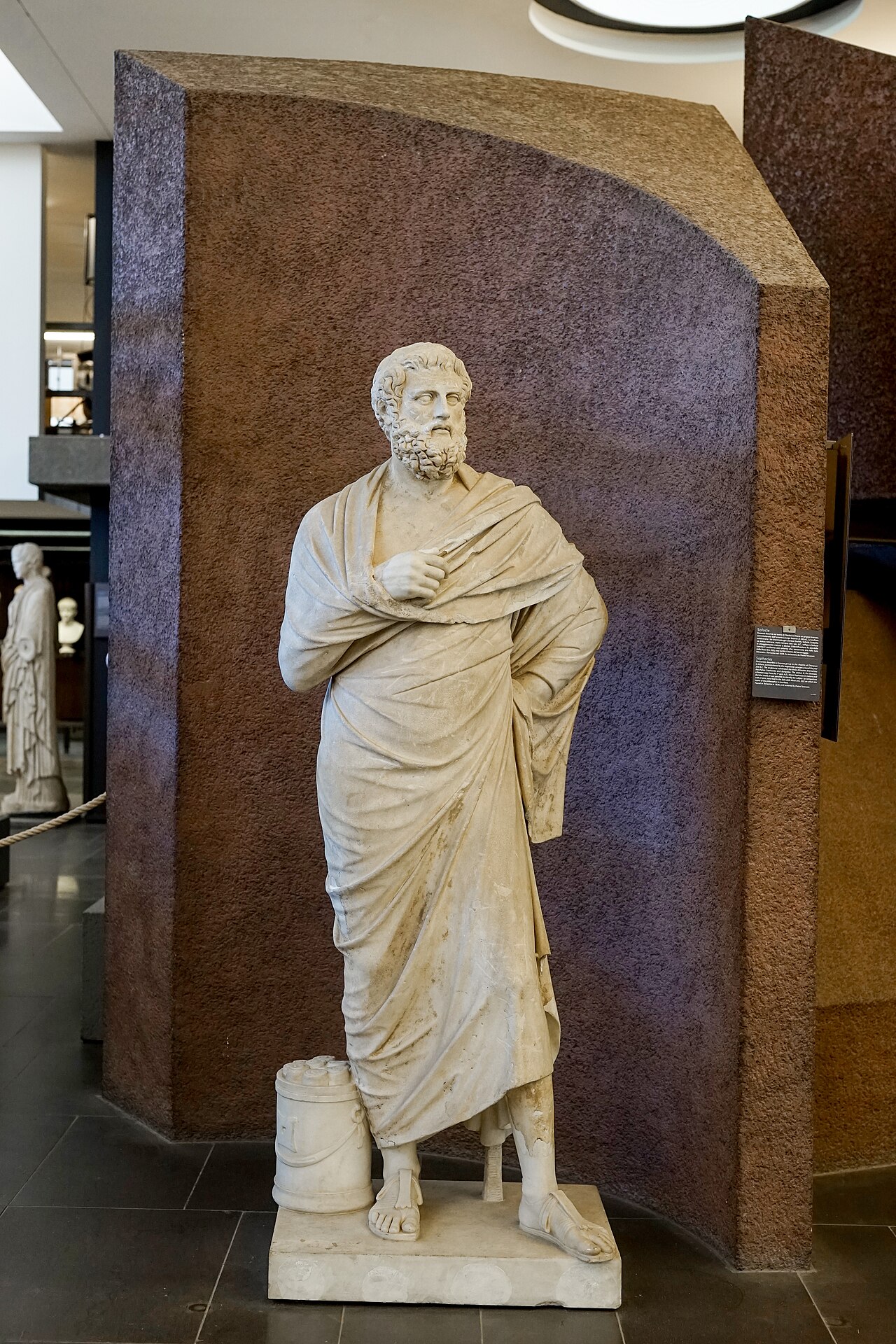
Statue of Sophocles (Lateran type)
Roman copy, 1st century CE, of a Greek original of the 4th century BCE
Ready when you are
Start chatting with Sophocles now.
20 messages free · No credit card · Available in 50+ languages.