


Secondary sourceBook1912 (edition)
Antigone (Greek text, Chrestomanos edition)
Sophocles; translated by Konstantinos Chrestomanos · 1912 (edition)
A modern Greek edition of Sophocles' tragedy Antigone, about Oedipus' daughter and her defiance of King Creon.
This edition presents Sophocles' tragedy Antigone, one of his most enduring surviving works.
About this source
What it is
This is an edition of Sophocles' tragedy Antigone in Greek, translated into modern Greek by Konstantinos Chrestomanos and published in Athens in 1912 by Georgios Fexis.
Why it matters
Antigone is one of Sophocles' most famous surviving plays, telling of Antigone's decision to bury her brother Polynices against the order of King Creon. The play has been studied for centuries as an exploration of law, duty, and conscience, and this edition shows how later generations of Greek readers kept returning to Sophocles' work.
Look closer
- Based on the summary given, why might Antigone's choice have been seen as both heroic and dangerous?
- Why do you think this ancient play was being republished for modern Greek readers in the early 1900s?
- What does the conflict between Antigone and Creon suggest about ideas of duty in ancient Greek society?
This book is part of the curated material that grounds the AI version of Sophocles on Humy.ai — when students ask about related events, the AI can quote it and cite it.
More Sophocles sources
Meet the AI Sophocles →Primary source
Oedipus Rex
Sophocles · c. 429 BCE
Primary source
Antigone
Sophocles · c. 441 BCE
Primary source
Oedipus at Colonus
Sophocles · written shortly before 406 BCE; first performed 401 BCE
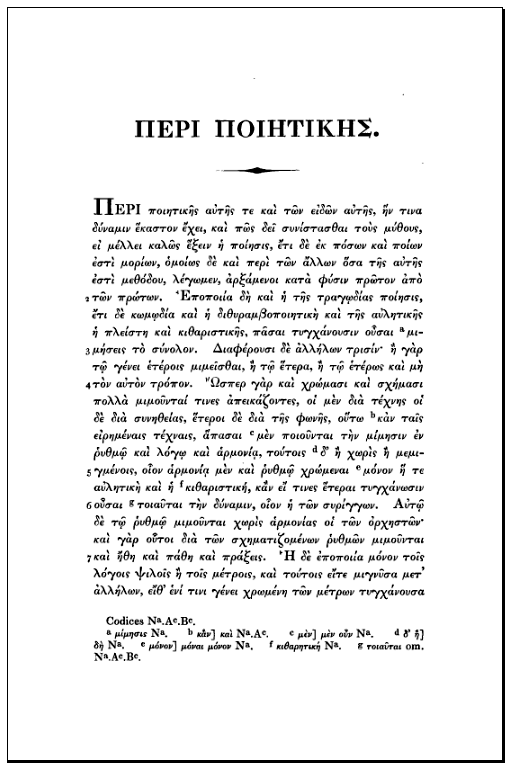 Book
Secondary source
Poetics
Aristotle · c. 335 BCE
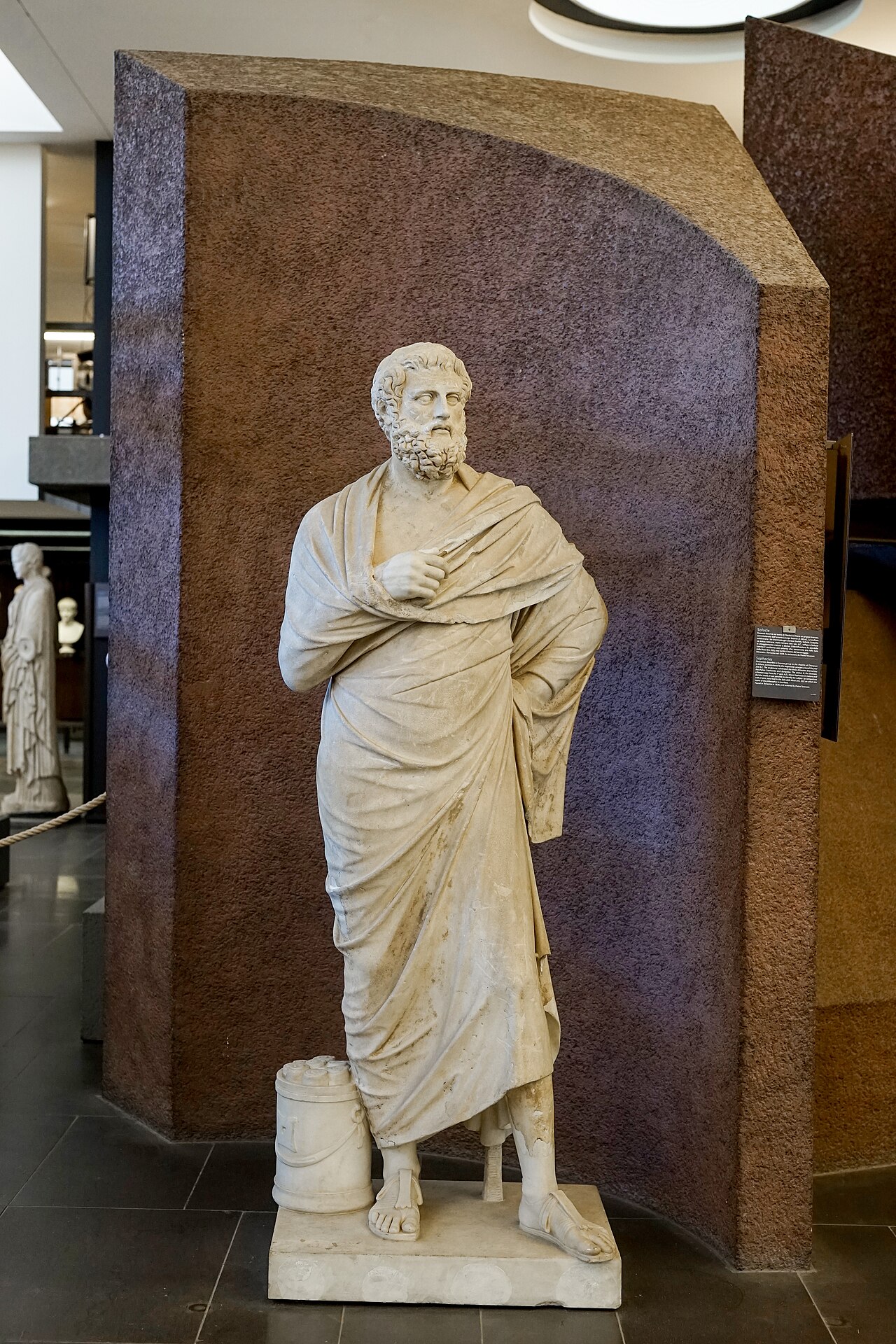 Sculpture
Secondary source
Statue of Sophocles (Lateran type)
Roman copy, 1st century CE, of a Greek original of the 4th century BCE
Ready when you are
Start chatting with Sophocles now.
20 messages free · No credit card · Available in 50+ languages.