


Primary sourceArtifact
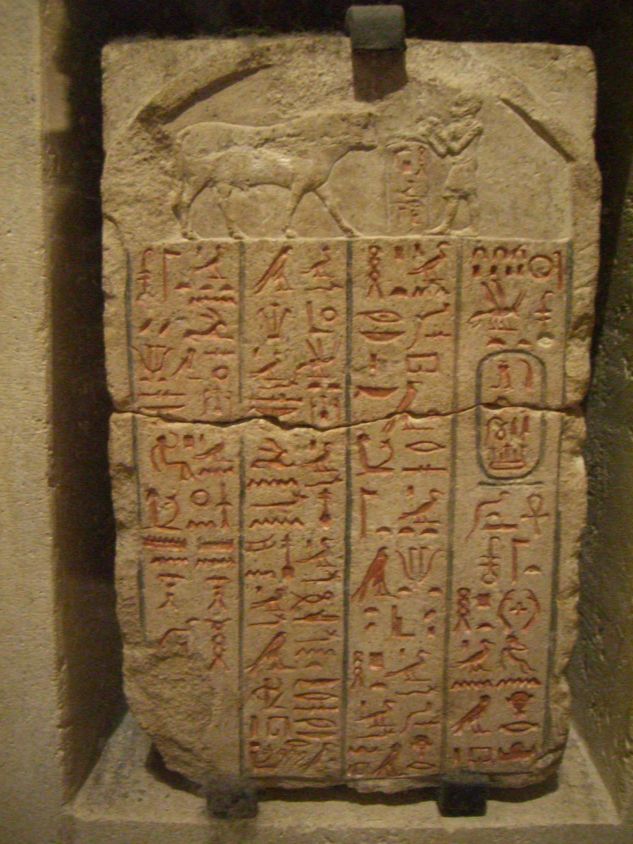
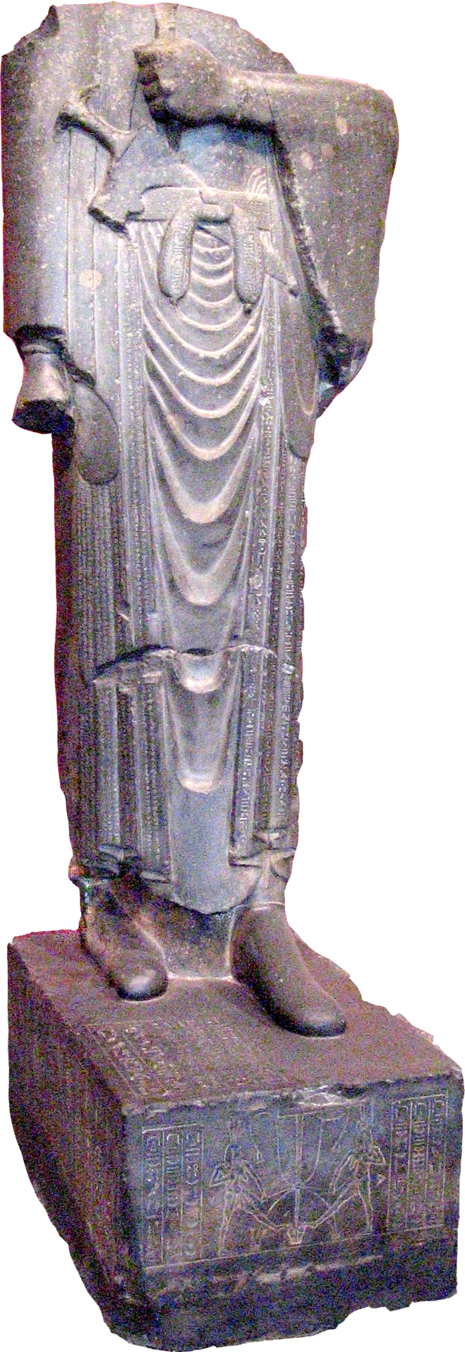
Apis Stele from the Reign of Darius I
An Egyptian limestone stele dated to Darius I's reign, found at Saqqara, showing the sacred Apis bull.
This stele is dated to Darius I's reign and shows his rule over Egypt continuing local religious traditions.
About this source
What it is
This is a limestone stele carved with a relief of the Apis bull, a sacred animal in Egyptian religion, above columns of hieroglyphic text. It was found at Saqqara and dates to the reign of Darius I. It is now held in the Louvre Museum.
Why it matters
Darius I ruled Egypt as part of his empire, and this stele shows how Persian rule continued to respect and support Egyptian religious traditions, including the burial of sacred Apis bulls. It is evidence of how Darius governed a culturally different province while allowing local customs to continue.
Look closer
- Why might a Persian king allow or even support Egyptian religious practices like the Apis cult?
- What does the hieroglyphic text, which we cannot read in translation here, likely say?
- What does this stele suggest about how large empires manage different cultures and religions?
This artifact is part of the curated material that grounds the AI version of Darius the Great on Humy.ai — when students ask about related events, the AI can quote it and cite it.
More Darius the Great sources
Meet the AI Darius the Great →

Ready when you are
Start chatting with Darius the Great now.
20 messages free · No credit card · Available in 50+ languages.