


Secondary sourcePainting
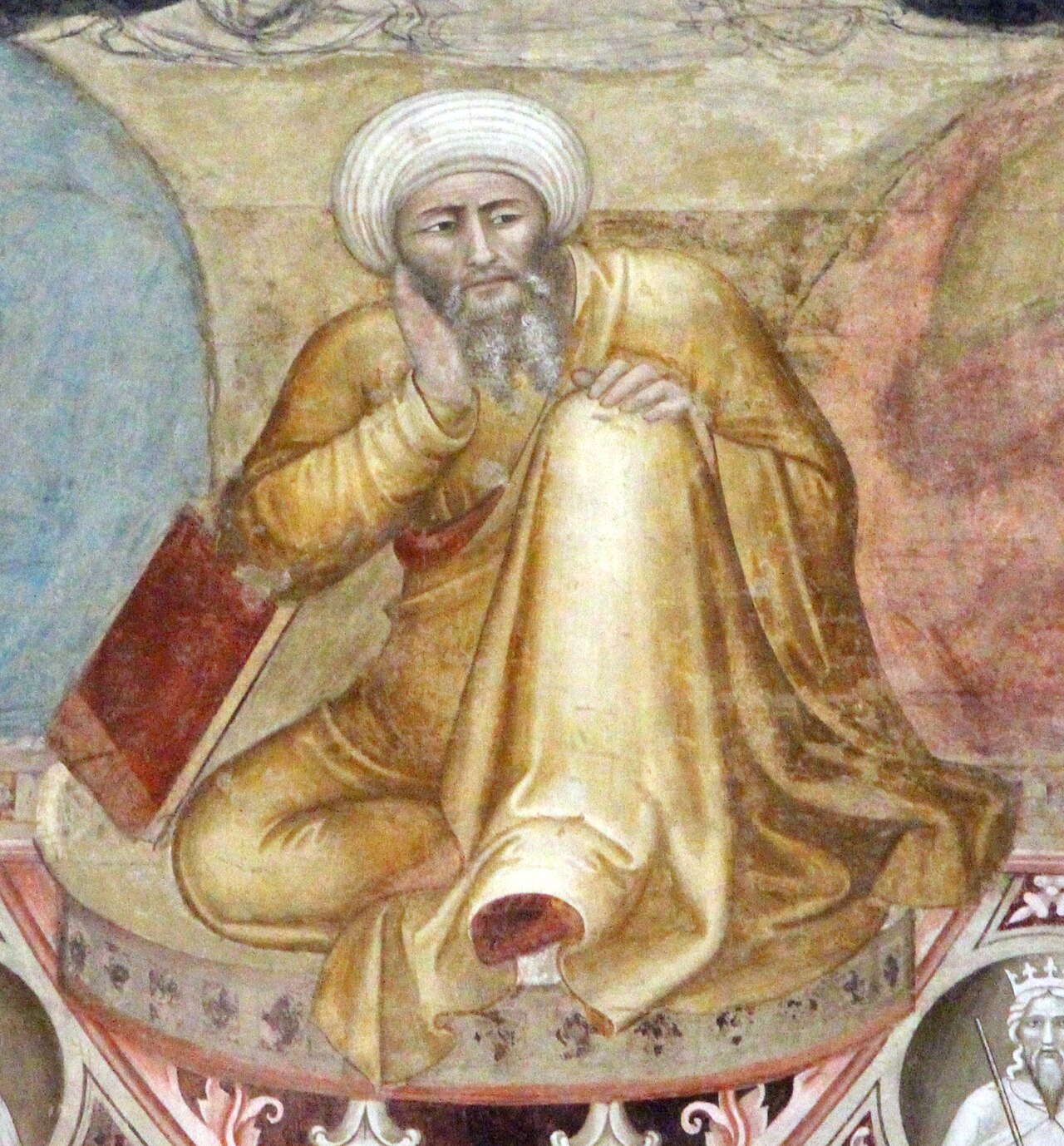
Apoteosi di San Tommaso d'Aquino (Averroè)
Andrea di Bonaiuto
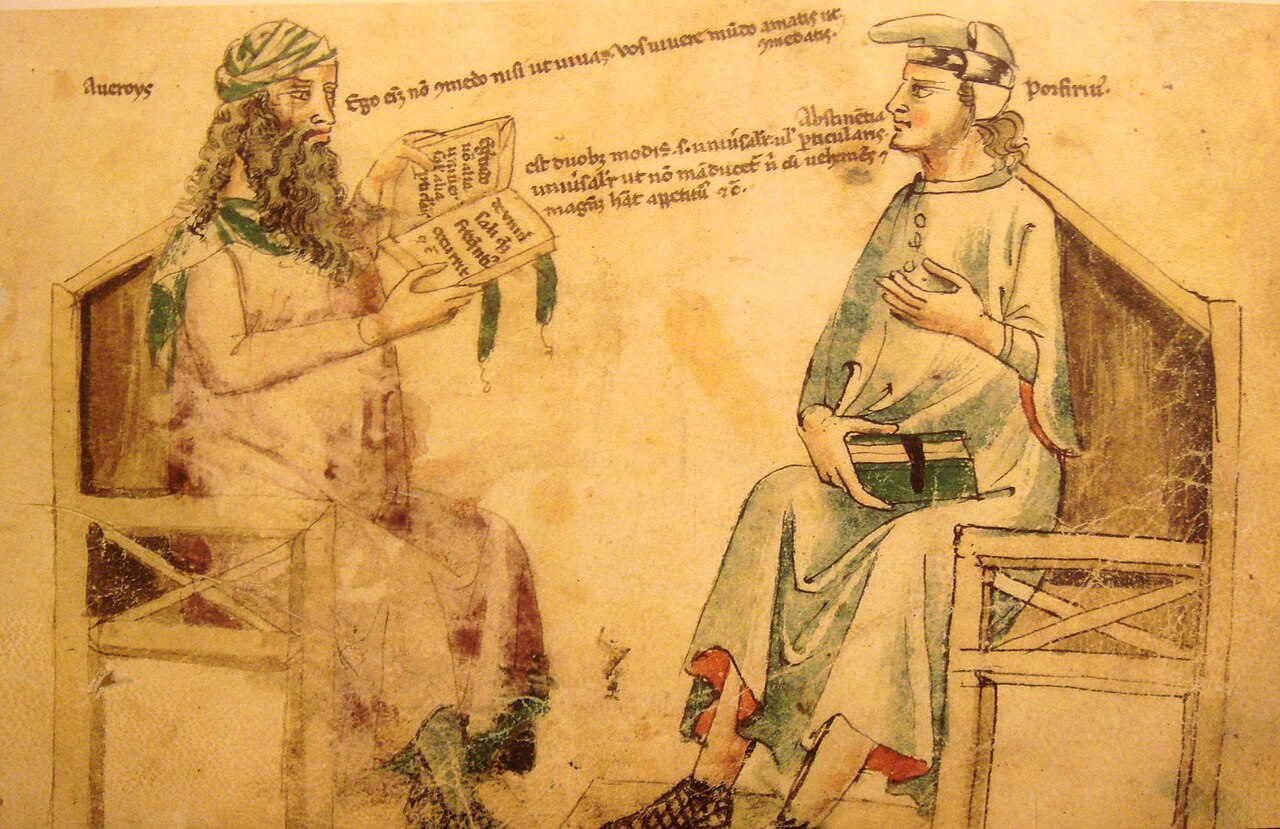
A detail from a fresco by Andrea di Bonaiuto showing Averroes depicted beneath the enthroned Thomas Aquinas.
This fresco depicts Averroes defeated beneath Aquinas, showing how Christian theology positioned itself against his teachings.
About this source
What it is
This is a detail of a fresco by Andrea di Bonaiuto in the Spanish Chapel of Santa Maria Novella in Florence, part of a larger scene celebrating the triumph of Thomas Aquinas. It shows a seated bearded man in a turban, understood to represent Averroes, holding a book and resting his head on his hand beneath the enthroned Aquinas.
Why it matters
The image reflects how Christian theologians of the later Middle Ages, like Aquinas, saw themselves as overcoming Averroes' philosophical interpretations. It shows how Averroes was remembered in Christian Europe not just as a scholar but as a symbol of philosophical error to be defeated by Christian doctrine.
Look closer
- What does Averroes' posture and position beneath Aquinas suggest about how the painter wanted viewers to see him?
- Why might an artist use a turban to identify someone as Averroes?
- What does this image tell you about the relationship between Christian and Islamic philosophy in medieval Europe?
This painting is part of the curated material that grounds the AI version of Averroes on Humy.ai — when students ask about related events, the AI can quote it and cite it.
More Averroes sources
Browse all 70 →Primary source
On the Harmony of Religions and Philosophy
Averroes · c. 1178-1179
 Painting
Secondary source
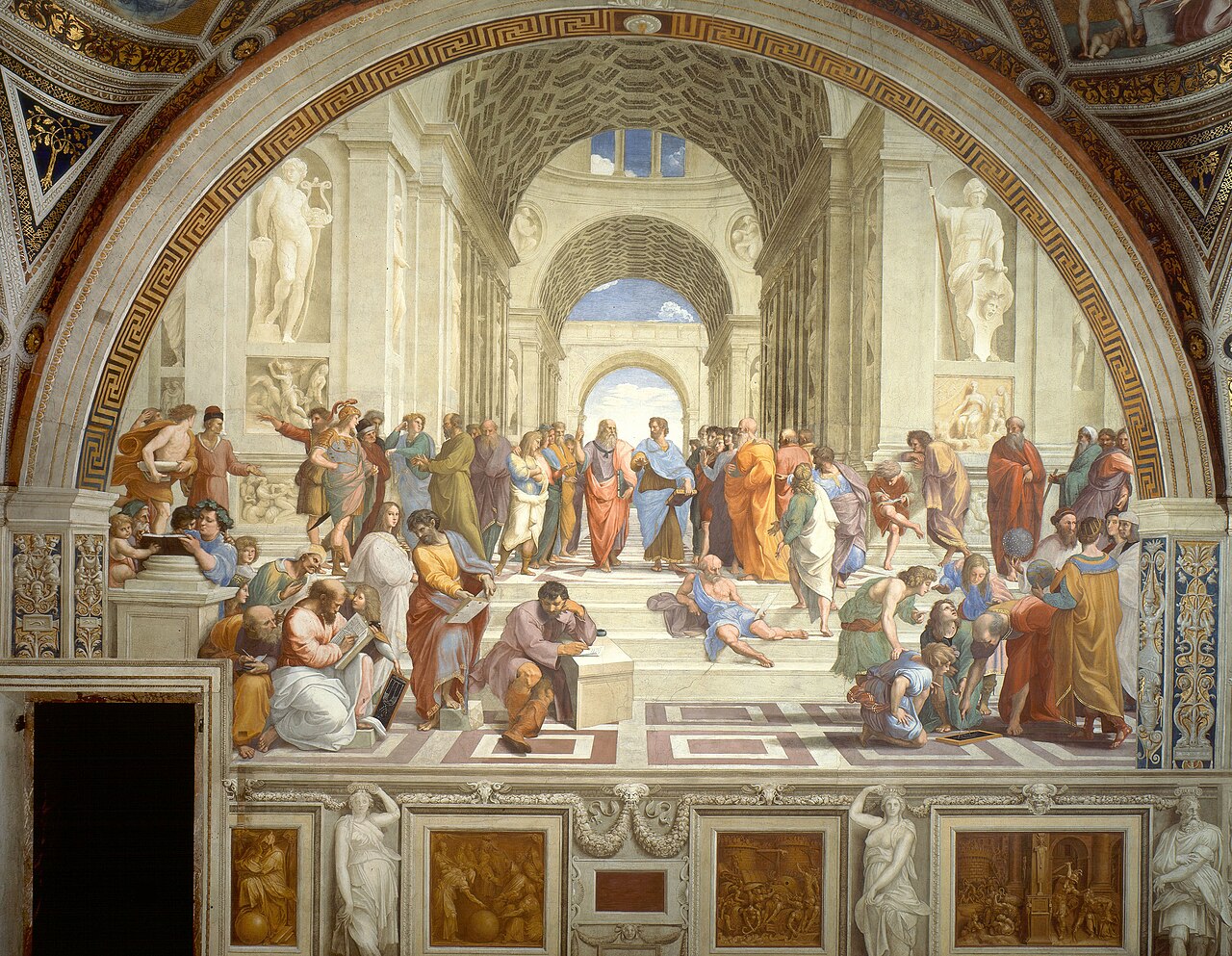
The School of Athens
Raphael · 1509-1511
 Document
Primary source
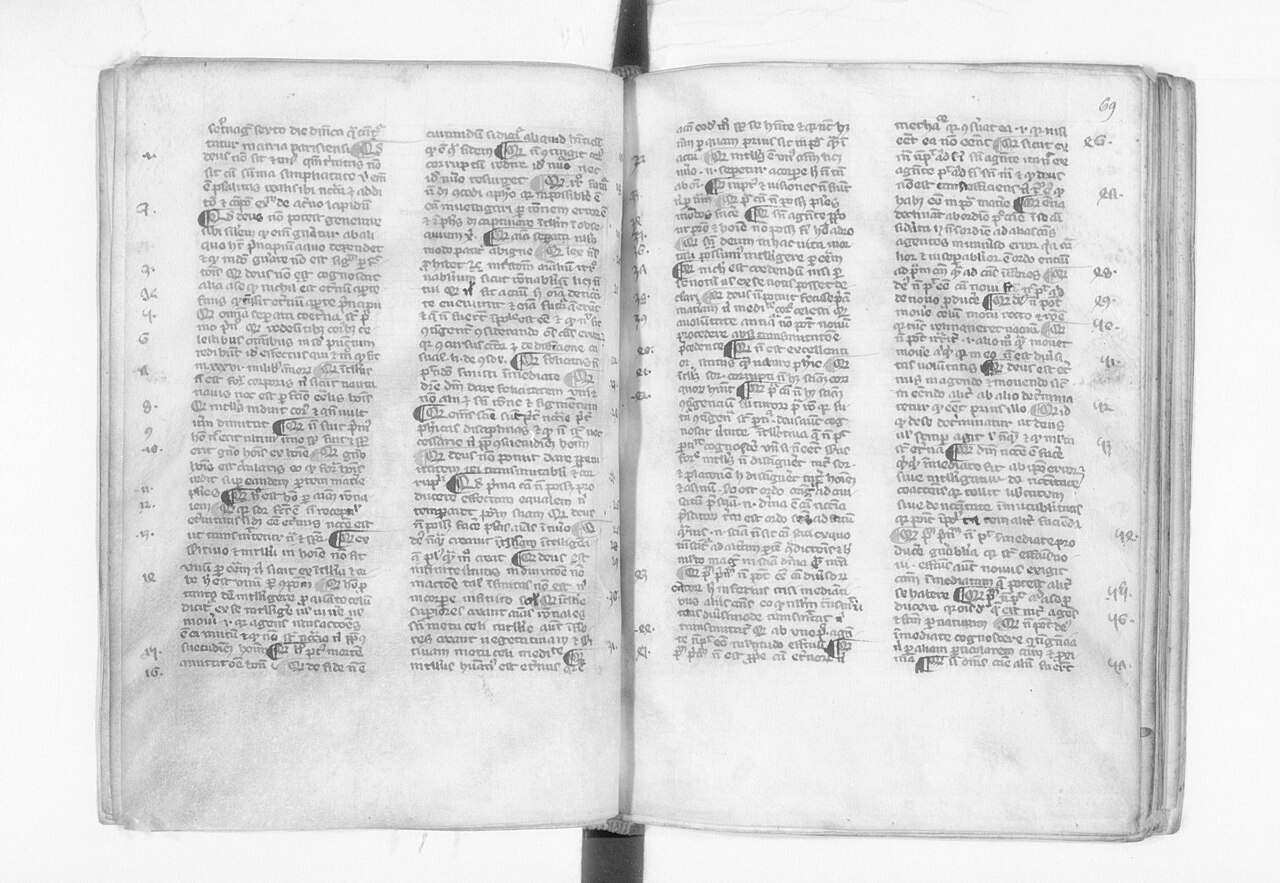
Condemnations of 1210–1277
1210–1277
 Painting
Secondary source
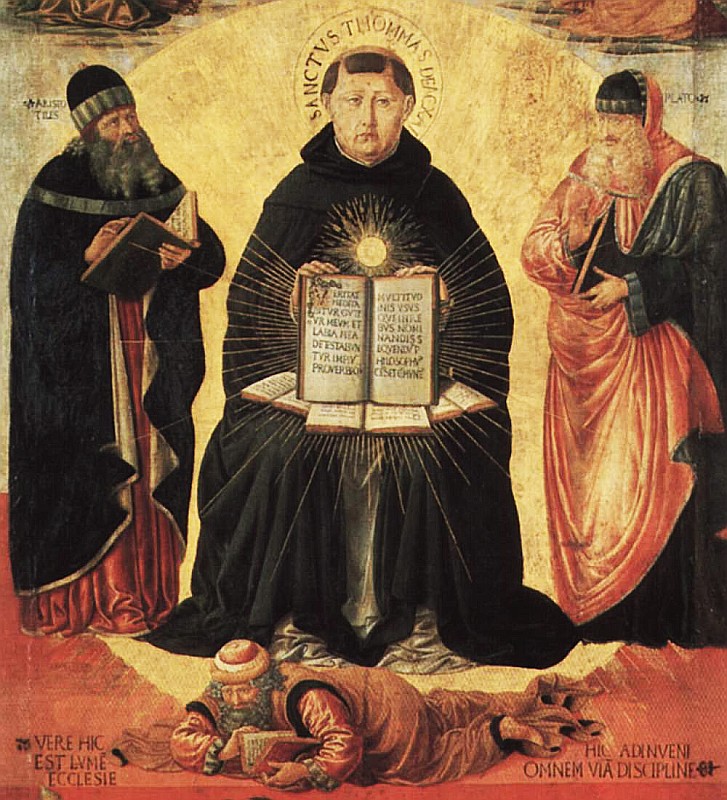
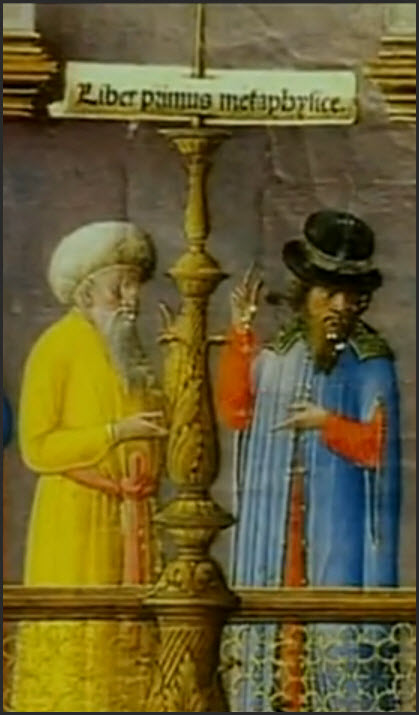
Triumph of St Thomas Aquinas
Benozzo Gozzoli · c. 1471
Free account
Read every Averroes source
Sign up free →
Ready when you are
Start chatting with Averroes now.
20 messages free · No credit card · Available in 50+ languages.