


Primary sourceBookc. 1178-1179
On the Harmony of Religions and Philosophy
Averroes · c. 1178-1179
A treatise by Averroes arguing that Islamic law permits and even requires qualified scholars to study philosophy.
This is Averroes' own legal-philosophical argument defending the study of philosophy within Islam.
Free Humy account · No credit card · 120,912 sources to read
About this source
What it is
This is a philosophical and legal treatise, written as a kind of fatwa, by the Andalusian Muslim philosopher Ibn Rushd (Averroes) around 1178-1179. In it he argues whether studying philosophy and the sciences is permitted, dangerous, or even obligatory under Islamic law.
Why it matters
Averroes concludes that philosophy does not contradict religion and that scripture can sometimes be read allegorically when it seems to clash with logical demonstration. The work shows how a Muslim scholar in medieval Spain tried to defend the use of Greek philosophy, especially Aristotle, within Islamic thought, a debate that shaped both Islamic and later European philosophy.
Look closer
- Why might Averroes present his argument in the form of a legal ruling rather than a simple essay?
- What does his method of reading scripture allegorically tell you about how he balanced faith and reason?
- Who might have opposed these ideas, and why?
This book is part of the curated material that grounds the AI version of Averroes and Al-Ghazali on Humy.ai — when students ask about related events, the AI can quote it and cite it.
More Averroes sources
Browse all 70 →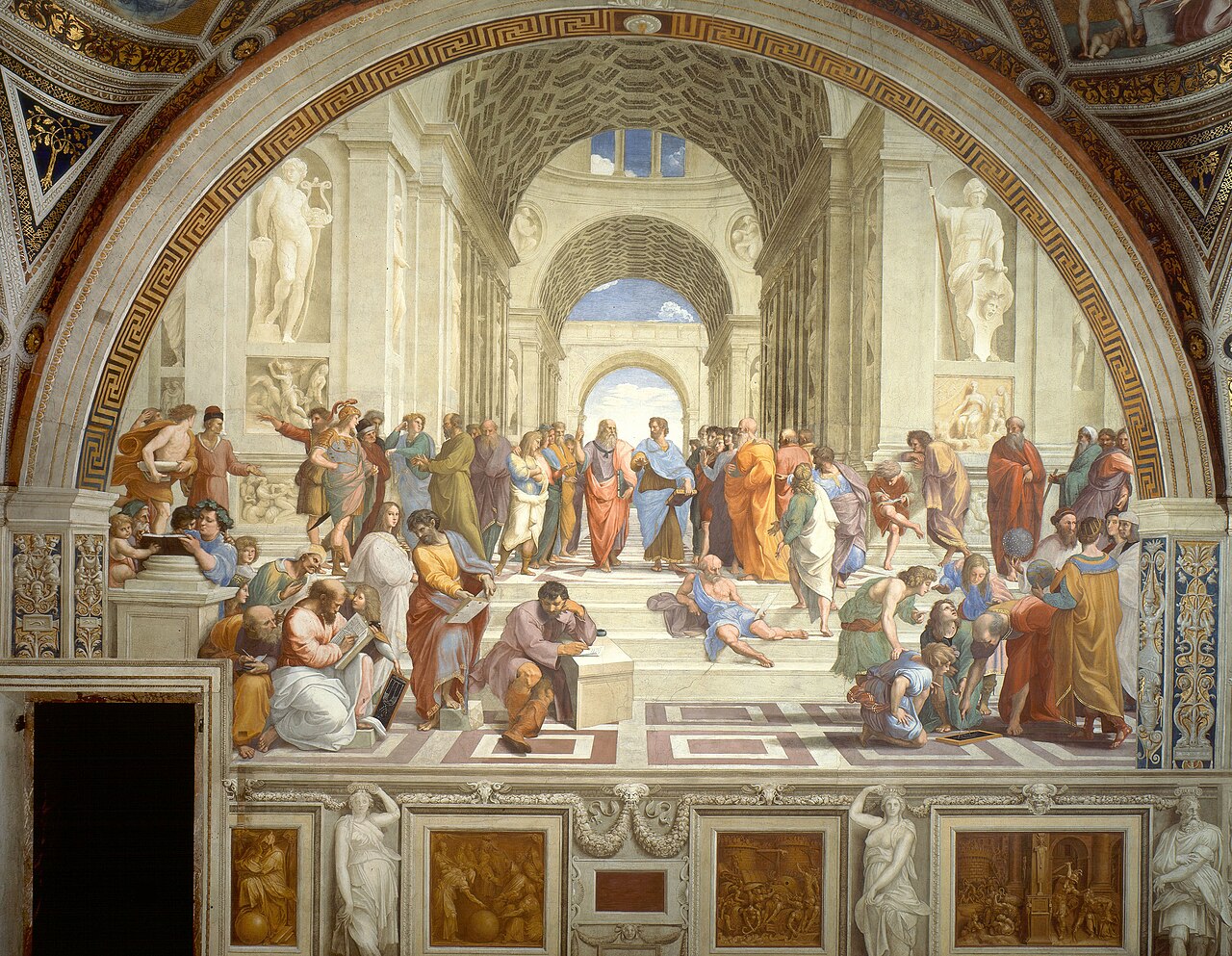 Painting
Secondary source
The School of Athens
Raphael · 1509-1511
 Document
Primary source
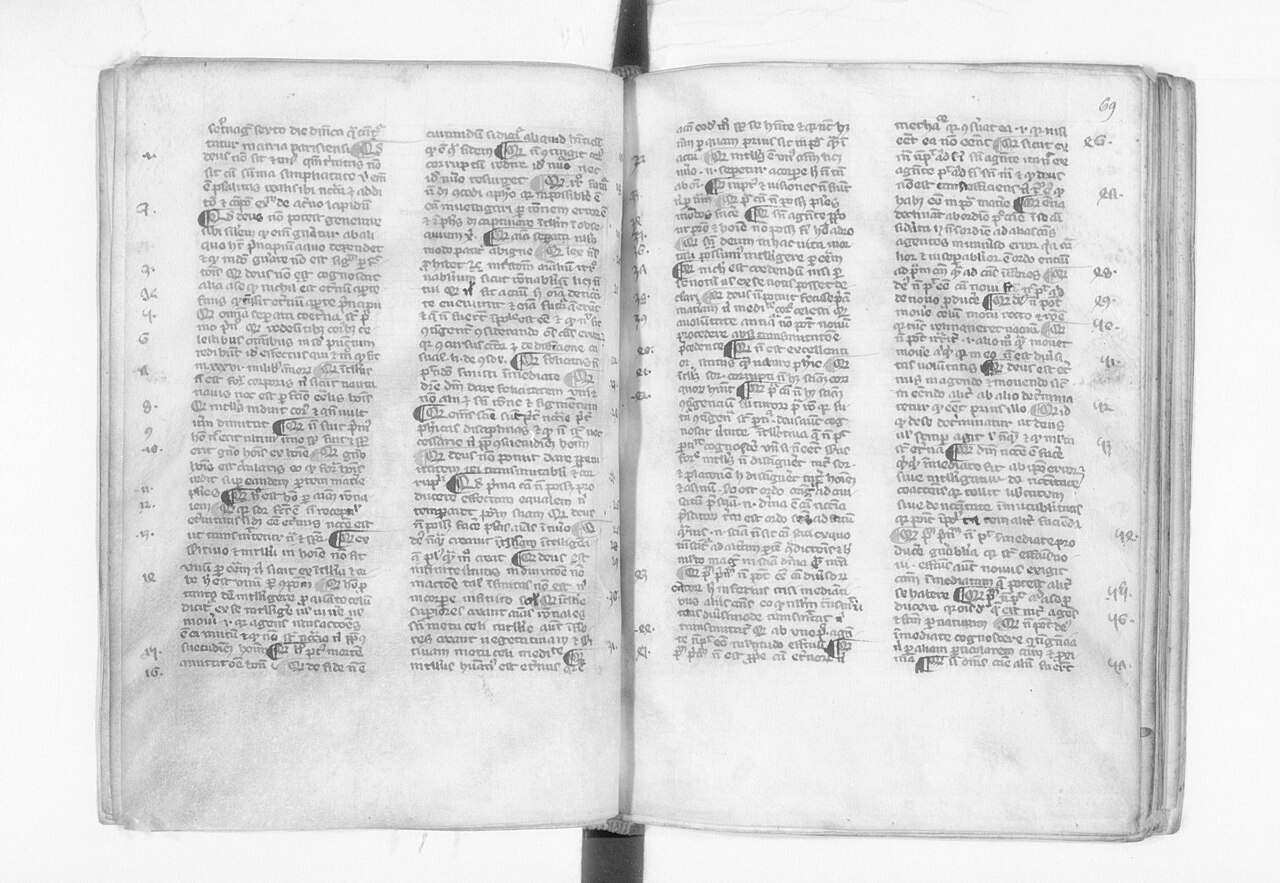
Condemnations of 1210–1277
1210–1277
 Painting
Secondary source
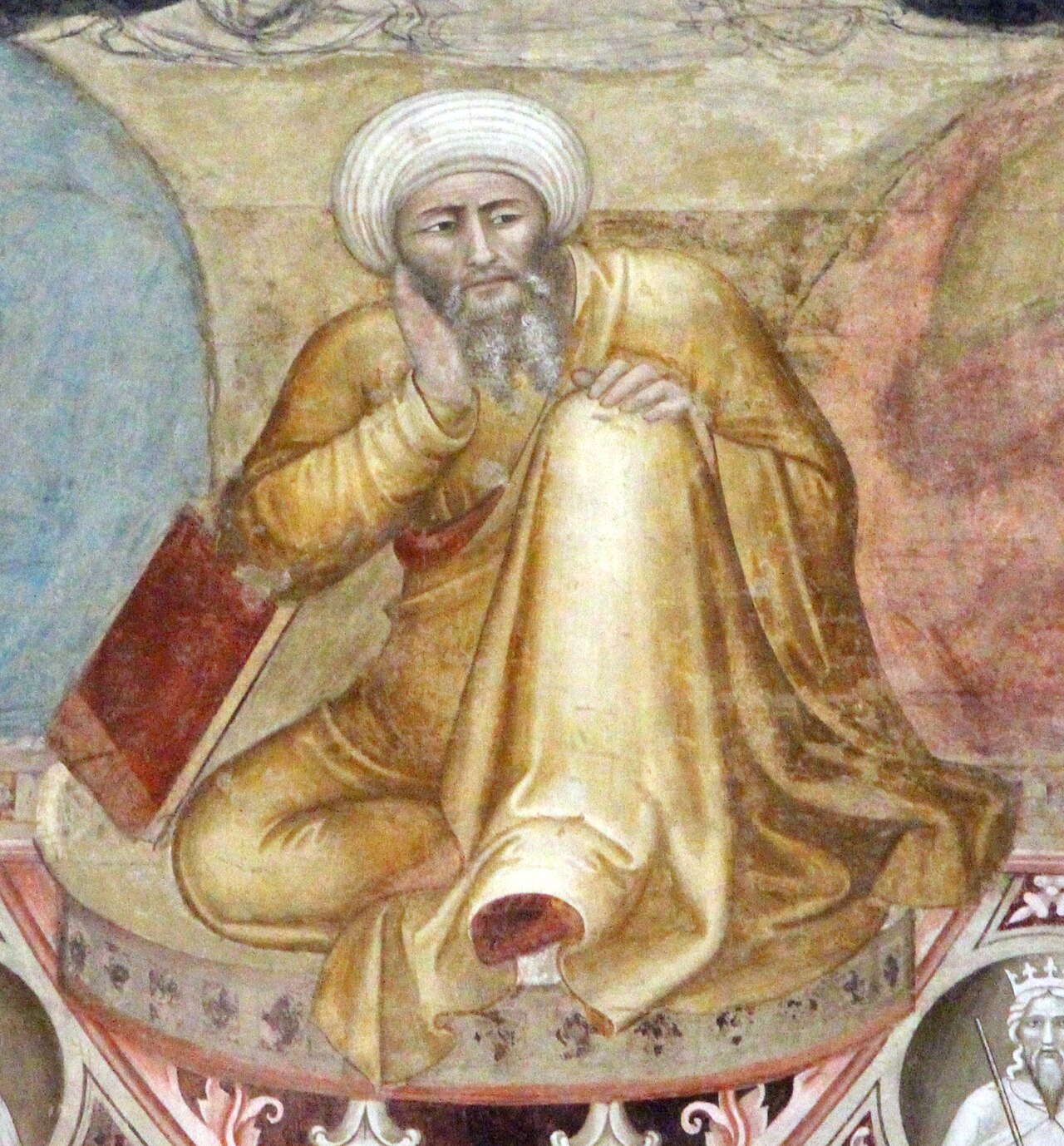
Apoteosi di San Tommaso d'Aquino (Averroè)
Andrea di Bonaiuto
 Painting
Secondary source
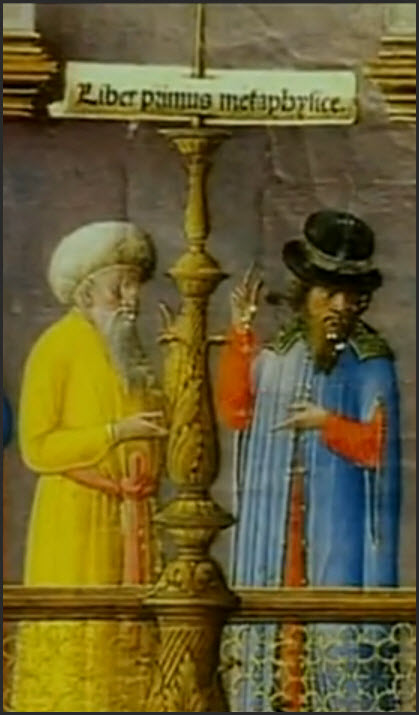
Triumph of St Thomas Aquinas
Benozzo Gozzoli · c. 1471

Free account
Read every Averroes source
Sign up free →
Ready when you are
Start chatting with Averroes now.
20 messages free · No credit card · Available in 50+ languages.