


Primary sourceBookc. 1 CE
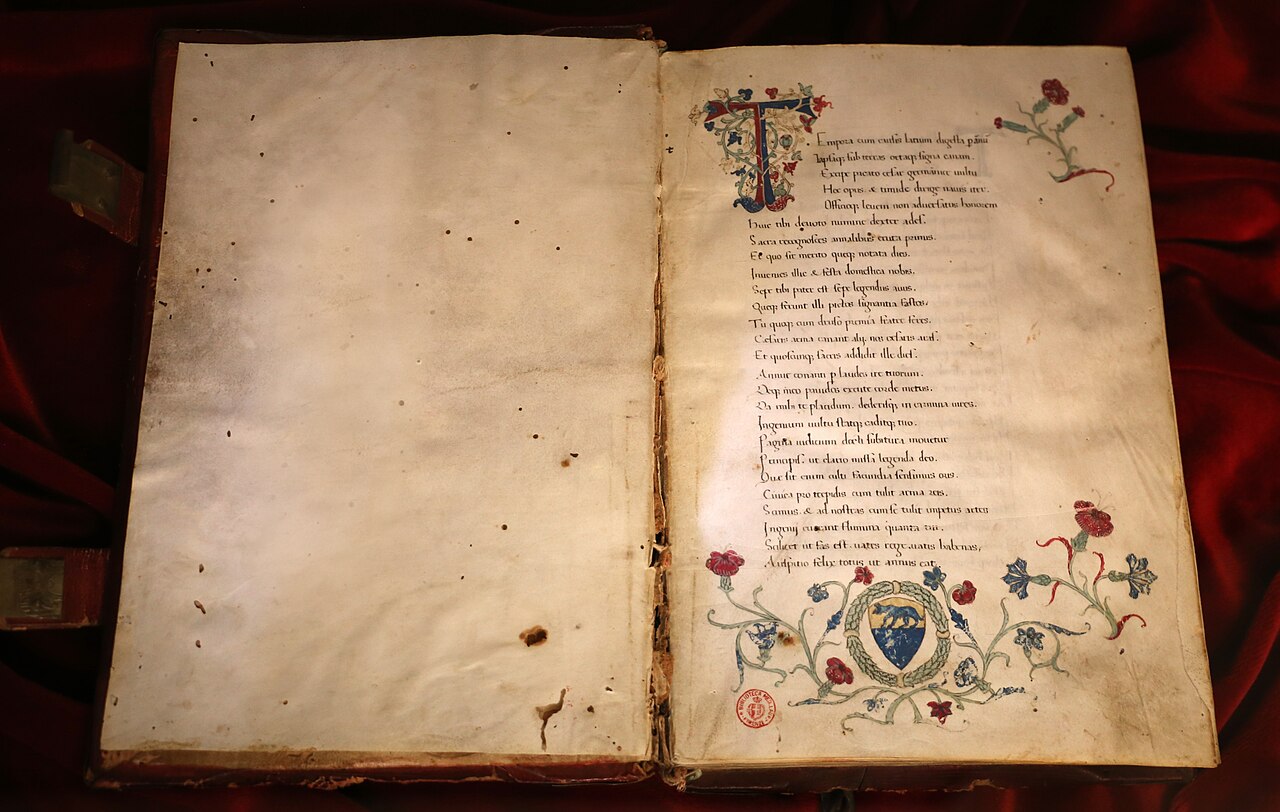
Aratea
Germanicus · c. 1 CE
A Latin poem on astronomy written by Germanicus himself, adapting the Greek poet Aratus's work on the constellations.
Germanicus wrote this poem himself, revealing his identity as a learned poet alongside his military career.
Free Humy account · No credit card · 124,282 sources to read
About this source
What it is
The Aratea is a Latin verse adaptation of the Greek astronomical poem Phaenomena by Aratus. It was written by Germanicus, the Roman general and heir apparent, around AD 1. It is his main surviving literary work.
Why it matters
Germanicus is usually remembered as a soldier and a popular heir to the throne, but this poem shows another side of him: an educated Roman nobleman engaging with Greek learning and astronomy. Works like this were part of how elite Romans displayed culture and connected themselves to Greek literary traditions.
Look closer
- Why might a military and political leader also want to be known as a poet?
- What does translating and adapting a Greek poem into Latin tell us about Roman attitudes toward Greek culture?
- What parts of Germanicus's personality or education does this text reveal that a battle account would not?
This book is part of the curated material that grounds the AI version of Germanicus on Humy.ai — when students ask about related events, the AI can quote it and cite it.
More Germanicus sources
Browse all 87 →

Ready when you are
Start chatting with Germanicus now.
20 messages free · No credit card · Available in 50+ languages.