


Secondary sourceSculpturec. 100 AD
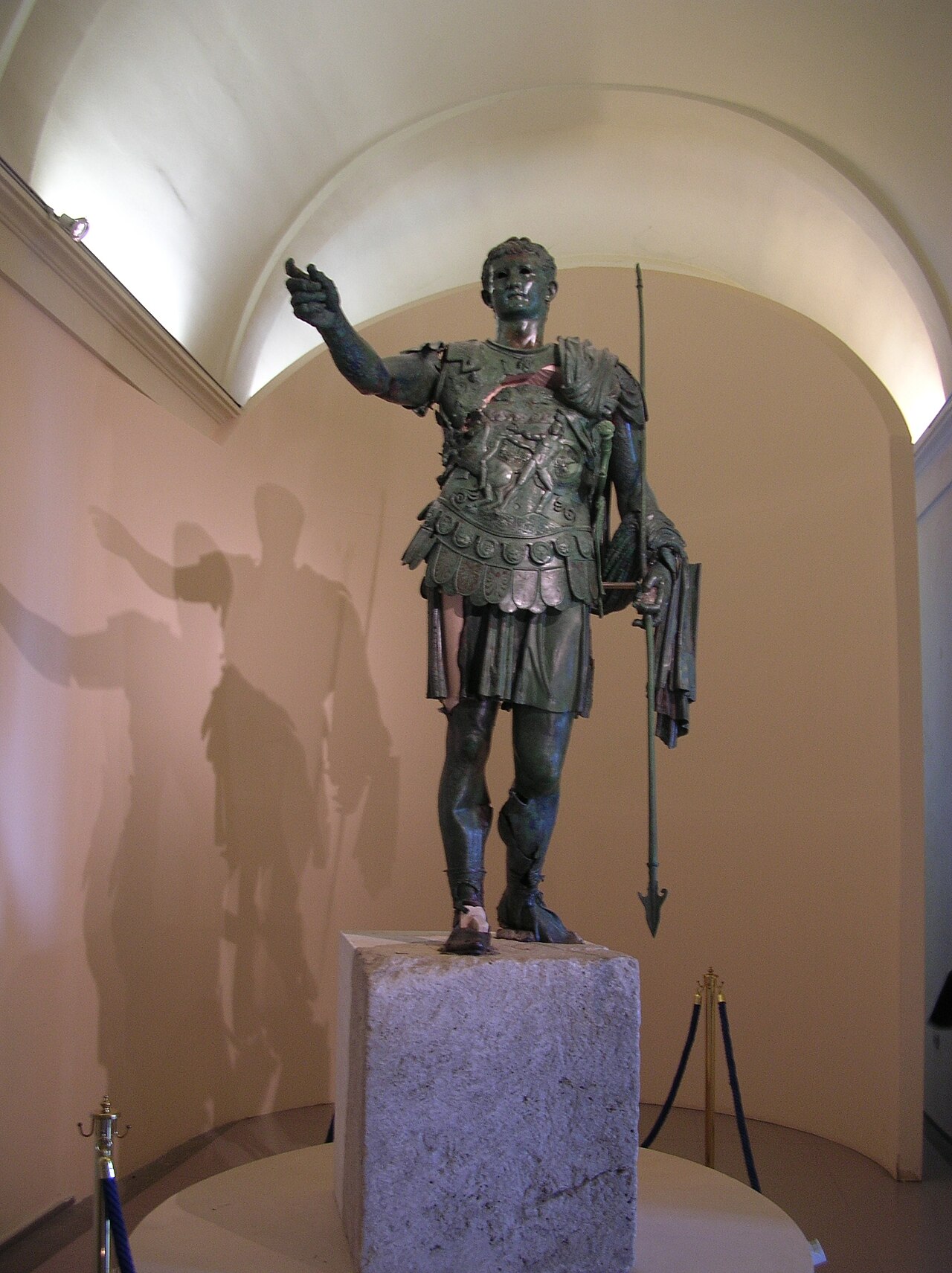
Statue of Germanicus
c. 100 AD
An over-life-size bronze statue from Amelia, Italy, showing Germanicus as a commanding general in military dress.
This bronze statue depicts Germanicus as a general, and was reworked from an earlier statue of his son Caligula.
About this source
What it is
This bronze statue was discovered in fragments in 1963 during excavation work in Amelia, Italy, and later reconstructed. It is now displayed in the archaeological museum there. The portrait features and hairstyle identify the figure as Germanicus, matching a known portrait type linked to the start of his son Caligula's reign.
Why it matters
Bronze portrait statues from this period rarely survive, making this a valuable example of Roman imperial sculpture. The head is actually a replacement: the original is thought to have shown Caligula, whose image was removed and replaced with Germanicus's after Caligula's assassination. This shows how Roman statues could be reused and reworked as politics and memory changed. The decorated armor includes mythological scenes, including Achilles and Troilus, connecting Germanicus's image to heroic Greek legend.
Look closer
- What does the gesture of the raised arm suggest about how Germanicus wanted to be seen?
- Why might a statue of Caligula have been reworked into one of Germanicus after Caligula's death?
- What do the decorations on the armor tell us about Roman ideas of heroism?
This sculpture is part of the curated material that grounds the AI version of Germanicus on Humy.ai — when students ask about related events, the AI can quote it and cite it.
More Germanicus sources
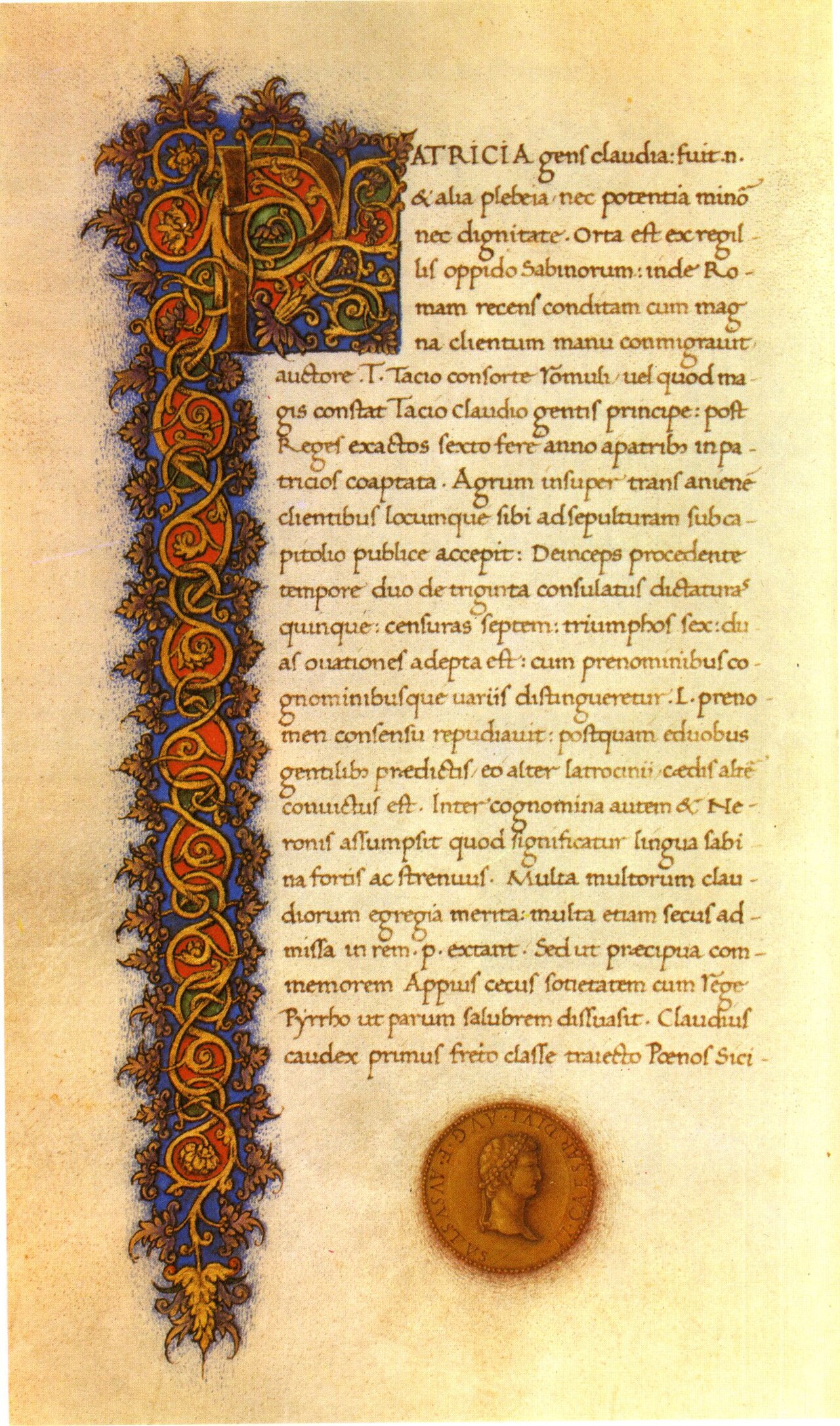
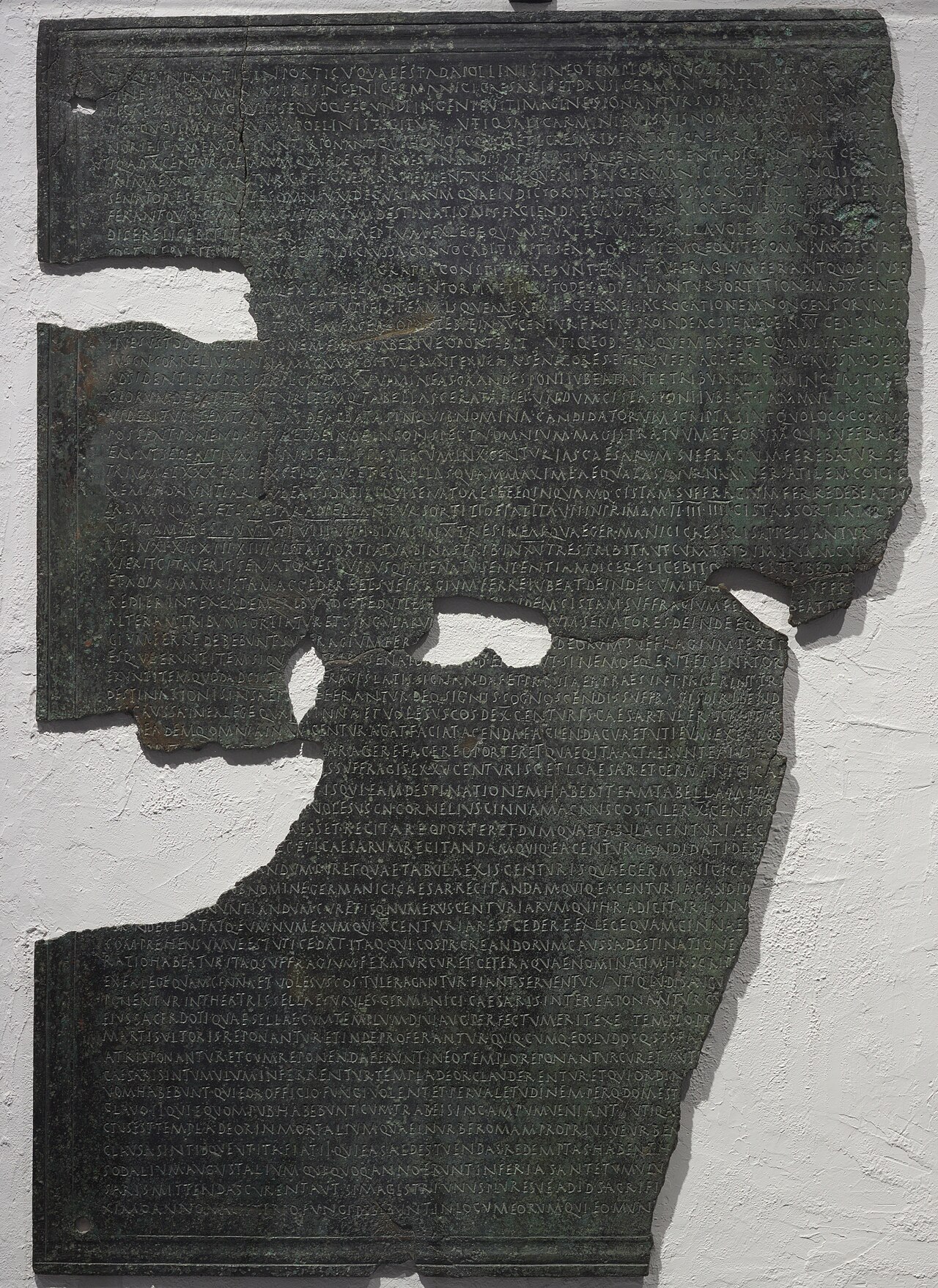
Browse all 87 →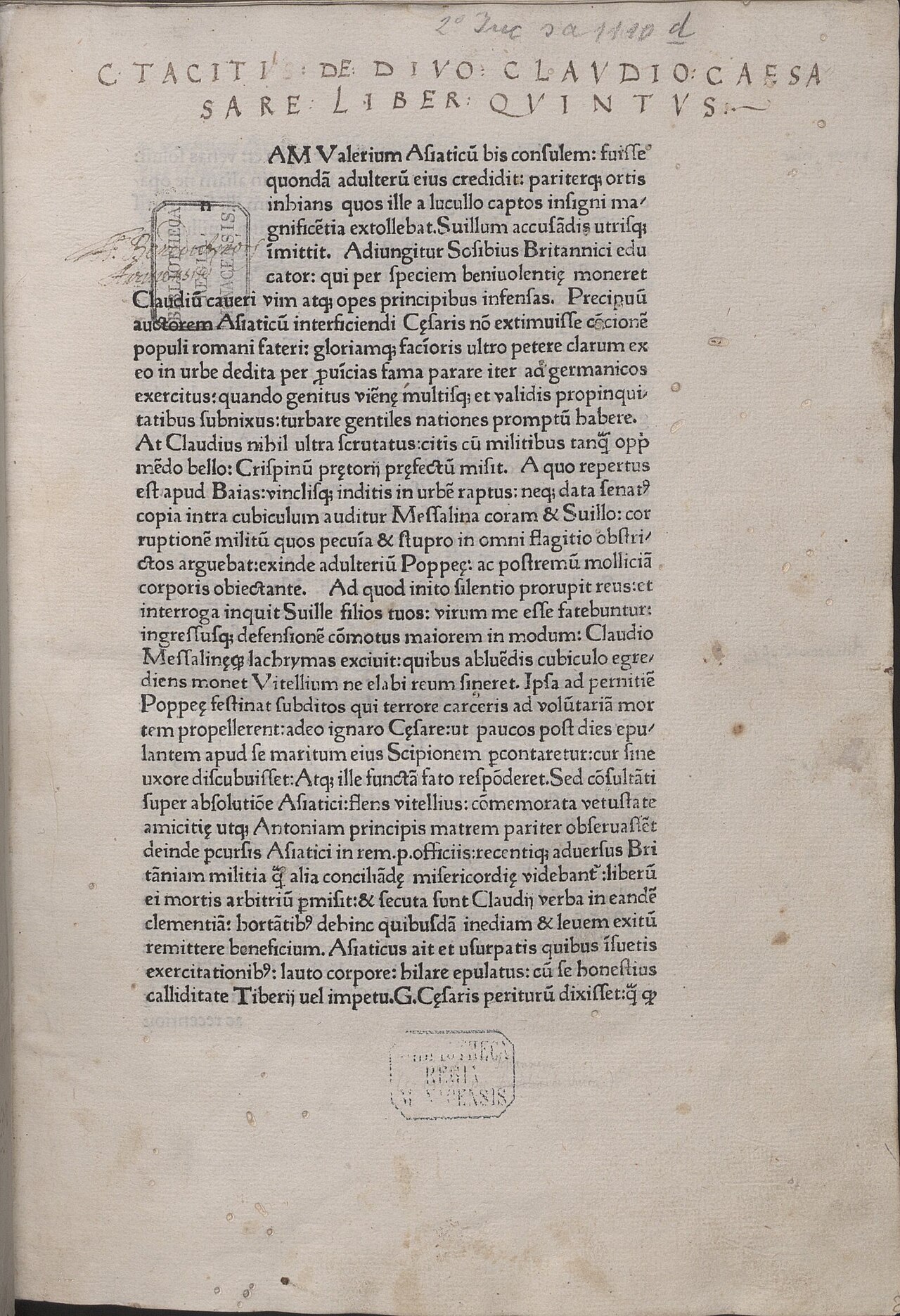
Ready when you are
Start chatting with Germanicus now.
20 messages free · No credit card · Available in 50+ languages.