


Secondary sourcePainting1750-1790
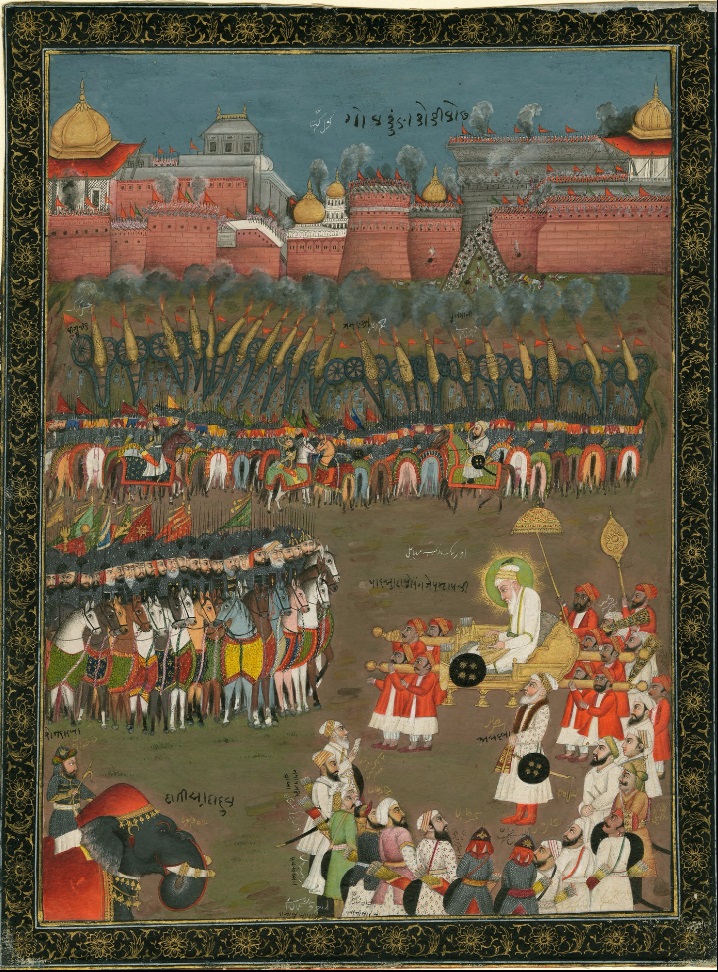
Aurangzeb at the siege of Golconda, 1687
1750-1790
An 18th-century gouache by an unknown Indian artist showing the 1687 siege of Golconda led by Aurangzeb. It was painted decades after the event.
Shows Aurangzeb's siege of Golconda in 1687, painted decades later, as a record of how his military campaigns were remembered.
About this source
What it is
This is a gouache painting by an unknown Indian artist, made in the mid-to-late 18th century, probably between about 1750 and 1790. It shows the siege of Golconda, a city in south-central India, by Aurangzeb, the last great Mughal emperor. The scene shows a red-walled fort with domes and towers behind a dense army of elephants, horsemen and soldiers. In the lower right, a seated ruler under a gold canopy is surrounded by attendants and musicians. A gold-patterned border frames the scene. The painting is held by the World Digital Library.
Why it matters
Golconda was famous for its fort, palaces, factories and water-supply system, as well as the wealth from its diamond mine. The siege was part of Aurangzeb's long campaign to extend Mughal power in the south. Because the painting was made decades after the siege, it shows how later artists remembered the event rather than recording it as it happened.
Look closer
- How does the painter use size and position to show who is in control of the siege?
- What does the painting suggest about the wealth and power of the city being attacked?
- What might a painter decades later have gotten wrong or chosen to leave out?
This painting is part of the curated material that grounds the AI version of Aurangzeb on Humy.ai — when students ask about related events, the AI can quote it and cite it.
More Aurangzeb sources
Meet the AI Aurangzeb →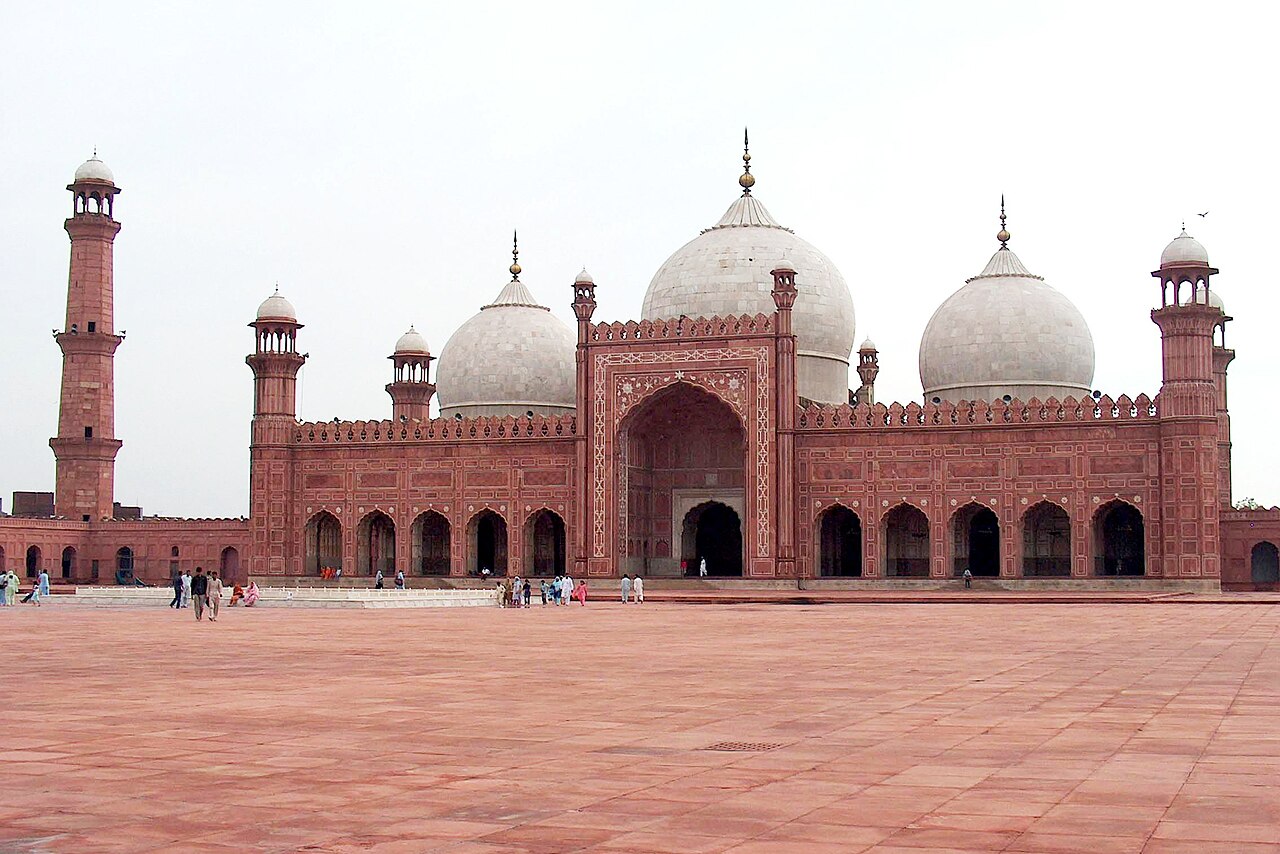 Artifact
Primary source
Badshahi Mosque
1671–1673
 Document
Primary source
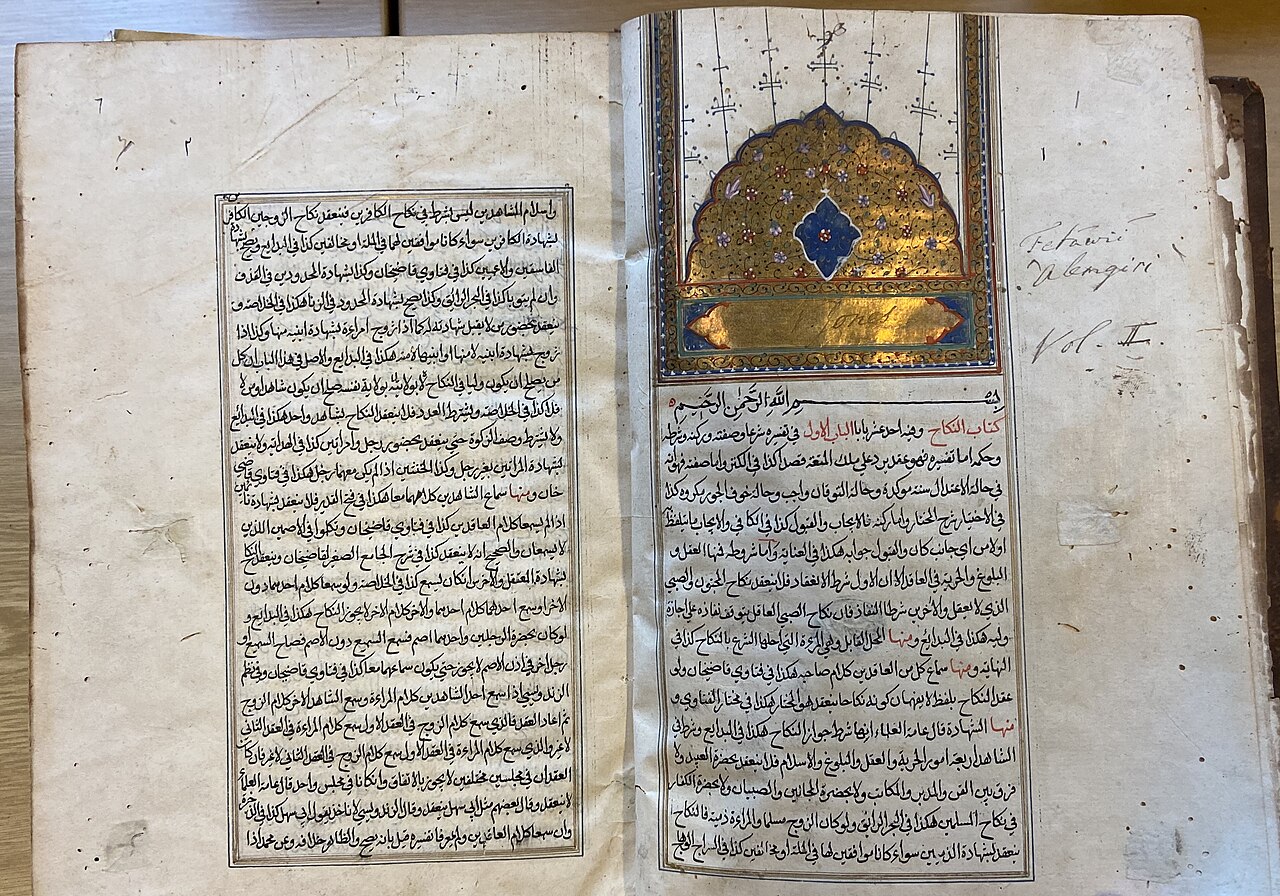
Fatawa-i Alamgiri Manuscript
17th century (this copy later recopied)
 Book
Secondary source
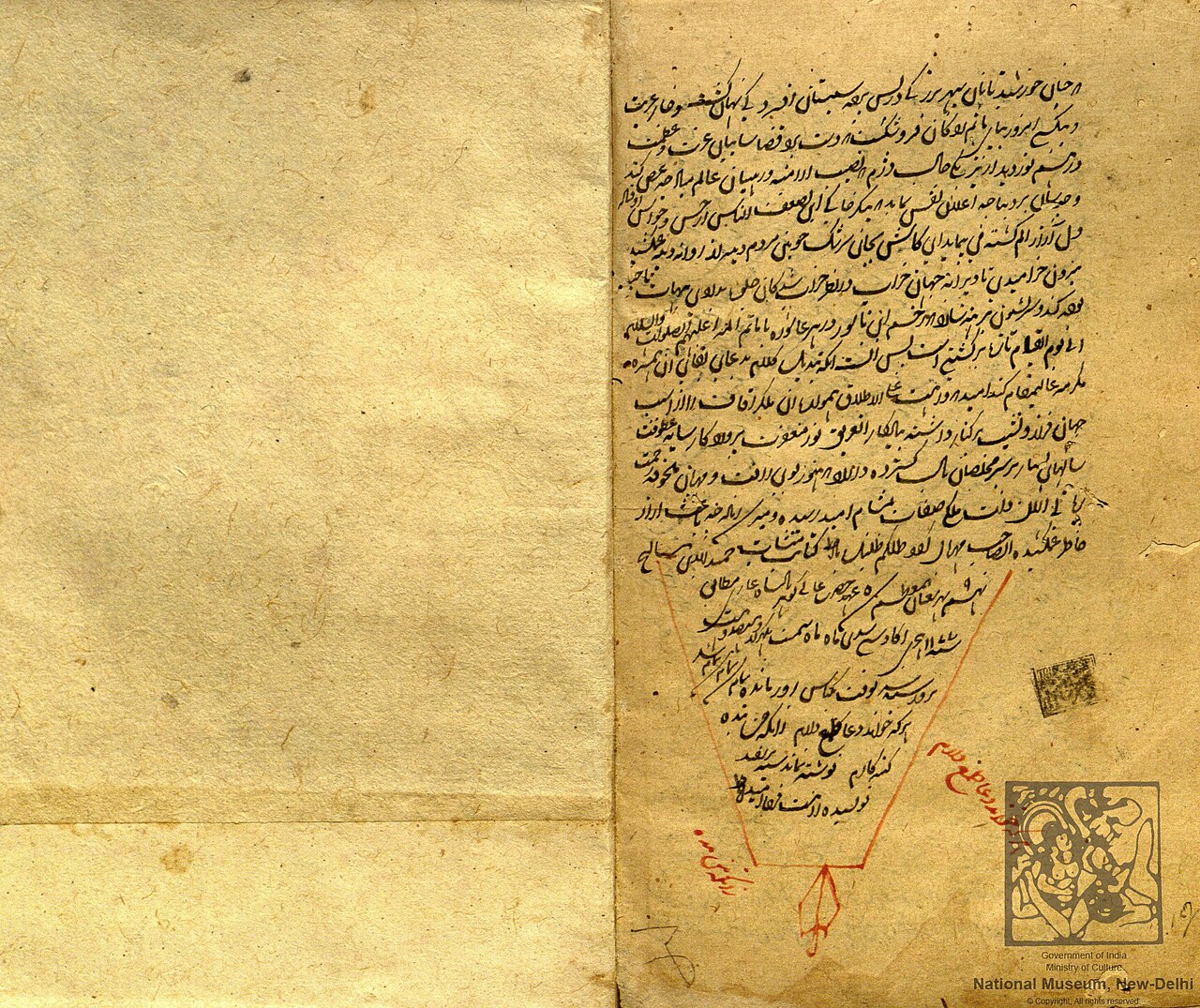
Maasir-i-Alamgiri
Saqi Musta'id Khan · c. 1710 (this copy 1763-1764)
Primary source
Ruka'at-i-Alamgiri
Aurangzeb · 17th century
 Letter
Primary source
Zafarnamah
Guru Gobind Singh · 1705
Ready when you are
Start chatting with Aurangzeb now.
20 messages free · No credit card · Available in 50+ languages.