


Primary sourcePainting17th century
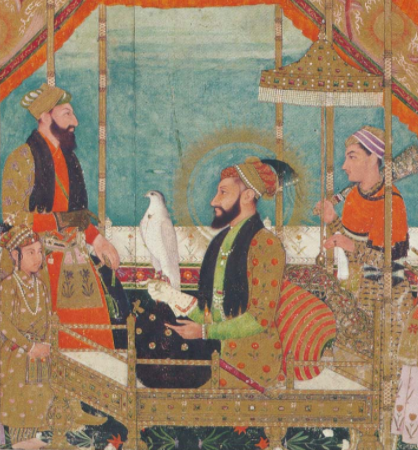
Aurangzeb Enthroned with Son Azam Shah
Attributed to Bichitr · 17th century
A Mughal court painting attributed to Bichitr, showing Aurangzeb seated on his throne with his son Azam Shah and courtiers before him.
A court painting showing Aurangzeb enthroned with his son, emphasizing dynastic succession and imperial authority.
About this source
What it is
This painting, attributed to the court artist Bichitr and dated to the 17th century, shows Emperor Aurangzeb seated on a gilded throne holding a falcon, with his son Azam Shah standing before him along with other nobles and courtiers.
Why it matters
The painting is one of several surviving images that show Aurangzeb in formal court settings with his son, reflecting the importance placed on royal succession and the public image of imperial authority at the Mughal court.
- What similarities do you notice between this painting and other court scenes of Aurangzeb? What might that tell you about how emperors wanted to be shown?
- Why might the artist include Aurangzeb's son in this image rather than show the emperor alone?
- What can't this formal portrait tell you about Aurangzeb's personality or daily decisions as ruler?
This painting is part of the curated material that grounds the AI version of Aurangzeb on Humy.ai — when students ask about related events, the AI can quote it and cite it.
More Aurangzeb sources
Meet the AI Aurangzeb →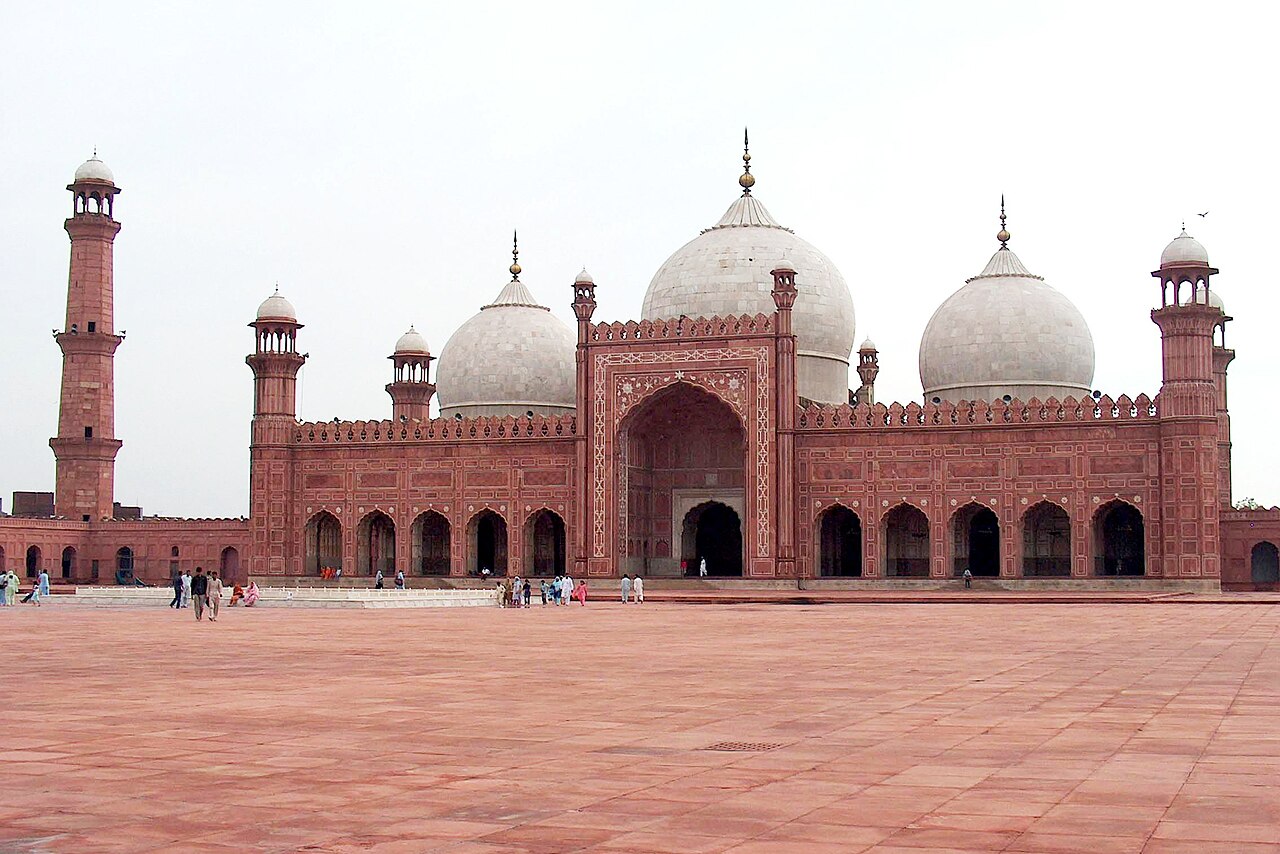 Artifact
Primary source
Badshahi Mosque
1671–1673
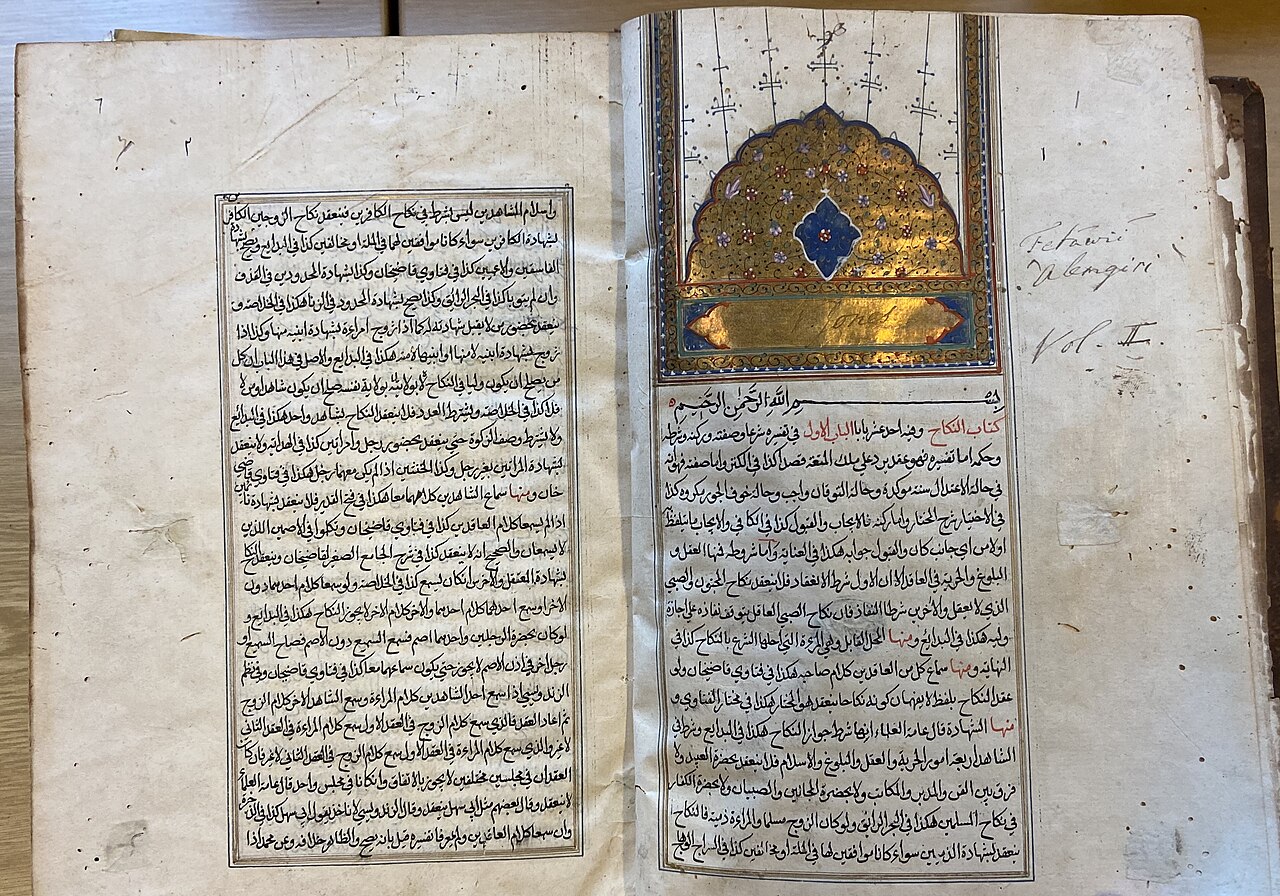 Document
Primary source
Fatawa-i Alamgiri Manuscript
17th century (this copy later recopied)
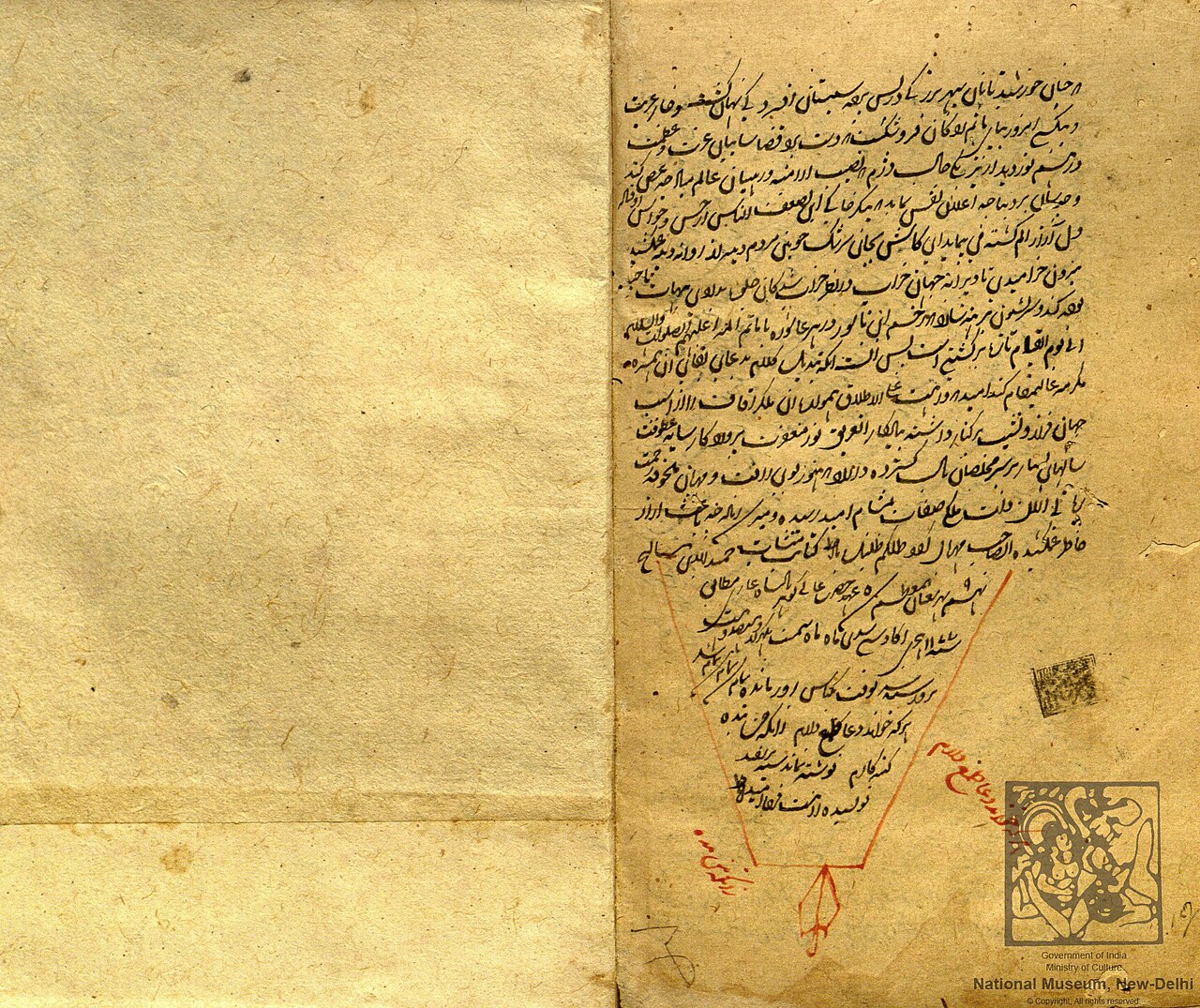 Book
Secondary source
Maasir-i-Alamgiri
Saqi Musta'id Khan · c. 1710 (this copy 1763-1764)
Primary source
Ruka'at-i-Alamgiri
Aurangzeb · 17th century
 Letter
Primary source
Zafarnamah
Guru Gobind Singh · 1705
Ready when you are
Start chatting with Aurangzeb now.
20 messages free · No credit card · Available in 50+ languages.