


Tertiary sourceBook1911
Aurangzeb entry, Encyclopaedia Britannica (1911)
1911
An 1911 encyclopedia entry describing Aurangzeb as one of the greatest Mughal emperors, drawing on his early life, campaigns and religious views.
This encyclopedia entry offers background on Aurangzeb's early life and career, but it was written long after his reign and should be read as a summary.
About this source
What it is
This is the entry on Aurangzeb in the eleventh edition of the Encyclopaedia Britannica, published in 1911. It is a reference article, not a record made during his lifetime. The opening describes him as the third son of Shah Jahan, born in November 1618, who took the name Aurangzeb and later added the titles Mohi-eddin and Alam-gir. It describes his early military service in the Deccan and his religious feeling.
Why it matters
Encyclopedias like this one shaped how readers in English-speaking countries understood Mughal history in the early twentieth century. The entry tells us what its authors thought was important about Aurangzeb, including his piety and his military skill. Its judgments reflect the sources and attitudes of its time, so students should check them against primary documents.
Look closer
- Which details about Aurangzeb does the entry stress, and which does it treat as less important?
- What sources would an encyclopedia writer in 1911 have relied on, and how might they differ from documents written at the time?
- How does the entry's tone about his religion compare with the way a Mughal document would describe him?
This book is part of the curated material that grounds the AI version of Aurangzeb on Humy.ai — when students ask about related events, the AI can quote it and cite it.
More Aurangzeb sources
Meet the AI Aurangzeb →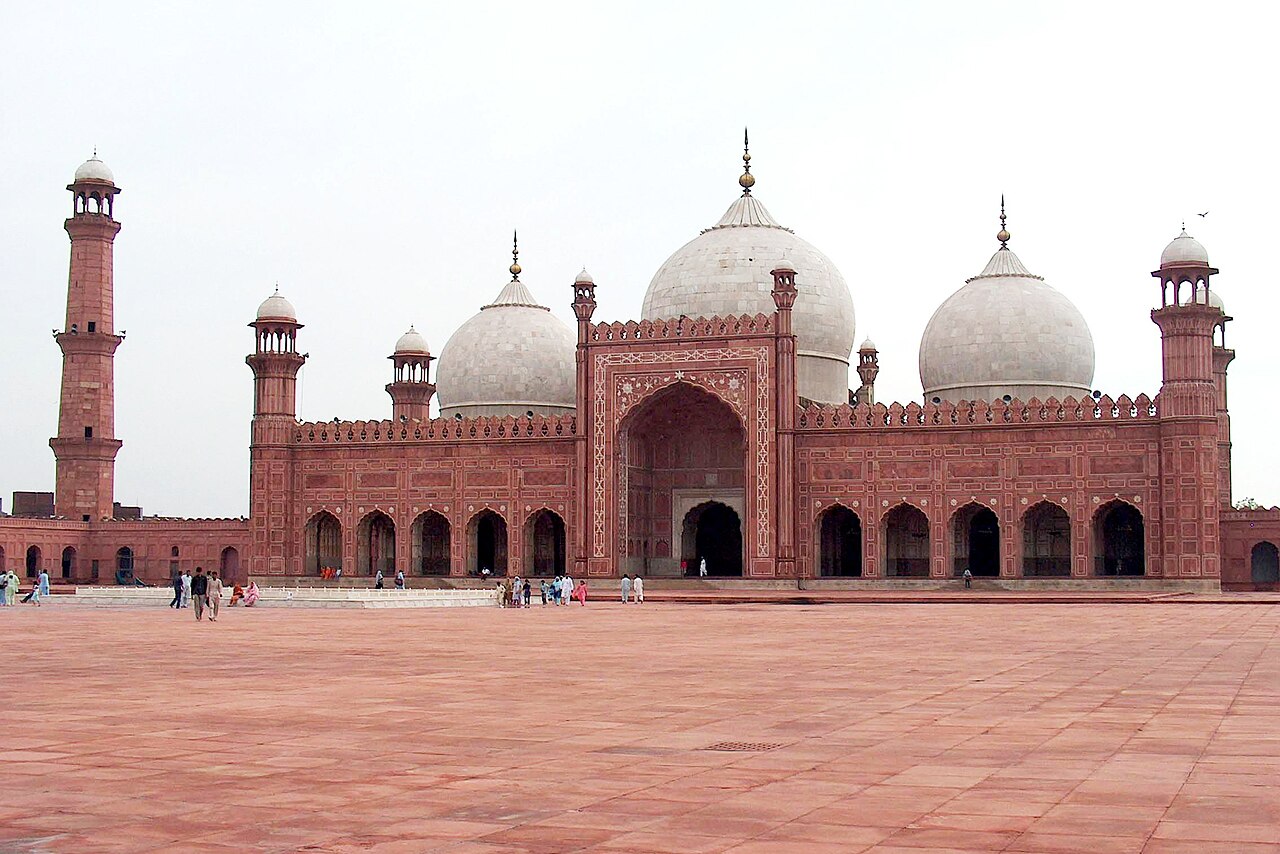 Artifact
Primary source
Badshahi Mosque
1671–1673
 Document
Primary source
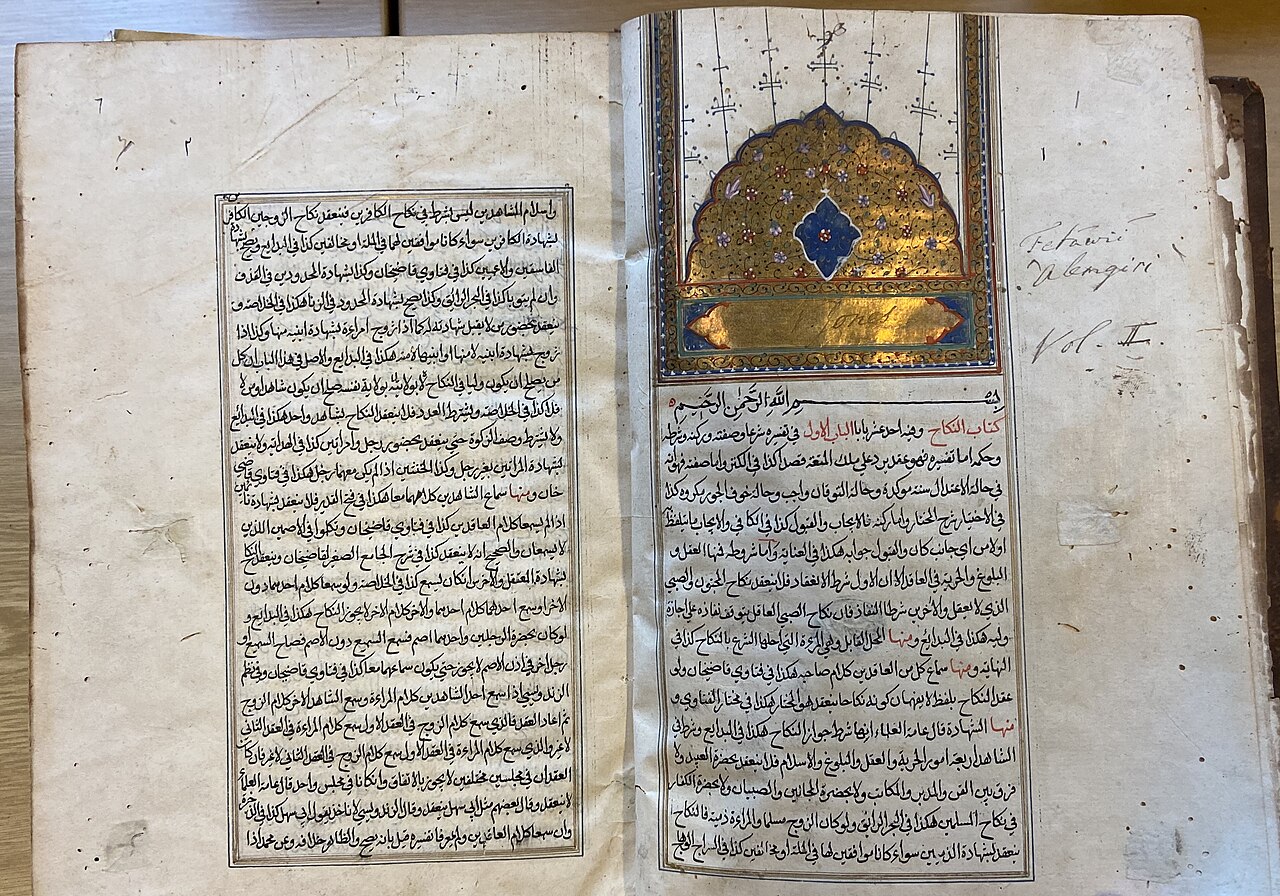
Fatawa-i Alamgiri Manuscript
17th century (this copy later recopied)
 Book
Secondary source
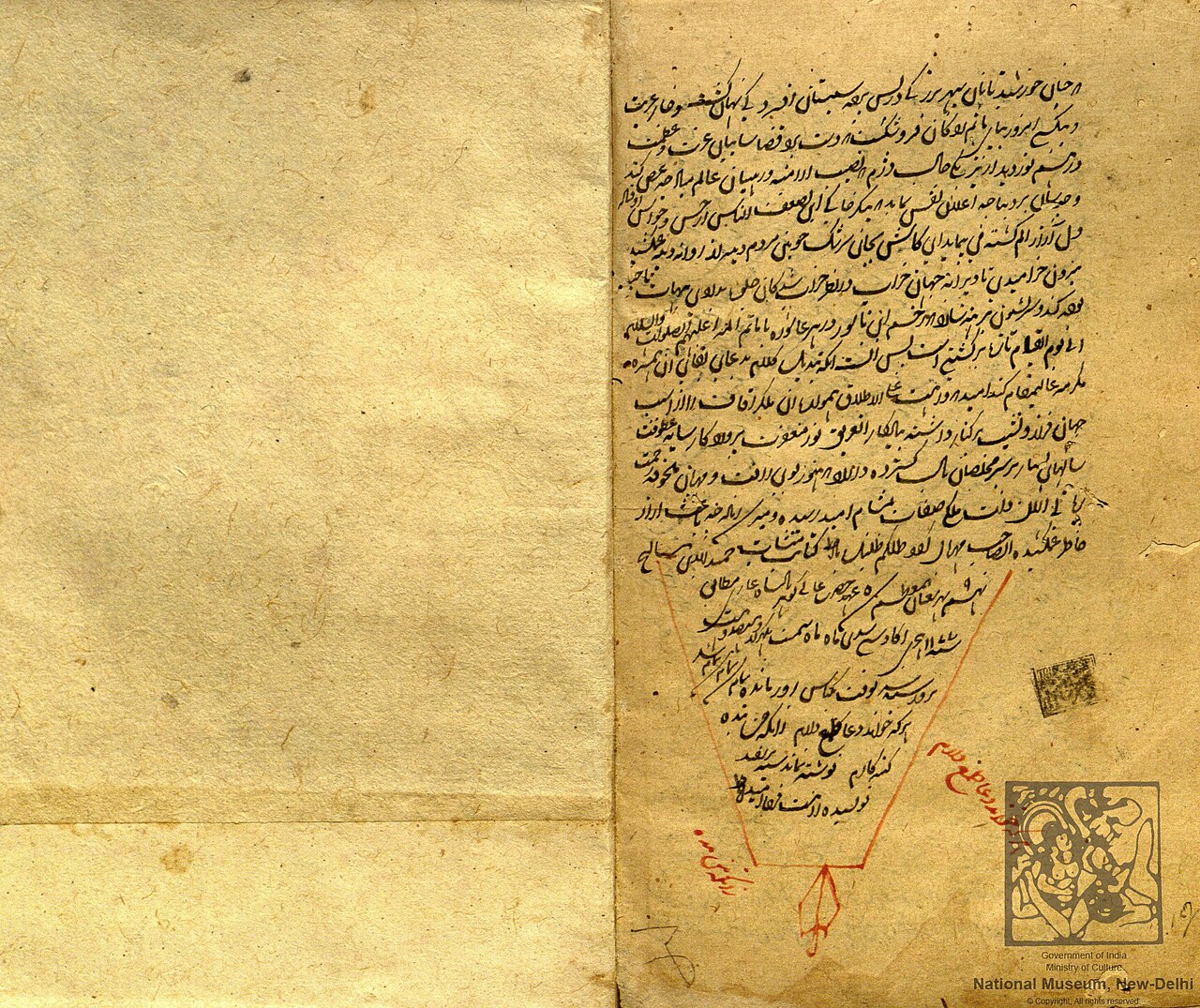
Maasir-i-Alamgiri
Saqi Musta'id Khan · c. 1710 (this copy 1763-1764)
Primary source
Ruka'at-i-Alamgiri
Aurangzeb · 17th century
 Letter
Primary source
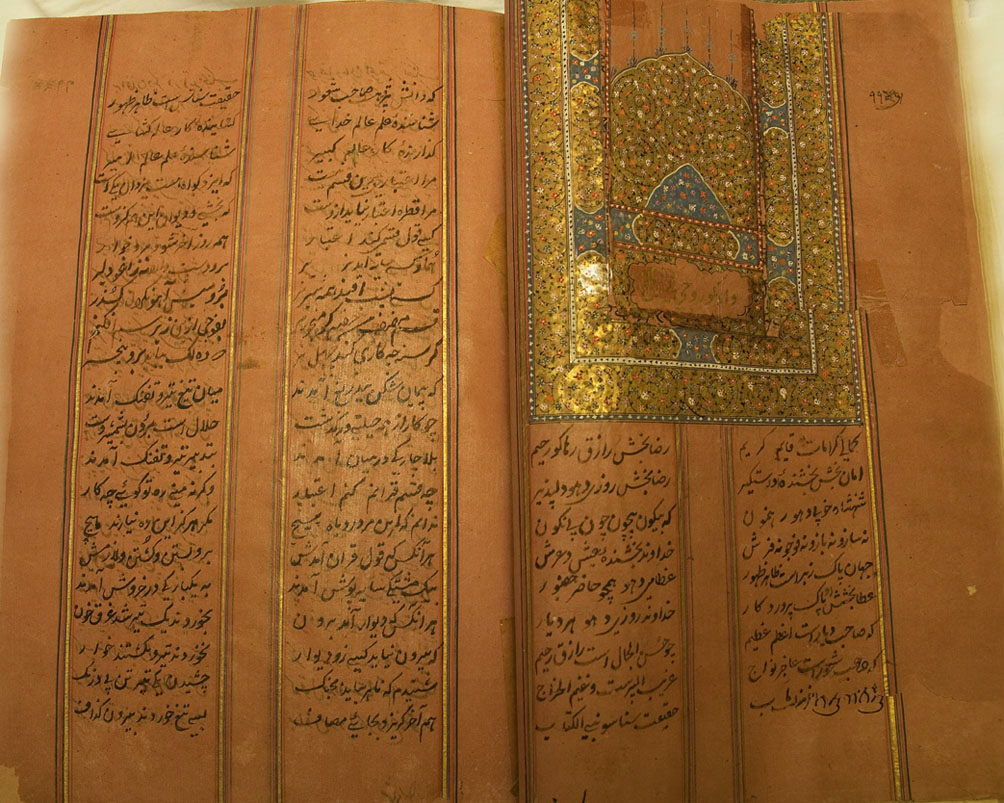
Zafarnamah
Guru Gobind Singh · 1705
Ready when you are
Start chatting with Aurangzeb now.
20 messages free · No credit card · Available in 50+ languages.