


Primary sourcePaintingc. 1660
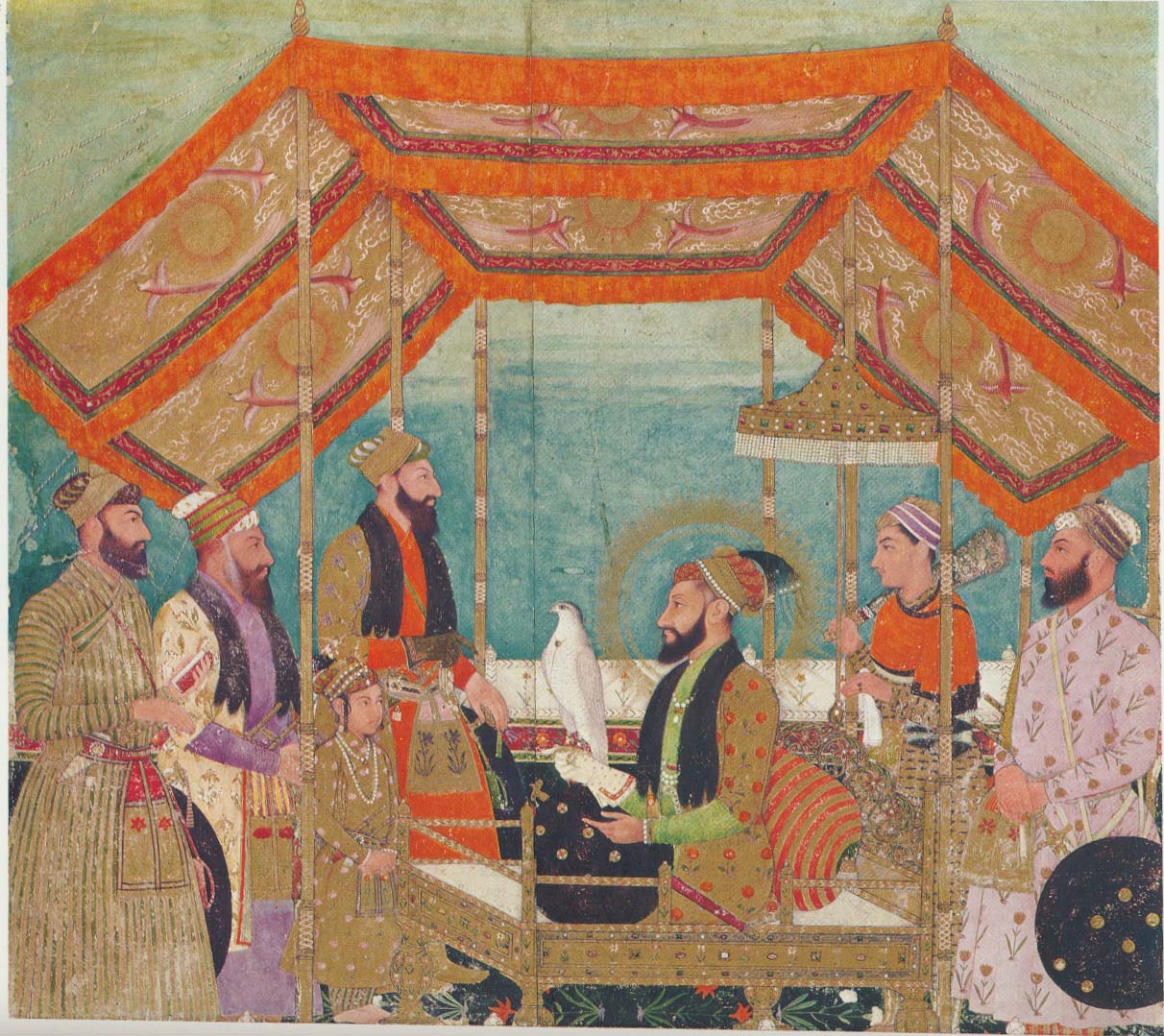
Aurangzeb Holds Court
Attributed to Bichitr · c. 1660
A Mughal court painting, possibly by Bichitr, showing Emperor Aurangzeb holding audience with his son Prince Azam and noble Shaistah Khan.
A rare surviving court painting made for Aurangzeb himself, showing him formally holding audience with his son and a noble.
About this source
What it is
This painting, attributed to the Mughal court artist Bichitr and dated around 1660, shows Emperor Aurangzeb seated on a golden throne beneath a canopy, holding a hawk. Standing before him is his young son Muhammad Azam, and behind stands the noble Shaistah Khan. The work is now in a private collection.
Why it matters
Although Aurangzeb later turned against music, dance, and painting, some of the finest Mughal paintings were still made for him, perhaps because artists feared he might close the workshops. The image captures the formal splendour of his court and the people around him, including his son and a leading noble.
- Why might court painters have worked extra hard to impress a ruler known for disliking the arts?
- What does the formal pose of the emperor, compared to the boyish energy of his son, suggest about each figure's role?
- What might this painting leave out about daily life or hardship under Aurangzeb's rule?
This painting is part of the curated material that grounds the AI version of Aurangzeb on Humy.ai — when students ask about related events, the AI can quote it and cite it.
More Aurangzeb sources
Meet the AI Aurangzeb →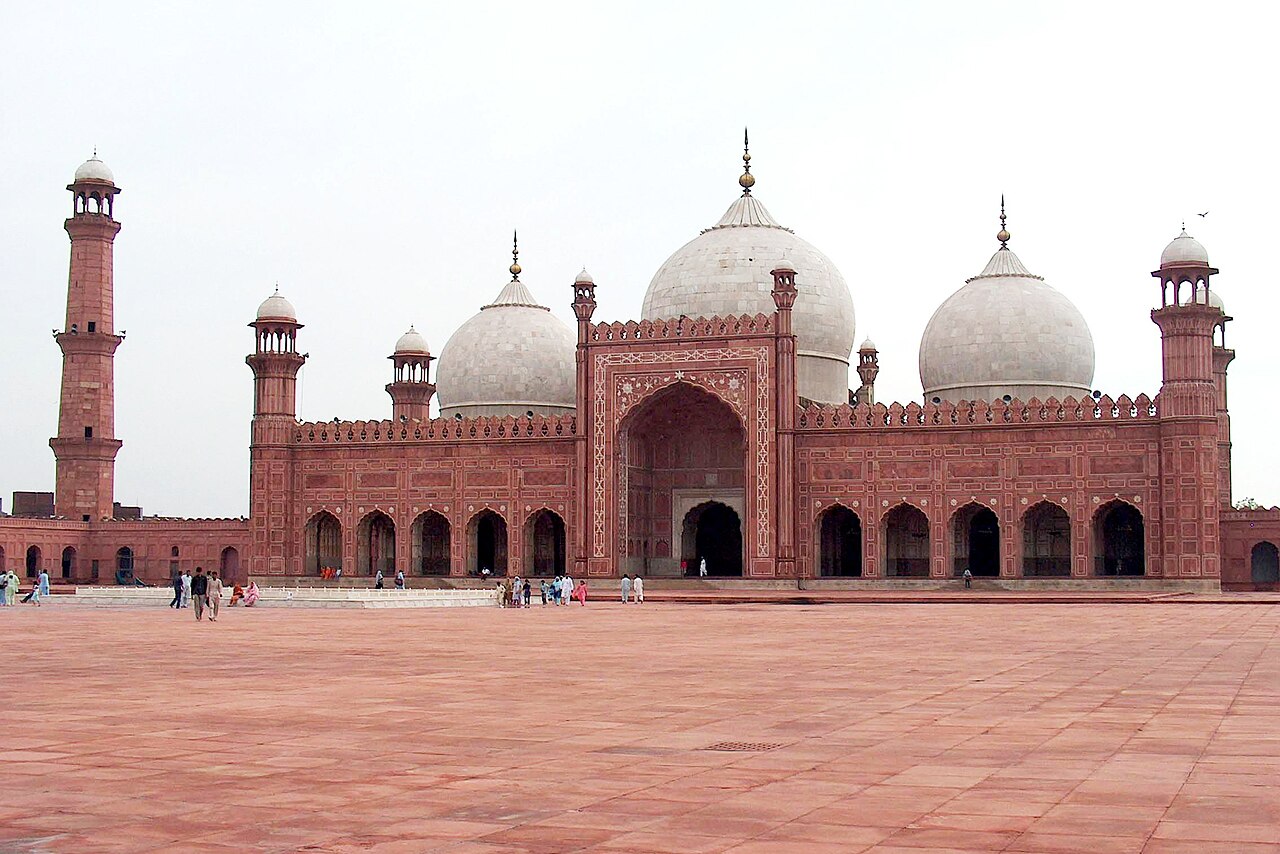 Artifact
Primary source
Badshahi Mosque
1671–1673
 Document
Primary source
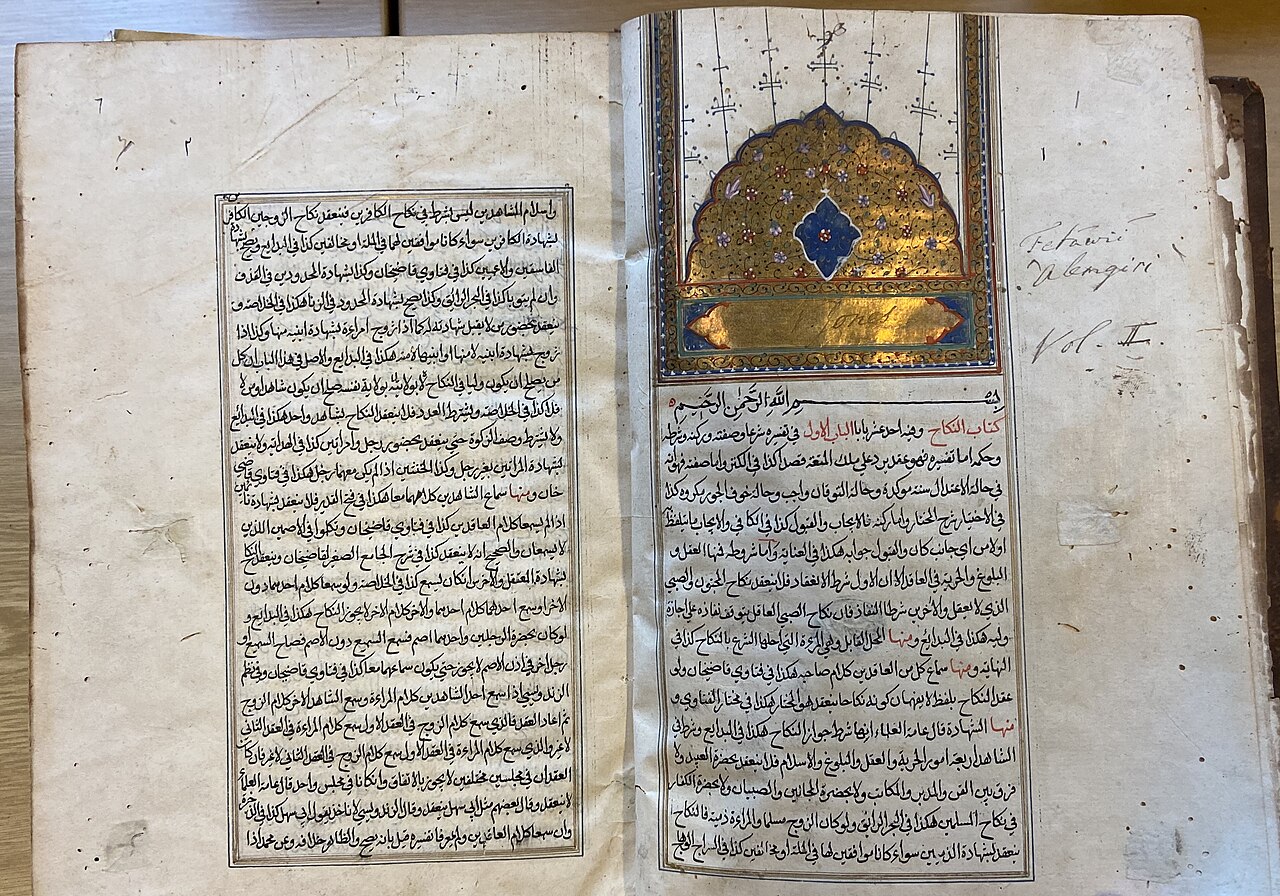
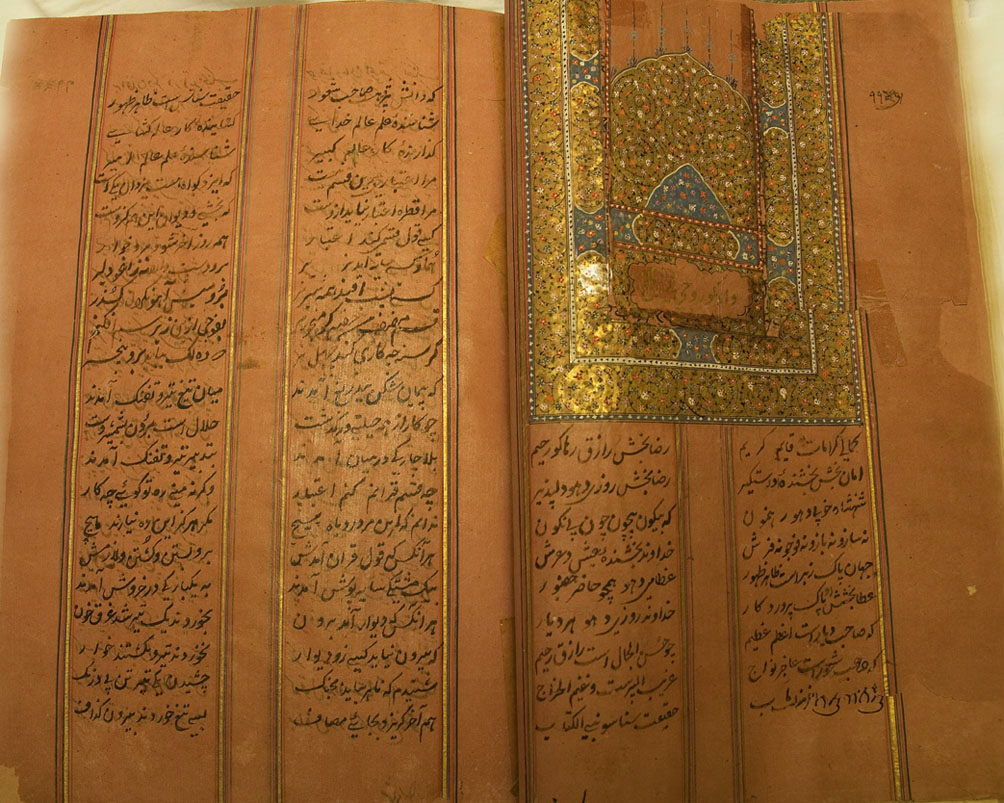
Fatawa-i Alamgiri Manuscript
17th century (this copy later recopied)
 Book
Secondary source
Maasir-i-Alamgiri
Saqi Musta'id Khan · c. 1710 (this copy 1763-1764)
Primary source
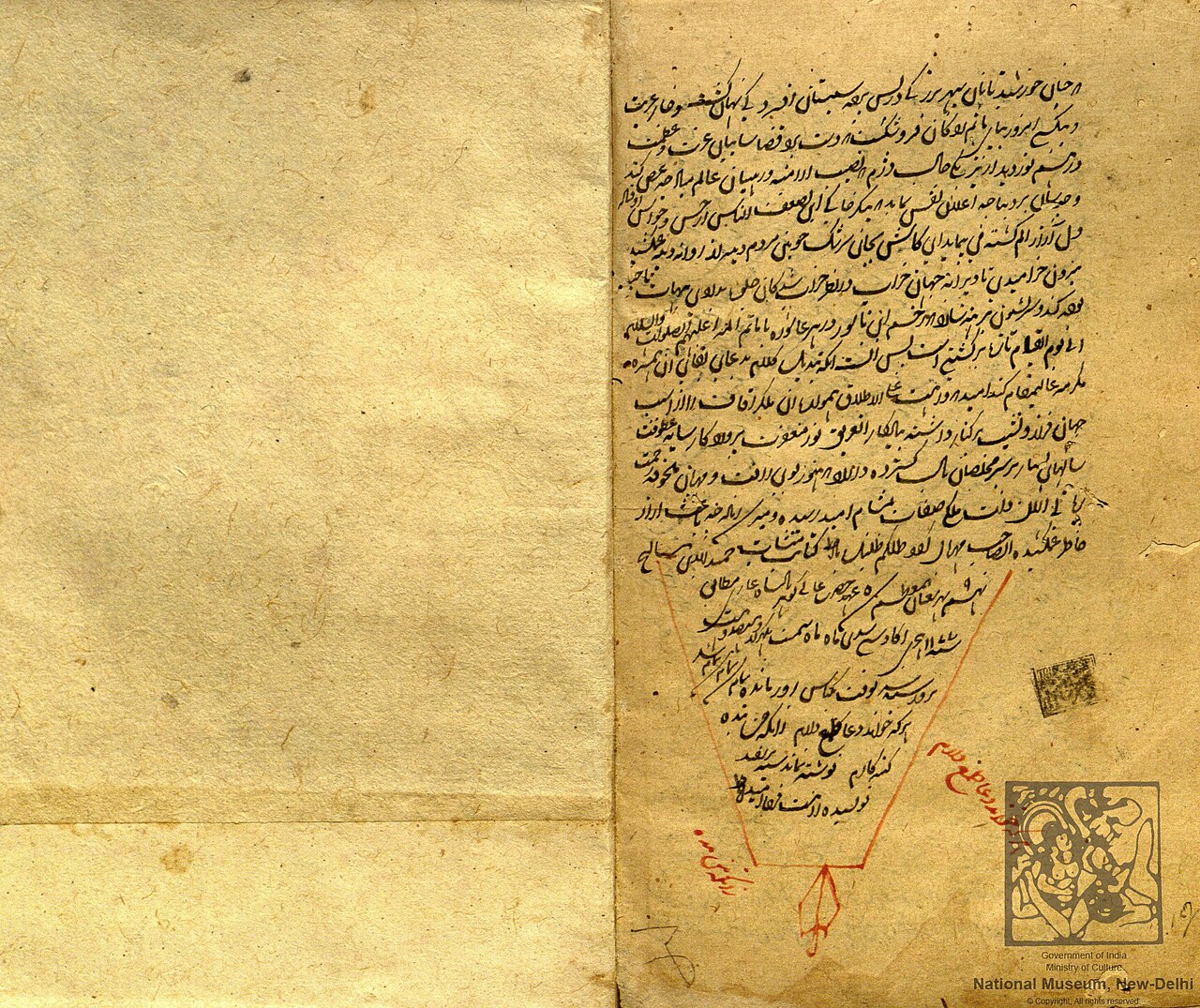
Ruka'at-i-Alamgiri
Aurangzeb · 17th century
 Letter
Primary source
Zafarnamah
Guru Gobind Singh · 1705
Ready when you are
Start chatting with Aurangzeb now.
20 messages free · No credit card · Available in 50+ languages.